

By Jasper Inventor, Deputy Programme Director at Greenpeace International, and Dr. Jerry Jose, Senior Scientist at the Greenpeace International Science Unit
Executive Overview
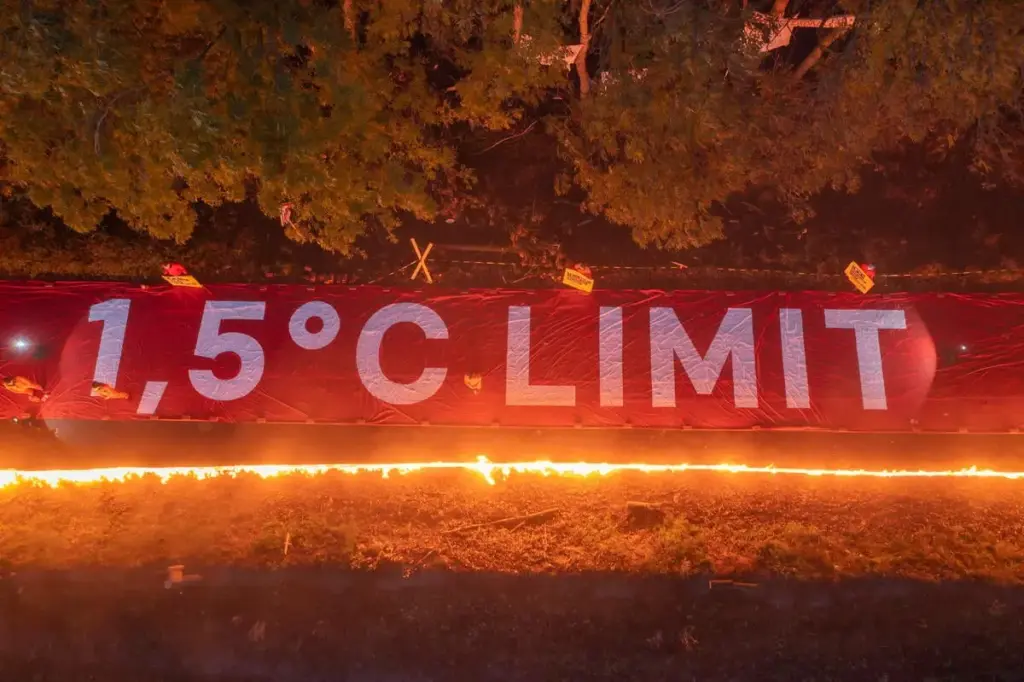
The global scientific community has issued its most urgent advisory to date. According to a landmark report released by the United Nations Environment Programme (UNEP) titled "Limiting Overshoot," the global average temperature is poised to cross the critical 1.5°C threshold above pre-industrial levels, likely within the next few years. This impending breach threatens to intensify extreme weather events, accelerate ecological collapse, and permanently alter the planetary life-support systems upon which human civilization depends.
Despite this impending temporary exceedance—often referred to as an "overshoot"—the foundational commitment of the international community remains anchored to the 1.5°C limit established by the 2015 Paris Agreement. This legal and moral imperative has been repeatedly reaffirmed by the International Court of Justice (ICJ) and adopted formally at the UN General Assembly.
However, current nationally determined contributions (NDCs) fall dangerously short. Even under a best-case scenario where governments globally implement and over-deliver on their existing climate action pledges, the UNEP models indicate that global temperatures will still peak at approximately 1.8°C before a long-term descent back toward 1.5°C can even be initiated.
Greenpeace, alongside leading international scientists and environmental advocates, is issuing a clarion call to governments worldwide: the era of delayed action must end immediately. To minimize the depth and duration of this climate overshoot, nations must aggressively dismantle fossil fuel reliance, halt forest destruction, and rapidly scale up renewable energy infrastructures. Every fraction of a degree avoided now dictates whether humanity can successfully navigate back from the precipice or face an irreversibly altered world.
Detailed Chronology: How We Arrived at the Brink
To understand the mechanics of a temperature overshoot, it is necessary to trace the trajectory of international climate policy and Earth’s atmospheric response over the past decade.
The 2015 Paris Agreement and the 1.5°C Benchmark
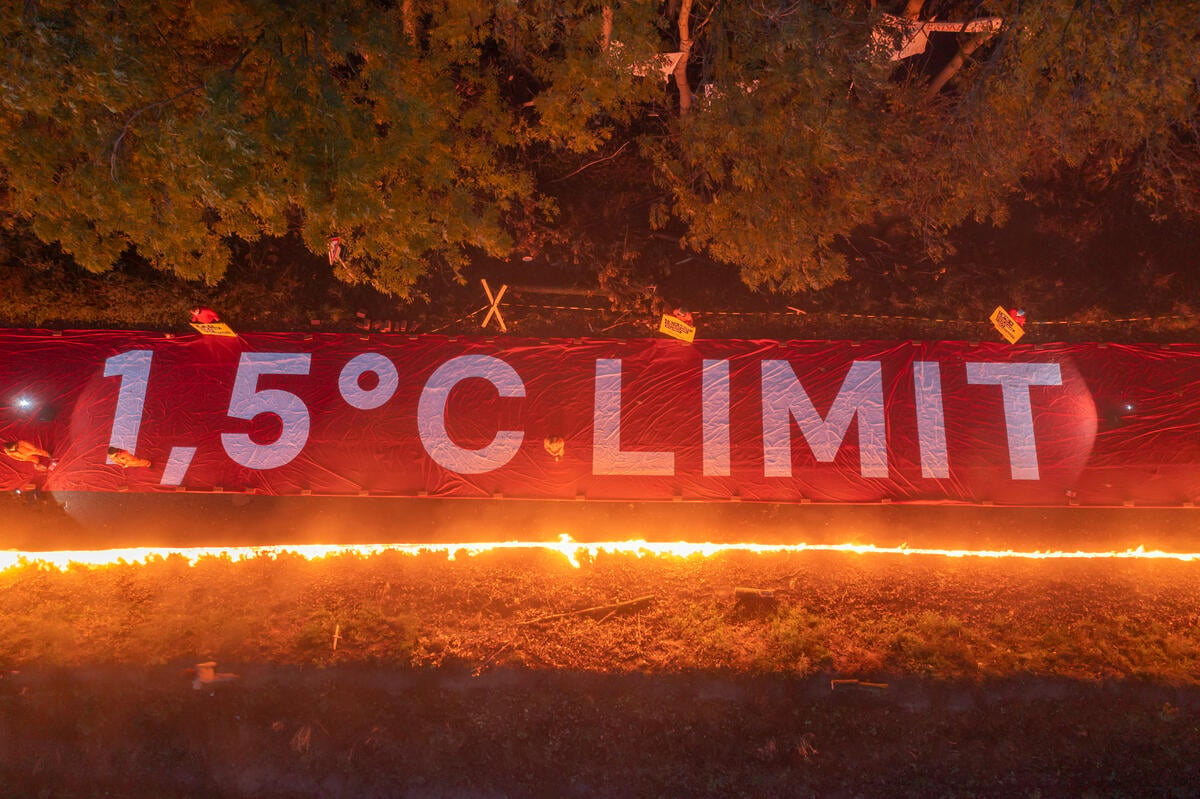
At the 21st Conference of the Parties (COP21) in Paris in December 2015, nearly 200 nations forged a historic pact to hold the increase in global average temperature to "well below 2°C above pre-industrial levels" and to pursue efforts to limit the temperature increase to 1.5°C. For years, 1.5°C was treated as a distant alarm bell—a boundary line that science warned should not be crossed.
The 2024 Milestone: A Temporary Breach
That theoretical boundary crossed into reality in 2024. For the first time in recorded history, annual global average temperatures surged past the threshold, hitting approximately 1.6°C above the pre-industrial baseline. While climatologists clarified that a single calendar year above the limit does not legally or climatologically constitute a permanent breach of the Paris Agreement—as long-term trends are measured over decades rather than individual months—it served as a profound warning shot. It signaled that the buffer zone protecting the global climate system had all but evaporated.
The Emergence of the "Overshoot, Peak, and Decline" Scenario
Recognizing that insufficient mitigation policies have made a temporary breach all but inevitable, the Intergovernmental Panel on Climate Change (IPCC) and international modeling groups have integrated a new set of emissions scenarios into upcoming research cycles. Known as "overshoot, peak, and decline," these pathways map a reality where emissions temporarily drive global temperatures above 1.5°C, requiring future generations to utilize massive carbon dioxide removal (CDR) technologies and absolute emissions reductions to drag temperatures back down by 2100.
The UNEP’s latest analysis underscores the extreme danger of this approach. There are, as the report explicitly states, "no good outcomes if we remain above 1.5°C." Consequently, the overarching objective of global policy must be to make the overshoot trajectory as shallow and as brief as humanly possible.
Supporting Context & Metrics: The Carbon Budget and Mitigation Gap
The mathematics of climate change leave no room for diplomatic ambiguity. The planetary carbon budget—the total amount of carbon dioxide that can be emitted while maintaining a 50% statistical chance of limiting global warming to 1.5°C—is vanishingly small.
- Remaining Carbon Budget: From 2026 onward, humanity has a remaining carbon budget of only approximately 130 Gigatonnes (Gt) of CO₂.
- The Emissions Trajectory: To stay within this rigid budget, global carbon dioxide emissions would need to decline steadily from current 2025 levels down to absolute net-zero in just over six years. This creates an unprecedented "emissions gap" between current governmental trajectories and planetary survival requirements.
- Rate of Warming: Human-induced global warming is currently hovering near 1.4°C, with planetary temperatures accelerating at a rate of roughly 0.25°C per decade—a rate that several recent studies suggest may be climbing even faster due to compounding feedback loops.
- The IPCC Rule of Thumb: According to IPCC metrics, every five years of sustained high emissions adds an additional 0.1°C to peak global warming. At current rates, the 1.5°C threshold will be definitively crossed before the end of the current decade.
The UNEP report outlines three formidable challenges to managing this overshoot:
- Immediate Mitigation: Halting the upward trajectory of temperatures through deep, immediate emission cuts and urgent protections for frontline populations.
- Coping and Containment: Bolstering societal resilience to absorb escalating climate shocks.
- Long-Term Reversal: Deploying net-negative emissions strategies to safely bring global temperatures back down to the 1.5°C ceiling.
Official Statements and Institutional Stances
The urgency of the UNEP report has galvanized international legal, scientific, and environmental bodies, unifying their calls for immediate systemic intervention.
"There are no good outcomes if we remain above 1.5°C. We must focus on making the overshoot as small and short as possible. Rapid climate action across all sectors is both necessary and feasible to hold warming as close as possible to 1.5°C by 2100."
— United Nations Environment Programme (UNEP)
Greenpeace International has reinforced these findings, positioning the transition away from fossil fuels not merely as an environmental policy, but as a fundamental human rights issue.
"A just transition is more than simply swapping coal, oil, and gas for renewables. It is an opportunity to transform energy, transport, and industrial systems so they are more secure and affordable, reduce inequality, protect ecosystems, and shift power from elites and multi-billion-dollar corporations to people."
— Jasper Inventor, Deputy Programme Director, Greenpeace International
Legal milestones, such as advisory opinions from the International Court of Justice and resolutions adopted by the UN General Assembly, have further codified the 1.5°C target as a legal and moral obligation for sovereign states, elevating climate inaction from a policy failure to a violation of international law.
Future Outlook: Consequences, Tipping Points, and the Path Forward
The consequences of failing to constrain an overshoot go far beyond incremental temperature increases. If delayed action locks in a higher peak warming scenario, the Earth system risks triggering irreversible tipping points.
Cascading Planetary Tipping Points
Staying above 1.5°C for an extended duration significantly heightens the probability of activating catastrophic, irreversible Earth system thresholds:
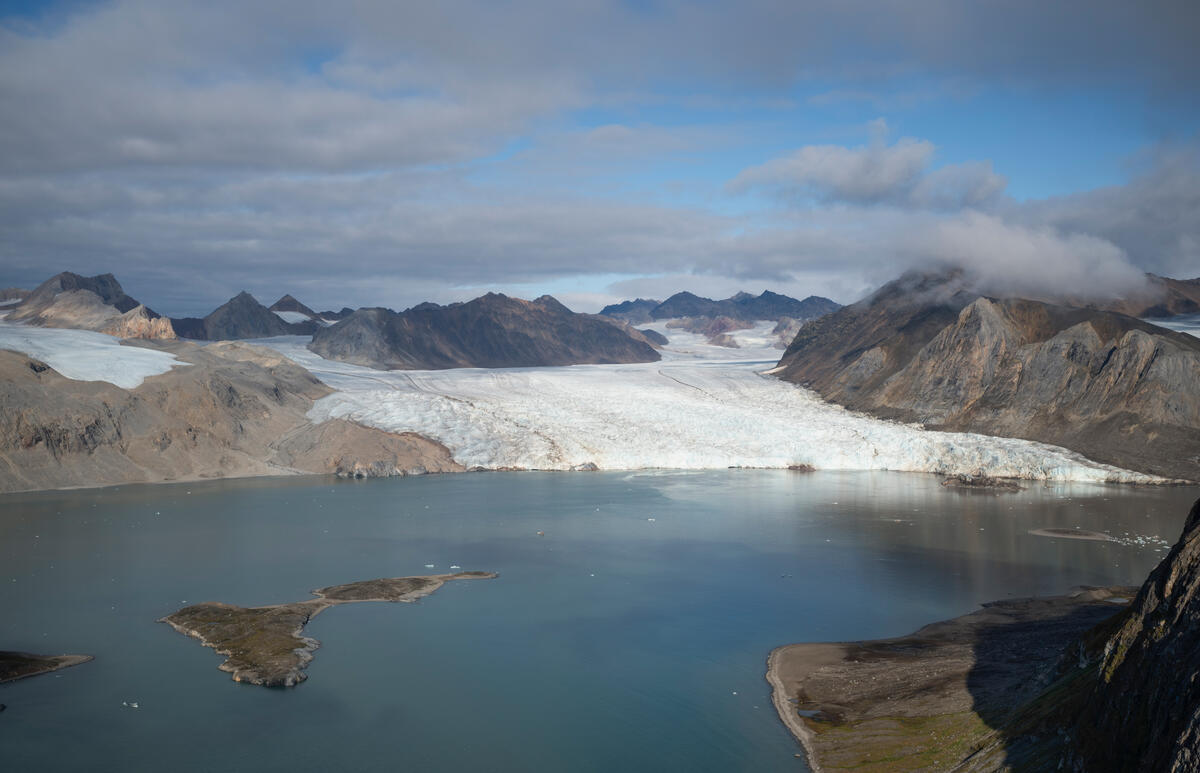
- Ice Sheet Collapse: The destabilization, melting, and ultimate collapse of the major West Antarctic and Greenland ice sheets, guaranteeing catastrophic sea-level rise for centuries.
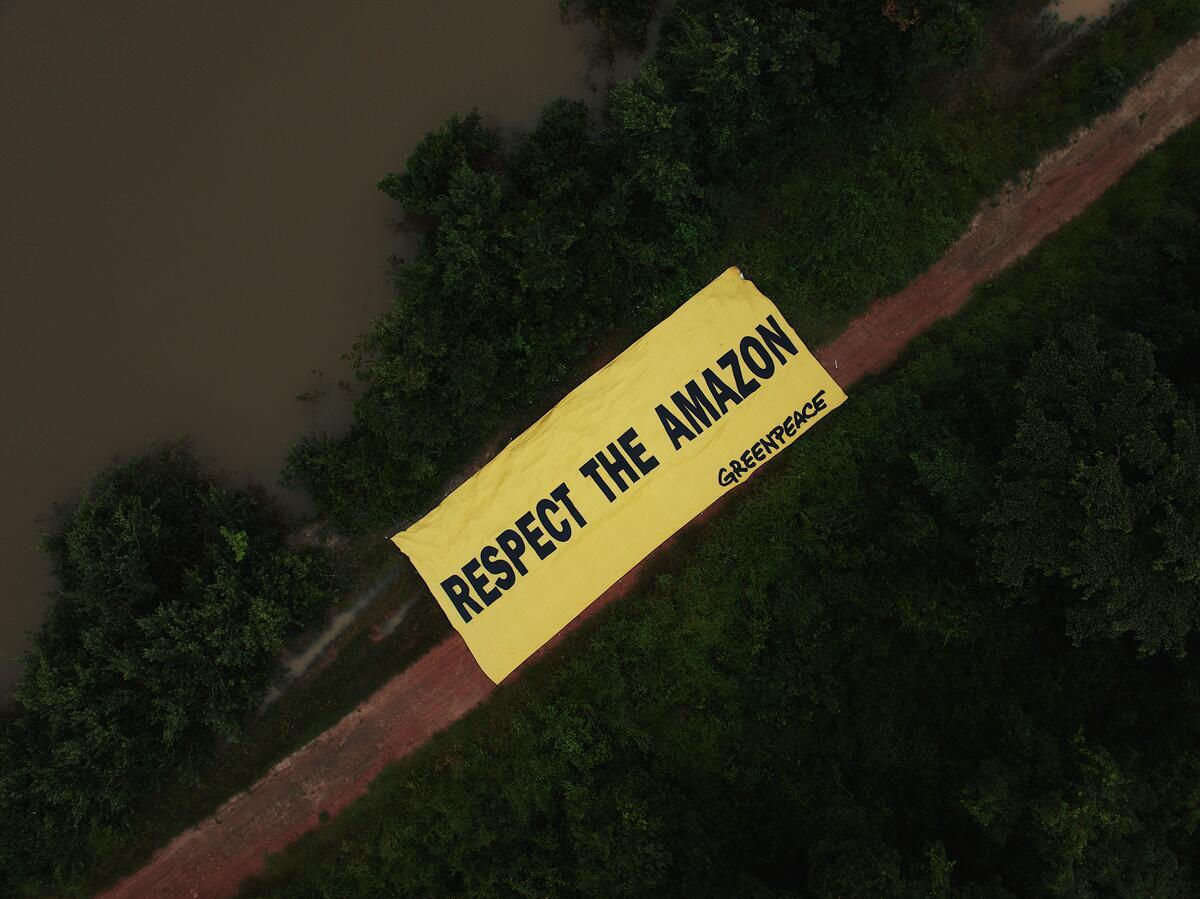
- Amazon Rainforest Degradation: The systemic drying and savanna-fication of the Amazon basin, transforming the world’s premier terrestrial carbon sink into a net carbon emitter.
- AMOC Disruption: The slowing or potential collapse of the Atlantic Meridional Overturning Circulation (AMOC), the critical ocean conveyor belt that regulates weather patterns across the Northern Hemisphere.
Impacts on Human and Natural Systems
Even if temperatures eventually decline via carbon dioxide removal, the legacy impacts will persist. Low-lying Small Island Developing States (SIDS) and coastal megacities face partial or total submersion, threatening the very continuity of their statehood. Concurrently, intensifying cryosphere loss, marine heatwaves, ocean acidification, and compounding extreme weather events—such as the unprecedented wildfires and heatwaves witnessed globally in recent years—will continue to batter human infrastructure, agriculture, and global food security.
Equity at the Center of the Response
The UNEP report strongly emphasizes that any credible global strategy must be rooted in climate justice. Developed nations, bearing the historical responsibility for cumulative greenhouse gas emissions, must shoulder the burden of transitioning hardest and fastest.
To avert total climate breakdown on the road to COP31 and beyond, governments must immediately enact:
- Immediate Fossil Fuel Phase-Out: Legally binding timelines to wind down coal, oil, and gas extraction.
- End Forest Destruction: Absolute moratoria on deforestation, land-use conversion, and industrial degradation of critical carbon sinks like the Amazon, Congo Basin, and boreal forests.
- Methane Abatement: Aggressive, targeted cuts in methane emissions—particularly by curbing industrial livestock production and plugging fugitive fossil fuel leaks, which account for roughly 0.5°C of current warming.
- Equitable Climate Finance: Direct financial transfers and technology sharing from the Global North to the Global South to fund both rapid mitigation and robust climate adaptation.
The window to prevent catastrophic climate overshoot is closing by the month. A stable planetary future is not a gift of geography or luck; it is the direct result of the political choices made today.



