


In the azure expanse of the Pacific Ocean, a quiet sovereignty crisis is unfolding far from the view of mainland United States. The Trump administration is aggressively advancing plans to lease millions of acres of fragile, deep-sea continental shelves for commercial mining, targeting critical transition minerals like copper, manganese, nickel, and rare earth elements. While framed by Washington as a vital geopolitical maneuver to secure critical mineral supply chains and counter China’s global dominance, these initiatives are being met with deep-seated outrage and despair across U.S. Pacific island territories.
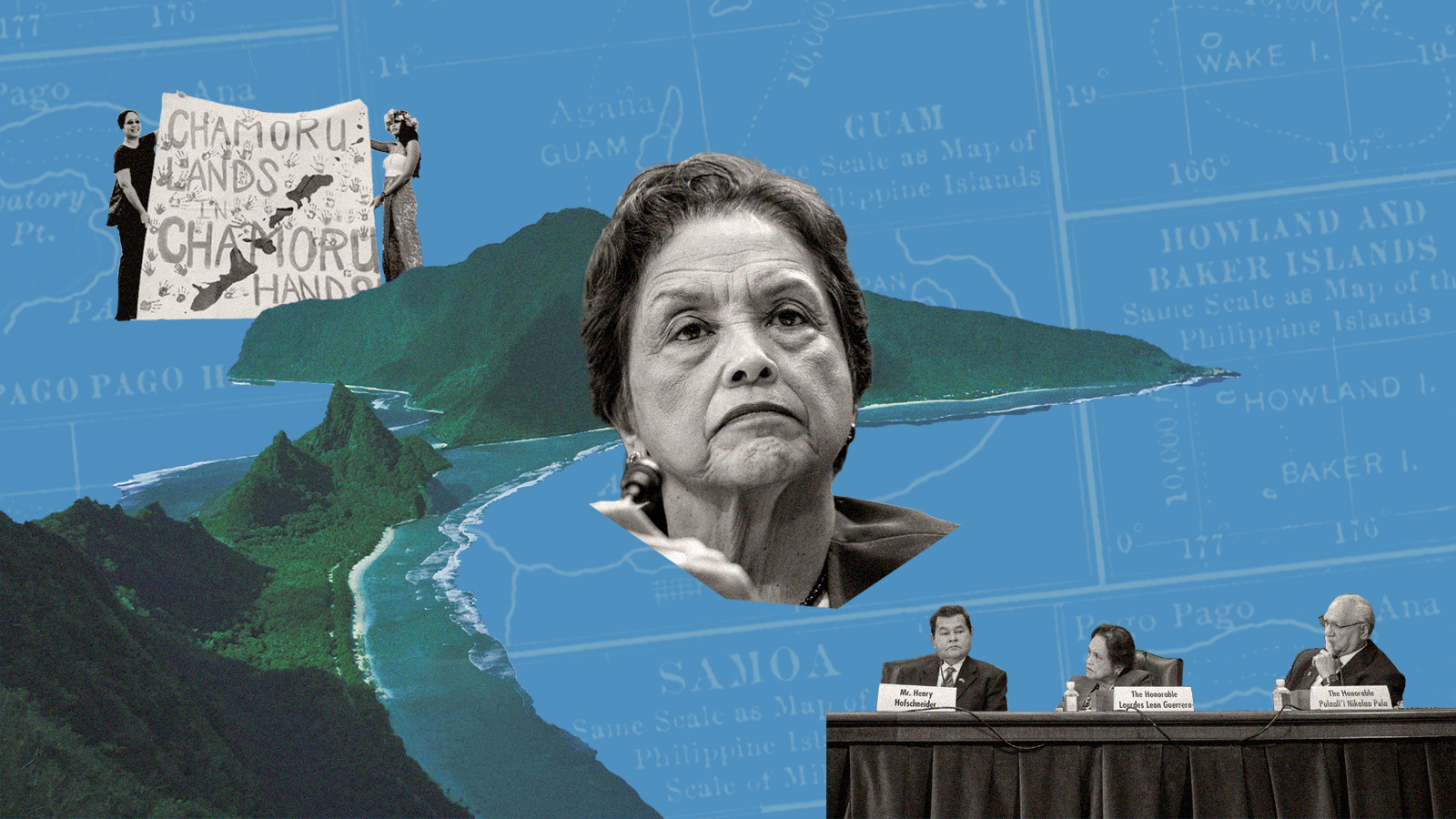
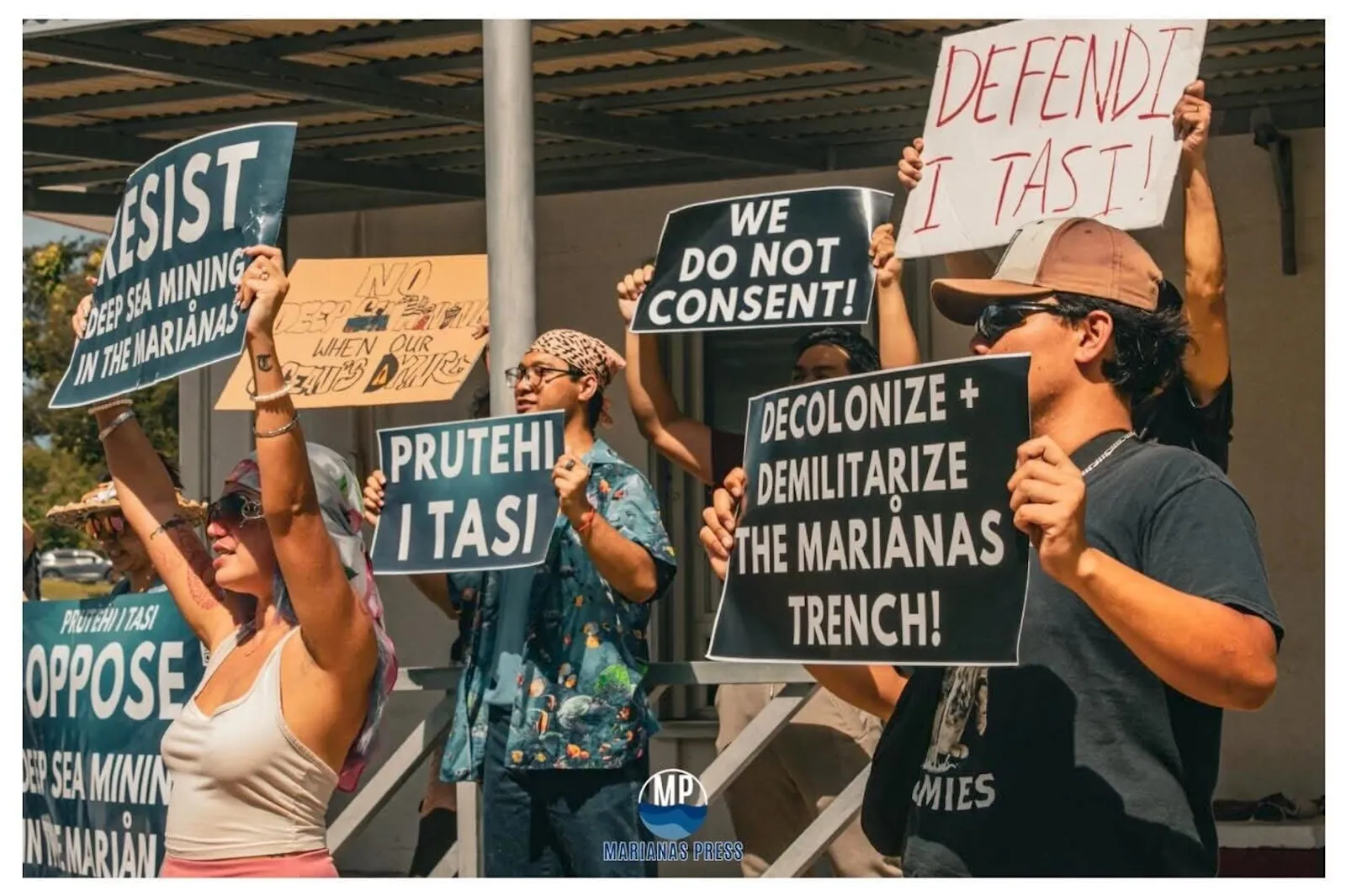
For the residents and local governments of Guam, American Samoa, and the Commonwealth of the Northern Mariana Islands (CNMI), the federal government’s actions highlight a bitter historical irony: as unincorporated territories, their indigenous populations possess no voting representation in Congress, cannot vote for the U.S. president, and are systematically excluded from the decision-making processes governing their ancestral waters. Unlike independent neighboring Pacific nations—which can leverage their sovereignty to enact moratoriums, protect marine ecosystems, and demand free, prior, and informed consent—U.S. territories find themselves structurally marginalized. Caught between crushing climate-fueled natural disasters and aggressive federal overreach, these island communities are left fighting a desperate battle to protect a marine heritage that sustains their economies, cultures, and ancestral identities.

Detailed Chronology: The Unfolding Crisis
The trajectory of the federal government’s deep-sea mining push and the immediate backlash from Pacific territorial leaders has mapped a timeline marked by abrupt announcements, diplomatic slights, and escalating community resistance:
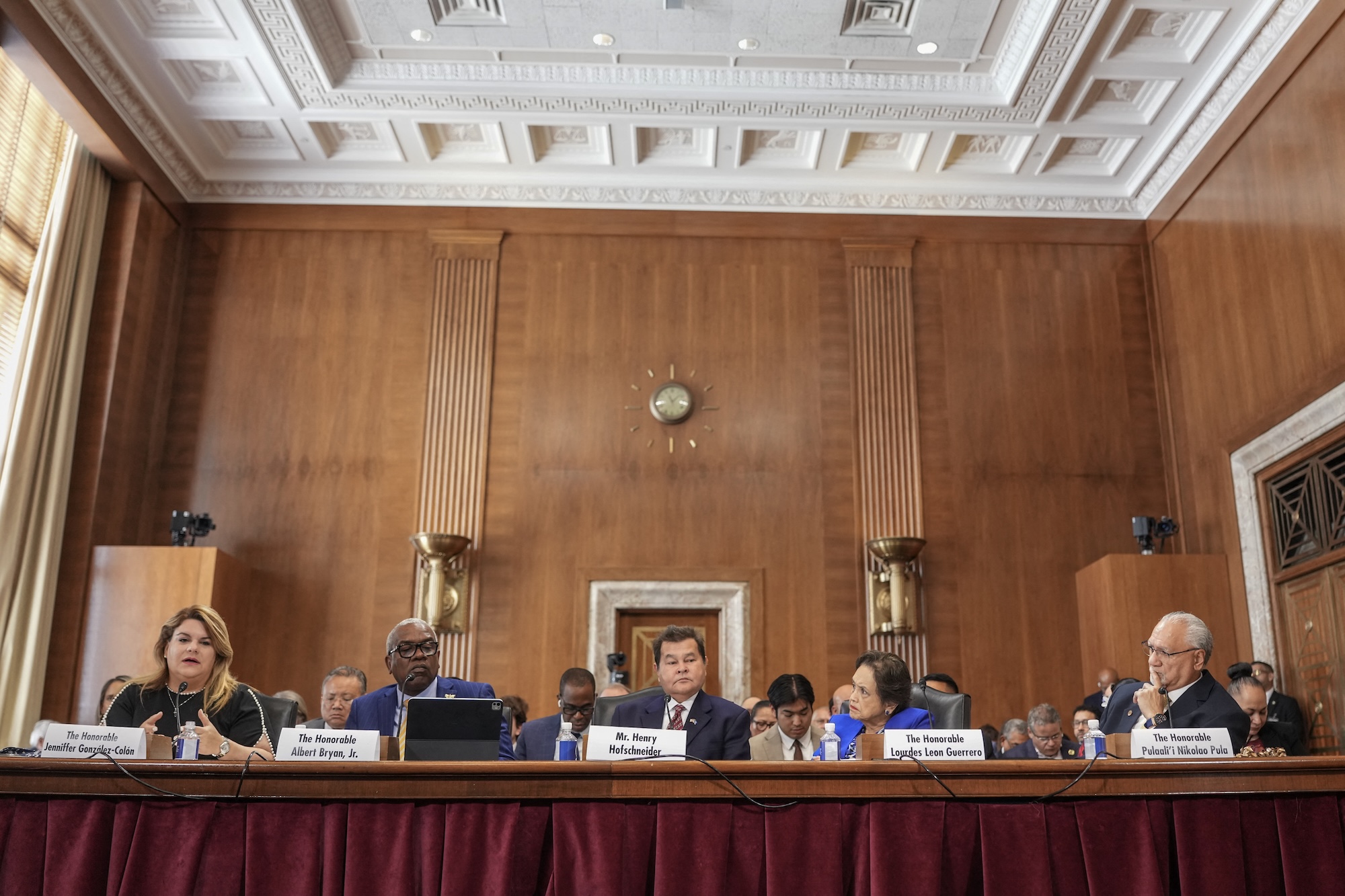
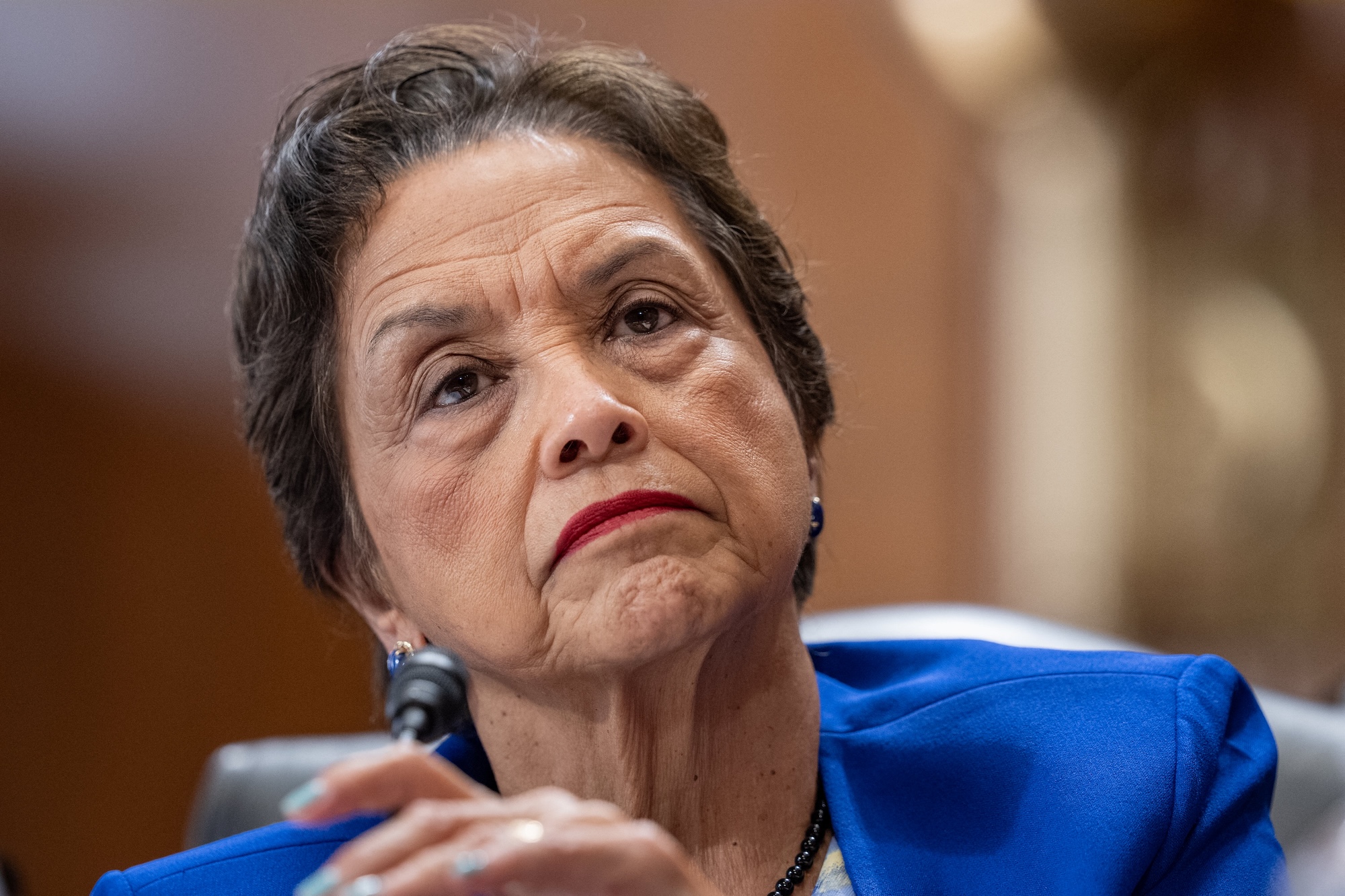
- November 12 (The Revelation): Lou Leon Guerrero, Governor of Guam, learns of the Trump administration’s sweeping plan to lease millions of acres of the island’s surrounding seafloor not through formal federal communication, but by reading a news link sent by her advisor. Realizing the existential scope of the proposal, Leon Guerrero immediately reaches out to neighboring territorial leaders and Department of the Interior officials, being reassured that no mining would proceed without community support.
- June 2025 (United Opposition): Pula’ali’i Nikolao Pula, Governor of American Samoa, announces that the territorial government is entirely united in opposition to deep-sea mining, seeking to protect local natural resources and fisheries.
- September 2025 (Global Divergence): At the United Nations General Assembly, leaders of independent Pacific nations like Nauru champion seabed minerals as an economic lifeline, while other nations line up in stark opposition, highlighting the growing fracture in regional autonomy.
- July (The American Samoa Lease Sale Announcement): The Marine Minerals Administration publicly declares its intent to auction off 31 million acres of the continental shelf surrounding American Samoa for mid-November, triggering widespread panic and disbelief among locals, notably during Manu’a Flag Day celebrations.
- August (The Marianas Expansion): Just one month after the American Samoa announcement, federal agencies reveal plans to auction over 67 million acres across either side of the Marianas archipelago—including areas bordering a national marine monument established by President George W. Bush.
- November (The Doubling of Leases): Despite formal meetings in Washington, D.C., where Governor Leon Guerrero voiced vehement opposition, the Bureau of Ocean Energy Management (BOEM) quietly doubles the potential mining area around Guam and the Northern Marianas, pushing boundaries even closer to shore without prior warning to local leadership.
- Early 2026 (Legal Challenges & Legislative Push): Environmental law nonprofit Earthjustice files federal lawsuits on behalf of conservation groups in American Samoa and the Mariana Islands, challenging the administration’s failure to study impacts on Endangered Species Act-protected marine life. Concurrently, territorial delegates draft legislation to secure revenue-sharing safeguards, though their lack of voting power leaves these measures hanging in limbo.
Supporting Context & Metrics: Economics, Ecology, and Colonial Legacy
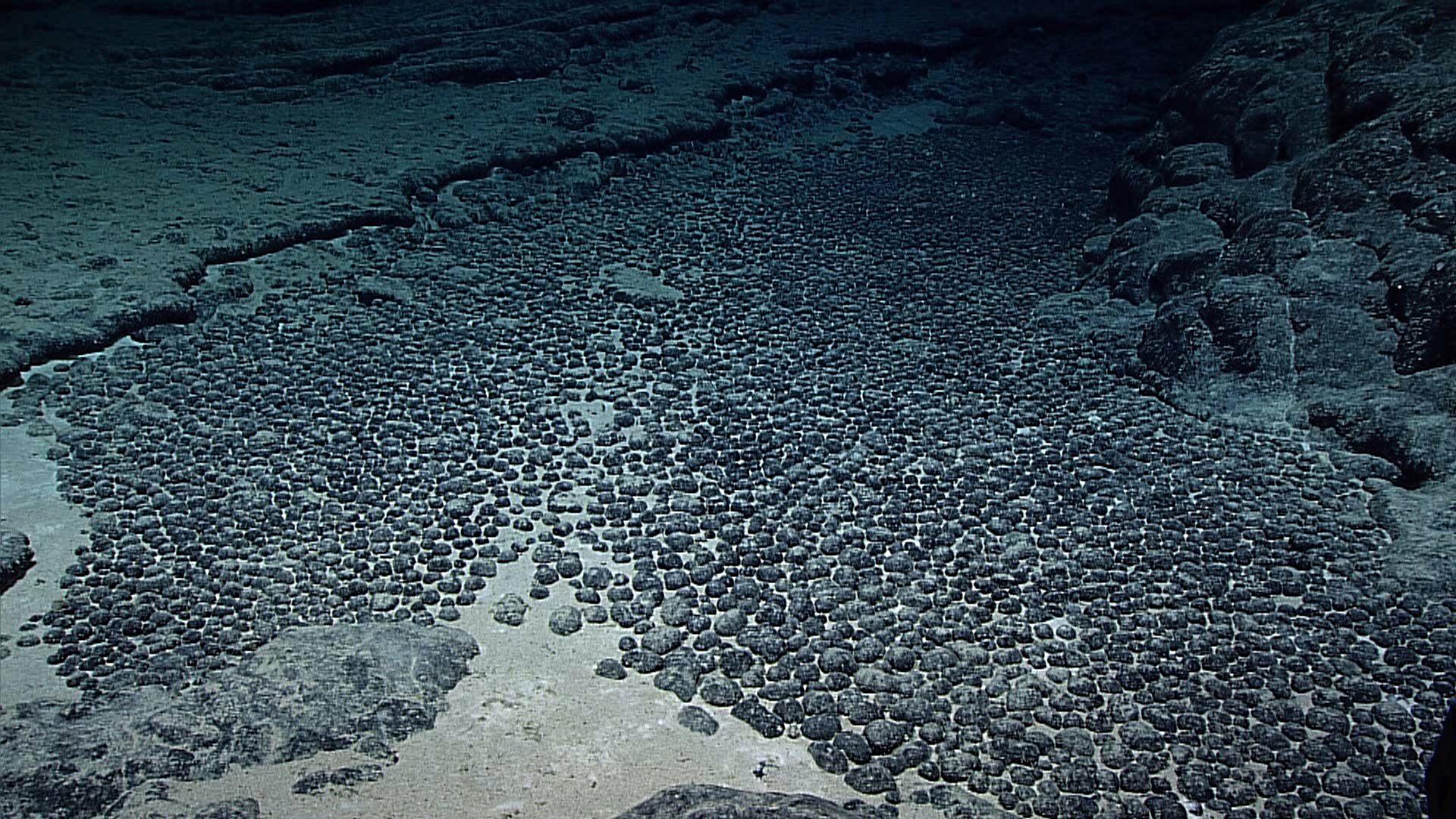
The drive for deep-sea mining rests on the extraction of polymetallic nodules—mineral-rich potato-sized deposits resting on abyssal plains. However, the economic and ecological realities of these undertakings remain deeply contested.
The Economic Vulnerability of the Territories
U.S. Pacific territories operate on fragile, hyper-specialized economies heavily vulnerable to external shocks:
- American Samoa: Over 80% of private-sector jobs rely directly on a single StarKist tuna cannery. Fisheries and tuna exports make up over 99% of the territory’s export base. Sediment plumes from deep-sea mining threaten to devastate migratory fish populations, jeopardizing the entire economic foundation of the islands.
- The Northern Mariana Islands (CNMI) and Guam: Following prolonged downturns in tourism and compounding devastation from category-four and super typhoons (such as Typhoon Sinlaku), these islands have grown increasingly dependent on U.S. military investments. Without stable home economies, brain drain and out-migration remain persistent crises.
The Ecological Unknowns
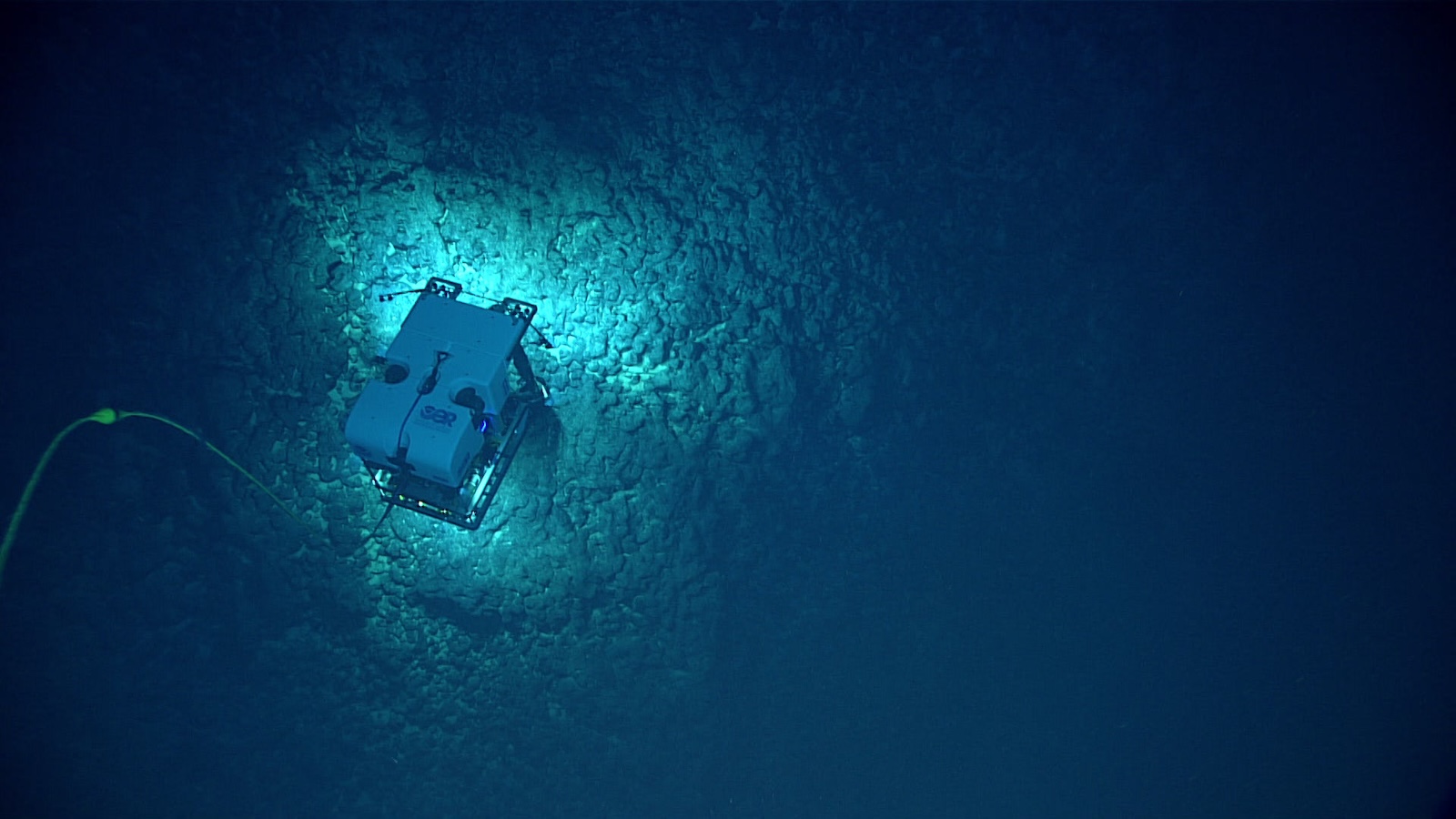
Deep-sea mining has never occurred on a commercial scale, and peer-reviewed studies published by scientists investigating exploratory sites—such as those charted during NOAA expeditions—reveal that abyssal ecosystems are extraordinarily fragile and exceptionally slow to recover. Academic and economic assessments further question whether these projects will even be financially viable, noting that fluctuating mineral demands for cobalt, nickel, and manganese, combined with meager or non-existent revenue-sharing mandates, leave territories bearing all the environmental risk with zero guaranteed financial compensation.

The Colonial Disparity
Under international law, indigenous peoples hold the right to free, prior, and informed consent regarding industrial projects affecting their traditional waters. However, federal law overrides local territorial legislature. As Adi Martínez-Román, co-director of Right to Democracy, notes, the territories remain invisible to mainland U.S. society and federal officials due to an insidious colonial framework that denies residents basic democratic enfranchisement.
Official Statements and Institutional Responses
The chasm between Washington policymakers and Pacific island leadership is underscored by sharply contrasting official positions:

- Governor Lou Leon Guerrero (Guam): Highlighting the absolute lack of prior consultation, Leon Guerrero stated in her office overlooking Agatana Bay: “I know we are a U.S. territory. I know that you as the federal government can just come in and say, ‘I don’t care about what you guys say. We’re going to do it anyway.’ But still… I want you to know I don’t support this.” Reflecting on the systemic exclusion, she added: “We hear it only in the media or in the CFR announcements. You guys don’t include us in your discussions. We’re the ones that’re going to be impacted.”
- J.V. Langkilde (Earthjustice Attorney, American Samoa): Pointing to the structural unfairness of imposing high-stakes extraction on communities without a voice, Langkilde noted: “They think it’s a little bit backwards that some company who has no stake in the community here will have property interest on our ocean floor without a full understanding of impacts… The throughline of concern I hear is becoming a test site with no kind of guarantees for money being reserved, not just for revenue share, but even for environmental protection.”
- The Department of the Interior: Defending the transparency of the administration’s approach, departmental spokespeople have asserted that the agency is committed to maintaining an open process as critical minerals are explored. Representatives noted that a signed lease does not automatically grant immediate clearance to mine, and that any future developer would remain subject to strict feasibility, safety, and environmental assessments. However, the agency has consistently declined to comment on specific private communications with territorial governors, citing deliberative confidentiality.
- Delegate Kimberlyn King-Hinds (CNMI): Expressing deep frustration over federal coercion, King-Hinds emphasized the necessity of protective fallback measures: “If they’re going to shove this down our throats, I want to be able to ensure that we have a backup plan, we have insurance and that we actually benefit from the waters that surround us.”
Future Outlook: Navigating an Uncertain Horizon
As ongoing lawsuits from Earthjustice wind their way through federal courts, the immediate future of Pacific seabed mining remains legally volatile but strategically perilous for island residents.

For indigenous leaders, environmental advocates, and community members like Sheila Babauta and John Castro of Saipan, the fight extends far beyond simple resource management. It is a defense of generational heritage—protecting ancient traditions like stellar and wave-based canoe navigation that depend entirely on undisturbed marine life, balanced ecosystems, and healthy whale migrations.
Ultimately, the clash over Pacific seafloor mining exposes a profound structural deficiency in American governance. While independent island nations across the region harness their sovereign autonomy to chart sustainable futures, protect 30 percent or more of their waters, and cast decisive votes in international bodies like the International Seabed Authority, U.S. territories are left shouting into a federal void. Unless Washington undergoes a fundamental reckoning regarding its territorial obligations and political disenfranchisement, the residents of Guam, American Samoa, and the Northern Marianas will continue to watch decisions about their ancestral homes made by distant bureaucrats at desks thousands of miles away—leaving them to shoulder the ecological costs of a global clean energy transition in which they have neither a voice nor a choice.



