

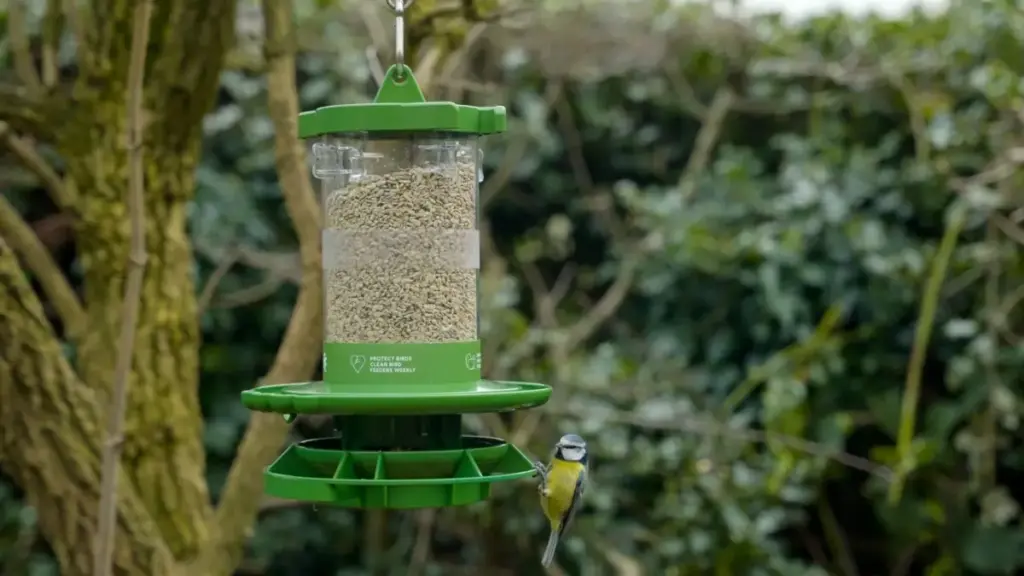
Garden bird feeding has long been cherished as a peaceful pastime, connecting households directly with local wildlife while offering a vital nutritional lifeline during periods of natural food scarcity. However, recent scientific findings are fundamentally shifting how conservationists and horticulturists view this practice. Supported by contemporary research conducted in partnership with the British Trust for Ornithology (BTO) and the Institute of Zoology, the Royal Society for the Protection of Birds (RSPB) has issued critical updates to its seasonal feeding guidelines. The core message is clear: while supplementary feeding supports garden biodiversity, high-traffic feeding stations can inadvertently become epicenters for avian disease transmission, particularly during the summer and autumn months.
At the heart of this shift is the spread of trichomonosis, a parasitic disease known to devastate populations of popular garden visitors such as greenfinches and chaffinches. The research highlights that flat surfaces—such as traditional bird tables and open bird baths—alongside poorly maintained, crowded feeders, present the highest risks for contagion. Consequently, the modern wildlife gardener must pivot away from a "feed anytime, anywhere" mindset toward a strategy summarized by two golden rules: Feed seasonally and Feed safely.

To meet these evolving standards, the marketplace has adapted dramatically. Modern bird feeders are no longer evaluated solely on their capacity to hold seed or deter squirrels; they must now incorporate advanced hygiene features, such as tool-free disassembly, antimicrobial materials, and weather-shielded hoppers that keep food dry and uncontaminated. This comprehensive product guide and analytical overview examines the latest official guidance, explores the critical context of avian health, and reviews the top-performing, disease-mitigating, and eco-friendly bird feeders available to British gardeners today.
Detailed Chronology
Understanding the current landscape of garden bird feeding requires examining how scientific consensus, manufacturer innovation, and public advisory standards have evolved over time.

- Pre-2010s: The Era of Unrestricted Feeding
For decades, general horticultural advice promoted year-round, high-volume bird feeding using standard wooden tables and open-mesh hoppers. Little attention was paid to the micro-climates inside feeders or the rate at which pathogens could transfer between visiting flocks. - The Early 2010s: Emergence of Trichomonosis Outbreaks
A sharp decline in greenfinch and chaffinch populations across the United Kingdom prompted urgent investigation by ornithological bodies. Researchers identified the parasite Trichomonas gallinae—traditionally known to affect raptors and pigeons—jumping to passerine species via contaminated garden water and feeding stations. - Mid-2010s to 2020: The Push for Hygiene and Anti-Pest Designs
Conservation groups began emphasizing cleanliness, leading to the introduction of "easy-clean" polycarbonate seed tubes and weighted, squirrel-proof mechanisms. Manufacturers began experimenting with durable metals and UV-stabilized plastics to prevent degradation. - The 2020s: Integration of Eco-Materials and Targeted Seasonal Advisories
Driven by growing environmental consciousness, brands began producing feeders from 100% recycled plastics, upcycled ocean waste, and food cartons. Concurrently, ongoing studies by the BTO, Institute of Zoology, and RSPB solidified concrete evidence regarding seasonal disease spikes in summer and autumn, culminating in the formal "Feed safely. Feed seasonally." advisory framework.
Supporting Context & Metrics
The necessity for modified feeding habits is grounded in compelling ecological data. Understanding the metrics of bird populations, disease vectors, and material sustainability helps gardeners make informed purchasing and management decisions.
- Population Pressures: British greenfinch populations have experienced severe declines over the past two decades, largely driven by the emergence and persistence of trichomonosis. Without active human intervention through rigorous sanitation, garden feeding stations risk accelerating these downward trends.
- Peak Transmission Windows: Studies confirm that the risk of parasitic and bacterial transmission peaks during the warmer months of summer and autumn. During this window, high ambient temperatures combined with moisture create ideal breeding grounds for pathogens on flat surfaces.
- Capacity and Material Metrics: Modern eco-friendly feeders demonstrate remarkable upcycling efficiency. For instance, single units like the Peckish Woodland Feast incorporate the equivalent of approximately 125 recycled food and drink cartons into their structural slate-effect roofs and suet meshes. Feed capacities typically range from compact 500g seed hoppers up to heavy-duty, high-capacity cleaner feeders holding over 1.79 liters of feed to minimize human handling frequency.
Official Statements
The updated guidance from leading conservation authorities provides a definitive framework for responsible wildlife gardening.

The RSPB Advisory Framework:
"Feed seasonally—it’s important to adjust what we feed our garden birds during the summer and autumn months when there’s a higher risk of disease spreading. Feed safely—just one infected bird can turn your busy feeder into a disease hotspot. To help keep birds healthy, we need to prioritise hygiene."
Environmental scientists and ornithologists stress that supplementary feeding should act as a bridge during times of genuine scarcity (such as late winter and early spring) rather than an unchecked year-round buffet. When feeding does occur, the onus is on the gardener to disrupt potential transmission chains through daily maintenance, fresh water provisioning, and the deployment of purpose-built hygienic equipment.

Comprehensive Product Guide: Top Bird Feeders for 2026
To assist in maintaining strict hygiene standards while welcoming a diverse array of wildlife, we have reviewed the market’s leading bird feeders across various categories.
1. Peckish 100% Recycled Woodland Feast Multi-Feeder
- Price: £29.99
- Source: Amazon
- Overview: Part of an innovative collection crafted from sustainably sourced wood and 100% recycled materials, this multi-feeder accommodates approximately 500g of seed alongside two standard suet cakes. Its slate-effect roof and sturdy mesh retainers are constructed from roughly 125 recycled food and drink cartons. It features straightforward cleaning access and arrives in entirely plastic-free packaging, making it an exceptional choice for the environmentally conscious gardener.
2. Eco-Blu Bird Feeder
- Price: £17.99
- Source: The Wildlife Community
- Overview: Manufactured from recycled ocean plastic engineered to inhibit the colonization of harmful bacteria, fungi, and microbes, the Eco-Blu is a lantern-style feeder designed with disease prevention in mind. Its transparent hopper allows for rapid visual checks of food levels, while a simple locking system enables effortless disassembly for deep cleaning. It is ideally suited for sunflower hearts, standard seeds, and kibbled nuts.
3. Finches Friend Cleaner Feeder 1
- Price: £44.99
- Source: Finches Friend
- Overview: Specifically engineered to combat the spread of avian diseases like trichomonosis—which heavily impacts finch populations—this premium feeder is robust, fully recyclable, and exceptionally easy to dismantle. Holding an impressive 1.79 liters of feed (significantly more than standard market alternatives), its internal geometry is designed to keep provisions completely clean, dry, and fresh.
4. Roamwild Pest Off Squirrel Proof Bird Feeder
- Price: £32.99
- Source: Roamwild
- Overview: For gardens plagued by grey squirrels and larger corvids, this 1.5-liter sprung feeder offers an effective mechanical solution. When a heavy pest lands on the perch, the access hatch automatically descends to block off the food source, returning to its default position once the animal departs. A built-in rain guard further prevents seed clogging and subsequent mold growth.
5. Ch-Eco Recycled Bird Feeder
- Price: £6.95
- Source: Welland Valley Feeds
- Overview: Produced in the UK in a selection of six vibrant colors, these budget-friendly, highly sustainable feeders are crafted from recycled plastics and upcycled chewing gum. Fully recyclable at the end of their lifecycle, each unit conveniently includes a complimentary bag of starter bird food, representing an accessible entry point for novice wildlife gardeners.
6. RSPB Suet Feeder and Guardian
- Price: £28.00
- Source: RSPB Shopping
- Overview: Measuring 30cm in height and 24cm in width, this compact feeder combines a high-capacity suet ball holder (accommodating up to 10 balls) with an exterior protective metal guardian cage. This design ensures that smaller, vulnerable garden birds can feed in peace, entirely excluded from larger species and predators.
7. Cleaner Peanut Feeder (Finches Friend)
- Price: £34.95
- Source: Finches Friend
- Overview: Addressing the common issue of peanuts rotting in the center of traditional wire cages, this unit features a covered, sealed container that keeps nuts dry and systematically directs them toward the feeding ports. Built from UV-stabilized, recyclable polycarbonate that resists sun-induced degradation, the removable hopper simplifies sanitation. (Note: Always ensure you use Aflatoxin-tested peanuts).
8. RSPB Ultimate Easy-Clean Seed Feeder
- Price: £13.00
- Source: RSPB Shopping
- Overview: Constructed from a durable blend of zinc alloy and a robust polycarbonate tube, the RSPB guarantees this feeder against cracking or discoloration under intense solar exposure. Available in three sizes—with the largest holding 1.5 liters of seed—it stands as an industry benchmark for reliability and ease of maintenance.
How to Choose a Bird Feeder
Selecting the ideal bird feeder requires balancing two primary variables: the target bird species you wish to attract and the physical layout of your garden.

- Tube Feeders: Best for small perching birds like tits, finches, and sparrows using sunflower seeds or mixed blends.
- Suet/Cake Feeders: Ideal for insectivorous species requiring high-energy fats, particularly during colder spells or nesting seasons.
- Guardian-Protected Feeders: Essential in areas with high populations of larger birds (such as pigeons and magpies) or squirrels, ensuring delicate species can feed securely.
Where to Put a Bird Feeder
Strategic placement is vital not only for maximizing bird sightings but also for ensuring safety from predators.
- Predator Clearance: Position feeders out of leaping range from nearby fences, walls, and dense shrubs where domestic cats or grey squirrels might lurk. A clear perimeter gives birds crucial reaction time.
- Height: Hang feeders at approximately eye level or slightly above. This height makes monitoring, refilling, and cleaning significantly easier for the gardener while keeping food visible to passing flocks.
- Shelter: Select a quiet, sheltered micro-habitat protected from prevailing winds and driving rain, which helps prevent seed spoilage and dampness.
Future Outlook
As urban expansion continues to fragment natural habitats, residential gardens will play an increasingly critical role in supporting British wildlife. However, the future of garden bird feeding must be defined by heightened ecological responsibility. The transition toward antimicrobial materials, recycled plastics, and rigorous seasonal hygiene protocols represents a maturing horticultural hobby. By adopting the RSPB’s "Feed safely. Feed seasonally." ethos and investing in modern, easy-to-clean equipment, gardeners can ensure their plots remain safe havens rather than disease vectors for generations of wildlife to come.

This Product Guide was last updated in August 2026. Prices and product availability remain subject to change by respective retailers.



