

The BirdLife Australia Photography Awards have long served as a premier showcase for the extraordinary biodiversity, ecological complexity, and sheer beauty of avian life across the continent and its surrounding sub-Antarctic territories. The 2026 competition has once again delivered an arresting visual chronicle, capturing moments of intimate behavior, brutal survival dynamics, architectural ingenuity, and the persistent friction between wildlife and expanding human civilization.

From the sub-Antarctic waters of Macquarie Island to suburban balconies in southeastern Australia, this year’s winning and commended entries transcend traditional wildlife documentation. They offer profound insights into the ecological realities shaping the modern avian world. At the heart of this year’s exhibition is a striking underwater panorama by Lachlan Hall titled Kings Down Under, which claimed the overall competition prize. Hall’s triumph, alongside an exceptional pool of category winners, underscores a golden age of Australian nature photography—one defined by technical mastery, immense personal patience, and an urgent conservation imperative.
Detailed Chronology: The Journey to the 2026 Awards
The pathway to the announcement of the 2026 BirdLife Australia Photography Awards represents a year-long cycle of fieldwork, opportunistic encounters, meticulous planning, and rigorous judging. While the final gallery was unveiled to the public on September 30, 2026, the narratives behind individual frames stretch across seasons, habitats, and distinct photographic methodologies.
The Sub-Antarctic Frontier
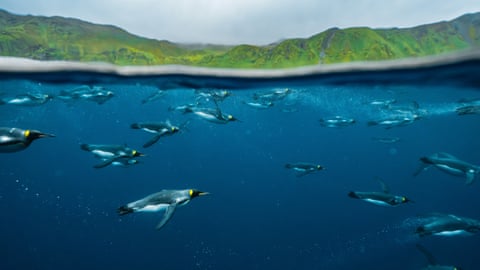
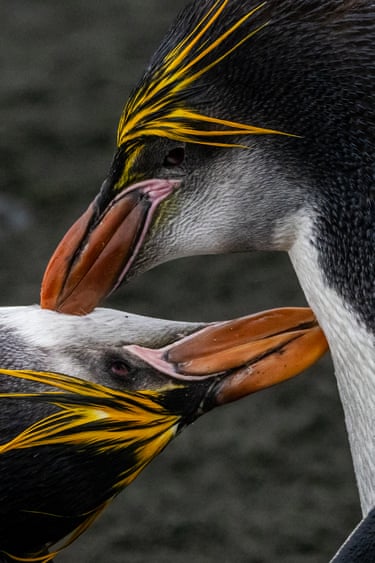
The genesis of the overall winning image unfolded in the remote, wind-scoured waters of Macquarie Island. Photographer Lachlan Hall sought to challenge the terrestrial perception of king penguins—creatures often viewed as awkward and clumsy when navigating rocky shores. By positioning himself on the edge of a small inflatable boat and dangling a camera encased in specialized underwater housing, Hall captured a fluid, high-speed ballet. His shot, Kings Down Under, reveals a pod of king penguins gliding beneath the surface with aerodynamic precision against the backdrop of the island’s lush green slopes. It marks a shift in how remote oceanic wildlife is accessed and visualized by field photographers working in hostile maritime conditions.
Forest Floor Dramas and Backyard Invasions
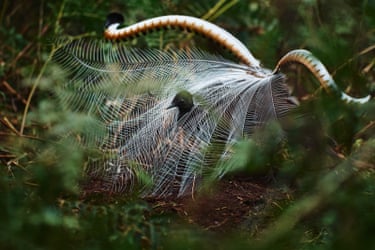
Moving northward to the wet, temperate forests of southeastern Australia, photographer Elmar Akhmetov achieved a rare milestone in avian behavioral documentation. Superb lyrebirds are renowned worldwide for their acoustic mimicry and elaborate winter mating displays, yet capturing the precise moment of their pre-copulatory ritual in still photography remains exceptionally rare. Akhmetov’s runner-up entry, It takes two to tango, preserves the fleeting instant when a male lyrebird cascades his intricate tail feathers over a visiting female, transforming the forest floor into a stage of courtship and acoustic mastery.
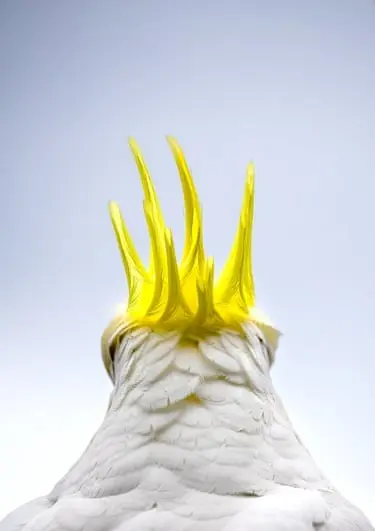
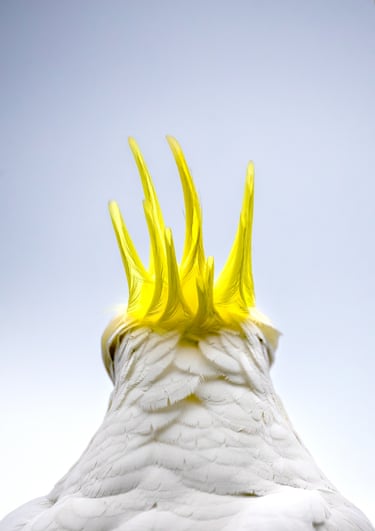
In stark contrast to the deep wilderness, suburban and semi-urban environments provided fertile ground for humorous yet telling interactions between birds and human infrastructure. In The Crown, photographer Rachelle Mackintosh utilized a break in intermittent rain showers to snap a wild cockatoo on her balcony. As the bird straightened its posture following a vigorous head shake, its comb flared into a crown-like silhouette.
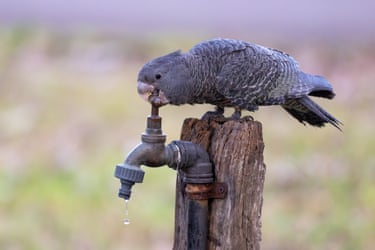
Similarly, Mark Doro’s backyard winner, Gang tackle, captures a female gang-gang cockatoo manipulating a park tap in an attempt to increase water flow. This image exemplifies the remarkable cognitive adaptability of Australian cockatoos, highlighting their capacity to navigate and exploit human-modified landscapes.
Supporting Context & Metrics: Ecological Realities and Conservation Themes
Beneath the artistic brilliance of the 2026 gallery lies a serious dialogue regarding conservation, habitat degradation, and the anthropogenic pressures altering avian behaviors across Australia.
The Human Impact Category
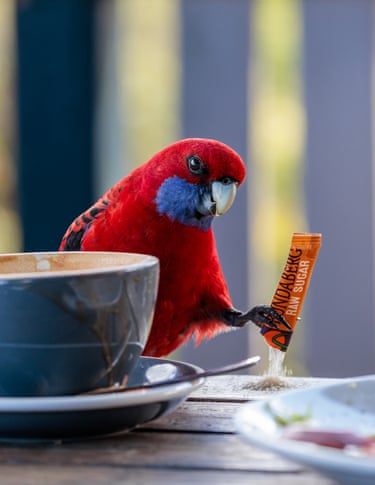
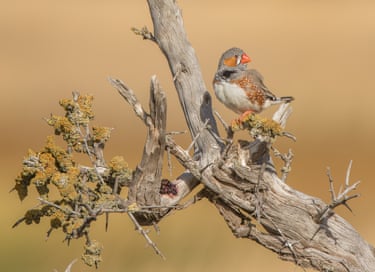
The human impact category served as a poignant reminder of the complex and frequently detrimental relationship between Australian wildlife and human society. Kylie Facey’s category-winning shot, The sugar thief, depicts a crimson rosella perched on a café table near O’Reilly’s, tearing open a sugar packet and making direct eye contact with the lens. While visually arresting and slightly comical, the image underscores a growing conservation crisis: the habituation of native birds to processed human foods. Feeding wildlife not only distorts natural foraging patterns but also exposes vulnerable populations to nutritional deficiencies and increased dependency on human-populated areas.
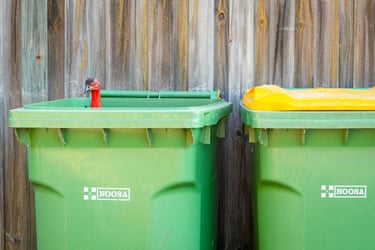
A parallel narrative of urban scavenging is captured in Emma Perry’s commended entry, Bin Turkey, which features an opportunistic brush turkey rummaging through a green waste bin while camping in Queensland. These images collectively emphasize that Australia’s unique bird species are increasingly forced to share their ecological niches with human waste and infrastructure.
Marine and Coastal Vulnerabilities
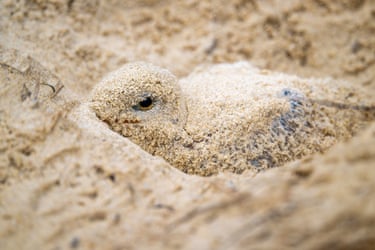
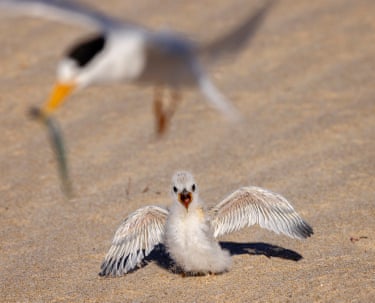
Coastal ecosystems faced intense scrutiny through the lens of dedicated conservation volunteers and field researchers. Mark Lethlean, volunteering with BirdLife Australia, monitored a colony of Caspian terns on an exposed sand spit. Following a devastating combination of severe weather events and tidal surges that decimated nests and chicks, Lethlean discovered Crumbed Sausage, an image of a mature tern chick completely camouflaged under a layer of windblown sand.
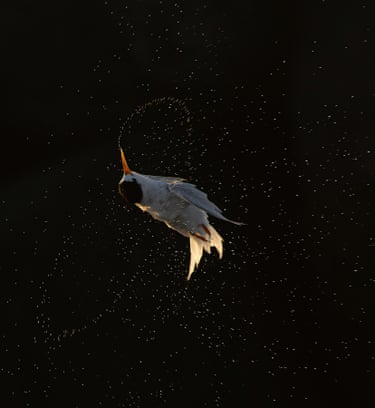
Meanwhile, Sharon Jones documented the fragile existence of endangered fairy terns breeding on a busy Mandurah beach squeezed precariously between a parking lot and a rock groyne (Is that for me?). These coastal vignettes highlight the compounding threats of sea-level rise, coastal development, and human recreational pressure on ground-nesting seabirds.
Interspecific Conflict and Adaptations
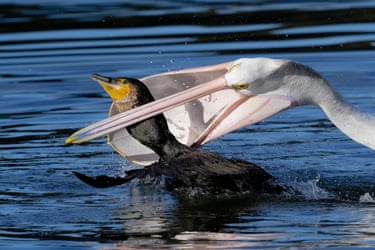
Nature’s darker, more competitive dynamics were laid bare in Greg Wyncoll’s commended photograph, Cormorant refuses to give up catch to pelican mafia. Long romanticized as cooperative partners in coastal fishing, closer observation revealed a parasitic relationship where Australian pelicans systematically shadow cormorants, ambushing them upon surfacing to force the regurgitation of freshly caught fish. Wyncoll’s technical foresight—utilizing an aperture of f/11—ensured sharp depth of field across multiple interacting avian subjects during a high-speed maritime confrontation.
Official Statements and Photographer Insights
The creators behind the 2026 winning frames provided deep technical and philosophical context for their work, illuminating the patience and precision required to secure these definitive moments in wildlife photography.
- Lachlan Hall on Kings Down Under: "On land, where we usually get to see penguins, they are awkward and clumsy and so I wanted to capture the kings of Macquarie where nature has designed them to be—flying through the ocean, swift and graceful. I captured this image by holding my camera (in an underwater housing) over the side of a small inflatable boat."
- Elmar Akhmetov on It takes two to tango: "The actual copulation was captured only a handful of times and to my knowledge the majority of those captures were done on video. I feel that I was very lucky to document this very special scene in photographs and wanted to share the experience with a wider audience."
- Kylie Facey on The sugar thief: "While the scene is comical, it’s a reminder of the harm caused by feeding wildlife. Birds like this can become too comfortable around people and reliant on food that isn’t good for them. Thankfully, the bird was quickly interrupted in its sugar heist by the waitstaff clearing the table."
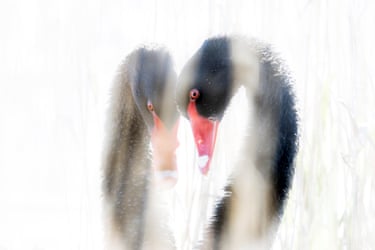
- Reeni Martinez on Impasse (featuring Australian black swans): "Here I captured two Australian black swans in some sort of graceful song and dance of disagreement… The fabulous instructor was encouraging us to play and overexpose the images and this was the result. I like the shape of the swans, that heart they make with their long necks."
Future Outlook: The Role of Wildlife Photography in Avian Conservation
As environmental pressures mount across the Australian continent—ranging from intensifying bushfire regimes and habitat fragmentation to climate-driven coastal erosion—competitions like the BirdLife Australia Photography Awards play a critical role in shaping public environmental consciousness.
The 2026 exhibition demonstrates that wildlife photography is no longer confined to static, idealized portraits of isolated subjects. Instead, it has evolved into a vital tool for ecological storytelling. By documenting intimate reproductive rituals, the harsh realities of interspecies competition, and the undeniable imprint of human civilization on natural habitats, these photographers provide tangible evidence of what is at stake.

Moving forward into the latter half of the decade, the intersection of citizen science, conservation volunteering (exemplified by contributors monitoring vulnerable tern and shorebird colonies), and high-end visual documentation will remain foundational to protecting Australia’s diverse avifauna. The 2026 awards stand as a testament to the resilience of nature, the brilliance of modern field photography, and an ongoing call to action for the preservation of fragile ecosystems from the sub-Antarctic islands to the suburban backyard.



