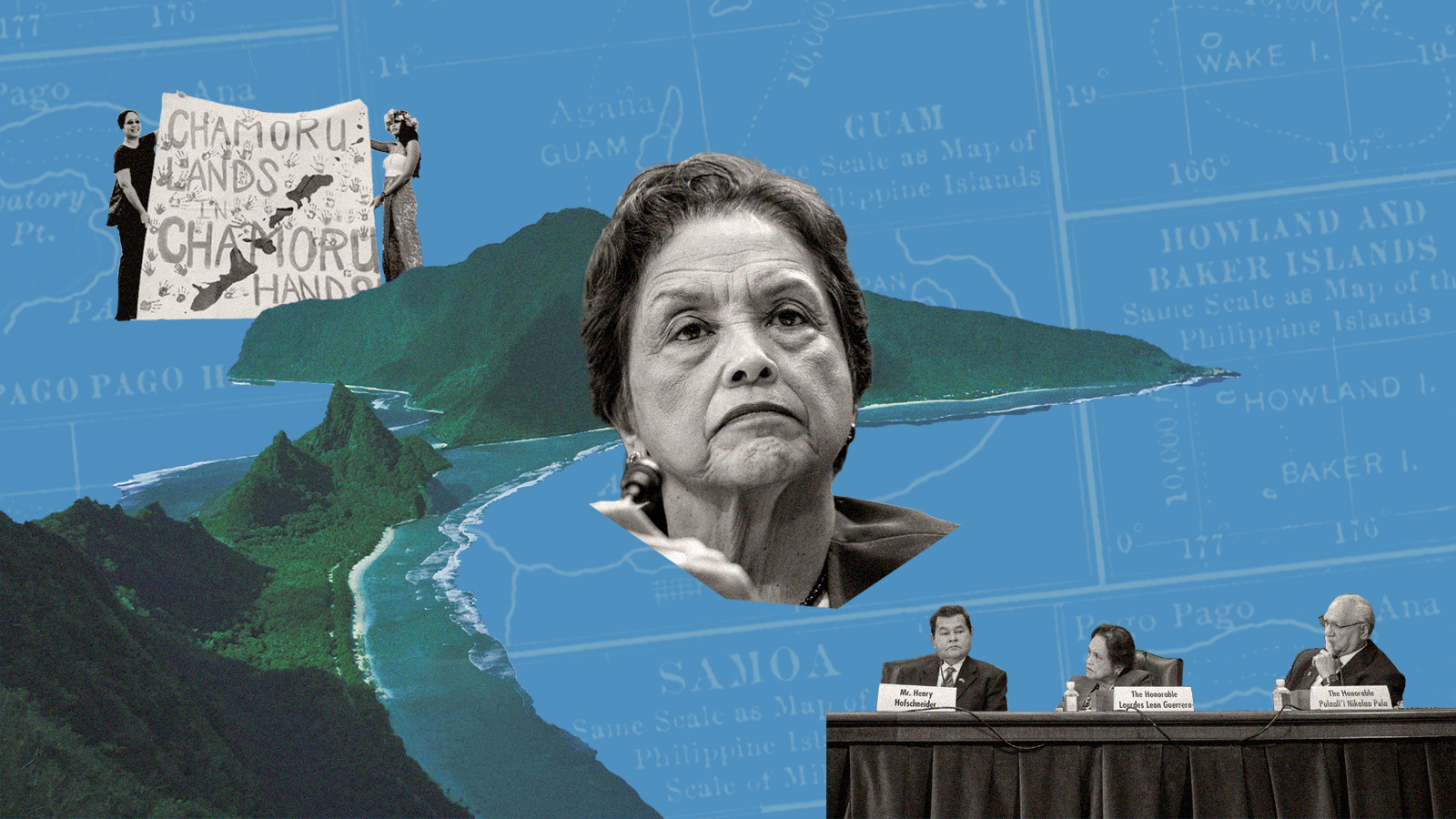
For over a century, the island of Guam has served as the strategic linchpin of American military power in the Indo-Pacific—often poetically described by defense planners as the "tip of the spear." But for the Indigenous CHamoru people and residents who call the region home, that strategic positioning carries a heavy, systemic, and frequently toxic price.
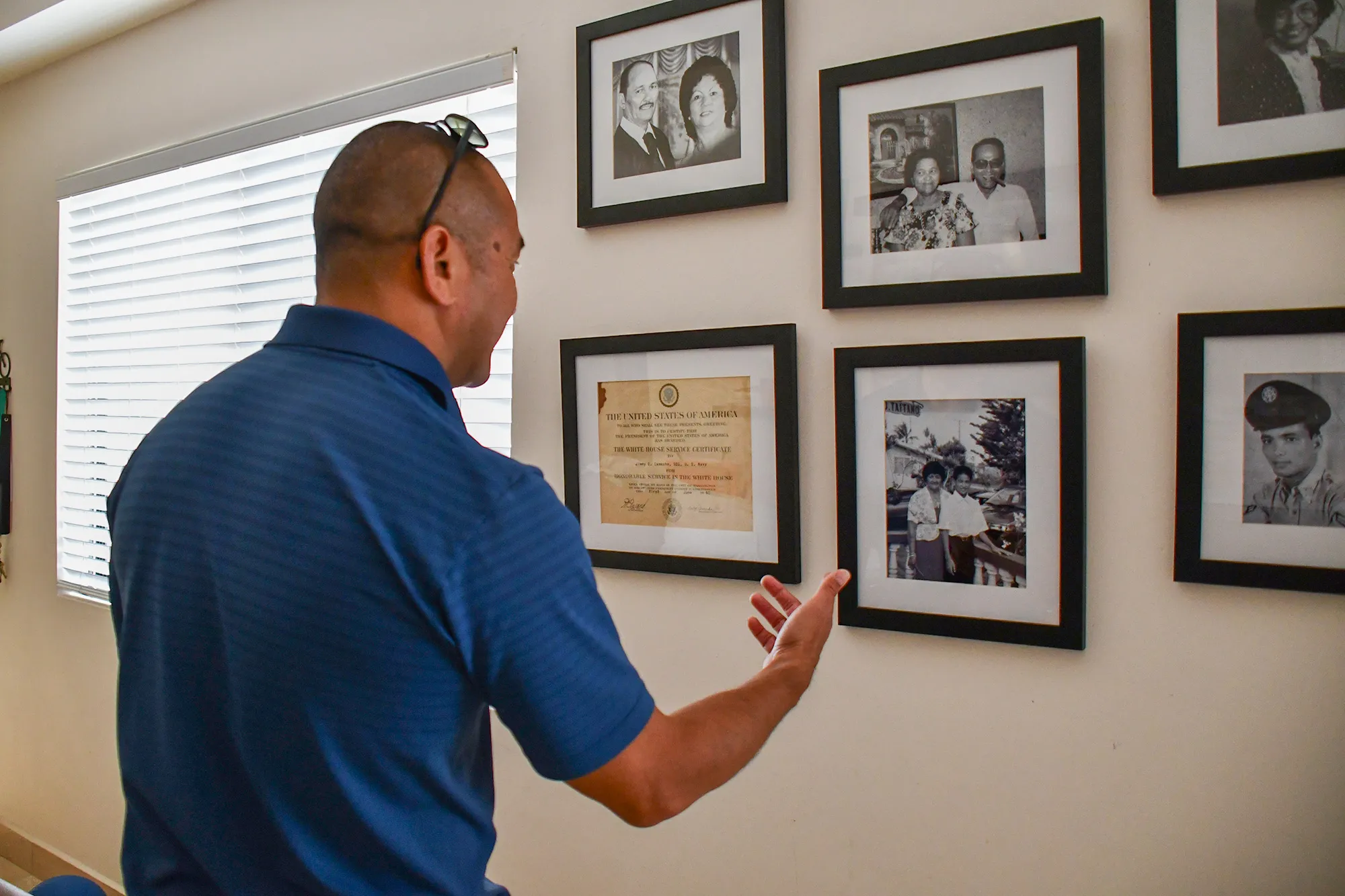
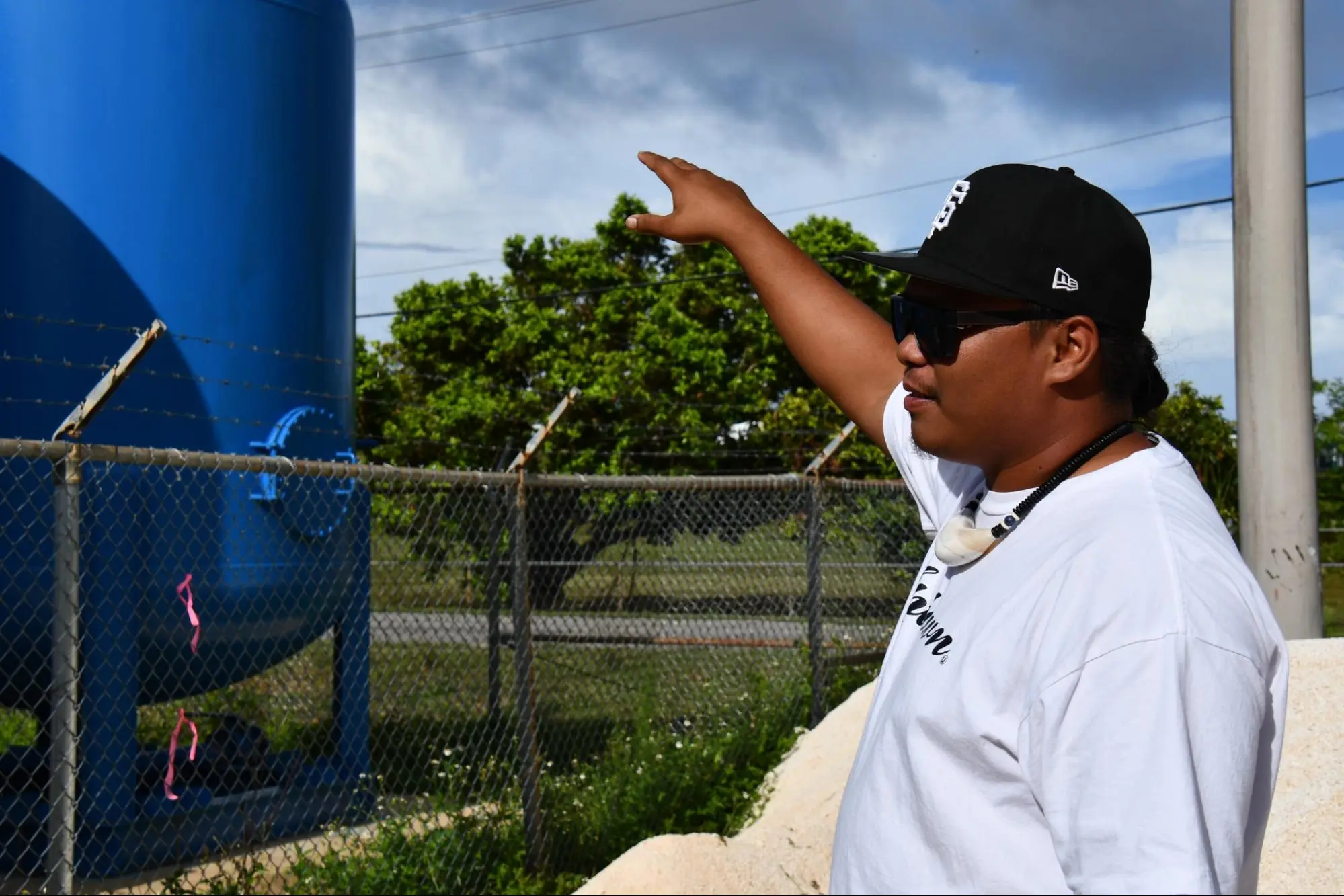
This tension crystallized for Leevin Camacho, a prominent environmental lawyer and former Attorney General of Guam, when he received a routine text message from his mother while brushing his teeth. The municipal water authority had issued an emergency bulletin for his village of Yigo: heavy contamination of dieldrin, a persistent organochlorine insecticide banned by the United States in 1987. The advisory was blunt, warning of increased cancer risks, liver damage, and a bold-lettered mandate: DO NOT DRINK.
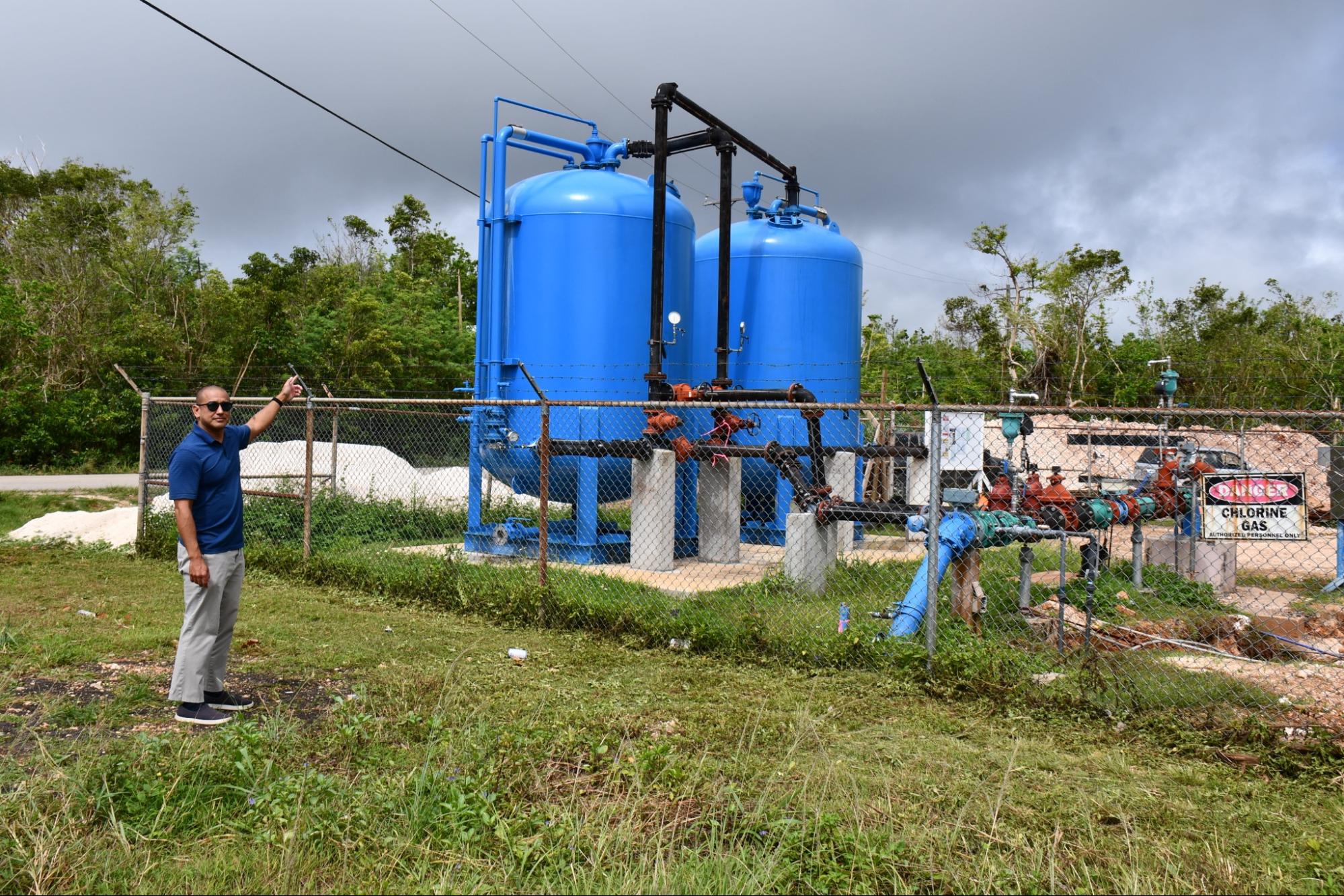
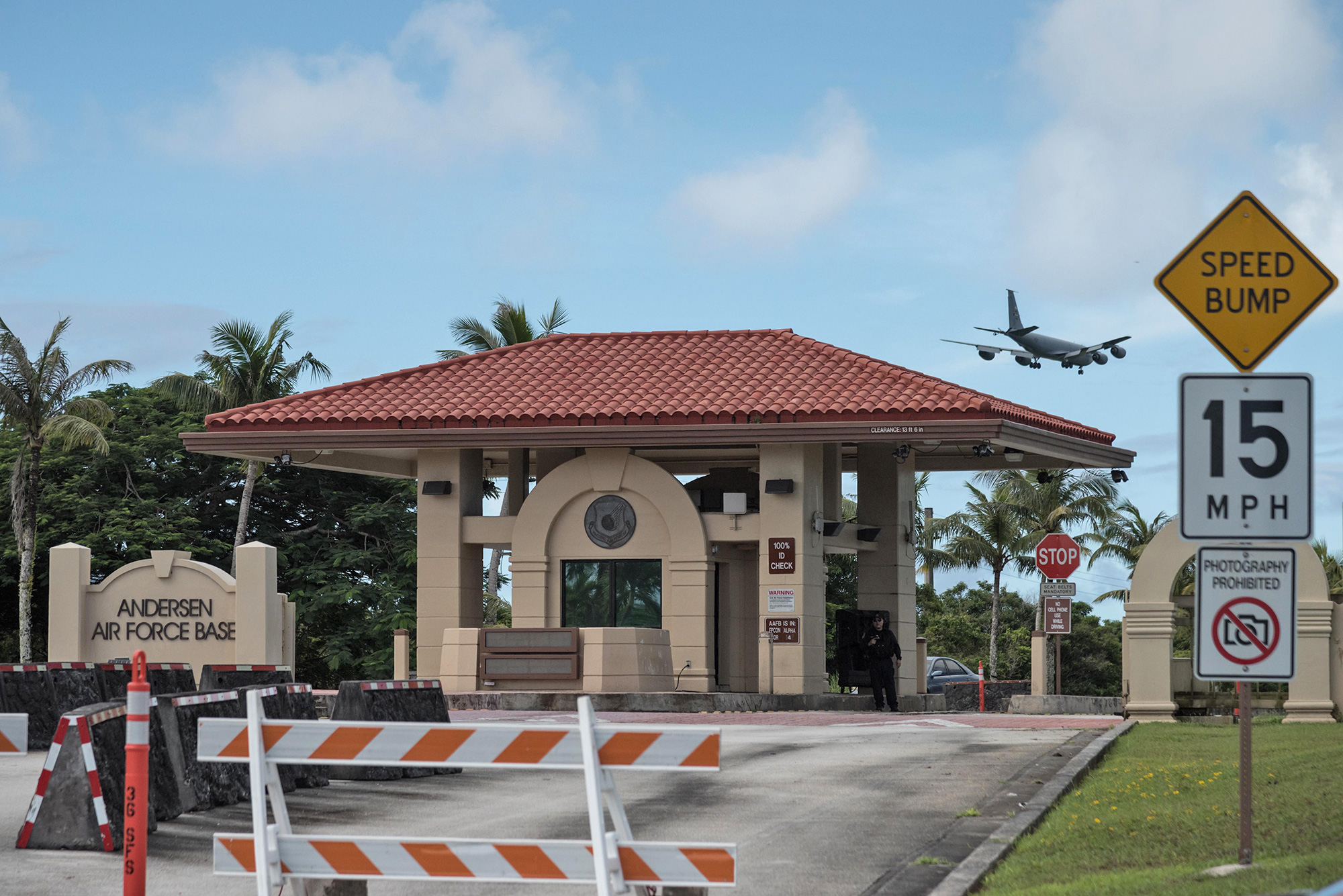
As Camacho looked at his children washing their faces at the sink, the grim reality set in. For nearly their entire lives, his family—like thousands of others in northern Guam—had been cooking with, drinking, and bathing in water contaminated by dangerous chemicals linked to the adjacent U.S. Air Force base.
What is happening in Yigo is not an isolated incident. It is a microcosm of a massive, multi-billion-dollar Indo-Pacific military buildup that is reshaping Guam, the Federated States of Micronesia, Palau, and the Northern Mariana Islands. As the Pentagon rapidly expands its footprint to counter rising geopolitical tensions with China, local communities are bearing the brunt of environmental degradation, unexploded ordnance, cultural desecration, and the looming threat of becoming collateral damage in a modern theater of war.
Detailed Chronology: From Colonial Footprint to Toxic Fallout
A Legacy of Strategic Occupation
Guam’s modern predicament is deeply rooted in centuries of layered colonization. Settled roughly 3,500 years ago by seafarers navigating by the stars, the island later became a hub for Spanish colonization beginning in 1521, followed by a transfer to U.S. sovereignty after the Spanish-American War in 1898. Early naval governors suppressed Indigenous culture, burning CHamoru language books and denying residents full civil rights.
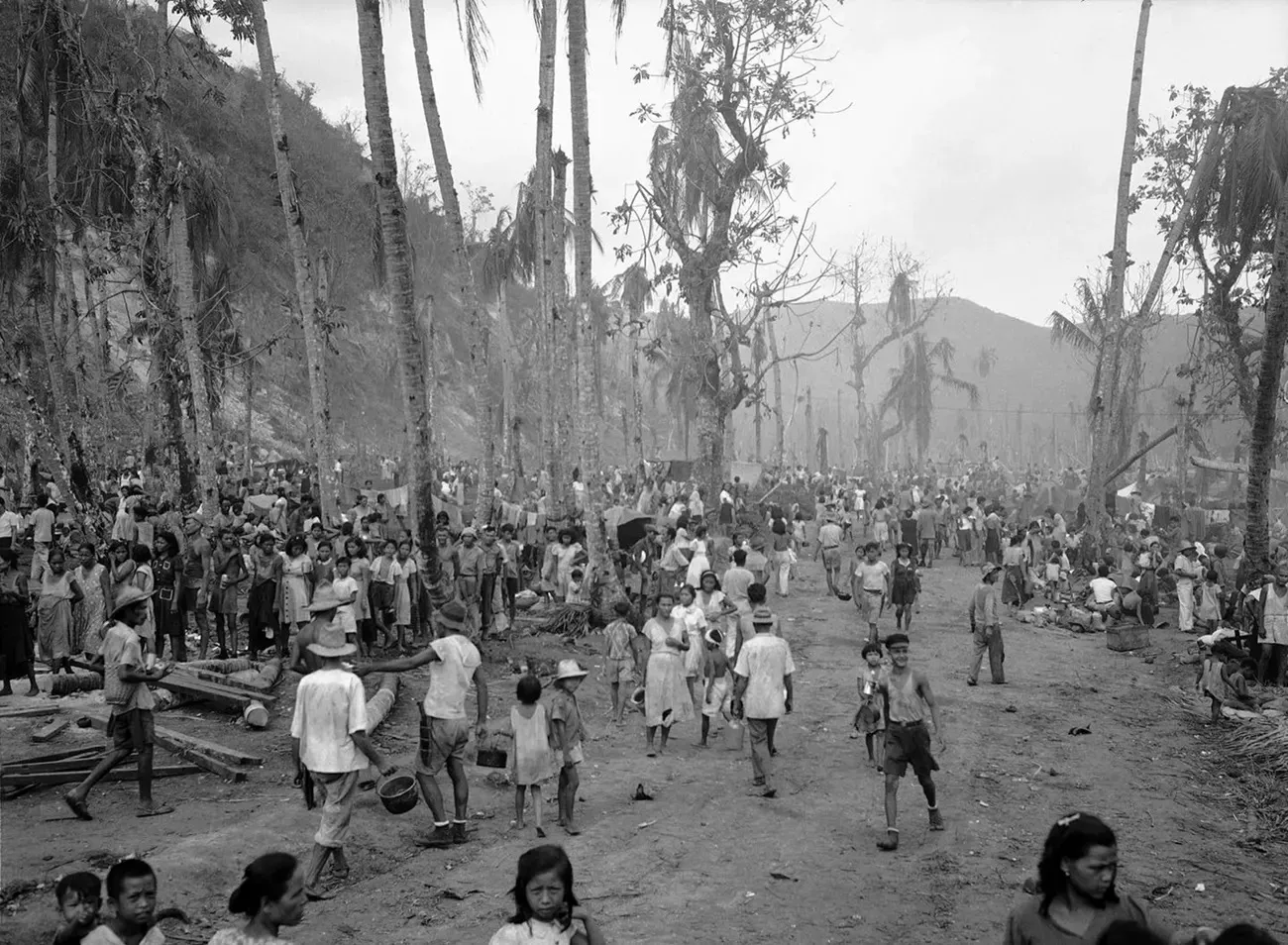
The defining trauma of the 20th century arrived on December 8, 1941, when Japanese forces invaded Guam simultaneously with their attack on Pearl Harbor. For nearly three years, roughly 20,000 CHamorus endured brutal forced marches, labor camps, malnutrition, and atrocities, resulting in more than a thousand deaths. When American forces retook the island in 1944 in the fierce Battle of Guam, they were greeted as liberators—a narrative of salvation that defined generations.
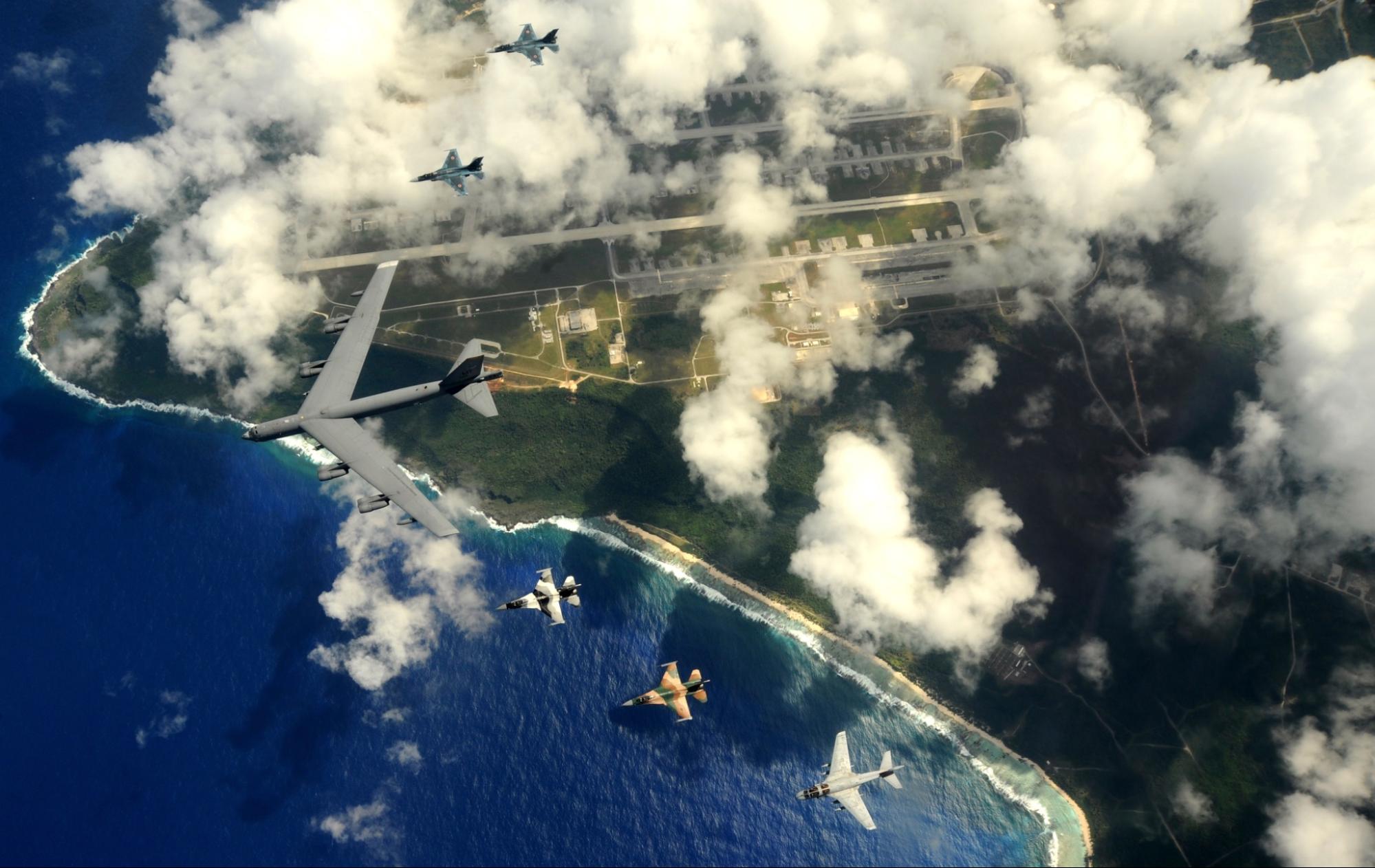
However, liberation immediately gave way to mass displacement. Following World War II, the U.S. Navy seized roughly two-thirds of the island’s landmass to construct airfields, storage depots, and communication hubs. Families were relocated to concentration camps like Manenggon, and the landscape was radically altered. Invasive species, such as the tangan-tangan tree, were seeded by the military to rapidly reforest bombed terrain, permanently transforming local ecosystems.
The Modern Buildup and Environmental Awakening
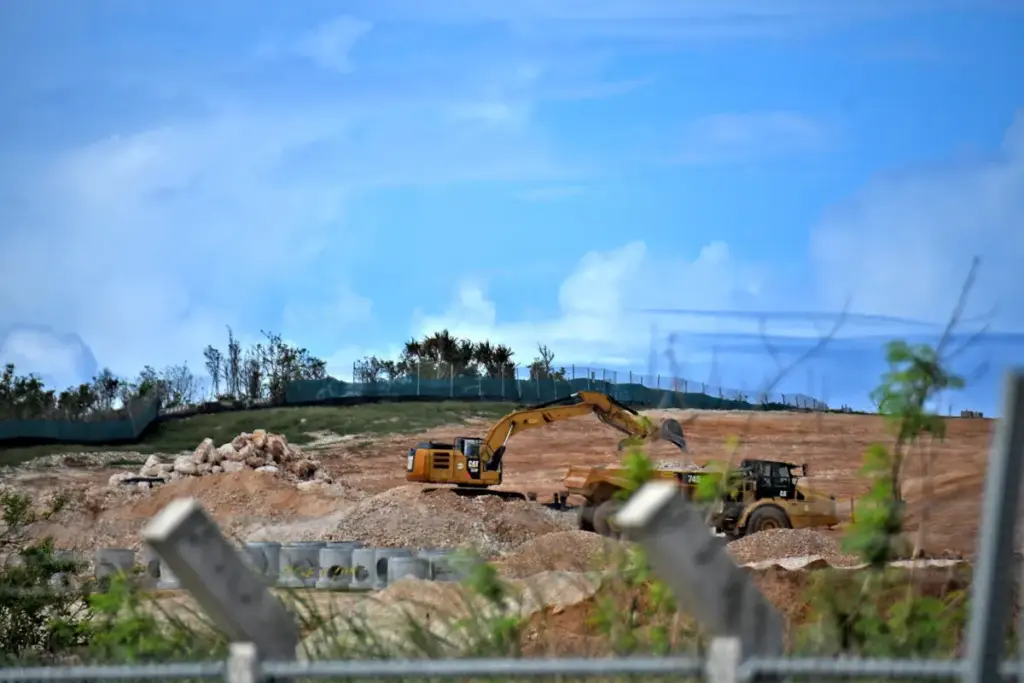
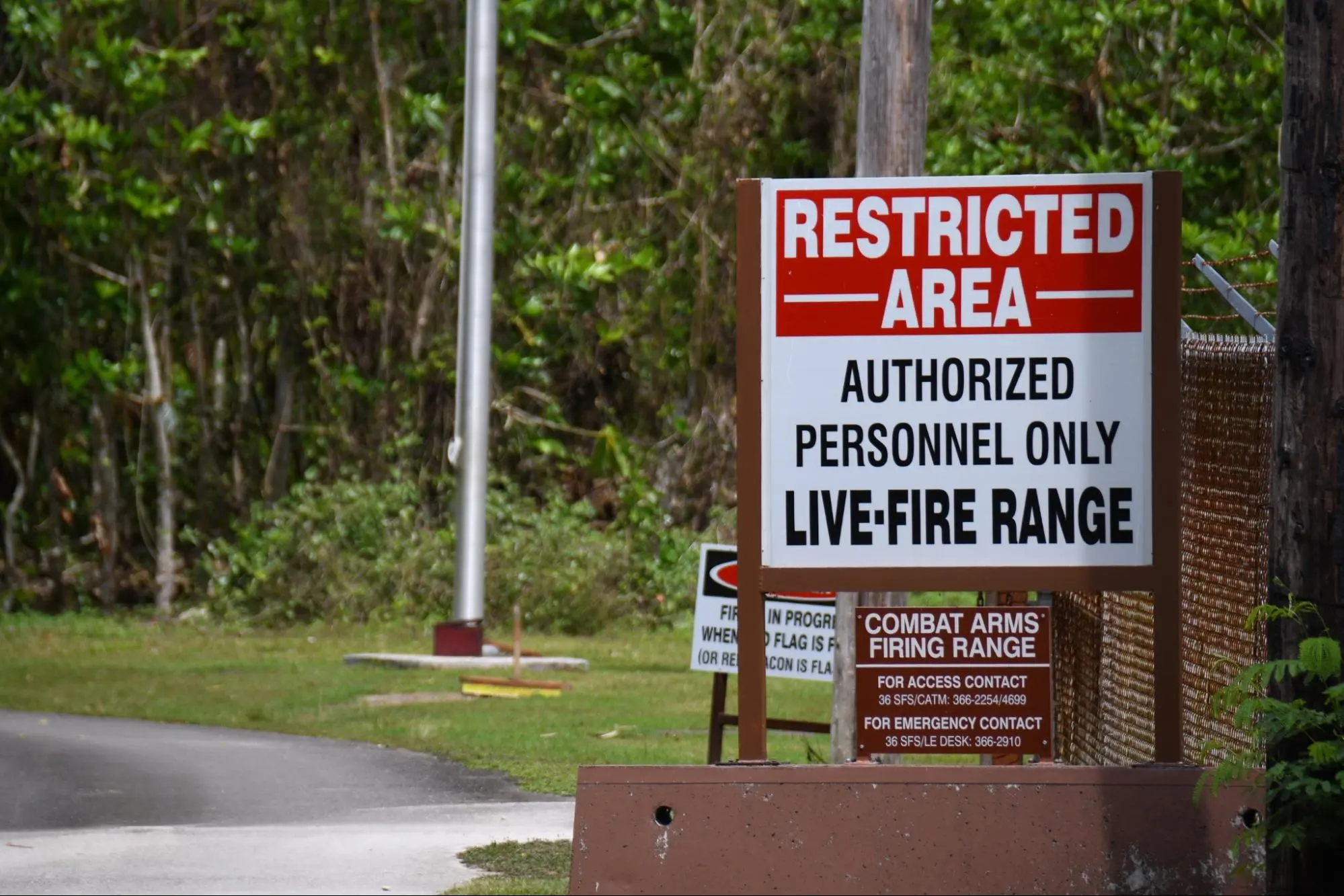
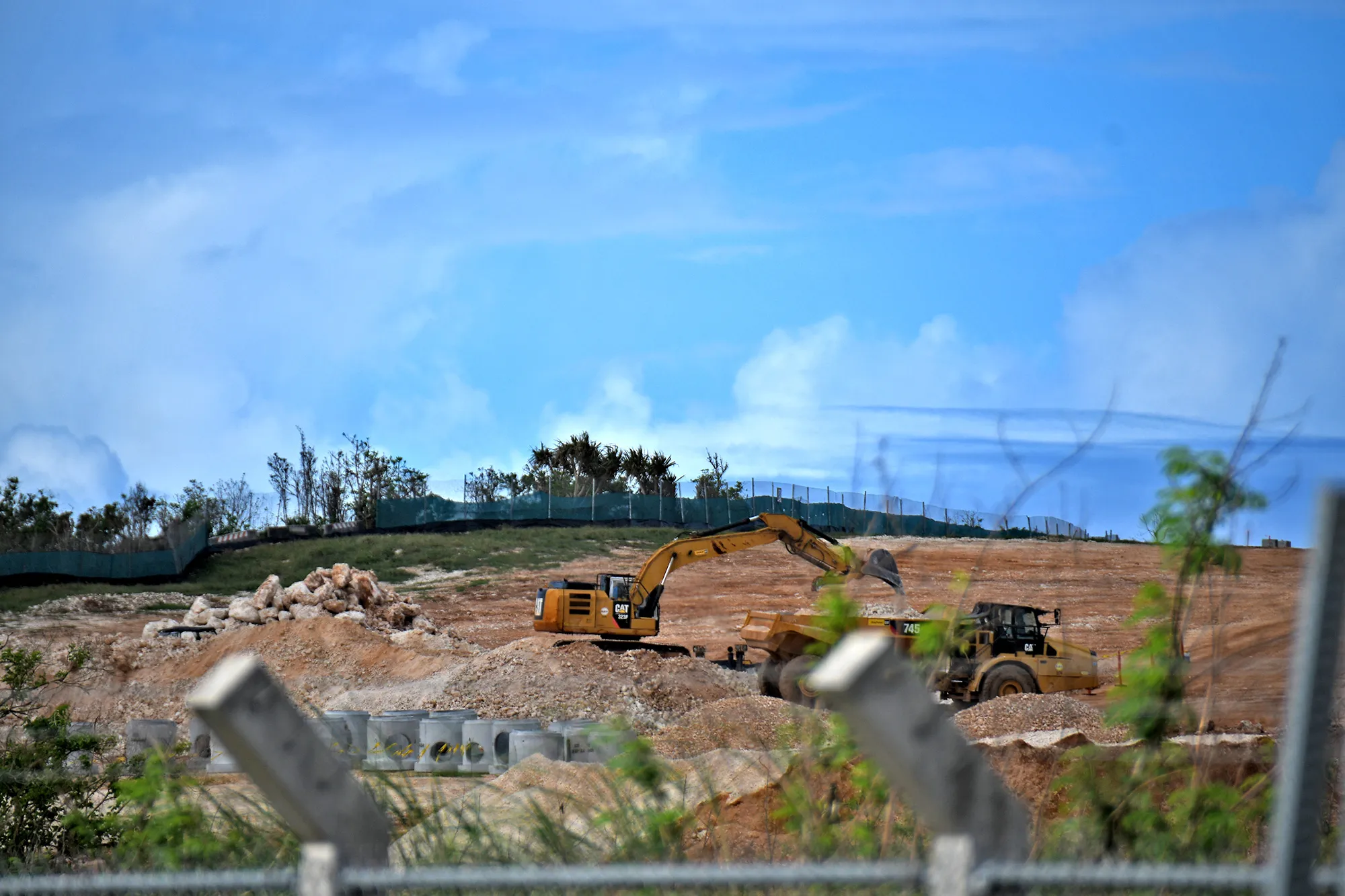
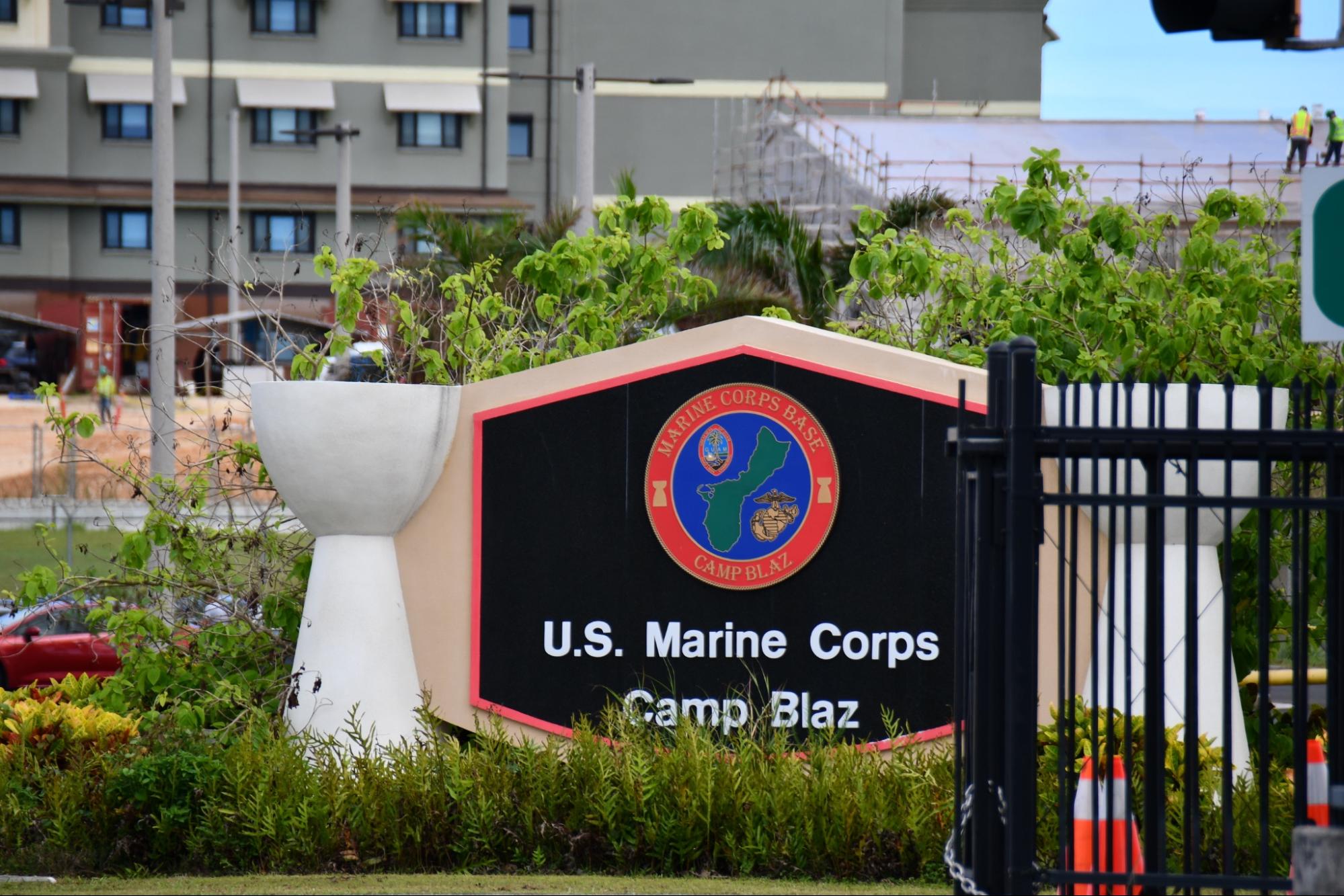
Fast forward to the 21st century, and the military presence is scaling up exponentially. The Pentagon initiated plans to transfer thousands of U.S. Marines from Okinawa to Guam, resulting in the activation of Marine Corps Base Camp Blaz, alongside the construction of new machine-gun ranges, missile defense batteries, and harbor upgrades.
For Camacho, the awakening happened gradually. Once a corporate lawyer caught up in the daily grind of student debt and careerism, Camacho began scrutinizing the hundreds of pages of environmental impact statements tied to the military’s expansion. A turning point arrived when he realized that a proposed influx of tens of thousands of service members and personnel would strain local aquifers to the breaking point—prompting a military plan to divert "surplus" water from Andersen Air Force Base to civilian sectors while simultaneously threatening local resources.
Along with fellow activists and organizations like We Are Guåhan and Prutehi Guåhan, Camacho fought back. In 2010, he successfully sued to halt a machine-gun range at Pägat, an ancient CHamoru village home to millennia-old latte stones. Later, as Guam’s elected Attorney General (2018–2022), he led a historic lawsuit that went all the way to the U.S. Supreme Court, which unanimously ruled in 2021 that the federal government could be held accountable for an abandoned hazardous waste site, culminating in a $48.9 million settlement for the Ordot Dump cleanup.
The Dieldrin Crisis in Yigo
Despite legal victories, the physical footprint of militarization continues to generate severe liabilities. Last fall’s dieldrin contamination discovery in Yigo exposed a ticking environmental time bomb. Records indicate that high levels of the banned insecticide had been detected in local wells since at least 2008, while Andersen Air Force Base had listed dieldrin as a "chemical of concern" in internal documents dating back to 1993.
While the Pentagon’s Joint Region Marianas has launched investigations into the pollution, local officials and residents remain furious. Camacho’s firm has helped file more than 700 claims totaling $360 million against local authorities, aiming to force accountability and compel federal compensation. Pedro Blas, the vice mayor of Yigo, notes that generations of residents grew up drinking tap water under the constant assurance from authorities that it was safe, leaving families terrified of long-term cancer risks.
Supporting Context & Metrics
The militarization of Micronesia is backed by massive capital infusions, but the economic benefits mask severe structural and ecological vulnerabilities.
Land Ownership: The U.S. military still owns roughly 25% of Guam’s total land area, heavily dictating civilian infrastructure, traffic patterns (such as the six-lane Marine Corps Drive), and emergency access.
Economic Impact vs. Cost of Living: While the Pentagon’s spending adds roughly 75 cents to Guam’s GDP for every dollar spent—boosting retail sectors, shopping malls, and high-rise developments—it has severely distorted the local housing market. The median home price on Guam has skyrocketed from around $216,100 in 2010 to approaching half a million dollars today.
Population Expansion: The total military population on Guam—comprising active-duty personnel, civilian contractors, and dependents—is projected to climb from approximately 20,600 to 29,400 by 2037.
Regional Sprawl: The buildup extends far beyond Guam. In the Federated States of Micronesia (such as Yap), Palau, and the Northern Mariana Islands (such as Tinian), the U.S. military is dredging marine protected areas, expanding airfields, and planning live-fire training ranges that threaten sacred burial sites, ancient tombs, and delicate coral reefs.
Official Statements
The conflict on Guam reflects a profound philosophical chasm between national security imperatives and local self-determination.
Rear Admiral Brett Mietus, Commander of Joint Region Marianas:
Defending the military’s immense regional footprint, Mietus emphasized that the Department of Defense is strictly adhering to environmental regulations while investing billions of dollars to protect the island from advanced geopolitical threats.
"We spend a lot of time and we spend a lot of money making sure that we meet every U.S. regulation when it comes to anything that we’re going to do here," Mietus told reporters. "We’re meeting every letter of every law… while we’re spending a ton of money to defend this island from the most advanced missiles in the world."
Governor Lou Leon Guerrero of Guam:
Recognizing the economic realities of the island’s relationship with Washington, Governor Leon Guerrero advocates for pragmatic negotiation rather than flat resistance, pushing the federal government to fund critical civilian needs like upgraded hospitals and hardened power grids.
"These guys can yell and scream all they can," she said regarding local activists. "They’re going to do the military buildup regardless, right? So why don’t we work with them and see how we can benefit?" She also voiced existential concerns regarding regional threats: "If I’m going to have a choice, I’d rather be under the U.S. than China."
Monaeka Flores, Executive Director of Prutehi Guåhan:
Offering a sharply contrasting view from frontline activists, Flores questions the fundamental safety and humanity of being treated as geopolitical pawns.
"What are they really here to protect if there’s so much harm taking place? Are we just collateral damage? Because just looking at our history of being occupied by war, being used for weapons testing, it feels like the message is that we don’t matter. Our future doesn’t matter. Our survival doesn’t matter."
Future Outlook: A Region at the Crossroads
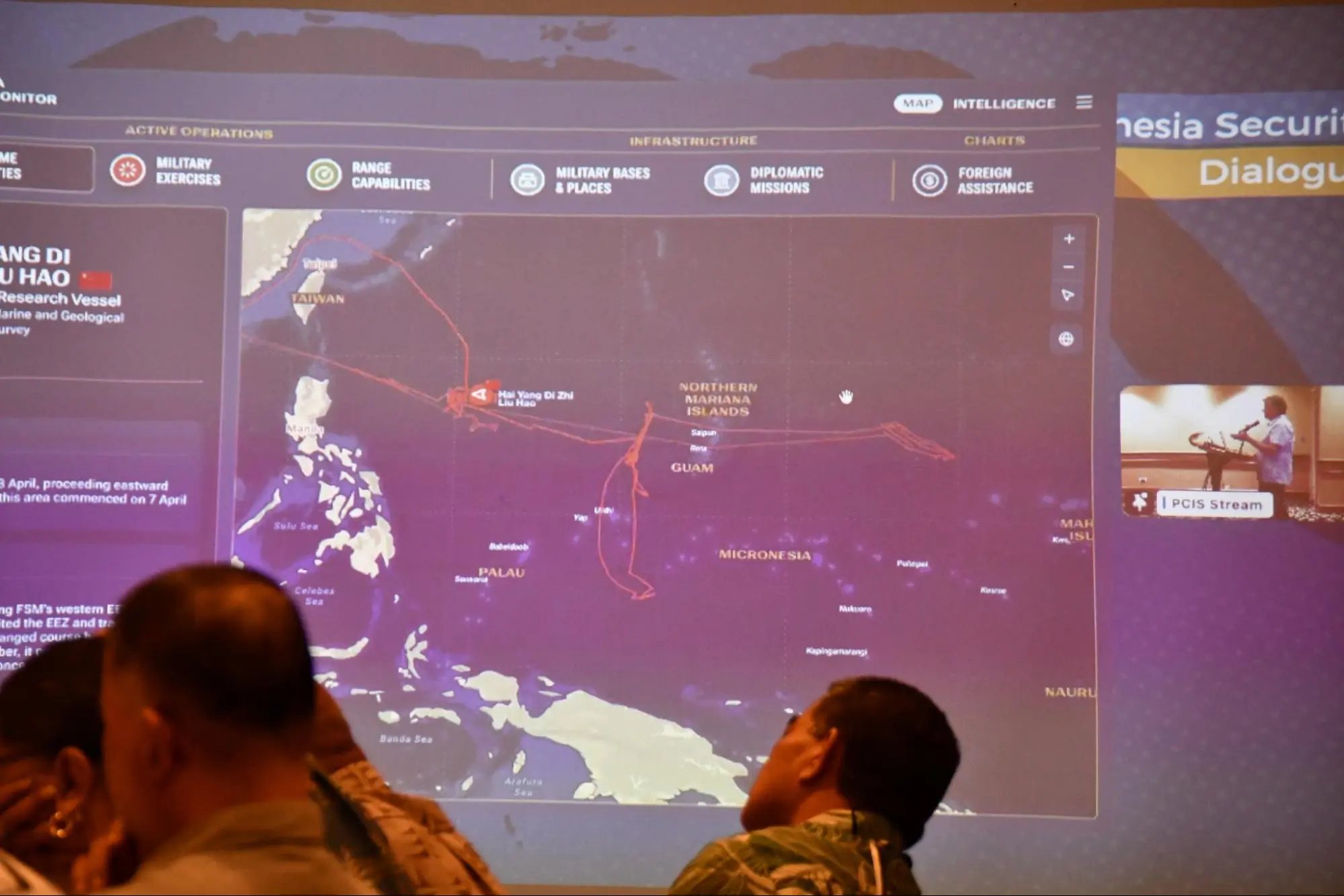
As geopolitical competition between the United States and China intensifies—underscored by Chinese naval missile tests passing near Guam and billions allocated for new missile defense architectures—the Pacific Islands find themselves directly in the crosshairs of a potential global conflict.
For leaders like Leevin Camacho, the path forward requires an unyielding insistence on accountability, legal pressure, and ultimately, political self-determination. Whether fighting toxic chemical leaks in Yigo, challenging dredging projects in Yap, or holding federal agencies accountable for historic waste, Camacho remains committed to ensuring his children have a safe and livable home.
"I’m going to try to do the best that I can to protect my island and to have a safe place for my kids to want to live on Guam," Camacho reflects. "Guam is home—there is nowhere else we are going to be."
The fundamental question facing Washington and the Pacific is whether indigenous populations will continue to absorb the environmental and existential costs of empire, or if the United States will finally be forced to treat the citizens of its territories not merely as strategic real estate, but as human beings whose survival matters.