

Executive Overview
In a landmark development for conservation in the heart of the English Midlands, the Staffordshire Wildlife Trust has announced the monumental expansion of one of its most prized ecological assets. Jackson’s Coppice and Marsh Nature Reserve, nestled near the historic market town of Eccleshall, is set to double in physical size, growing from its current footprint into a sprawling sanctuary for local biodiversity. This unprecedented growth has been made possible through a remarkably generous financial gift left in the last will and testament of a dedicated legacy donor and lifelong trust supporter, the late David Aldred.
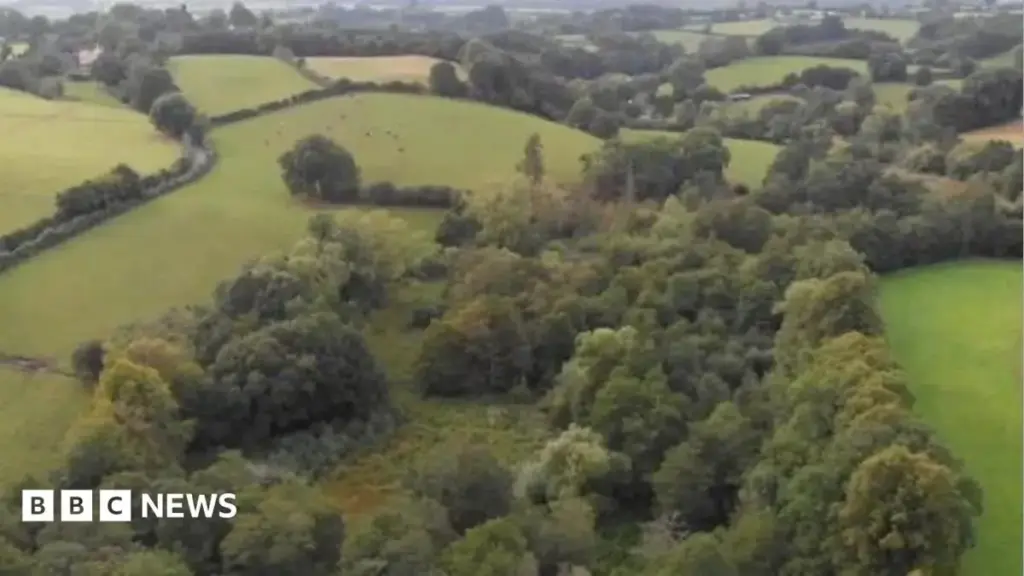
The acquisition encompasses a vital mosaic of rich, biodiverse habitats, including sensitive wet woodland, delicate marshland, and expansive pastureland stretching south of the River Sow. By integrating these new parcels of land into the existing reserve, the Staffordshire Wildlife Trust is not merely increasing its acreage; it is fundamentally enhancing the region’s ecological resilience.
At a time when British wildlife faces compounding pressures from habitat fragmentation, intensive agriculture, and the accelerating impacts of climate change, this expansion offers a beacon of hope. The project is designed to deliver a dual benefit: maximizing the ecological potential of the floodplain for flora and fauna while simultaneously engineering natural flood management solutions to protect vulnerable human communities downstream. With plans already underway to introduce new public footpaths, open up immersive nature trails, and actively manage the landscape through traditional conservation methods like coppicing, this bequest ensures that David Aldred’s passion for the natural world will translate into a living, breathing legacy for generations to come.
Detailed Chronology of the Acquisition
The Genesis of a Legacy: The Vision of David Aldred
The story of this remarkable expansion begins not in the muddy banks of the River Sow, but in the quiet, reflective planning of a dedicated conservationist. David Aldred, a steadfast supporter of the Staffordshire Wildlife Trust during his lifetime, understood the precarious state of Britain’s native habitats. Recognizing that modern conservation requires long-term financial security, Aldred made the profound decision to remember the Trust in his will.
While legacy gifts—commonly known as gifts in wills—are the lifeblood of the UK’s charitable conservation sector, occurrences of land-enlarging proportions are relatively rare. Aldred’s bequest was structured in such a way that provided the Trust with the precise financial agility required to secure adjacent parcels of land as they became available on the open market. Over months of delicate negotiations, legal due diligence, and logistical planning, the Trust successfully finalized the purchase, bringing the vision of an enlarged Jackson’s Coppice and Marsh from an aspirational concept into reality.
Unlocking the Landscape: Integrating Wet Woodland and Pasture
The newly acquired terrain immediately adjacent to the existing Jackson’s Coppice and Marsh reserve introduces a dramatically different topographical and ecological profile to the site. The expansion parcels include a rich expanse of wet woodland—an increasingly rare and threatened habitat type in the UK characterized by waterlogged soils and specialized tree species—alongside critical marshland ecosystems.
Furthermore, the acquisition incorporates significant stretches of open pastureland situated directly south of the River Sow. This juxtaposition of dense woodland, saturated marsh, and open pastoral ground creates a complex ecotone—a transitional zone between different ecosystem types that is notoriously rich in biodiversity.
Immediately following the finalization of the land transfer, Staffordshire Wildlife Trust ecologists and land management teams deployed to the site to conduct exhaustive baseline surveys. These surveys cataloged existing flora and fauna, mapped hydrological pathways, and identified priority areas for immediate conservation intervention. The integration of this land marks the transition from a fragmented landscape management approach to a cohesive, landscape-scale conservation strategy that treats the river valley as an interconnected whole.
Supporting Context & Metrics: Ecology, Hydrology, and Community Impact
The Ecological Blueprint: Restoring the Floodplain
The science behind the expansion of Jackson’s Coppice and Marsh is rooted in proactive habitat restoration and active management. Under the stewardship of the Staffordshire Wildlife Trust, the newly acquired floodplain land will undergo targeted ecological interventions designed to maximize its biodiversity value.
A cornerstone of this management plan involves traditional woodland craft: the coppicing of mature alder trees and the strategic management of aggressive willow growth. By systematically cutting alder trees down to ground level and allowing them to regrow from the stump (a centuries-old forestry practice known as coppicing), conservationists can prevent the woodland canopy from becoming too dense. This periodic harvesting lets sunlight pierce through to the forest floor, awakening dormant seed banks and encouraging a vibrant understory of wildflowers, sedges, and ferns.
These micro-habitats are vital for a vast array of species. The damp, shaded environments beneath the coppiced alders and the structural complexity of managed willow thickets provide critical nesting sites, foraging grounds, and migration corridors for amphibians, small mammals, declining bird populations, and specialized invertebrates.
[Traditional Land Management: The Coppicing Cycle]
   Mature Alder Trees
        │
        ▼ (Strategic Harvesting)
   Stump Regeneration (New Shoots)
        │
        ▼
   Sunlight Reaches Forest Floor
        │
        ▼
   Vibrant Understory & Increased Biodiversity
Climate Resilience and Natural Flood Management
Beyond its intrinsic ecological value, the newly incorporated floodplain plays an indispensable hydrological role. In an era marked by increasingly volatile weather patterns and extreme precipitation events driven by climate change, downstream communities face escalating risks of severe flooding.
Historically, many British rivers have been artificially straightened, embanked, and disconnected from their natural floodplains to maximize agricultural efficiency or urban development. However, this hard-engineering approach often exacerbates downstream flooding by accelerating water velocities.
By bringing this expanse of land south of the River Sow into conservation ownership, the Staffordshire Wildlife Trust is restoring the river’s functional relationship with its floodplain. Under the Trust’s guidance, the land will act as a natural sponge during heavy rainfall events. When the River Sow swells, water will spill naturally onto the low-lying pastures, wet woodlands, and marshes, where its forward momentum will be drastically slowed by dense vegetation, uneven terrain, and natural debris dams.
This process—known as Natural Flood Management (NFM)—effectively attenuates peak river flows, lowering flood crests and significantly reducing the risk of inundation for residential and commercial properties situated further downstream. It is a cost-effective, sustainable, and nature-based solution to a modern climatic crisis.
Enhancing Public Access and Engagement
Conservation is most successful when local communities are given the opportunity to experience, appreciate, and connect with the natural world on their doorstep. Recognizing this, the expansion of Jackson’s Coppice and Marsh is not being executed behind closed gates.
The Staffordshire Wildlife Trust has incorporated comprehensive public access plans into the acquisition framework. New public footpaths are currently being mapped and constructed across the newly integrated land. These pathways will weave seamlessly into the existing trail network of the original reserve, offering visitors an extended, immersive journey through diverse ecological zones.
Whether it is walking alongside the meandering bends of the River Sow, navigating the atmospheric boardwalks of the wet woodland, or observing seasonal wetland birds from newly established vantage points, the expanded reserve promises to be a premier destination for local hikers, birdwatchers, photographers, and families. By opening up these new trails, the Trust is fostering a deeper sense of environmental stewardship among the public, ensuring that the next generation remains committed to protecting our shared natural heritage.
Official Statements and Expert Perspectives
The profound significance of David Aldred’s bequest and the resulting expansion of Jackson’s Coppice and Marsh has drawn praise from conservation leaders across the region.
Speaking on behalf of the organization, Jeff Sim of the Staffordshire Wildlife Trust articulated the transformative nature of the gift:
"This is fantastic news for wildlife and a wonderful example of how gifts in wills can create lasting change for nature. David Aldred’s generous support has given us a once-in-a-generation opportunity to rewrite the future of this landscape."
Sim emphasized that the strategic positioning of the acquired land enables a paradigm shift in how the Trust approaches regional conservation:
"We can now restore habitats on a much bigger scale, making more of a difference to the wildlife that relies on these places to live, feed, and breed. When you secure land of this caliber, you aren’t just buying acres—you are buying time, stability, and a future for species that have nowhere else to go."
Independent conservation analysts have similarly lauded the project, noting that legacy-funded land acquisitions represent one of the most reliable mechanisms for expanding the UK’s fragmented Nature Recovery Network. By bridging gaps between isolated pockets of habitat, projects like the expansion of Jackson’s Coppice and Marsh directly contribute to national biodiversity targets and ecological connectivity goals.
Future Outlook: The Road Ahead for Jackson’s Coppice and Marsh
As the ink dries on the land acquisition agreements and the initial phase of baseline ecological surveys concludes, the Staffordshire Wildlife Trust is looking toward an ambitious future for Jackson’s Coppice and Marsh.
The coming months and years will witness the systematic rollout of the Trust’s management blueprint. Volunteers, field ecologists, and contractors will collaborate on the ground to implement the first rounds of alder coppicing and willow management, carefully timing interventions to avoid disturbing nesting bird seasons. Simultaneously, hydrological monitoring equipment will be installed across the floodplain to measure the precise impact of the restored land on river flow rates and downstream flood mitigation.
On the public engagement front, the construction of the new footpaths and associated interpretive signage will proceed with sensitivity to the fragile wildlife populations inhabiting the reserve. The Trust aims to create a balanced infrastructure that invites human curiosity while maintaining undisturbed core sanctuary zones where sensitive species can thrive away from human disturbance.
Ultimately, the doubling in size of Jackson’s Coppice and Marsh serves as a powerful testament to the enduring impact of legacy giving. Through the foresight of David Aldred and the operational expertise of the Staffordshire Wildlife Trust, a vital corner of the Staffordshire countryside has been permanently safeguarded. It stands as a living monument to human generosity—a dynamic, breathing ecosystem where the River Sow flows a little more slowly, where rare wetland species find refuge, and where future generations can walk hand-in-hand with the wonders of the natural world.



