

Executive Overview
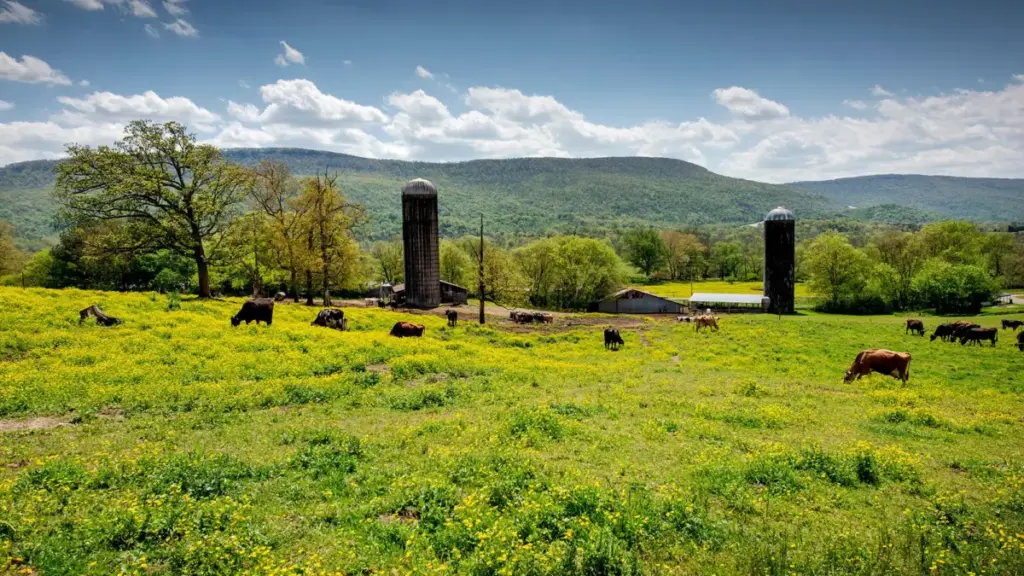
Across the rolling agrarian landscapes of northern Michigan, a quiet, high-stakes battle is unfolding over the future of the American countryside. As millions of acres of farmland nationwide prepare to change hands over the coming decades, agricultural communities are facing an unprecedented confluence of pressures. Skyrocketing land values, shifting climatic patterns, generational disconnects, and aggressive competition from residential developers, industrial projects, and renewable energy ventures are rapidly transforming rural spaces.
Michigan serves as a compelling microcosm of this national crisis. According to recent federal agricultural data, the state’s farming landscape is contracting and shifting away from traditional family ownership. Yet, amidst this contraction, a counter-movement is taking root. Farmers, local land trusts, and agricultural experts are deploying innovative tools—ranging from conservation easements and long-term leasing to emerging concepts like agrivoltaics—to protect the soil, preserve regional food security, and safeguard the viability of the multi-generational family farm.
This comprehensive report examines the multifaceted challenges threatening Michigan’s agricultural bedrock, the socio-economic forces driving up land costs, and the strategies rural communities are using to determine who controls the future of the plow.
Detailed Chronology: The Evolution and Modern Pressures of Michigan Agriculture
To understand the modern crisis facing Michigan’s agricultural economy, it is necessary to examine how land use has evolved over the decades, transitioning from community-anchored homesteads to a high-pressure commercial market.
Historical Roots and Generational Stewardship
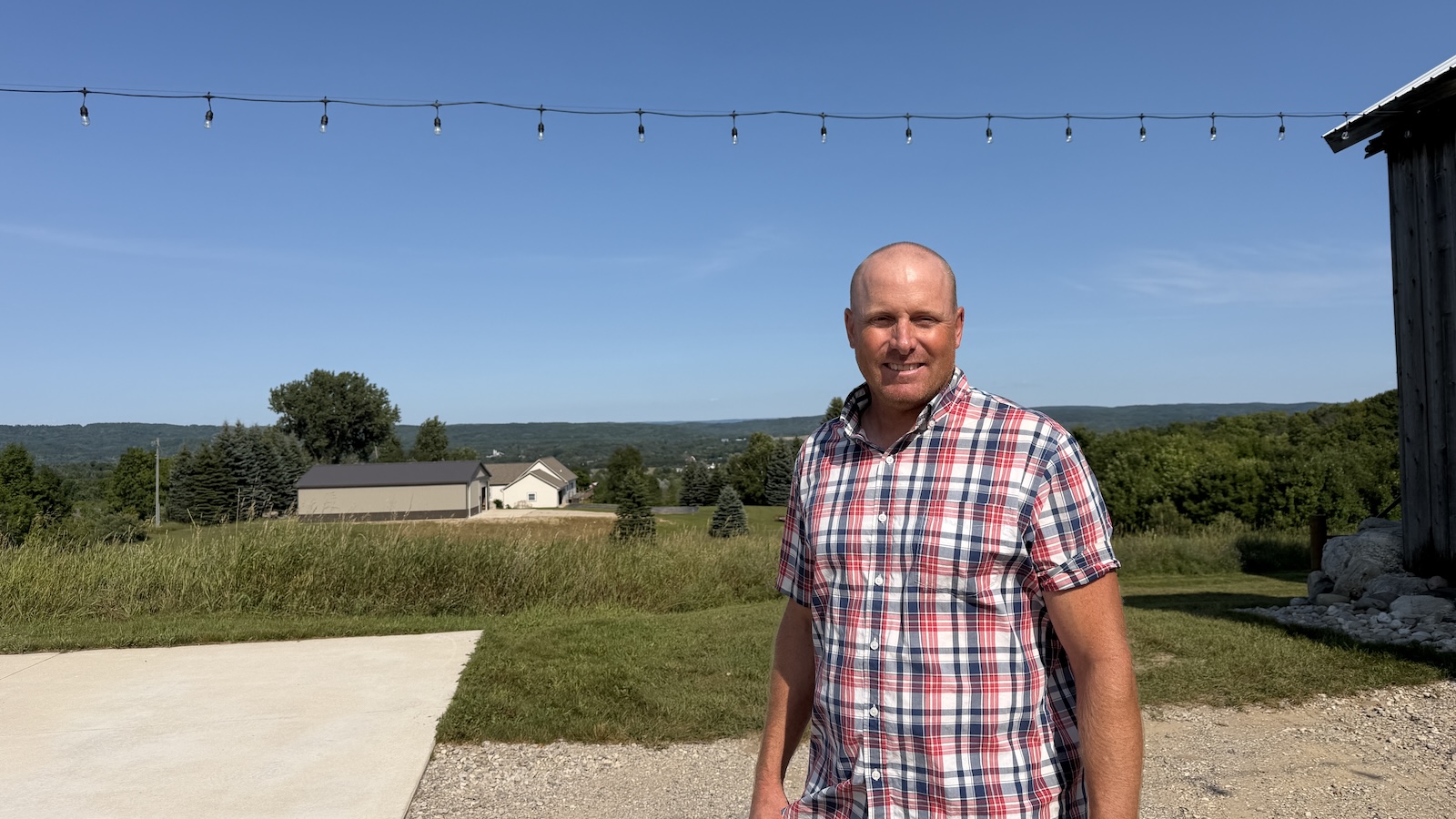
For generations, the identity of northern Michigan was forged by independent family farms cultivating robust rotations of corn, oats, wheat, and specialty crops. Plots of land were treated not merely as commodities, but as living legacies. Farmers like John Boyer—who grew up on 131 acres near East Jordan before successfully repurchasing his family’s historic land in 2018—view their stewardship as a deeply personal obligation.
"For any farmer, everything’s personal," Boyer reflects, noting the countless hours spent picking stones, managing soil health, and tending to every acre. Historically, these properties were passed seamlessly from parents to children, maintaining an unbroken chain of local agricultural knowledge and rural community stability.
The Turning Point: 2017–2022 Census Shifts
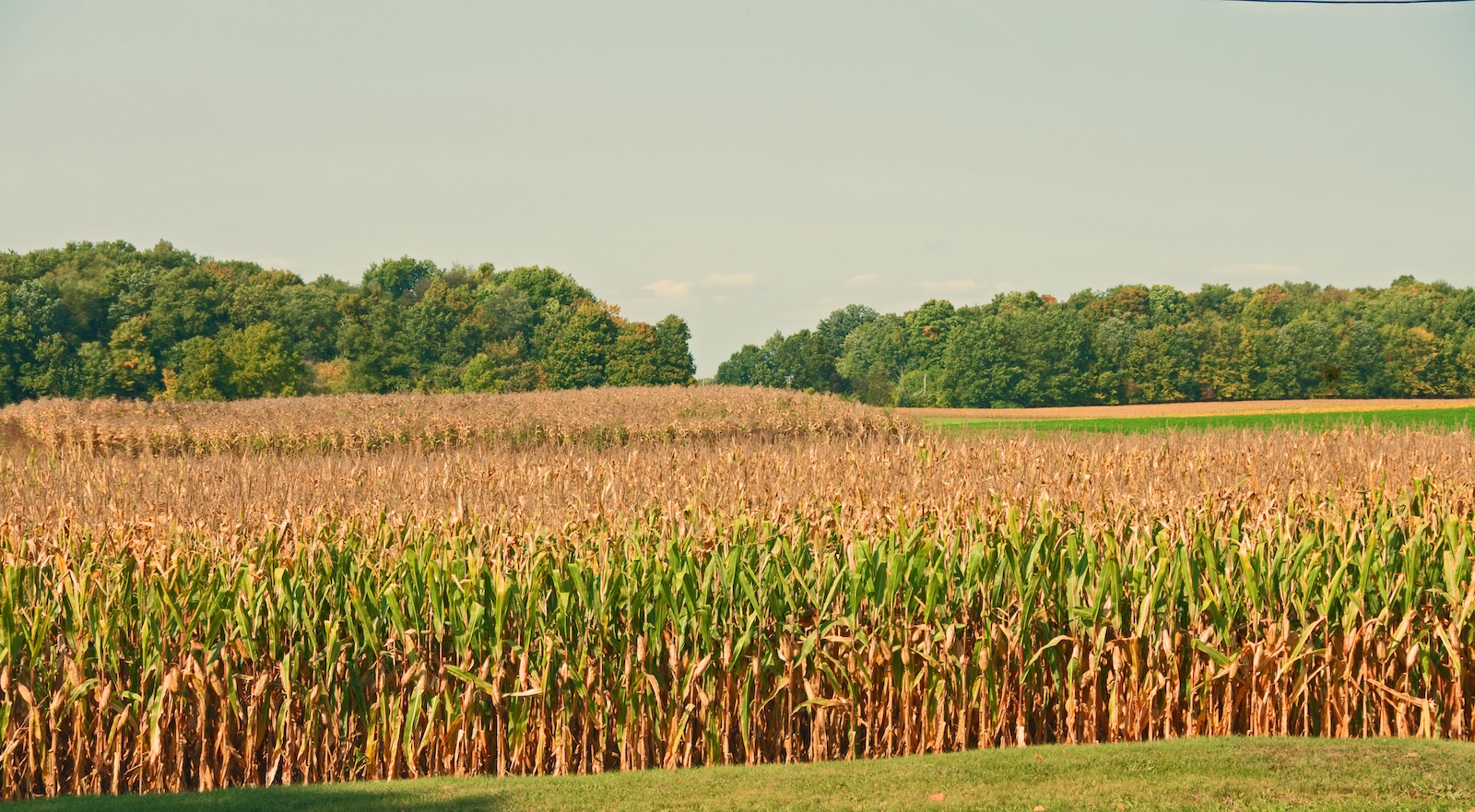
The fragility of this traditional model was laid bare by the most recent U.S. Department of Agriculture (USDA) Census of Agriculture. Between 2017 and 2022, Michigan’s total land dedicated to farming declined by roughly 3 percent, leaving an estimated 9.5 million acres (about a quarter of the state) in agricultural production.
More alarmingly, the structure of ownership underwent a sharp contraction. Farmland operated predominantly by families shrank by nearly 470,000 acres during that five-year window. Conversely, land leased or rented for farming operations expanded, signaling a structural pivot away from direct landownership toward tenant-based agriculture.
The Modern Dilemma: Division and Development
As aging farmers approach retirement without successors from younger generations, properties are increasingly subdivided into smaller residential parcels or sold off entirely. Industry experts warn that once productive agricultural earth is paved over for housing subdivisions, commercial complexes, or data centers, it is lost for generations—if not forever. This reality has forced contemporary farmers, policy advocates, and conservation organizations into a race against time to lock in protective legal frameworks before development permanently fragments the rural landscape.
Supporting Context & Metrics: Economics, Climate, and Land Values
The pressures facing Michigan farmers are fueled by complex economic realities and shifting environmental parameters that distinguish the region from other agricultural hubs across the United States.
Surging Land Valuations
Farmland in Michigan is appreciating at a rate that outpaces national averages. Last year, USDA figures placed the average value of Michigan farmland at approximately $6,800 per acre—marking a 7.8 percent increase from the previous year and easily surpassing the national average growth rate of 4.3 percent.
Howard Halderman, president and CEO of Halderman Companies, a farm real estate and management agency operating across the Midwest, points out that land values are propped up by intense regional demand for residential and industrial development, alongside financial instruments like tax-deferred exchanges. These exchanges allow landowners facing capital gains taxes on appreciated assets to roll proceeds directly into new real estate holdings. While this dynamic supports balance sheets for established landowners, it places land acquisition entirely out of reach for beginning farmers trying to break into the industry.
The Northern Climate Advantage
Paradoxically, these economic pressures are amplified by northern Michigan’s growing strategic importance. As global climate change induces severe droughts, extreme heatwaves, and water scarcity across traditional agricultural powerhouses in the American West and South, northern Michigan’s relatively resilient climate is gaining attention.
Local growers note that while northern Michigan is not immune to climate change—facing localized challenges like extreme precipitation, temperature swings, and emerging crop diseases—its access to abundant freshwater and moderate conditions makes it a critical frontier for future food security.
"As the world climate changes, this area could become more and more important for food production and food security," notes Dave Skornia, a farmer based in Boyne City, Michigan. "So, you got to have land."
Official Statements and Stakeholder Perspectives
Navigating the competing demands of development, conservation, and agricultural production has ignited critical conversations among extension educators, conservancy leaders, and working farmers.
Balancing Equity and Conservation
For many farmers, real estate represents their primary retirement fund and college savings vehicle for their children. Stripping away the development potential of that land can feel economically risky.
Joe Graham, chief financial and operating officer for the Little Traverse Conservancy, acknowledges the difficulty of this calculus. The conservancy works with landowners to establish conservation easements—legal agreements that permanently restrict future commercial or residential development while leaving the land in private hands. To compensate farmers for the loss of development rights, the conservancy purchases those rights, offering an alternative to outright liquidation.
"We’re offering another alternative," Graham explains. "We’re offering a way to capture some of the equity and the value they have in that land without having to sell it and see it leave their ownership."
While the Little Traverse Conservancy has successfully protected roughly 6,000 acres of farmland among its 30,000 total conserved acres across northern Michigan and the Upper Peninsula, Graham notes that soaring market values mean conservancies cannot rely on financial motivation alone to secure agreements.
The Realities of Leasing
With landownership increasingly difficult, leasing has become a vital lifeline for modern operations. Rebecca Carlson, a fourth-generation orchardist running Overlook Orchards in Northport on the Leelanau Peninsula, expanded her family’s farm from 200 to 1,300 acres over eight years by purchasing adjacent plots and leasing parcels from retiring farmers who lack familial successors.
"In order to be successful in farming, in some cases, it’s one of those, ‘Go big or go home,’ with the climate of farming today," Carlson says.
Leasing shields operators from the crushing burdens of property taxes and infrastructure insurance. However, Michigan State University Extension surveys underscore that tenant farmers frequently struggle with high lease rates, finding plots that fit their operational needs, and navigating precarious relationships with landowners whose long-term goals may not align with theirs.
"You might have a great relationship where you never worry a single day about whether or not you’re going to have the property a year from now," notes Jon LaPorte, a farm business management educator with MSU Extension. "In other cases, there’s some differences in terms of what each party’s goals are that kind of create that sense of anxiety."
Future Outlook: Renewable Energy, Agrivoltaics, and the Next Frontier
As Michigan transitions toward a cleaner energy grid to combat climate change, rural communities face an emerging frontier of land-use competition: renewable energy development.
The Renewable Energy Rush
Wind turbines, battery storage facilities, and solar arrays are increasingly slated for rural agricultural acreage. Landowners facing flat farm incomes and high operating costs are frequently tempted by the steady, long-term lease payouts offered by energy developers.
While utility-scale solar currently occupies a tiny fraction of Michigan’s prime agricultural land (roughly 0.09 percent, according to the Solar Energy Industries Association—far less than the acreage claimed by suburban sprawl or golf courses), localized pushback remains intense. Proposed projects, such as a massive 1,500-acre solar initiative in Wexford County, have sparked community anxieties regarding the permanent loss of productive soil.
Coexistence Through Agrivoltaics
Rather than forcing a zero-sum choice between food production and clean energy generation, agricultural researchers and extension specialists are pioneering a middle ground: agrivoltaics.
Charles Gould, a bioenergy educator with MSU Extension, points to projects where solar arrays are installed directly over active pastures or crop fields. Elevated or spaced solar panels can provide beneficial shade for certain crops and livestock—such as sheep grazing to control weeds while yielding pasture-raised meat—all while generating steady supplemental income for the farmer.
"If we can do both on the same acre of land, why wouldn’t we?" Gould asks. "We want to preserve the family farm. This is a very powerful tool."
Conclusion: Preserving the Legacy
Ultimately, the preservation of Michigan’s agricultural identity depends on a delicate balancing act. Whether through permanent legal instruments like conservation easements, strategic long-term leasing, or innovative technological integrations like agrivoltaics, rural communities are fighting to ensure that productivity is not sacrificed for short-term financial gain.
For John Boyer and others dedicated to keeping their soil intact, the motivation is simple and absolute. Once a farm field is lost to asphalt and development, it is gone not just for a season, but for generations to come.



