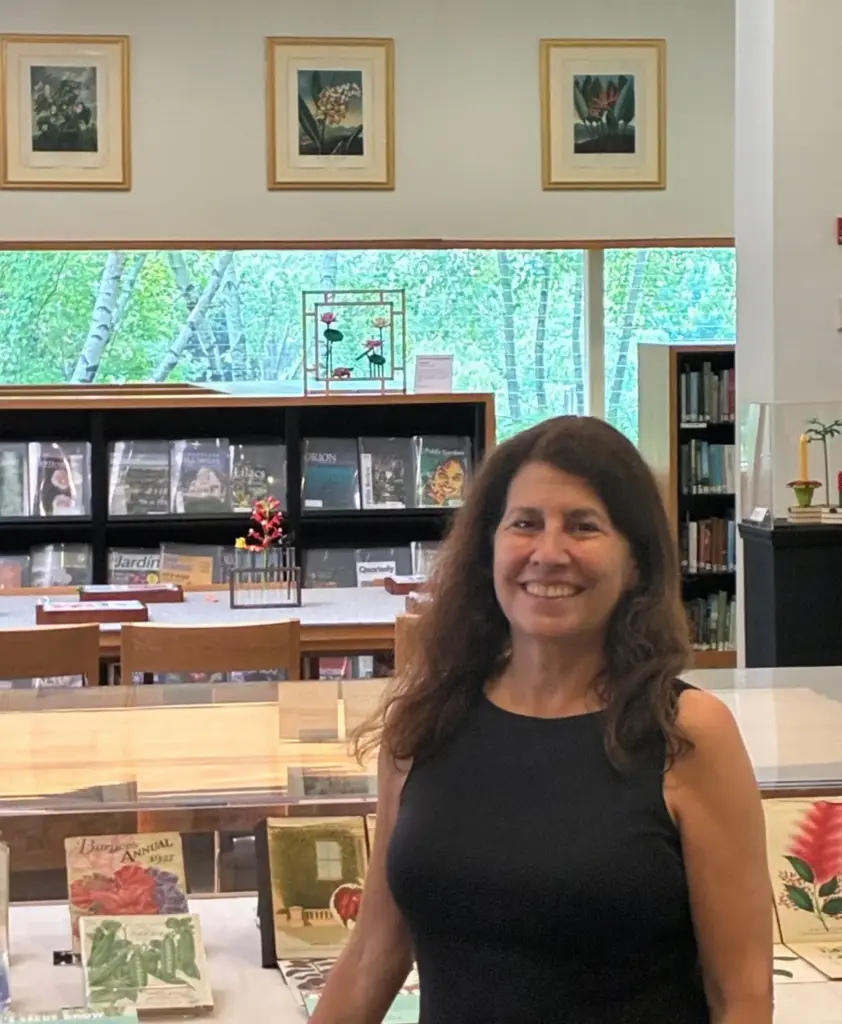
The Biodiversity Heritage Library (BHL), the world’s preeminent open-access digital repository for literature on biodiversity and natural history, has officially stepped into a transformative new chapter. In July 2026, the organization expanded the governance capacity of its Members’ Council Executive Committee by welcoming two distinguished library and information science leaders into newly created roles: Amanda Boczar as the consortium’s inaugural Strategic Development Officer, and Leora Siegel as its first Member-at-Large.
These high-level appointments arrive at a critical crossroads for the global consortium. Following structural transitions that established a new distributed operational model and an administrative home with the Council on Library and Information Resources (CLIR), BHL is actively charting its course as an independent, community-governed entity. By bolstering its administrative infrastructure with expertise in financial sustainability, strategic fundraising, and broader community representation, the consortium is strategically positioning itself to secure long-term operational resilience.
As BHL prepares its next comprehensive strategic plan and navigates an increasingly complex landscape of digital archiving and open-access advocacy, the integration of Boczar and Siegel signals a decisive pivot toward proactive institutional growth, deeper stakeholder engagement, and structural longevity.
Detailed Chronology: The Evolution of BHL’s Governance
To fully appreciate the significance of these executive appointments, one must trace the institutional milestones that have reshaped BHL’s operational foundation over recent years:
June 2024: The broader BHL community gathered in Chicago for the 2024 Annual Meeting, themed "Securing Our Future While Celebrating Our Past." Hosted by the Chicago Botanic Garden and co-chaired by leaders including Leora Siegel, the conference laid critical groundwork for discussions regarding organizational sustainability, collaborative growth, and future governance models.
January 2026: The University of South Florida (USF) Libraries officially joined BHL as both a member institution and a vital strategic partner for the consortium’s technical infrastructure. Amanda Boczar, serving as Associate Director of Digital Initiatives at USF, immediately stepped into prominent community leadership roles.
June 2026: Recognizing the expanding scope and operational demands of the global network, BHL Members formally approved the creation of two provisional governance positions during the annual evaluation cycle: the Strategic Development Officer and the Member-at-Large. Because formal amendments to the BHL Bylaws require ratification at an Annual Meeting, these roles were established provisionally, slated for official codification at the 2027 BHL Annual Meeting.
July 2026: Amanda Boczar and Leora Siegel officially assumed their posts on the BHL Members’ Council Executive Committee, instantly expanding the committee’s skill sets, institutional perspectives, and strategic capacity.
August 2026: BHL publicly announced the dual appointments, detailing how the new leaders will immediately contribute to ongoing strategic planning writing groups—with Boczar co-leading the Collection Development and Discovery group and Siegel contributing to the Operational Sustainability group.
Supporting Context & Metrics: Navigating Independence and Scale
The Biodiversity Heritage Library is a massive, collaborative undertaking that underpins global biodiversity research, conservation efforts, and historical scholarship. By digitizing and making freely accessible millions of pages of legacy literature—spanning centuries of scientific observation—BHL serves researchers, taxonomists, educators, and the public across the globe.
However, transitioning from a centrally hosted model to an independent, distributed, community-governed global consortium introduces unique administrative and financial challenges. Historically reliant on host institution backing, modern scholarly networks must diversify their funding streams, establish robust grant-writing pipelines, and formalize clear governance pathways to ensure uninterrupted service.
The creation of the Strategic Development Officer role directly addresses these financial imperatives. Under Boczar’s guidance, the Executive Committee will gain enhanced oversight of fundraising mechanics, grant identification, and fiscal resilience. This is vital for sustaining the technical infrastructure required to host petabytes of digitized biodiversity literature and high-resolution plate imagery.
Simultaneously, the introduction of the Member-at-Large position solves a structural representation challenge. Previously, executive governance structures primarily drew from core member institutions. By opening the Member-at-Large seat to staff from both BHL Member and Affiliate institutions, the consortium has forged an inclusive gateway for broader participation. This role not only provides immediate project support and gap-filling assistance across the Executive Committee but also functions as a vital leadership incubator, allowing talented professionals from affiliate organizations to gain high-level governance experience and prepare for future elected leadership.
Official Statements and Leadership Perspectives
The appointments have drawn widespread praise from across the international library and biodiversity informatics communities. Leaders within BHL view this expansion as an essential step toward stabilizing the consortium for decades to come.
Richard Wragg, Vice Chair of the BHL Executive Committee and Head of Library and Archives at the Natural History Museum in London, emphasized the strategic value of the new committee members:
"We are delighted to welcome Amanda and Leora to the Executive Committee. Leora will be well known to many in the BHL community and, coming from an Affiliate institution, brings both extensive experience and new perspectives to the Committee. Amanda joins us with a wealth of ideas and previous successes in a role that is vital to BHL’s long-term sustainability. With the expansion of the Executive Committee complete, and the addition of two such capable colleagues, we are now well placed to secure a bright and stable future for BHL."
Reflecting on her new role as Strategic Development Officer, Amanda Boczar shared her perspective on joining the consortium at this juncture:
"I have been working with digital collections related to Florida’s environment and natural history since 2020 and have always looked to BHL as a model for global outreach and community. After USF joined BHL as both a member and a strategic partner for its technical infrastructure in January 2026, I knew I wanted to really dive in and make the most of the opportunity. It has been such a privilege to engage with the other members and affiliates, and I am very honored to have been selected for this new role to help sustain the organization for many more years to come."
Leora Siegel, stepping into the inaugural Member-at-Large role from her tenure at the Chicago Botanic Garden’s Lenhardt Library, highlighted the collaborative spirit that has defined her decade-long engagement with the network:
"Through collaborations with BHL colleagues over the past 10 years as an Affiliate member, and witnessing BHL’s amazing growth and development, I’m honored to serve on the Executive Committee and contribute as BHL becomes fully independent."
Future Outlook: A Collaborative Roadmap for Open Biodiversity Knowledge
As the Biodiversity Heritage Library looks toward its upcoming milestones—including the formal ratification of these executive roles at the 2027 Annual Meeting—the organization stands on solid ground.
The successful integration of Amanda Boczar and Leora Siegel underscores a broader institutional maturity. By blending financial foresight with inclusive governance, BHL is proving that open-access cultural and scientific heritage initiatives can successfully evolve into self-sustaining, community-driven global powerhouses.
Through ongoing strategic planning initiatives—such as the vital work being done by the Collection Development and Discovery and Operational Sustainability writing groups—the consortium is actively shaping its next era. With a strengthened Executive Committee at the helm, BHL remains deeply committed to safeguarding the world’s natural history literature, fostering international collaboration, and ensuring that foundational biodiversity knowledge remains freely open to all.