

Editorial Disclosure: Our editors curate highly rated brands that are first assessed by our rigorous ratings system. Buying through our links may earn us a commission—supporting the work we do. Learn more.
Executive Overview
For over a century, the textile industry’s relationship with hemp has been defined by unnecessary friction. Shackled by heavy global regulations, sweeping political prohibitions, and the rapid, unchecked rise of synthetics like nylon and polyester, hemp’s historic dominance as a primary fiber was systematically dismantled.
Yet, as the contemporary fashion industry faces a day of reckoning over its staggering environmental footprint, hemp is experiencing a profound renaissance. Valued for its exceptional durability, minimal agricultural requirements, and impressive carbon sequestration capabilities, this ancient bast fiber is rapidly emerging as a viable, scalable alternative to energy-intensive and non-biodegradable materials.
Production data underscores this paradigm shift: between 2015 and 2024, hemp fiber production within the European Union surged by an astonishing 103%. Driven by progressive regulatory frameworks, shifting consumer expectations, and innovative processing methods, hemp is shedding its mid-century stigma. This comprehensive guide explores the botanical history of hemp, evaluates its true ecological credentials, addresses the complexities of its supply chain, and highlights the pioneering ethical brands leading the charge toward a more sustainable fashion future.
Detailed Chronology: A History of Hemp in Textiles
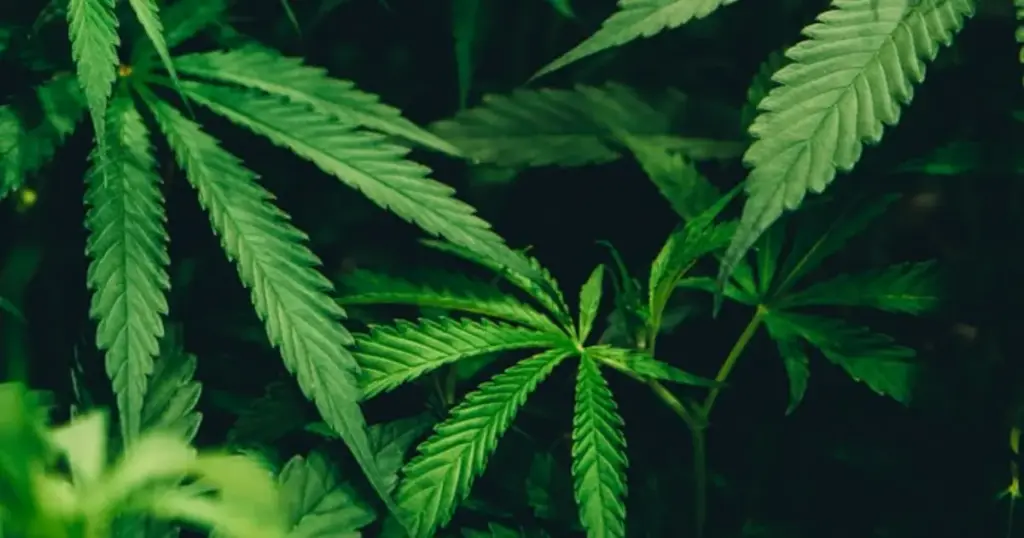
To understand hemp’s modern resurgence, one must examine its deep roots in human history. Far from being a modern alternative experiment, hemp—scientifically classified as Cannabis sativa—has been a foundational pillar of human civilization for thousands of years.
[Ancient Civilizations] ➔ [18th-19th Century] ➔ [20th Century Bans] ➔ [21st Century Renaissance]
- Ropes, sails, paper        - Competition from          - Prohibition via           - 103% EU production
- Cultivated globally          cotton & synthetics         drug legislation            surge (2015-2024)
From Ancient Roots to Industrial Decline
Archaeological and historical records confirm that hemp has been cultivated across almost every continent for millennia. Its robust, long fibers made it the premier material for essential utility goods: ropes, fishing nets, heavy-duty sails, and paper. In fact, linguistic evidence suggests that the English word "canvas" derives directly from "cannabis," a testament to the fiber’s historic ubiquity in heavy-duty textiles.
For centuries, hemp’s presence in apparel and domestic goods was widespread. However, this trajectory shifted dramatically from the 1800s onward. The Industrial Revolution introduced mechanized cotton gins, making cotton cheaper, softer, and easier to process at scale. By the mid-20th century, petrochemical innovations birthed synthetic fibers like nylon and polyester, which dominated the market with low production costs and versatile performance attributes.
The Regulatory Chokehold
Simultaneously, the political landscape turned aggressively hostile toward the plant. Because hemp belongs to the same botanical family as the drug cannabis, it became ensnared in sweeping international drug control legislation during the 20th century.
Crucially, industrial hemp contains negligible levels of Tetrahydrocannabinol (THC)—the psychoactive compound found in drug-type cannabis varieties. Nevertheless, widespread legislative bans failed to distinguish between the two. This regulatory chokehold effectively criminalized cultivation, starved the sector of agricultural research and development, and forced textile machinery development to freeze for decades. Only recently, as global legislators untangle the science from the stigma, has the agricultural sector been allowed to rebuild.
Supporting Context & Metrics: Processing, Performance, and Ecology
Hemp is a classic "bast fiber," meaning it is extracted from the phloem (the inner bark) of the plant stem, placing it in the same botanical family as flax, jute, and ramie. Pure hemp yarn possesses a natural texture remarkably similar to linen. When woven, it can yield a vast spectrum of fabrics, ranging from lightweight jersey and fine shirting to heavy-duty denim and canvas. Furthermore, hemp is frequently blended with complementary plant-based fibers—such as organic cotton or bamboo—to combine hemp’s legendary durability with enhanced softness and drape.
From Plant to Fabric: The Production Spectrum
The agricultural cycle of hemp is remarkably efficient. As a fast-growing crop, it reaches maturity and is ready for harvest just five to eight months after sowing.
Once harvested, the fibers must be separated from the woody core of the stalk. This is achieved through a multi-step process:
- Retting: Breaking down the pectin binding the fibers to the stalk (via dew, water, or chemical methods).
- Scutching & Decortication: Mechanically stripping the long fibers away.
- Combing & Spinning: Cleaning and aligning the fibers into a continuous yarn ready for weaving.
However, the sustainability of hemp fabric largely depends on how it is processed. Mechanized processing relies on physical and biological methods, requiring zero harsh chemicals and preserving the fiber’s natural eco-friendly profile.
Conversely, some industrial manufacturers utilize chemical processing routes to produce "hemp viscose" or rayon. This intensive chemical pathway mirrors the production of conventional viscose, utilizing toxic solvents like carbon disulfide, which can pose severe occupational and environmental hazards if closed-loop recovery systems are not strictly managed.
Ecological Performance: Metrics That Matter
When cultivated responsibly, hemp offers exceptional environmental benefits:
- Pesticide-Free Growth: Hemp grows with dense, rapid foliage that aggressively crowds out weeds, eliminating the need for synthetic chemical herbicides. It also experiences minimal pest pressure, drastically reducing the necessity for conventional chemical pesticides.
- Soil Health and Water Conservation: Just weeks after germination, hemp creates a dense natural canopy over the soil. Combined with its deep taproot system, this canopy minimizes soil moisture evaporation and protects topsoil from wind and water erosion.
- Biodiversity Promotion: Grown as an rotational crop, hemp flowers during critical windows when other crops do not. This provides essential pollen for bees and other pollinators, while its dense field structure acts as a thriving micro-habitat for birds and beneficial insects.
- Carbon Sequestration: Industrial hemp is an exceptionally powerful carbon sink. According to data from the European Commission, a single hectare of hemp can sequester between 9 and 15 tonnes of $textCO_2$, a carbon absorption rate comparable to that of a young, dense forest.
Official Statements and Industry Insights
Despite these stellar agricultural credentials, industry watchdogs urge caution against greenwashing and supply chain blind spots.
The Textile Exchange, a leading global authority on sustainable preferred fibers, highlights transportation emissions as a notable hurdle. Because the mid-century regulatory bans fractured the hemp supply chain, local processing infrastructure remains sparse in many regions. Consequently, raw hemp often travels significant distances between farming, scutching, spinning, and weaving facilities, temporarily inflating its carbon footprint before the final garment is assembled.
Furthermore, the organization emphasizes that hemp is not automatically organic. A significant portion of global hemp farming still relies on conventional synthetic fertilizers, which can degrade soil microbiomes and leach into local waterways if mismanaged.
Commenting on the structural barriers facing the market, a representative from the Alliance for European Flax-Linen and Hemp noted:
"The legacy of twentieth-century cannabis prohibition created a structural vacuum in our industrial machinery and supply chains. Rebuilding this ecosystem requires intentional investment in local processing hubs, transparent certifications, and absolute traceability from seed to store shelf."
Similarly, the European Commission has pointed to regulatory reform as the primary catalyst behind the sector’s recent resurgence. With supportive agricultural policies taking root across member states, EU hemp production doubled between 2015 and 2024, proving that regulatory modernization directly unlocks environmental innovation in the textile sector.
Future Outlook: The Path Forward for Hemp Fashion
The trajectory for hemp in the global fashion economy is decidedly upward. As legislative bodies continue to modernize agricultural frameworks, and as consumers demand verifiable alternatives to synthetic, fossil-fuel-derived garments, hemp is poised to reclaim its status as a cornerstone textile.
The roadmap for a fully sustainable hemp industry requires three distinct milestones:
- Infrastructure Localization: Expanding regional processing facilities (scutching and spinning plants) to slash transportation-related carbon emissions.
- Strict Certification: Widespread adoption of organic agricultural standards (such as GOTS or OCS) to eliminate the use of synthetic fertilizers and guarantee chemical-free mechanical processing.
- Consumer Education: Dismantling persistent cultural misconceptions regarding the plant, educating buyers on the functional and ecological superiority of industrial hemp.
Championing Hemp: Verified Sustainable Brands to Watch
For conscious consumers looking to integrate hemp into their wardrobes, our editorial team has curated four "Good" or "Great"-rated brands that prioritize ethical manufacturing, transparent supply chains, and innovative hemp design.
1. 8000Kicks
- Specialty: Footwear and accessories crafted from industrial hemp.
- Sustainability Profile: Based in the US, 8000Kicks pioneered the world’s first waterproof hemp shoe. The brand works closely with dedicated agricultural producers, maintains strict supply chain oversight, and actively supports global tree-planting initiatives to offset its footprint.
- Sizing: US 6–14.
- See the rating | Shop 8000Kicks
2. Opera Campi
- Specialty: Premium, luxury apparel crafted from locally sourced raw materials.
- Sustainability Profile: Founded in Italy in 2017, Opera Campi employs a balanced, highly meticulous approach to sustainability. The brand utilizes locally sourced European hemp, ensures fair labor conditions across its transparent supply chain, and donates 4% of its corporate profits directly to social causes.
- Sizing: Inclusively sized from 3XS to 3XL.
- See the rating | Shop Opera Campi
3. WAMA
- Specialty: Premium everyday underwear and basics.
- Sustainability Profile: WAMA is a true pioneer in the hemp intimates sector. Utilizing high proportions of certified organic cotton and hemp blends, the brand creates durable, naturally antibacterial intimates. WAMA is proudly PETA-approved vegan.
- Sizing: XS–4XL.
- See the rating | Shop WAMA
4. tentree
- Specialty: Casual wear, loungewear, and everyday apparel.
- Sustainability Profile: This Canadian certified B-Corp operates with a strict Earth-first mandate. For every item purchased, tentree plants ten trees to regenerate degraded global ecosystems—having successfully planted over 65 million trees to date. All garments are constructed in safe, fair working conditions using lower-impact materials, including durable hemp blends.
- Sizing: XS–XL.
- See the rating | Shop tentree
Good On You publishes the world’s most comprehensive ratings of fashion brands’ impact on people, the planet, and animals. Explore our directory to search thousands of rated brands.



