

Executive Overview
In the nutrient-rich, complex marine web of the Pacific Northwest, a quiet and vital rescue operation unfolds each season. The Salish Sea Hope Spot—an ecologically critical marine area recognized for its breathtaking biodiversity—serves as both a sanctuary and a survival test for the region’s marine mammals. At the heart of this conservation landscape is the dedicated work carried out by SeaLife Response, Rehabilitation and Research (SR3). Operating as an anchor institution for the Salish Sea Hope Spot, SR3 specializes in the rescue, medical treatment, behavioral conditioning, and eventual wild release of orphaned and abandoned harbor seal pups (Phoca vitulina).
This initiative is not merely about animal rescue; it is an active intervention in the ecological health of one of North America’s most extraordinary marine ecosystems. As coastal development, human activity, climate shifts, and marine traffic increasingly intersect with wildlife habitats, vulnerable seal pups often find themselves separated from their mothers too early to survive on their own. Without specialized human intervention, these stranded animals face near-certain mortality.
Through meticulous veterinary care, specialized nutritional programs, and strict protocols designed to prevent habituation, SR3 bridges the gap between tragedy and recovery. Crucially, these efforts are part of a broader global movement. The Salish Sea is a designated Mission Blue Hope Spot, a status proudly supported by the Rolex Perpetual Planet Initiative. This partnership highlights the global significance of local conservation actions, proving that safeguarding individual pups directly contributes to the resilience of entire marine ecosystems. This report explores the mechanics of harbor seal rehabilitation, the ecological importance of the Salish Sea, and the collaborative frameworks ensuring these marine mammals return successfully to their ocean home.
Detailed Chronology: From Stranding to Open Waters
The journey of an orphaned harbor seal pup from a perilous stranding on a Pacific Northwest beach to a successful re-entry into the Salish Sea is a multi-stage process requiring clinical precision, biological expertise, and temporal discipline.
Phase One: Rescue and Triage
The timeline typically begins with a public report or a monitored stranding notification. Harbor seal pups are frequently left on shorelines while mothers forage for food—a natural behavior that well-meaning beachgoers often misinterpret as abandonment. Trained responders from SR3 assess each situation carefully, monitoring the site for maternal presence over a designated window. Once abandonment or severe distress is definitively confirmed, authorization is granted for rescue and transport.
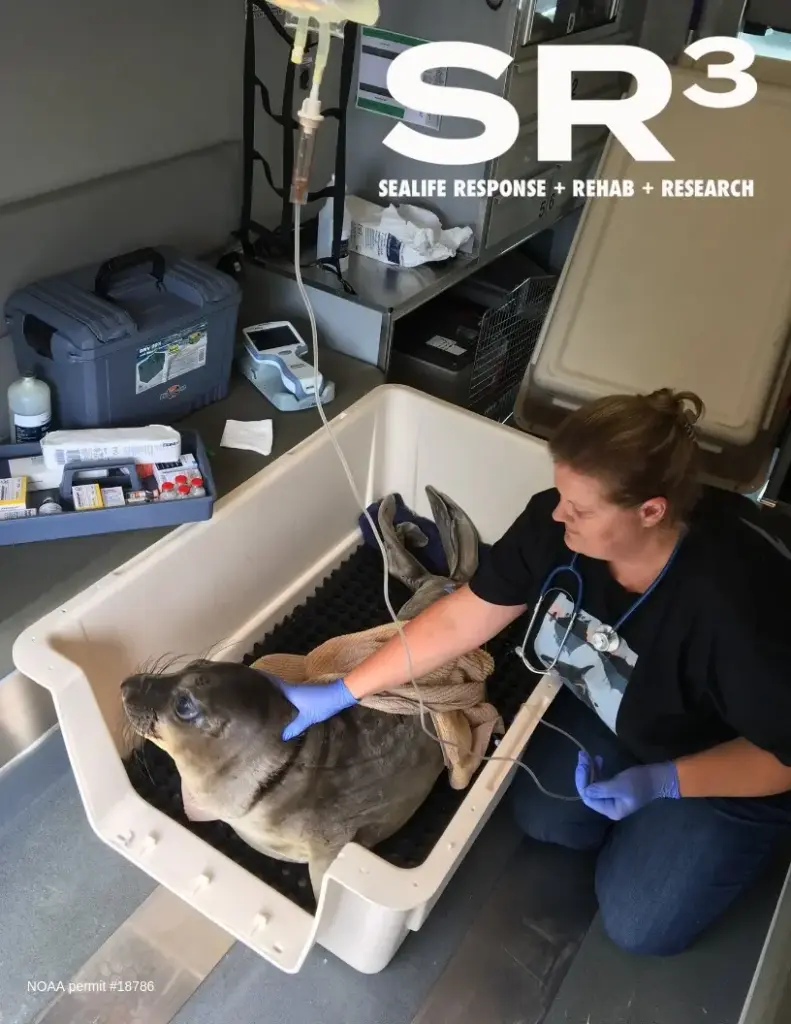
Upon arrival at the SR3 rehabilitation facility, the pups undergo rigorous veterinary triage. Dehydration, malnutrition, hypothermia, and parasitic infections are common upon admission. Medical teams immediately administer subcutaneous or intravenous fluids, address wounds or respiratory infections with targeted antibiotics, and record baseline biometric data including weight, length, and estimated age. At this fragile stage, minimizing human contact is paramount to prevent the animals from associating humans with food or safety—a critical safeguard for their future wild survival.
Phase Two: Stabilization and Formula Rearing
For neonates—pups admitted with remnants of their umbilical cords still attached—the stabilization phase mimics the high-fat, nutrient-dense composition of maternal harbor seal milk. Because commercial or domestic mammal milks are entirely unsuitable for pinnipeds, SR3 specialists prepare specialized, high-calorie formulas blended from fish slurry, essential fats, and vitamins.
During the initial weeks, feeding is conducted via stomach intubation or specialized bottles, depending on the pup’s strength and willingness to nurse. As the animals grow, they transition from liquid formulas to solid fish pieces. This phase requires constant monitoring of weight gain trajectories. A healthy harbor seal pup must achieve specific developmental milestones and weight thresholds before progressing to the next stage of rehabilitation.
Phase Three: Pre-Release Conditioning and Fish School
Perhaps the most critical phase of rehabilitation is the transition from passive feeding to active hunting. In the wild, harbor seal mothers teach their pups how to catch fish and navigate tidal currents. Orphaned pups must learn these life-saving skills independently within the controlled environment of SR3’s specialized rehabilitation pools.
During pre-release conditioning, live fish are introduced into deep-water enclosures. Staff observe the pups via underwater cameras to minimize direct visibility and human interaction. Behavioral markers are closely tracked: Do the pups actively pursue moving prey? Are they diving efficiently? Do they maintain an appropriate fear response toward human presence? Pups that successfully master live-fish hunting and demonstrate robust swimming stamina are cleared for the final milestone of their rehabilitation journey.
Phase Four: Release Back to the Salish Sea
The culmination of months of intensive care is the release day. Transported back to carefully selected, protected coastal zones within the Salish Sea, the rehabilitated seals experience their first moments back in open water. Observers often note the immediate shift in demeanor as the animals plunge into the cold brine, vocalizing, diving, and orienting themselves to the natural currents of their native ecosystem. This successful return closes the loop of rehabilitation, restoring balanced predator-prey dynamics to the marine environment.
Supporting Context & Metrics: The Ecology of the Salish Sea and Seal Conservation
To understand the value of SR3’s work, one must examine the unique environmental tapestry of the Salish Sea and the ecological role that harbor seals play within it.
The Salish Sea Ecosystem
Spanning the southwestern coast of British Columbia and the northwestern coast of Washington State, the Salish Sea is a complex network of coastal waterways, straits, basins, and inlets. Home to iconic species ranging from orcas and salmon to seabirds and giant Pacific octopuses, this region is a globally recognized biodiversity hotspot. However, it is also heavily impacted by anthropogenic pressures. High vessel traffic, urban runoff, industrial pollution, and historical overfishing have placed immense stress on local marine food webs.
In 2021, the Salish Sea was formally designated as a Mission Blue Hope Spot. Hope Spots are scientifically identified areas of the ocean that are critical to the health of the planet, championed by local conservationists and supported globally by initiatives such as the Rolex Perpetual Planet Initiative. Protecting these waters means safeguarding the intricate web of life that depends on them—including apex and mesopredators like the harbor seal.
Harbor Seals as Marine Indicators
Harbor seals (Phoca vitulina) are often referred to as ecological indicator species. Because they occupy a high trophic level, feeding on a wide variety of fish and invertebrates, their population health, physiological condition, and contaminant loads reflect the overall health of the marine ecosystem. Monitoring seal populations provides scientists with valuable data regarding fish stock distributions and ocean health trends.
+-----------------------------------------------------------------+
|               Salish Sea Marine Food Web Context                |
+-----------------------------------------------------------------+
|  [Primary Producers: Phytoplankton & Kelp Forests]              |
|          |                                                      |
|          v                                                      |
|  [Primary Consumers: Zooplankton, Forage Fish (Herring/Smelt)]  |
|          |                                                      |
|          v                                                      |
|  [Secondary Consumers / Apex: Salmon, Seabirds, Harbor Seals]   |
|          |                                                      |
|          v                                                      |
|  [Top Predators: Transient Killer Whales (Orcas)]               |
+-----------------------------------------------------------------+
Statistical Realities of Marine Mammal Rehabilitation
Rehabilitating marine mammals is resource-intensive, scientifically demanding, and financially constrained.
- Nutritional Demands: A single harbor seal pup can consume hundreds of pounds of high-grade herring and salmon over the course of its multi-month rehabilitation program.
- Survival Rates: Facilities like SR3 routinely achieve post-release survival rates exceeding 80% for seals that successfully complete all phases of the rehabilitation pipeline, validating the efficacy of modern marine veterinary protocols.
- Geographic Reach: The Salish Sea Hope Spot encompasses thousands of miles of shoreline, making regional coordination among citizen scientists, marine patrols, and professional rescue networks essential for timely intervention.
Official Statements and Institutional Perspectives
The success of the marine conservation efforts in the Salish Sea relies heavily on institutional collaboration, philanthropic backing, and the unwavering dedication of field specialists.
Leadership at SeaLife Response, Rehabilitation and Research (SR3) frequently emphasizes the interconnected nature of their mission. In operational briefings, facility directors note:
"Every single pup that comes through our doors represents a vital thread in the ecological fabric of the Salish Sea. When we give a stranded, orphaned seal a second chance at life, we are not just saving an individual animal—we are actively investing in the resilience, biodiversity, and future health of the entire Pacific Northwest marine environment."
The broader ecological framework is bolstered by international partnerships. Mission Blue, founded by legendary oceanographer Dr. Sylvia Earle, underscores the importance of Hope Spot designations in drawing global attention to regional marine sanctuaries. Speaking on the partnership with the Rolex Perpetual Planet Initiative, conservation advocates highlight how corporate philanthropy empowers local grassroots organizations to scale their operations, upgrade veterinary technology, and expand educational outreach.
A representative from the conservation coalition remarked:
"The designation of the Salish Sea as a Hope Spot changes the narrative from one of inevitable environmental decline to one of active, measurable stewardship. Support from initiatives like Rolex allows frontline organizations like SR3 to bridge funding gaps, ensuring that rapid-response capabilities remain robust in the face of escalating environmental pressures."
Future Outlook: Challenges and Innovations in Marine Conservation
Looking ahead, marine rehabilitation centers and conservationists operating within the Salish Sea Hope Spot face a shifting ecological landscape driven by climate change, human population growth, and evolving marine conditions.
Climate Pressures and Changing Ocean Conditions
Rising ocean temperatures, shifting weather patterns, and ocean acidification directly impact the distribution and abundance of forage fish—the primary food source for nursing harbor seal mothers and weaning pups. Unusually severe weather events and warm-water anomalies can disrupt breeding cycles, leading to higher rates of maternal separation and early strandings. Rehabilitation facilities must anticipate and adapt to fluctuating intake volumes year over year.
Technological Advancements in Rehabilitation
To meet these mounting challenges, marine mammal rescue organizations are increasingly turning to innovation. Modern veterinary diagnostics, telemedicine consultations with specialized aquatic pathologists, and advanced telemetry tagging systems allow researchers to track rehabilitated seals post-release with unprecedented accuracy. Telemetry data provides critical insights into post-release dispersal patterns, foraging success rates, and long-term survival metrics, enabling conservationists to refine their rehabilitation protocols continually.
Expanding Community Engagement and Education
Ultimately, the long-term protection of the Salish Sea Hope Spot depends on the communities living along its shores. Educational initiatives coordinated by SR3 and its partners aim to foster a culture of respectful coexistence between humans and marine wildlife. By teaching beachgoers how to properly respond to hauled-out seal pups—emphasizing the golden rule of marine mammal viewing: “Keep back, give them space, and call the professionals”—the public becomes an active extension of the rescue network.
As the sun sets over the rugged coastlines of the Pacific Northwest, a newly rehabilitated harbor seal slips quietly from a rocky shoreline into the cool, dark waters of the Salish Sea. Guided by instinct and equipped with the skills honed during months of dedicated care, the animal dives into the depths. It is a quiet victory for marine conservation—a testament to what can be achieved when science, compassion, and global partnership unite to protect our planet’s most extraordinary marine ecosystems.



