

Executive Overview
As the crisp air of autumn sweeps across the British landscape, avid gardeners and environmental stewards face the annual ritual of seasonal transition. It is a period defined by striking gold and amber foliage, the clearing of spent summer crops, and the critical task of readying outdoor spaces for the impending frosts of winter. While traditionally viewed as a time of slowing down, autumn is, in truth, one of the most vital strategic planning windows of the horticultural calendar. What happens in the garden during these transitional months dictates the vitality, resilience, and fertility of the ecosystem when spring finally returns.
Simultaneously, households across the United Kingdom grapple with an ongoing challenge: the management of organic waste. From autumn leaves and garden trimmings to daily kitchen peelings and food scraps, the volume of biodegradable material generated by a typical household is substantial. Historically, managing this waste efficiently—particularly transforming cooked food scraps, meat, and perennial weeds into usable garden amendments—has posed a significant hurdle for home composters due to the risks of attracting pests or enduring slow, inefficient breakdown cycles.
Enter the cutting-edge intersection of sustainable living and horticultural innovation: hot composting. To help households revolutionize their waste management strategies and supercharge their garden fertility, BBC Gardeners’ World Magazine has partnered with innovative composting pioneer HOTBIN to launch an exclusive, high-value giveaway. Two lucky UK residents will have the opportunity to win elite composting bundles worth up to £313 each.
This comprehensive report examines the mechanics of rapid hot composting, the ecological urgency of diverting organic waste from landfills, the specific engineering marvels that earned HOTBIN its prestigious BBC Gardeners’ World Magazine Best Buy status, and the precise details of how participants can secure one of these transformative prizes before the closing deadline of 23:59 on November 9, 2026.
Detailed Chronology: The Evolution of Autumn Garden Prep and the Rise of Hot Composting
To fully appreciate the significance of this giveaway, it is necessary to examine the historical trajectory of garden maintenance and waste management, tracing how traditional methods have evolved into the high-efficiency systems utilized by modern horticulturists.
The Historical Context of Yard Maintenance
For centuries, British gardeners relied on traditional, uninsulated wooden or wire compost bins. These passive, cold-composting systems operated on nature’s own timeline, often taking anywhere from nine months to two years to break down organic matter. Crucially, cold heaps came with severe operational limitations:
- Exclusion of Cooked Foods: Meat, dairy, cooked leftovers, and oils had to be strictly barred from traditional heaps to prevent infestations of rodents, foxes, and foul odors.
- Weather Dependency: As ambient temperatures plummeted during autumn and winter, microbial activity inside cold heaps ground to a near-halt, leaving organic waste frozen and undecomposed for months.
- Weed Seed Viability: Because cold heaps fail to generate internal heat, persistent weed seeds and diseased plant matter thrown into the bin would survive intact, only to be reintroduced to the garden later via finished compost.
The Paradigm Shift: The Advent of Accelerated Aerobic Digestion
The introduction of engineered hot composting systems revolutionized domestic sustainability. By optimizing airflow, maximizing insulation, and maintaining precise carbon-to-nitrogen ratios, manufacturers unlocked the secret of thermophilic (heat-loving) bacteria. These specialized microbes thrive in temperatures ranging from 40°C to 60°C (104°F to 140°F).
The HOTBIN system represents the pinnacle of this evolutionary chain. Developed to bridge the gap between industrial-scale anaerobic digestion and domestic garden utility, the HOTBIN utilizes advanced expanded polypropylene (EPP) insulation—the same robust material used to safely transport temperature-sensitive pharmaceuticals and thermal goods. This structural integrity allows the unit to trap metabolic heat generated by natural bacteria, maintaining high internal temperatures even when ambient outdoor temperatures drop below freezing.
The Giveaway Timeline and Deadlines
The announcement of the HOTBIN partnership marks a major seasonal milestone for BBC Gardeners’ World Magazine subscribers and digital readers.
- Launch Phase: The promotion opens amidst the peak of autumn leaf-fall, encouraging gardeners to harness the dual streams of carbon-rich autumn foliage and nitrogen-rich kitchen waste.
- Active Window: Throughout the autumn and early winter, participating gardeners are invited to review the prize specifications, explore sustainable waste reduction techniques, and submit their entries.
- Closing Date: The entry portal officially closes at 23:59 on November 9, 2026.
- Post-Closure Notification: Immediately following the deadline, auditing procedures will take place, and the two confirmed winners will be notified, with their bespoke composting bundles dispatched directly to their homes.
Supporting Context & Metrics: Why Hot Composting is Changing the Ecological Landscape
The urgency of adopting efficient home composting systems is underscored by pressing environmental metrics, soil health science, and urban waste management challenges across the United Kingdom.
The Environmental Toll of Food Waste
According to environmental resource charity WRAP (Waste and Resources Action Programme, UK households continue to discard millions of tonnes of edible and inedible food waste annually. When organic material is sent to traditional municipal landfills, it is compressed under layers of other refuse, creating an oxygen-deprived (anaerobic) environment. This process produces methane—a potent greenhouse gas with a global warming potential significantly higher than carbon dioxide over a 20-year timescale.
By diverting food waste and garden trimmings into an aerobic home composting system like the HOTBIN, households can actively mitigate their carbon footprint. Aerobic decomposition converts organic carbon into stable humus and carbon dioxide (part of the natural biogenic carbon cycle), effectively neutralizing the generation of fugitive methane emissions.
The Science of the 30-Day Cycle
What sets the HOTBIN apart in scientific evaluations is its astonishing velocity. While traditional heaps require up to two years, a well-managed HOTBIN can transform raw food and garden waste into rich, dark, crumbly compost in as little as 30 days. This remarkable speed is achieved through three key mechanisms:
- Optimal Insulation: The high-density EPP walls (50mm thick) retain core operating heat, preventing thermal loss during cold nights and winter storms.
- Controlled Aeration: A proprietary base plate and valve system draw fresh air up through the composting mass, supplying the continuous oxygen needed by aerobic bacteria to rapidly metabolize proteins, sugars, and cellulose.
- Moisture and Leachate Management: Excess moisture is wicked away or drained via the plinth attachment, preventing the heap from becoming waterlogged and turning anaerobic.
Eliminating the "Banned" List of Waste
One of the most transformative aspects of the HOTBIN is its capacity to safely process items traditionally forbidden in domestic composting:
- Cooked Meat and Fish: High thermophilic temperatures (up to 60°C+) rapidly break down animal fats and proteins without attracting vermin, provided the bin is managed correctly.
- Small Bones and Rind: Harder organic structures soften and disintegrate under prolonged high heat.
- Perennial Weeds: Invasive garden weeds (such as bindweed roots or dandelion heads) and diseased plant tissue are sterilized by the sustained heat, ensuring that finished compost is weed-free and pathogen-safe.
Official Prizes, Engineering Specifications, and Value Breakdown
The partnership between BBC Gardeners’ World Magazine and HOTBIN yields a prize pool tailored to meet the diverse spatial and functional needs of modern gardeners. Two winners will have the unique privilege of selecting one of two meticulously curated bundles.
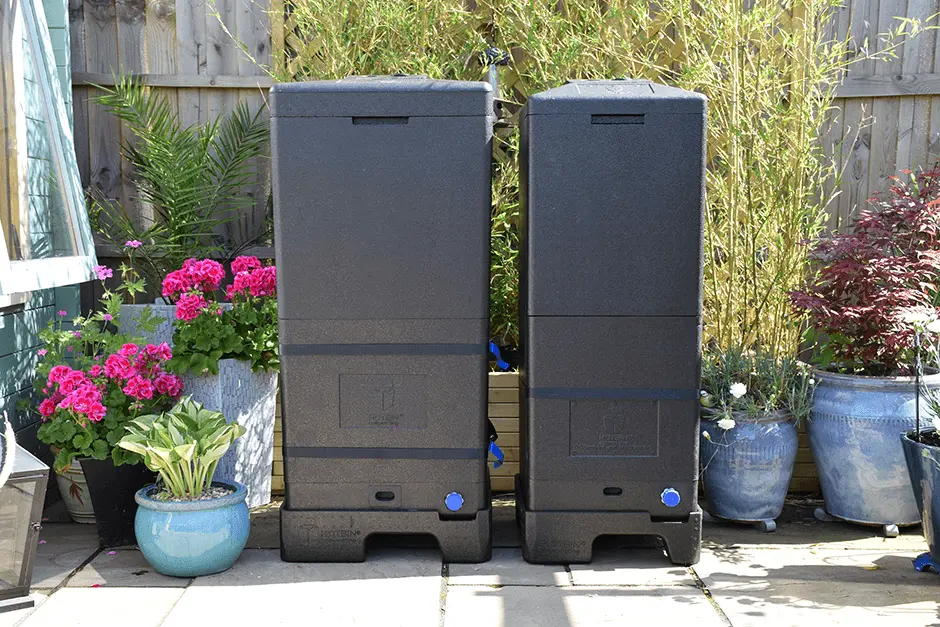
Prize Option A: The HOTBIN Mini 100-litre Essentials Bundle
- Estimated Retail Value: £243
- Target Audience: Urban gardeners, courtyard owners, small households, or those with restricted outdoor footprints.
- Included Components:
- HOTBIN Mini Composter (100 Litres): Engineered with the same thermal efficiency as its larger counterpart, scaled down for compact spaces like patios, balconies, or small urban gardens.
- HOTBIN Plinth: A specialized elevated base designed to raise the unit off the ground. This elevation facilitates ergonomic access and allows for the seamless collection of nutrient-rich liquid fertilizer (often called "liquid gold") from the bottom tap.
- HOTBIN Garden Kneeler: A high-density comfort accessory designed to protect joints during prolonged gardening sessions, seed sowing, or harvesting finished compost from the base hatch.
Prize Option B: The HOTBIN 200-litre Essentials Bundle
- Estimated Retail Value: £313
- Target Audience: Dedicated family households, keen allotment holders, and medium-to-large garden owners generating higher volumes of organic waste.
- Included Components:
- HOTBIN Standard Composter (200 Litres): Double the capacity of the Mini, capable of handling a steady, high-volume stream of combined kitchen peelings and heavy garden clearance waste.
- HOTBIN Plinth: Ensures structural stability, proper drainage, and liquid fertilizer collection.
- HOTBIN Garden Kneeler: Provides ergonomic support during intensive seasonal gardening and ground-level cultivation.
Recognition from Industry Authorities
The pedigree of these prizes is underscored by independent testing. The HOTBIN has been officially named a BBC Gardeners’ World Magazine Best Buy. In rigorous comparative testing, it was crowned the fastest composter tested and recognized as the best choice for small spaces. Such accolades provide consumers with absolute confidence in the engineering quality, durability, and practical efficacy of the hardware.
Future Outlook: The Circular Economy in the Domestic Garden
As the United Kingdom transitions toward more stringent municipal waste targets and heightened ecological consciousness, the role of the domestic garden is undergoing a profound philosophical shift. No longer viewed merely as an ornamental sanctuary or a recreational lawn, the modern garden is increasingly recognized as a vital node in a localized circular economy.
Closing the Loop on Household Nutrition
When kitchen scraps are tossed into a municipal waste bin, valuable macro- and micronutrients—nitrogen, phosphorus, potassium, and trace minerals extracted from agricultural soils—are permanently lost to landfills or incineration plants. By utilizing a high-efficiency hot composter, households establish a closed-loop nutrient cycle:
- Consumption: Fresh vegetables, fruits, and organic produce are brought into the home kitchen.
- Generation: Preparation scraps and plate leftovers are collected daily.
- Transformation: The HOTBIN rapidly digests these inputs, neutralizing pathogens and weed seeds while preserving essential plant nutrients.
- Reapplication: Finished peat-free compost is returned to garden beds, vegetable patches, and container plants, enriching the soil microbiome, improving water retention, and stimulating robust plant growth for the next harvest.
The War on Peat
Simultaneously, the horticultural sector faces a mandated phase-out of peat-based composts to protect fragile, carbon-sequestering peat bogs across the UK. Finding reliable, high-quality, homemade alternatives is no longer just a hobbyist preference; it is an environmental imperative. The nutrient-dense compost produced by hot composting systems serves as a superior, 100% peat-free substitute, giving home gardeners the independence to cultivate prize-winning vegetables and flowers without ecological compromise.
How to Enter and Competition Rules
Participating in this exclusive giveaway is straightforward, but prospective entrants must adhere strictly to the eligibility criteria and submission deadlines.
Step-by-Step Entry Protocol
- Review the Eligibility Criteria: Entrants must be legal residents of the United Kingdom and aged 18 years or older at the time of entry.
- Consult the Rules: Thoroughly review the official competition terms, conditions, and privacy policies linked on the hosting platform.
- Engage with the Content: Read through the promotional material and answer the designated competition question correctly.
- Submit Before the Deadline: Ensure your correct answer and entry details are submitted no later than 23:59 on November 9, 2026.
- Await Notification: Following the closing date and independent verification of entries, the two selected winners will be contacted directly by the organizers to coordinate the delivery of their chosen HOTBIN Essentials Bundle.
Conclusion: Waste Less, Grow More
Whether you are a seasoned horticulturist managing a sprawling country plot or an enthusiastic beginner launching your first urban container garden, the integration of advanced hot composting represents a monumental leap forward in sustainable living. By transforming autumn cleanup chores and daily kitchen waste into garden gold, participants in this giveaway position themselves at the vanguard of the green revolution. Enter today, embrace the power of thermophilic composting, and prepare your garden for a thriving, resilient future.



