

Executive Overview
Perched high upon the rugged, wind-brushed crest of Mount Lee, the world-famous Hollywood sign looks down upon a sprawling metropolis of dreams, cinematic ambition, and architectural marvels. On a clear day, the urban expanse unfurls in dizzying geometric blocks all the way to the glistening Pacific Ocean, where Catalina Island cuts a sharp silhouette against the horizon ten miles offshore. Yet, this iconic white monument—an undisputed global emblem of Los Angeles—exists in a delicate, high-stakes paradox. While it symbolizes the man-made glamour of the entertainment industry, it is simultaneously anchored in one of the city’s most vibrant and ecologically sensitive wilderness areas.
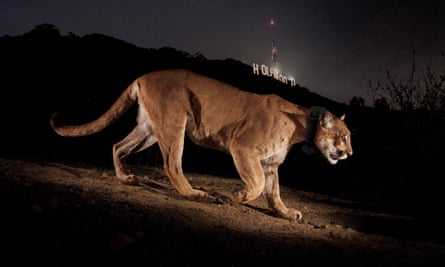
Griffith Park, sprawling across 4,310 acres—roughly five times the size of New York City’s Central Park—encloses Mount Lee in a cradle of chaparral, steep canyons, and native brush. Far from being a sterile tourist backdrop, this protected hillside serves as a critical ecological corridor, supporting hundreds of species of birds, mammals, and reptiles. It is a territory where bobcats roam beneath the steel girders, rattlesnakes coil at the concrete bases of the letters, and mountain lions like the late, legendary P-22 once found safe haven against the glittering backdrop of the city lights.
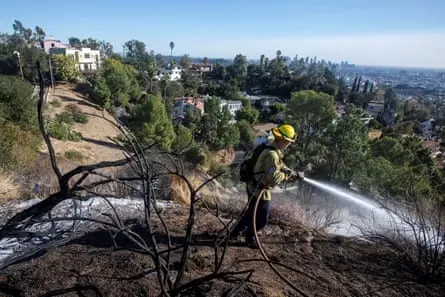
Today, this fragile coexistence between urban icon and wild sanctuary is entering a new era. Facing mounting threats from climate change, severe droughts, erratic rainfall, and catastrophic wildfires, the caretakers of the Hollywood Sign are deploying cutting-edge technology to safeguard the landmark. In collaboration with Torch Systems, a specialized tech enterprise, the Hollywood Sign Trust is outfitting the monument with solar-powered sensors and artificial intelligence-driven fire-detection cameras. This high-tech surveillance system is designed to spot smoke plumes miles away, mitigating what conservationists identify as the single greatest threat to the basin. As urban encroachment intensifies and environmental pressures mount, the future of the Hollywood sign depends less on its steel framework and more on the ecological resilience of the earth beneath it.
Detailed Chronology: From Real Estate Billboard to Global Icon
To understand the modern challenges facing Mount Lee, one must retrace the tumultuous century-long history of the sign itself—a structure that began not as a permanent monument, but as a temporary, speculative marketing gimmick.
1923: The Birth of "Hollywoodland"
In 1923, the Los Angeles real estate market was booming, and developers Harry Chandler and Woodruff Johnson sought an eye-catching way to promote a new upscale housing development nestled in the hills south of Griffith Park. Their solution was a massive temporary sign reading "HOLLYWOODLAND." Constructed from humble materials—sheet tin, wooden telephone poles, and scaffolding—and illuminated by thousands of lightbulbs, the 45-foot-tall letters were meant to stand for just a year and a half. Instead, the sign struck a cultural chord, capturing the burgeoning public fascination with the burgeoning motion picture industry.
1939–1949: Deterioration and the First Rescue
As the Great Depression gripped the nation and World War II altered the American landscape, the Hollywoodland sign fell into severe disrepair. The letter "H" famously collapsed in the late 1940s, prompting the City of Los Angeles to step in. In 1949, the Hollywood Sign Trust (then under different municipal arrangements) worked with the city to remove the final four letters—"LAND"—leaving behind the globally recognized nine-letter testament to the neighborhood’s cinematic identity. However, the structure remained vulnerable to the elements, constructed as it was from rotting wood and rusting sheet metal.
1978: The Hugh Hefner Campaign and Steel Reconstruction
By the late 1970s, the sign was in a state of catastrophic decay. Several letters had fallen down completely, and the remaining structure was structurally unsound. Recognizing the cultural tragedy of losing the landmark, Playboy magazine founder Hugh Hefner spearheaded a high-profile fundraising campaign. A consortium of celebrities and public figures—including rock star Alice Cooper, who famously sponsored the letter "O"—donated funds to rebuild the monument from the ground up. In 1978, the old wooden letters were torn down and replaced with massive, engineered steel beams anchored deep into concrete foundations on Mount Lee’s steep slopes, designed to withstand rockslides, high winds, and seismic tremors.
2010–2013: The P-22 Era and Ecological Awakening
As public access to the immediate vicinity of the sign was permanently restricted for security and safety reasons, the surrounding hillsides became an undisturbed sanctuary for local wildlife. This ecological revival reached global consciousness in 2013, when National Geographic published a breathtaking nighttime photograph by Steve Winter. The image captured P-22, a male mountain lion that had miraculously crossed two major Los Angeles freeways to take up residence in Griffith Park, prowling gracefully with the brilliantly illuminated Hollywood sign glowing in the background. The photograph cemented the sign’s status not just as a monument to human ambition, but as a haunting, beautiful juxtaposition of urban civilization and untamed nature.
2025–Present: The AI and Wildfire Defense Era
With climate volatility increasing the frequency of extreme weather events and brush fires across Southern California, the Hollywood Sign Trust initiated a partnership with Torch Systems. Integrating solar-powered AI smoke-detection cameras directly onto the monument marks the latest evolutionary milestone for the structure, shifting its operational focus from structural preservation to active environmental defense.

Supporting Context & Metrics: The Ecology and Geography of Mount Lee
The geographical footprint of the Hollywood sign is deceptively complex. Situated within the 4,310-acre expanse of Griffith Park, the landmark operates at the intersection of heavy urban density and fragile native habitats.
Biodiversity Hotspot in an Urban Basin
Far from being a manicured city park, Griffith Park functions as a vital ecological corridor. According to data from the University of California, Los Angeles (UCLA) Educational Research Center, the park has been designated a Significant Ecological Area (SEA). Its primary ecological value lies in its role as a biological bridge, facilitating gene flow and species migration between the Santa Monica Mountains, the San Gabriel Mountains, and the Verdugo Mountains.
- Avian Life: Researchers and ornithologists have documented approximately 200 distinct bird species inhabiting the park, ranging from red-tailed hawks coasting thermal updrafts to cavity-nesting birds that utilize the crannies around the structural framework of the sign itself.
- Mammalian Populations: The park supports around 40 mammal species. While apex predators like mountain lions command headlines, the hills are heavily populated by bobcats, coyotes (evidenced by the constant presence of scat along the steep service trails), mule deer, and raccoons.
- Reptiles and Insects: Over 50 species of butterflies and numerous native snakes—including Pacific gopher snakes and rattlesnakes—find refuge at the sun-baked bases of the letters.
The Geography of Fire Risk
Mount Lee’s topography presents severe management challenges. The slopes are exceptionally steep, crisscrossed by unstable soils prone to erosion, landslides, and rockslides. Furthermore, the regional climate is characterized by extended drought cycles followed by intense rainy seasons, which promote rapid undergrowth growth that subsequently dries out into tinderbox conditions during the hot summer and autumn Santa Ana wind events.
The primary threat to the Hollywood sign—and the residential neighborhoods sprawling directly below it—is catastrophic wildfire. With millions of tourists visiting viewpoints across the city and occasional unauthorized hikers navigating the restricted hillsides with lit cigarettes, the risk of human-ignited brush fires is an ongoing operational crisis for park authorities and emergency responders.
Official Statements: Perspectives from the Frontline of Care
Maintaining a cultural monolith nestled inside a wildlife refuge requires a delicate balancing act between public safety, heritage preservation, and environmental stewardship.
Diana Wright, the official caretaker for the Hollywood Sign Trust, offers an intimate perspective on the realities of managing the landmark:
"Los Angeles is butted up against nature," Wright remarks, gesturing toward the sweeping vistas of the 4,310-acre park that blankets the mountain in the sign’s shadow. "We’re inside this huge natural park—way bigger than Central Park—and also much more native. And then you’ve got this man-made sign of it that’s meant to withstand rockslides and landslides and winds."
Wright highlights the unique architectural identity of Los Angeles, noting how the city’s cinematic history has shaped its physical environment. Much of downtown Los Angeles and surrounding neighborhoods have historically been engineered or dressed to resemble other global locations—such as New York streetscapes or Parisian boulevards—to accommodate film production.
"Much of the city is designed to look like other places due to our filming background," Wright explains. "The sign offers that sense of place that so many parts of the city lack." This unique psychological anchor explains why the sign is so frequently deployed as visual shorthand in cinema—whether being spectacularly destroyed in blockbuster disaster films or photographed standing proud against rare meteorological phenomena, such as a once-in-a-decade Los Angeles snowstorm.
Addressing the environmental strategy for the hill, Wright outlines ongoing restoration efforts aimed at bolstering biodiversity:
"The Hollywood sign is such a celebration of California. It should be beautiful and stunning in its natural glory."
Plans are currently underway in cooperation with municipal agencies to introduce more native California flora around the monument, with discussions exploring the potential cultivation of a native flower super bloom. Such initiatives aim to replace invasive grasses that exacerbate fire risks with resilient, indigenous plant species that support local pollinators and stabilize the erodible slopes.
Future Outlook: Surviving the Next Century
As the Hollywood sign looks ahead toward its second century, its continued existence is inextricably linked to environmental variables far beyond human control. When asked whether the towering white letters will still stand atop Mount Lee in the year 2125, and what manner of wildlife might roam the brush beside them, Diana Wright points directly to the ground beneath her boots.
"The hillside is going to define what the sign is like in the future," she notes, emphasizing that a major seismic event along Southern California’s fault lines or a severe ecological shake-up could dramatically reshape the physical topography of the basin. "I think that’s a real metaphor for Los Angeles in general."
The integration of Torch Systems’ AI-powered smoke-detection sensors represents a vital technological shield for the immediate future. By combining real-time atmospheric monitoring with strict conservation zoning, the Hollywood Sign Trust and municipal authorities hope to outpace the escalating threats posed by climate change.
Yet, beneath the cutting-edge camera lenses, the solar arrays, and the engineered steel beams, the fundamental reality of Mount Lee remains unchanged. As lizards scurry away from footsteps in the midday heat and red-tailed hawks drift silently on the Pacific thermals, the Hollywood sign remains what it has always been: a fragile, awe-inspiring intersection of human dreams and the untamed, resilient earth of Southern California.



