

Executive Overview
For nearly half a century, the global marine environment has undergone a profound, accelerating transformation—one witnessed intimately by those who have spent their lives beneath the waves. Virginia Bria, a seasoned diver, underwater photographer, and former dive instructor with 49 years of aquatic exploration beneath her belt, represents a rare class of eyewitnesses to this ecological shift. Having learned and taught the craft of diving along the rugged, frost-kissed coastlines of Northern California, Bria has watched the once-thriving kelp forests—characterized by dense, impenetrable canopies of bull kelp—give way to barren underwater landscapes. The vibrant marine mammals, complex fisheries, and rich biodiversity that once defined her local diving grounds have experienced alarming declines, mirroring a devastating global trend driven by anthropogenic climate change, ocean acidification, and relentless ecological degradation.
Yet, amid the sobering realities of marine depletion, a powerful counter-movement has emerged, spearheaded by legendary oceanographer Dr. Sylvia Earle and her global conservation initiative, Mission Blue. Bria’s journey intersects deeply with this movement, transitioning from a passionate underwater photographer to an active global advocate. Through high-stakes expeditions ranging from the vibrant, protected coral reefs of Cuba’s Jardines de la Reina to the rapidly warming, fragile ecosystems of the Arctic, this narrative explores the frontline of modern marine conservation.
This report examines the structural underpinnings of Mission Blue’s "Hope Spots" initiative, evaluates the critical role of multi-generational education, and underscores the urgent necessity of legacy-driven environmental philanthropy. By synthesizing firsthand accounts from landmark expeditions—including the 2015 Elysium Artist for the Arctic Expedition and the subsequent 2025 BIG ACE Expedition aboard the V/S Sylvia Earle—we present a comprehensive analysis of the challenges facing our oceans and the resilient strategies being deployed to safeguard them for future generations.
Detailed Chronology: A 49-Year Lens on Ocean Transformation
The Golden Era of Northern California Diving (The 1970s–1990s)
When Virginia Bria first donned a scuba regulator nearly five decades ago, the marine ecosystems of Northern California were robust, dynamic, and resilient. Subtidal zones were dominated by massive underwater forests of bull kelp (Nereocystis luetkeana), which served as foundational habitats for countless species of fish, invertebrates, and marine mammals. For a young diver and aspiring underwater photographer, these waters offered an undisturbed, almost cathedral-like sanctuary. Dive instruction during this era focused heavily on technical proficiency while taking an abundant, biodiverse marine environment for granted.
The Cascading Ecological Collapse (The 2000s–Present)
As decades progressed, the subtle indicators of stress within the Pacific marine ecosystem evolved into catastrophic failures. The convergence of marine heatwaves (such as the persistent "Blob" warming events in the Pacific), the decimation of sunflower sea stars by sea star wasting disease, and the subsequent explosion of purple sea urchin populations led to the systemic overgrazing of kelp forests.
- The Loss of Canopies: Once-thriving bull kelp forests along the California coast transformed into sprawling urchin barrens.
- Faunal Disappearance: Resident fish populations, pelagic visitors, and marine mammal sightings dwindled significantly in waters where they were once ubiquitous.
- Global Parallels: Bria notes that these regional tragedies are not isolated incidents; her extensive international travels as an underwater photographer revealed identical patterns of coral bleaching, overfishing, and habitat loss across the globe.
Entering the Orbit of Mission Blue (2015)
The turning point from passive observation to active mobilization occurred in 2015. Bria participated in her first Elysium Artist for the Arctic Expedition, an immersive journey that coincided with the 80th birthday of Dr. Sylvia Earle. Working alongside Dr. Earle and a multidisciplinary cohort of scientists, artists, and divers in the high Arctic, Bria witnessed firsthand the unyielding dedication of the world’s most prominent ocean advocate. This formative experience catalyzed an immediate, enduring alignment with Mission Blue, embedding Bria within a global network of conservationists dedicated to establishing marine protected areas known as Hope Spots.
Documenting Pristine Sanctuaries: Jardines de la Reina, Cuba
Among Mission Blue’s most compelling initiatives is the designation and protection of Hope Spots—special areas that are scientifically identified as critical to the health of the ocean. Bria joined Dr. Earle on an expedition to document the Jardines de la Reina (Gardens of the Queen) Marine Nature Park off the southern coast of Cuba.
Because Cuba historically restricted commercial diving and large-scale industrial fishing in the region for decades, the marine ecosystem remained remarkably unblemished. Diving into these waters revealed a time capsule of what Caribbean reefs looked like centuries ago:
- Pristine, structurally complex coral colonies untouched by widespread bleaching.
- High concentrations of apex predators, including healthy populations of silky, Caribbean reef, and hammerhead sharks.
- A thriving, balanced trophic web that demonstrated the immediate resilience of marine life when anthropogenic pressures are removed.
The BIG ACE Expedition and Arctic Revival (2025)
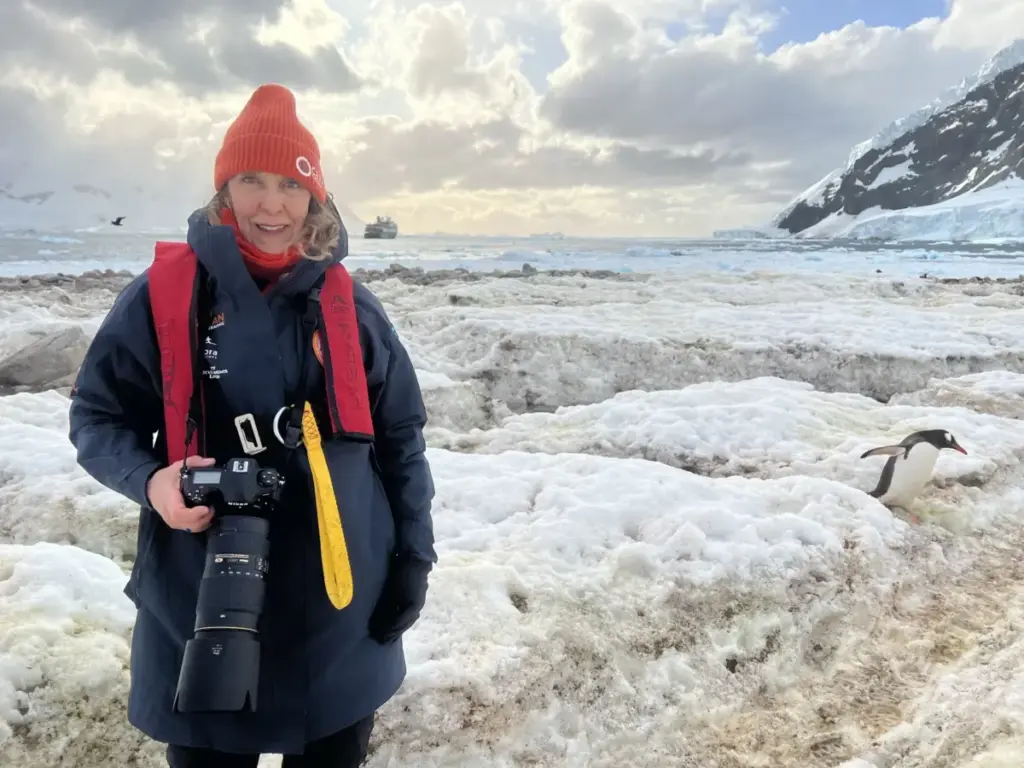
Most recently, Bria’s conservation arc came full circle aboard the vessel named after her mentor—the V/S Sylvia Earle—during the BIG ACE Expedition 2025. Serving in the high northern latitudes with Dr. Earle as chief scientist, the expedition focused not only on gathering critical baseline scientific data in a rapidly warming polar region but also on cultivating the next wave of ocean leadership through youth engagement.
Supporting Context & Metrics: The Science of Hope Spots
To understand the urgency driving Mission Blue and its supporters, one must examine the macro-level metrics governing contemporary ocean health. Oceans cover approximately 71% of the Earth’s surface, generate over 50% of the oxygen in the atmosphere, and absorb more than 90% of excess heat generated by anthropogenic climate change. Yet, they face unprecedented compounding crises.
+-------------------------------------------------------------------------+
                    THE CUMULATIVE THREAT MATRIX TO MARINE ECOSYSTEMS
+---------------------------+---------------------------------------------+
| Threat Vector             | Ecological Impact                           |
+---------------------------+---------------------------------------------+
| Ocean Warming & Heatwaves | Triggers mass coral bleaching events and    |
|                           | alters critical marine migration routes.    |
+---------------------------+---------------------------------------------+
| Acidification             | Lowers pH levels, dissolving calcium        |
|                           | carbonate shells of pteropods and corals.   |
+---------------------------+---------------------------------------------+
| Overfishing & Bycatch     | Depletes trophic webs, destabilizing both   |
|                           | coastal and pelagic ecosystems.             |
+---------------------------+---------------------------------------------+
| Habitat Destruction       | Unregulated trawling and coastal develop-   |
|                           | ment destroy foundational nurseries.        |
+---------------------------+---------------------------------------------+
What is a Hope Spot?
Traditional Marine Protected Areas (MPAs) are often difficult to establish due to bureaucratic delays and local economic resistance. Mission Blue’s Hope Spots model bypasses these bottlenecks by identifying places that are scientifically verified to be critical to the health of the ocean, leveraging local communities, indigenous populations, and international pressure to advocate for their formal protection.
As of the mid-2020s, Mission Blue has championed over 150 Hope Spots globally. These sites range from small, locally managed coastal inlets to massive pelagic migration corridors. The core philosophy is straightforward: protect the seeds of biodiversity today so that they can naturally repopulate the degraded oceans of tomorrow.
Official Perspectives and Personal Testimonies
The narrative of modern marine conservation is inherently personal, built upon the emotional connection between humans and the aquatic world. Virginia Bria’s reflections articulate a profound sense of reciprocity with the ocean:
"I have explored the ocean worldwide and shared the beauty of nature, which has given me peace and health throughout my life. In return, the ocean never asks anything of me. I cannot imagine the loss of so many sentient creatures I have photographed over the years, and I feel an obligation to protect what I love for the next generation."
This sentiment echoes the overarching ethos of Dr. Sylvia Earle’s life work. Often referred to simply as "Her Deepness," Earle has consistently emphasized that the next thirty years will determine the next ten thousand years of human history. The survival of humanity is inextricably linked to the survival of the blue heart of our planet.
The Youth Ambassador Phenomenon
A vital highlight of the recent 2025 BIG ACE Expedition was the inclusion of a dedicated cohort of youth ambassadors ranging from 9 to 24 years old. Rather than viewing young people as passive inheritors of an ecological crisis, Mission Blue integrated them directly into the scientific dialogue aboard the vessel.
Bria describes these young delegates not merely as participants, but as "rock stars":
- Empirical Learning: They absorbed complex oceanographic data directly from veteran scientists and researchers.
- Global Advocacy: They translated technical insights into accessible, high-impact narratives designed to awaken global audiences to the realities of climate-induced marine devastation.
- Intergenerational Continuity: Their presence provided seasoned conservationists like Bria and Earle with tangible proof that the passion for ocean stewardship is scaling effectively across generations.
Future Outlook: Legacy, Philanthropy, and the Road Ahead
As the global community confronts the midpoint of the critical 2030 climate targets, the mandate for marine conservation has shifted from passive preservation to aggressive ecological restoration. The strategies moving forward rely on three distinct pillars:
1. Scaling the Hope Spot Network
The immediate future requires expanding the designation of Hope Spots to cover at least 30% of the global ocean by 2030 (the "30×30" initiative). Achieving this target demands aggressive lobbying, cross-border diplomatic cooperation, and robust community-led conservation frameworks that empower local populations to act as frontline stewards of their marine resources.
2. Amplifying Next-Generation Leadership
The success of the BIG ACE Expedition proves that youth mentorship programs must be mainstreamed into marine science operations. By equipping younger demographics with the technical tools, expeditionary experiences, and communication platforms necessary to tell ocean stories, the conservation movement secures its most vital asset: enduring human capital.
3. Institutional and Individual Legacy Philanthropy
Translating passion into long-term systemic protection requires sustainable financial architectures. Organizations like Mission Blue rely heavily on continuous funding streams to support scientific expeditions, policy advocacy, and community outreach. Recognizing this, conservation groups are increasingly emphasizing planned giving and legacy gifts.
As highlighted by Mission Blue’s ongoing development initiatives, structured legacy planning allows dedicated advocates to permanently anchor their commitment to the ocean. Planned gifts offer a profound mechanism to ensure that the resources required to research, document, and protect fragile marine ecosystems outlive the donors themselves, turning a lifetime of appreciation into generational protection.
Conclusion
Virginia Bria’s 49-year odyssey from a curious local diver in Northern California to an international voice for ocean conservation serves as a microcosm of our collective historical moment. It bridges the gap between grief over what has been lost and fierce determination for what can still be saved. Through the unyielding leadership of figures like Dr. Sylvia Earle, the strategic architecture of Mission Blue’s Hope Spots, and the surging energy of youth ambassadors worldwide, the movement to protect the deep blue continues to gather momentum—proving that as long as there are champions willing to speak for the ocean, there is always hope.



