

By the Environmental and Fisheries Desk
Published by the Blue Marine Foundation — September 30, 2026
Executive Overview
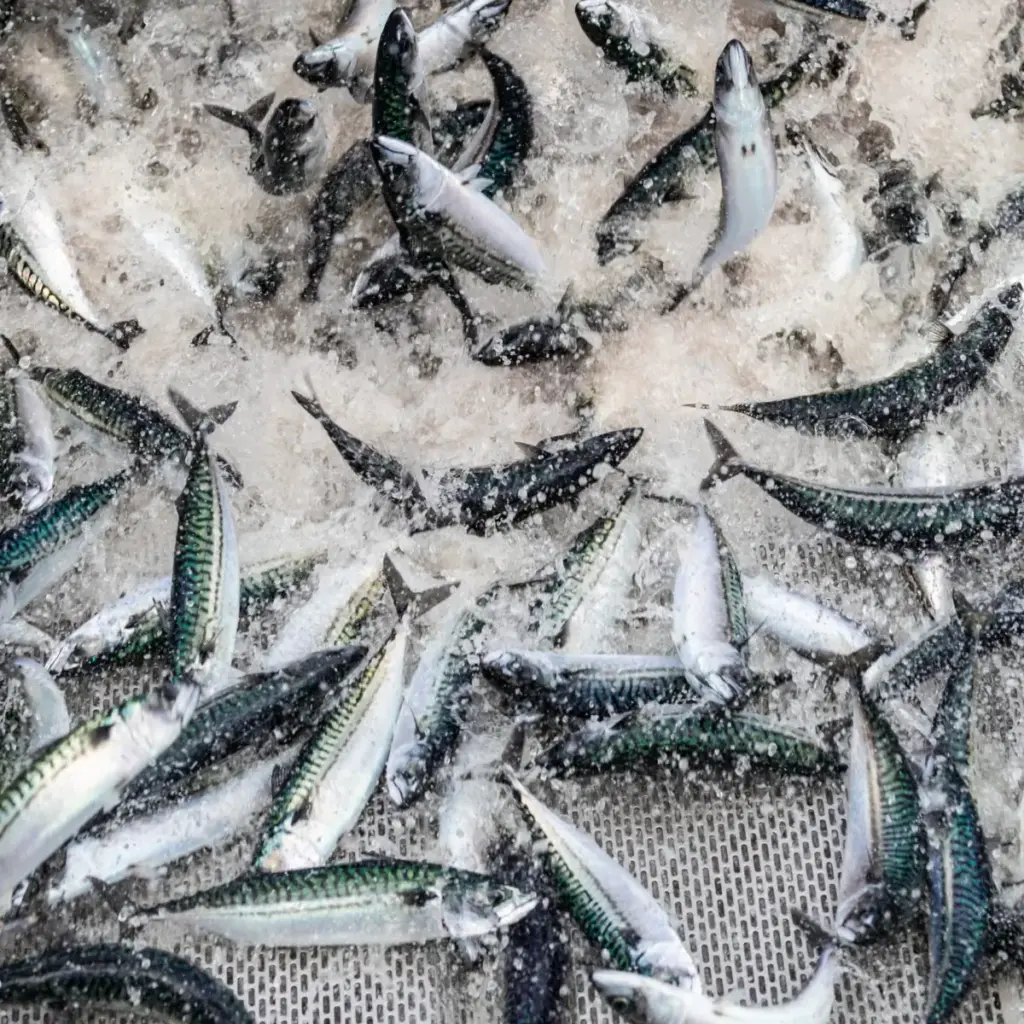
The Northeast Atlantic mackerel fishery—the largest and most economically lucrative fishery in the region—has narrowly averted a catastrophic collapse. According to newly released scientific advice from the International Council for the Exploration of the Sea (ICES), a modest uptick in the stock’s population has spared the species from a devastating zero-catch recommendation. Yet, beneath the veneer of this temporary reprieve lies an alarming reality: the mackerel population was saved not by prudent governance or responsible fisheries management, but entirely by biological luck.
For the past decade, political expediency has consistently trumped empirical science. Governments across the Northeast Atlantic have routinely ignored scientific quotas, allowing chronic overfishing to hollow out one of Europe’s most vital marine resources. Despite a slight demographic recovery driven by improved recruitment and higher mean weights-at-age, the stock has plummeted by a staggering 72% since 2016. Today, the biomass remains critically below the thresholds mandated by international treaties and domestic UK law.
In response to the latest ICES assessment, marine scientists are calling for an 11% reduction in catches for the upcoming year, demanding that all fishing nations finally commit to sustainable limits. As major retailers begin pulling mackerel from their shelves over sustainability fears, policymakers face an urgent reckoning. The central question for governments now is whether they will finally heed the warnings of the scientific community or continue to gamble away the future of a multibillion-dollar industry.
Detailed Chronology: A Decade of Decline and Near-Misses
To understand the precarious state of the Northeast Atlantic mackerel fishery today, one must examine the systematic erosion of catch limits over the last ten years. The trajectory of the stock has been defined by a dangerous disconnect between the scientific community’s dire warnings and the short-term economic and political ambitions of coastal states.
The 2016 Baseline and the Slippery Slope
Back in 2016, the mackerel stock stood at a robust level, supporting thriving fleets across the UK, Norway, Iceland, the Faroe Islands, and the European Union. However, even then, cracks were forming in the management framework. Coastal states failed to reach cooperative agreements on catch shares, leading to unilateral quota settings that consistently exceeded scientific advice. Cumulative overfishing year after year created a downward spiral.
By the time ICES began issuing increasingly urgent warnings in the early 2020s, the cumulative damage was profound. Between 2016 and the present day, the spawning stock biomass (SSB) suffered an aggregate decline of 72%. Rather than responding with aggressive, precautionary conservation measures, fisheries ministers repeatedly engaged in over-allocation, prioritizing immediate geopolitical appeasement over long-term ecological stability.
The 2025–2026 Turning Point
The situation reached a critical juncture during the setting of the 2025 quotas. The pressure on the stock was so acute that the recommended fishing mortality was slashed to a restrictive 0.07, driving deep anxiety among industry stakeholders that a complete fishery closure—a zero-catch recommendation—was imminent.
Fortunately, biological resilience intervened. According to ICES advice, an unexpected surge in recruitment from the 2024 year class, alongside higher mean weights-at-age observed in the stock, elevated the projected 2026 spawning stock biomass to a level safely above the limit reference point ($B_lim$). Because the stock cleared this critical biological floor, ICES was able to recommend a higher fishing pressure of 0.15 for 2026, translating to a 102% adjustment in the baseline advice compared to the previous year.
However, context is vital. Despite this technical upward revision in allowable pressure, the practical net result of the calculations for the industry is that actual catches must still be reduced by 11% relative to previous levels to prevent the stock from sliding backward into dangerous territory.
Supporting Context & Metrics: The Anatomy of a Crisis
The crisis enveloping the Northeast Atlantic mackerel fishery cannot be viewed in isolation; it is symptomatic of broader systemic failures in international fisheries management.
The Mathematics of Survival
To grasp the severity of the ICES findings, one must analyze the biological metrics governing the stock:
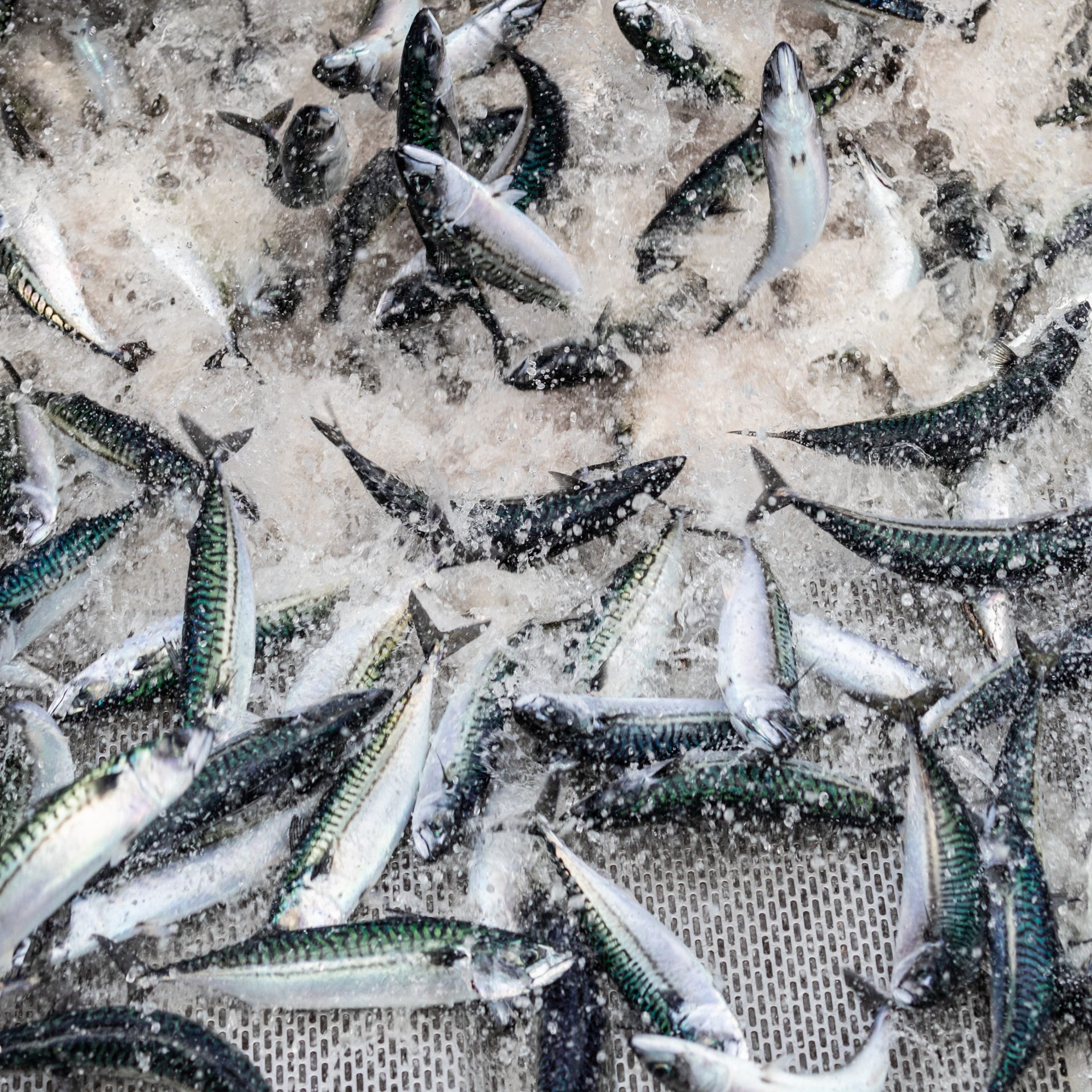
- 72% Decline: The total drop in stock volume since 2016, reflecting years of unchecked exploitation.
- Below Legal Thresholds: Despite the 2026 recruitment boost, the stock remains below the baseline levels required by UK domestic law and international conservation treaties.
- The 11% Cut: The explicit reduction in catches mandated by scientists to stabilize the population and allow for long-term recovery.
- Fishing Pressure Shifts: The allowable fishing mortality rate shifted from a draconian 0.07 in the 2025 advice to 0.15 in the 2026 advice, directly mirroring the temporary boost provided by the 2024 year class.
Corporate Accountability: The Waitrose Intervention
The governance failure has not gone unnoticed by the private sector. Earlier this year, major UK supermarket chain Waitrose took the unprecedented step of suspending the sourcing and sale of Northeast Atlantic mackerel.
The retailer cited chronic overfishing and the utter failure of regional governments to align quotas with scientific consensus. In its public statements, Waitrose warned that continued political inaction posed an existential threat to the long-term viability of the fishery and severely undermined consumer confidence in seafood sustainability. This high-profile boycott sent shockwaves through the supply chain, signaling to policymakers that consumer markets are increasingly unwilling to stomach environmentally irresponsible seafood.
Official Statements: Voices from the Frontlines
The release of the ICES advice has catalyzed sharp commentary from environmental watchdogs and marine policy experts, who are urging immediate, collective action from all mackerel-fishing nations.
"The stock has declined by 72% since 2016 and is still below the level required by international treaties and UK domestic law. Scientists are advising that catches be reduced by 11% and all the mackerel fishing countries should commit to doing this," stated Jonny Hughes, Fisheries Policy Lead at the Blue Marine Foundation.
Emphasizing the close brush with disaster, Hughes added: "The fact the stock has avoided a further decline is good, but it highlights the uncomfortable reality that governments came dangerously close to repeating the mistakes that have driven other fish stocks into collapse. The question now is whether governments will finally listen to the science or continue gambling with one of the most important fisheries in the Northeast Atlantic."
Marine conservationists emphasize that the temporary reprieve offered by the 2024 year class is a luxury the ecosystem cannot afford to squander. Relying on biological luck is not a management strategy; it is ecological roulette.
Future Outlook: A Critical Crossroads for Fisheries Management
As coastal states prepare to negotiate quotas for the upcoming management cycles, the Northeast Atlantic mackerel fishery stands at a definitive crossroads.
The Need for Binding, Multilateral Cooperation
The root cause of the mackerel crisis is not a lack of scientific understanding, but a profound failure of international diplomacy. Because mackerel are a highly migratory pelagic species, they traverse the exclusive economic zones (EEZs) of multiple jurisdictions as well as international waters. For decades, coastal states—including the UK, Norway, Iceland, the Faroe Islands, and the EU—have engaged in competitive over-allocation, setting unilateral quotas that vastly exceed the total allowable catch (TAC) recommended by ICES.
If the fishery is to survive and recover to healthy, legally compliant levels, these nations must set aside political posturing and establish a binding, science-based quota-sharing agreement. Without equitable and enforceable catch limits, any short-term biological gains will be rapidly wiped out by aggressive fishing fleets seeking to maximize immediate yields.
Restoring Consumer and Market Confidence
The intervention by retailers like Waitrose demonstrates that the market is beginning to enforce its own form of conservation. If governments fail to implement the recommended 11% catch reduction and align their policies with ICES guidelines, they risk triggering broader commercial boycotts. A widespread loss of Marine Stewardship Council (MSC) certification—parts of which have already been suspended or threatened in recent years—would devastate the export economies of fishing nations.
Conclusion: Listening to the Science
The 2026 ICES advice provides a narrow window of opportunity. It proves that the mackerel stock possesses inherent biological resilience when given even a brief window to breathe. However, nature has thrown policymakers a lifeline, not a permanent shield.
Governments can no longer afford to gamble with the future of the Northeast Atlantic. To secure the long-term health of the marine ecosystem and protect the livelihoods of thousands of fishers, international authorities must immediately adopt the recommended 11% catch reduction, respect the boundaries of marine law, and finally bring political ambition into alignment with the unyielding laws of nature.



