

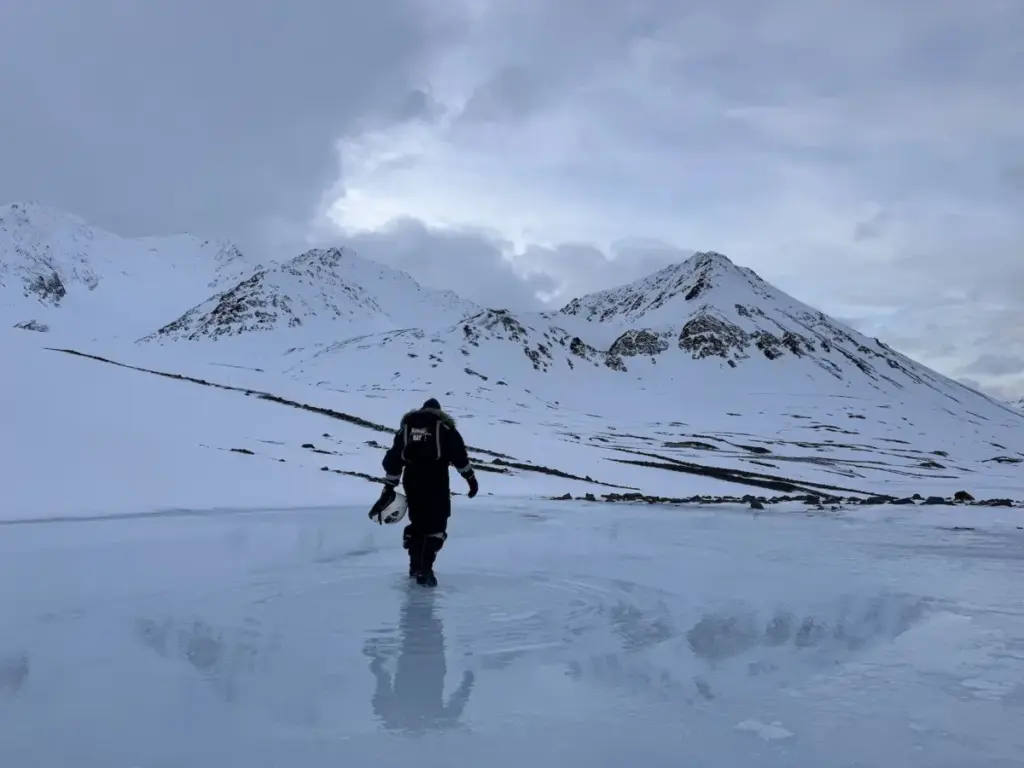
Originally published by IndigiNews and updated with additional reporting. This story is distributed through the Indigenous News Alliance.
Executive Overview
Across the rapidly warming expanses of the Canadian Arctic, a quiet transformation is underway at the intersection of climate resilience, traditional knowledge, and modern wildlife management. As global temperatures rise—with the Arctic warming nearly four times faster than the rest of the planet—the delicate balance between human communities and apex predators is shifting. Sea ice, the vital highway and hunting platform for polar bears, is disappearing earlier in the spring and forming later in the autumn, stranding massive carnivores on land for unprecedented lengths of time.
In the Inuit region of Nunatsiavut, located in northern Labrador, this ecological disruption has led to an uptick in unfamiliar, potentially dangerous encounters between humans and bears. Enter BearSafe Planning, a pioneering, community-rooted training initiative founded in 2005 by Derrick Pottle, a seasoned Inuk elder and retired Canadian government conservation officer.
For two decades, Pottle’s comprehensive three-day certification program has equipped Inuit locals, researchers, park rangers, and eco-tourists with the vital skills needed to read wildlife behavior, prevent aggressive encounters, and safeguard human lives. What began as a localized necessity following the establishment of Torngat Mountains National Park has blossomed into an essential profession across Inuit Nunangat. Today, certified bear guards not only protect scientists, film crews, and cruise ship tourists exploring the North, but they also provide families with the peace of mind needed to safely harvest, fish, and practice traditional ways of life on the land.
As climate change continues to rewrite the rules of Arctic survival, programs like BearSafe Planning represent a masterclass in Indigenous-led adaptation—blending ancestral wisdom with contemporary protocols to protect both people and wildlife.
Detailed Chronology: The Evolution of BearSafe Planning
The Pre-Park Era: Informal Guidance and Local Knowledge
Long before formal bear-guarding agencies existed in northern Labrador, safety in bear country relied entirely on informal networks of experienced hunters and land-users. Derrick Pottle spent years working as a conservation officer with the Canadian government, cultivating a deep, nuanced understanding of regional wildlife. Even during and after his tenure, community members routinely sought him out to act as an armed escort and guide during boat trips, snowmobile excursions, and dog-team expeditions.
Pottle’s deep familiarity with the land and its creatures made him an indispensable figure in Tikigâksuagusik and surrounding areas. However, as ecotourism began to trickle into the North and government interest in formalizing protected areas grew, the informal methods of the past required a structured, scalable upgrade.
2005: A Legislative Turning Point and the Birth of BearSafe
The pivotal moment for institutionalized bear safety arrived with the ratification of the 2005 Labrador Inuit Land Claims Agreement. This landmark treaty paved the way for the creation of Tongait KakKasuangita SilakKijapvinga—better known as Torngat Mountains National Park.
With the establishment of the new national park, a sudden and pressing logistical challenge emerged: Parks Canada, researchers, mountaineers, and film crews needed armed protection while traversing remote terrain populated by both black bears and massive polar bears.
"They needed bear guards," Pottle recalls, reflecting on the period. "We didn’t have trainers in Nunatsiavut at the time. Somebody had to do it."
Recognizing this urgent vacuum, Pottle stepped forward. Drawing on his decades of field experience as a conservation officer and his lifelong grounding in Inuit culture, he developed the curriculum for BearSafe Planning in 2005. To ensure the program met the highest standards of safety and cultural relevance, he built the training framework in consultation with Parks Canada officials, conservationists, academic researchers, and knowledgeable Inuit elders.
Two Decades of Growth and Adaptation (2005–Present)
Over the last twenty years, BearSafe Planning has evolved from a fledgling regional workshop into a premier northern certification body. Operating on demand, the program has trained cohorts ranging from small groups of local residents to classes of up to 30 students at a time.
While the core curriculum remains grounded in practical deterrence and firearm safety, the context of the training has grown drastically more urgent. The steady retreat of summer sea ice has altered bear migration corridors, bringing predators closer to human settlements, fishing camps, and cabins with increasing frequency. In response, Pottle has continuously updated the training metrics, emphasizing early behavioral recognition, conflict avoidance, and non-lethal deterrent technologies.
Today, graduates of the program find themselves deployed across a vast spectrum of northern industries, from guiding international cruise ship passengers stepping ashore on Arctic beaches to monitoring field camps for government scientists.
Supporting Context & Metrics: Climate Change and the Arctic Predator Dynamic
The urgency driving BearSafe Planning cannot be understood without examining the unprecedented environmental shifts occurring across the circumpolar north.
The Speed of Arctic Warming
According to peer-reviewed meteorological data published in scientific journals like Nature Communications, the Arctic is warming at a staggering rate—nearly four times faster than the global average. This rapid amplification is driven by the albedo effect, wherein melting reflective ice exposes dark ocean waters that absorb more solar radiation, accelerating further warming.
The Crisis of the Sea Ice
For Ursus maritimus (the polar bear), sea ice is not merely a frozen surface; it is habitat, mating ground, and hunting platform rolled into one. Adult males can weigh up to 1,400 pounds, relying almost exclusively on ringed and bearded seals captured at breathing holes or ice edges to accumulate the blubber layer necessary for survival.
According to Environment and Climate Change Canada, between 60% and 80% of the world’s entire polar bear population resides within Canadian borders. However, federal management plans note that climate change remains the singular greatest threat to the species. As atmospheric and ocean temperatures climb, the annual ice-free season in northern waters is expanding. Bears are forced ashore weeks earlier in the summer and are delayed in returning to newly formed ice in the autumn.
Shifting Encounters and Human-Wildlife Coexistence
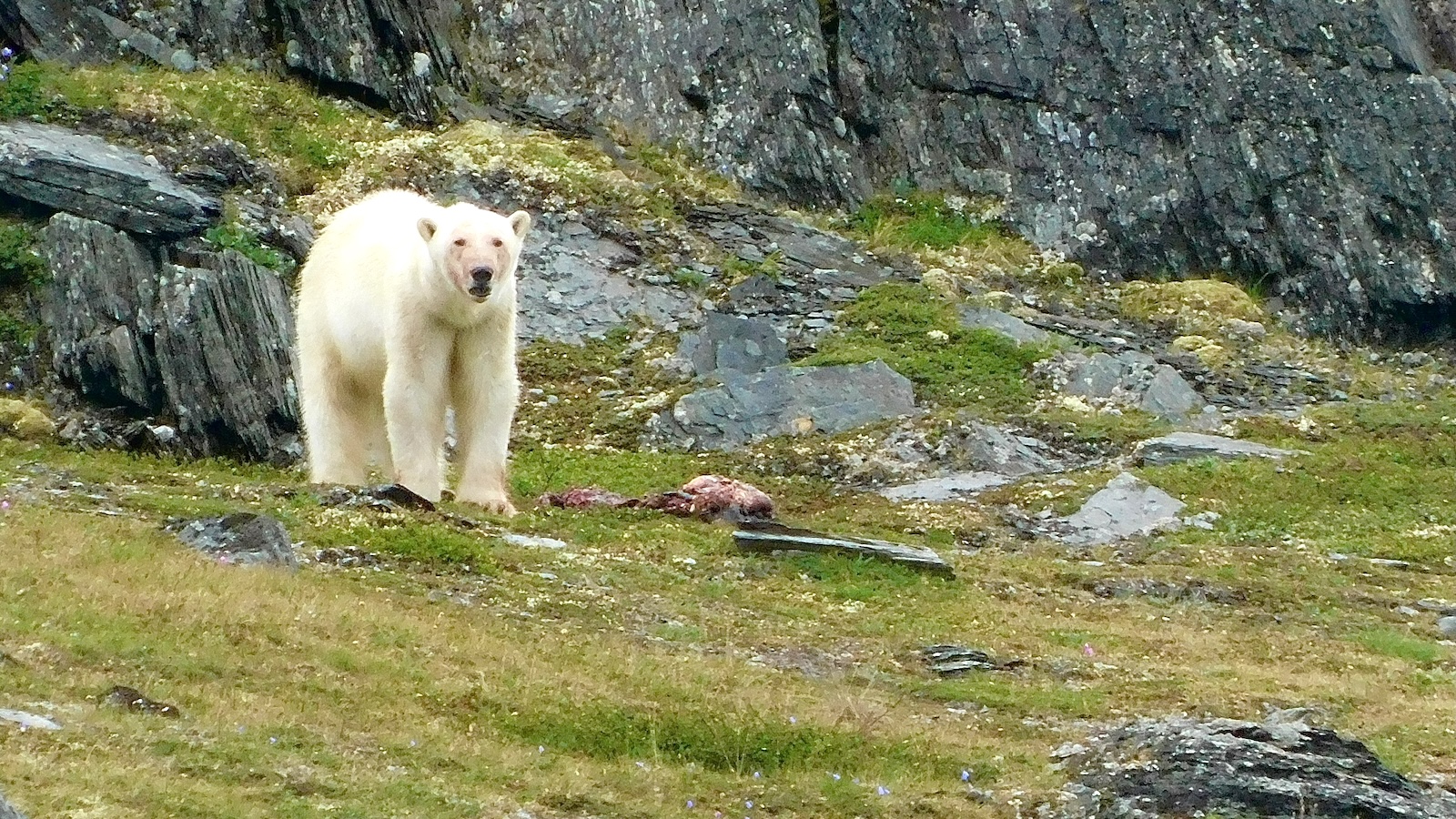
Left ashore without access to their primary marine mammal diet, hungry polar bears increasingly wander near coastal communities, bird colonies, and human encampments in search of scavenging opportunities.
Pottle highlights this behavioral shift directly:
"We’re seeing more and more bears now in this time of our lives than we ever saw before," he observes. "People are seeing polar bears in this part of Inuit Nunangat—where polar bears used to travel north late in the spring—and now are staying all summer long."
This ecological overlap has elevated the risk of dangerous, defensive animal encounters. Government data indicates that human-polar bear overlap is intensifying across Inuit and Cree territories in northern Quebec, Labrador, and Nunavut. Researchers attribute this rise to a confluence of factors: extended ice-free durations, fluctuating local bear body conditions, and a surge in northern human activity, tourism, and industrial development.
Official Status and Policy Frameworks
The legal and conservation status of polar bears underscores the delicate balancing act required by northern safety programs.
- Provincial Status: Under Newfoundland and Labrador’s Endangered Species Act, polar bears are officially classified as "vulnerable."
- Federal Status: Environment and Climate Change Canada designates the polar bear as a "species of special concern" under the federal Species at Risk Act (SARA), requiring meticulous regional management plans to mitigate human-wildlife conflict while respecting Indigenous harvesting rights.
Because lethal removal of polar bears is tightly regulated and culturally discouraged except in extreme cases of self-defense, proactive deterrence is paramount. Professional bear guards serve as the critical human buffer, utilizing flare guns, noisemakers, vehicle deterrents, and watchful positioning to safely redirect bears long before a crisis point is reached.
Voices from the Field: Training for Employment and Protection
For many residents of Nunatsiavut, earning a BearSafe certification is about much more than professional compliance; it is a vital tool for economic self-determination and personal safety.
Sherri Wolfrey’s Journey
Sherri Wolfrey, a mother of four and secretary at the Northern Lights Academy in Tikigâksuagusik, first encountered the program in 2015.
"I became interested in the program and just thought, ‘OK, maybe someday I might want to try for a job that involves bear monitoring,’" Wolfrey shared in an interview with IndigiNews.
Last year, Wolfrey put her certification to professional use for the first time when she was contracted as a field bear guard in Akami-Uapishkâmu–KakKasuak (the Mealy Mountains National Park Reserve). Describing the experience, she remarked on the profound beauty of the landscape—and the sober responsibility required to keep research teams safe.
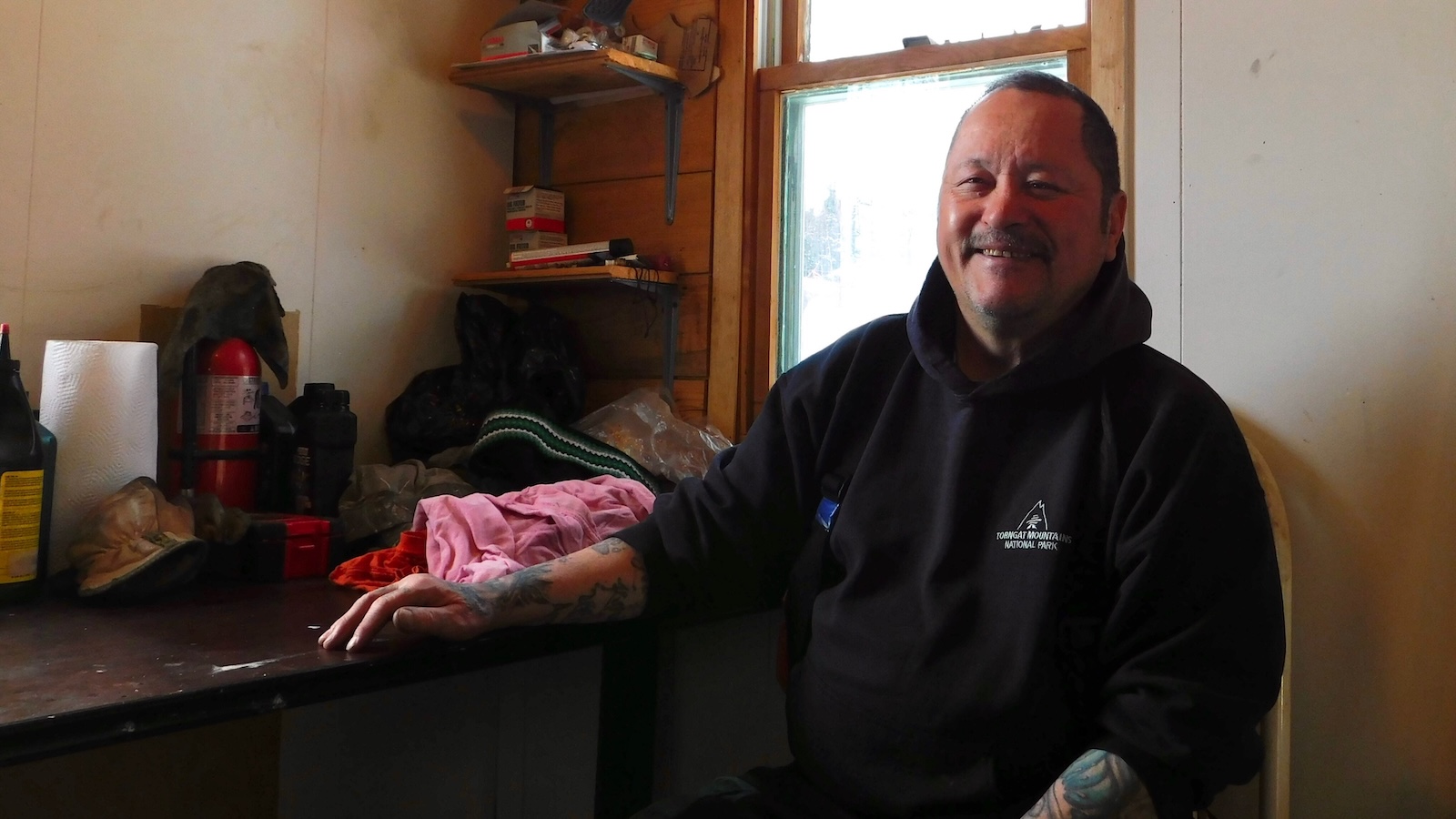
Beyond paid contracts, Wolfrey emphasizes that the skills learned in Pottle’s course are indispensable for everyday northern living:
"It’s good to have the training," she explains, "because when you do what I like to do, especially being at the cabin… you could know what to expect and what to do if you came upon a bear."
A Two-Way Street of Knowledge
Derrick Pottle views his role not merely as an instructor imparting unilateral knowledge, but as a facilitator of shared northern wisdom. He regularly consults with local elders, seasoned hunters, and his own trainees.
"I talk to the Elders, I talk to the hunters, I talk to the students," Pottle says. "A lot of these people live on the land all their lives, so they have lots and lots of experiences and stories. So we learn from one another."
The curriculum teaches students how to interpret subtle behavioral cues that indicate a bear is feeling stressed, cornered, or aggressive.
"They may feel threatened, they may feel intimidated, and they may even charge or attack you," Pottle explains. The course drills students on "how to recognize those signs, how to prepare yourself for them, the tools you have to use to do your job."
Future Outlook: Economic Opportunity and Land Stewardship
As the North continues to grapple with the economic realities of remote living, BearSafe Planning provides a vital pipeline to meaningful employment. In regions where full-time, year-round jobs can be scarce, certified bear guarding opens doors to seasonal and project-based income.
Northern enterprises—ranging from commercial cruise ship operations bringing international ecotourists to coastal fjords, to government scientific surveys, geological exploration teams, and regional parks agencies—frequently contract certified guards. Derrick Pottle draws a direct parallel between bear guarding and other critical sectors of the northern workforce:
"It’s not always easy to find employment in the North, and bear guarding can give people—if they choose to—an opportunity to make a good living from it."
Furthermore, many community members take the course strictly for domestic protection, ensuring that when they take their families out on the land for ice-fishing, berry-picking, hunting, and cultural preservation, they possess the confidence and protective tools to return home safely.
Reflecting on two decades of educating his community, Pottle expresses deep fulfillment in his life’s work:
"You’re doing something you love, and you’re going into communities, and you’re… bringing knowledge," he reflects. "Our role is to keep people safe, and make sure people enjoy the land and enjoy the surroundings—and get the job done and come home safe at the end of your workday."
As climate velocities accelerate across the Arctic circle, the foresight of Derrick Pottle and the resilience of graduates like Sherri Wolfrey demonstrate that the best defense for northern communities lies in empowering local people with the skills, respect, and traditional wisdom needed to coexist with the wild.



