Executive Overview
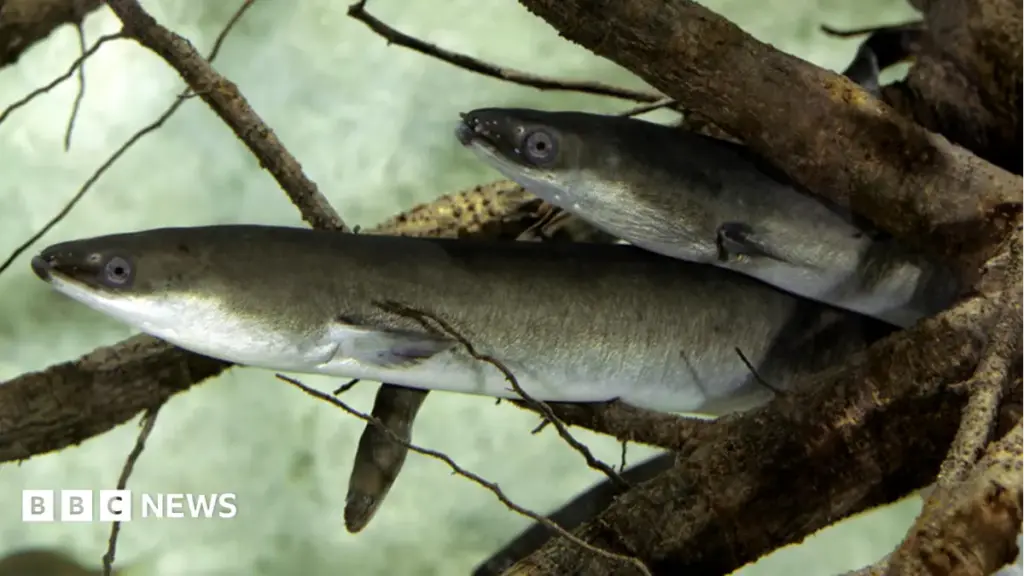
In the quiet, winding streams and secluded freshwater ponds of Guernsey, a silent ecological drama is unfolding. Conservationists and water management authorities have joined forces in a race against time to map, understand, and ultimately protect one of the planet’s most enigmatic and resilient creatures: the European eel (Anguilla anguilla).
Once taken for granted as a common fixture of European waterways, the European eel is now facing an unprecedented global crisis. Plummeting populations, exacerbated by habitat fragmentation, man-made migration barriers, and environmental degradation, have pushed the species to the brink. In response, Guernsey’s Nature Commission and Guernsey Water have launched a pioneering initiative utilizing cutting-edge environmental DNA (eDNA) sampling. This scientific campaign aims to pierce the veil of the island’s freshwater ecosystems, pinpointing exactly where these secretive swimmers still manage to survive against the odds.
The plight of the European eel is characterized by a fascinating yet harrowing life cycle. Exhibiting a catadromous breeding strategy, these remarkable creatures begin their lives thousands of miles away in the abyssal depths of the Atlantic Ocean’s Sargasso Sea. From there, tiny, transparent larvae drift across the ocean currents, transforming into glass eels before ascending freshwater rivers, streams, and ponds to mature. Capable of surviving up to eight decades, these nocturnal hunters are formidable swimmers, yet they are increasingly defenseless against the concrete barriers, culverts, and dams that crisscross modern landscapes.
This investigative report delves into the intricate biology of the European eel, examines the localized conservation efforts underway in Guernsey, analyzes the systemic threats driving their global decline, and outlines the urgent measures required to safeguard the future of this critically endangered species.
Detailed Chronology: The Journey and the Investigation
To understand the urgency of Guernsey’s current conservation efforts, one must first retrace the extraordinary, millennia-old migratory odyssey of the European eel—a journey that now faces unprecedented anthropogenic roadblocks.
The Epic Migration Cycle
The life history of the European eel reads like an epic adventure novel, spanning thousands of miles and crossing distinct ecological zones. It begins in the Sargasso Sea—a vast region of the Atlantic Ocean characterized by swirling gyres and floating sargassum seaweed. Here, in deep, warm oceanic waters, adult eels spawn. The precise mechanics of their spawning remain one of nature’s best-kept secrets, as scientists have rarely observed adult eels in this remote realm.
Once hatched, the microscopic, leaf-shaped larvae, known as leptocephali, are caught by the Gulf Stream and swept eastward toward the coasts of Europe and North Africa. This oceanic voyage can take anywhere from one to three years. As the larvae approach the continental shelf, they undergo a profound metamorphosis, transforming into transparent, finger-sized creatures referred to as "glass eels."
Upon reaching estuaries and river mouths, glass eels undergo a second transformation, developing pigmentation and becoming "elvers." Driven by an innate, powerful urge to colonize freshwater habitats, these young eels push upstream. They exhibit astonishing physical resilience, capable of wriggling across damp land, scaling vertical walls of wet rock, and squeezing through impossibly narrow gaps.
Once they settle in a suitable freshwater habitat—be it a slow-moving river, a muddy pond, or an agricultural ditch—they enter the "yellow eel" stage. During this prolonged phase of their lives, which can last anywhere from a decade to upwards of half a century, they act as apex nocturnal predators. Feeding on insects, crustaceans, and small fish, they grow in both size and strength. According to ecological experts, European eels can live to an astonishing age of 80 years under optimal conditions.
When the biological clock finally dictates, the yellow eels undergo a final metamorphosis into "silver eels." Their eyes enlarge, their skin turns a metallic silver-grey, and their digestive tracts degenerate as they prepare for the ultimate journey. Leaving the safety of Guernsey’s freshwater ponds and streams, they embark on a monumental, non-stop swim back across the Atlantic Ocean to the Sargasso Sea, where they spawn and die, completing the circle of life.
The Genesis of Guernsey’s eDNA Initiative
For decades, monitoring eel populations relied on traditional, often invasive methods such as netting, electrofishing, and visual spot-checks. These techniques, while valuable, are labor-intensive, yield limited geographic coverage, and can cause undue stress to the aquatic wildlife.
Recognizing the need for a more sophisticated, non-invasive approach, ecologist representatives from the Nature Commission, in close partnership with Guernsey Water, initiated a comprehensive eDNA sampling program. Environmental DNA technology allows scientists to detect the genetic traces—shed skin, mucus, feces, and gametes—that organisms leave behind in their surrounding water column.
By collecting water samples from a diverse array of freshwater ponds and streams across the island, researchers can extract and sequence this genetic material to confirm the presence or absence of European eels with remarkable accuracy. This methodology bypasses the physical difficulty of spotting a nocturnal, burrowing creature that spends much of its life hidden beneath rocks or buried in riverbeds.
The ongoing sampling campaign represents a crucial milestone for Guernsey. By systematically mapping the island’s remaining eel populations, authorities can establish a robust baseline dataset. This data is indispensable for evaluating the health of local aquatic ecosystems and determining whether island populations are successfully recruiting new arrivals from the Atlantic or existing in isolated, aging enclaves cut off from the broader marine population.
Supporting Context & Metrics: The Global Crisis of a Local Icon
While Guernsey’s idyllic ponds and streams may seem far removed from global geopolitical and environmental crises, the European eel serves as a stark reminder of how interconnected our ecosystems truly are.
Alarming Population Declines
The collapse of the European eel population over the last four decades is well-documented and deeply alarming. According to the International Council for the Exploration of the Sea (ICES), recruitment of glass eels arriving on European shores plummeted drastically starting in the early 1980s. Today, the arrival of glass eels stands at a mere 5% to 10% of the historical benchmarks recorded between 1960 and 1980.
Consequently, the International Union for Conservation of Nature (IUCN) classifies the European eel as Critically Endangered. This status places the species on the same precarious footing as iconic, highly threatened megafauna like the black rhinoceros and the Sumatran orangutan. Despite this dire classification, eels are frequently overlooked by the general public due to their serpentine appearance and elusive habits, leading to a phenomenon conservationists refer to as "out of sight, out of mind" syndrome.
Habitat Fragmentation and Degradation
The decline of Anguilla anguilla is not driven by a single factor, but rather by a cumulative onslaught of anthropogenic pressures. Ecologists point to freshwater habitat degradation as a primary culprit. Across Europe and its dependent islands, historical wetlands have been systematically drained for agriculture, urban development, and infrastructure expansion.
Furthermore, poor habitat management—such as the removal of riparian vegetation, chemical agricultural runoff, and industrial pollution—has severely compromised the water quality of inland waterways. Water bodies are becoming increasingly fragmented and isolated. When ponds and streams lose their connectivity, resident eels become trapped, unable to migrate between different feeding grounds or escape localized environmental stressors such as drought or pollution events.
Infrastructure Barriers
Compounding the loss of natural habitat is the proliferation of physical barriers along coastal and inland waterways. As water flows from the high ground to the sea, it encounters a barrage of human-made obstacles:
- Dams and Weirs: Large-scale hydroelectric and water-storage structures block upstream migration routes for elvers and downstream spawning migrations for silver eels.
- Culverts and Pipes: Poorly designed drainage pipes create high-velocity water jets and vertical drops that young eels simply cannot swim against.
- Sluice Gates and Pumping Stations: Mechanical infrastructure often results in high mortality rates for silver eels attempting to navigate toward the ocean, as they can be drawn into industrial water intakes or turbine blades.
These barriers effectively slice river systems into disconnected fragments. Even if a pristine pond exists upstream, if a single impassable dam blocks the route from the estuary, that habitat remains entirely unavailable to the next generation of migrating eels.
Official Statements and Expert Insights
The multi-agency effort in Guernsey brings together local ecological expertise and water resource management, driven by a shared commitment to data-driven conservation.
Highlighting the ecological complexity of the species, Burgoine, a leading ecologist involved in the project, detailed the fascinating biological traits of the eel during a recent briefing:
"European eels have a catadromous breeding strategy, which means they hatched in the Sargasso Sea in the Atlantic Ocean, grew up in freshwater environments, and then spawned back in the sea."
Emphasizing their physical prowess and longevity, Burgoine noted:
"The eels are strong swimmers, emerge to hunt at night, and, according to some sources, can live up to the age of 80."
Detailing the collaborative fieldwork currently underway across the Bailiwick, Burgoine explained the mechanics of the monitoring campaign:
"The Nature Commission and Guernsey Water are conducting environmental DNA sampling in the island’s freshwater ponds and streams in a bid to gather more information as to where eels were present."
However, Burgoine did not shy away from the harsh realities facing these aquatic survivors, pointing directly to the degradation of their natural environments:
"Freshwater habitats are declining due to drainage and land clearance, habitat mismanagement, and pollution."
Elaborating on the structural threats that isolate local populations, she added:
"As such waterbodies are becoming more fragmented and isolated, which may prevent eels from moving between them. Also, infrastructure along the coast and further inland, such as pipes and dams, makes it harder for returning eels to migrate inland to their feeding grounds."
Concluding with a clear call to action regarding the broader implications of the study, Burgoine emphasized:
"These species are declining globally, so it would be great to understand more about populations on the island."
Future Outlook: A Roadmap for Recovery
As Guernsey’s eDNA sampling campaign progresses, the data collected will transition from a scientific novelty into an essential policy tool. The findings will provide local authorities with the precise mapping needed to formulate targeted conservation strategies. However, turning the tide for the European eel will require concerted, long-term action across multiple fronts.
1. Enhancing Connectivity through Engineering Solutions
Mitigating the impact of man-made barriers is paramount. Moving forward, Guernsey Water and infrastructure planners must prioritize the retrofitting of existing dams, weirs, and sluice gates with specialized "eel passes" or ramps. These structures utilize rough substrates or continuous low-flow trickles that allow elvers to successfully climb vertical obstacles. Additionally, updating drainage infrastructure with fish- and eel-friendly intake screens will prevent silver eels from perishing in municipal and agricultural water systems.
2. Habitat Restoration and Protection
Protecting existing freshwater ecosystems from further degradation is equally critical. Conservation frameworks must be strengthened to safeguard ponds, streams, and surrounding riparian zones from agricultural runoff, chemical pollution, and unauthorized land clearance. Restoring natural meanders to channelized streams and reconnecting isolated ponds via restored wetland corridors will give resident eels the mobility they need to thrive across their long lifespans.
3. Fostering Public Engagement and Citizen Science
Because eels are nocturnal, elusive, and frequently misunderstood, public education plays a vital role in their conservation. Raising awareness among anglers, landowners, and the general public helps foster a sense of stewardship. Initiatives like Guernsey’s eDNA sampling project offer a golden opportunity to engage the community, transforming local residents into active participants in biodiversity monitoring.
4. Integrating Local Action into Global Frameworks
Ultimately, saving the European eel cannot be achieved in isolation. Because their life cycle spans international waters and multiple national jurisdictions, local successes in Guernsey must be viewed as part of a broader, pan-European conservation mosaic. By contributing accurate local population data to international databases, Guernsey is playing its part in a worldwide scientific effort to decode the mysteries of Anguilla anguilla and pull the species back from the brink of extinction.
The guardians of the Sargasso have weathered millions of years of evolutionary change, adapting to shifting climates and oceanic currents. Whether they can survive the modern onslaught of concrete, pollution, and habitat fragmentation now depends entirely on the dedication of scientists, policymakers, and communities willing to champion their cause in the dark waters where they hunt and hide.