Executive Overview
In a decisive move underscoring the urgent need for municipal environmental stewardship, the West Devon Borough Council has officially enacted Tree Preservation Orders (TPOs) across six distinct, ecologically and historically vital sites within the region. Spearheaded by local authorities aiming to fortify the borough’s natural heritage against the encroaching pressures of modern development and climate volatility, this legislative action guarantees stringent legal protections for a collection of irreplaceable arboreal landmarks.
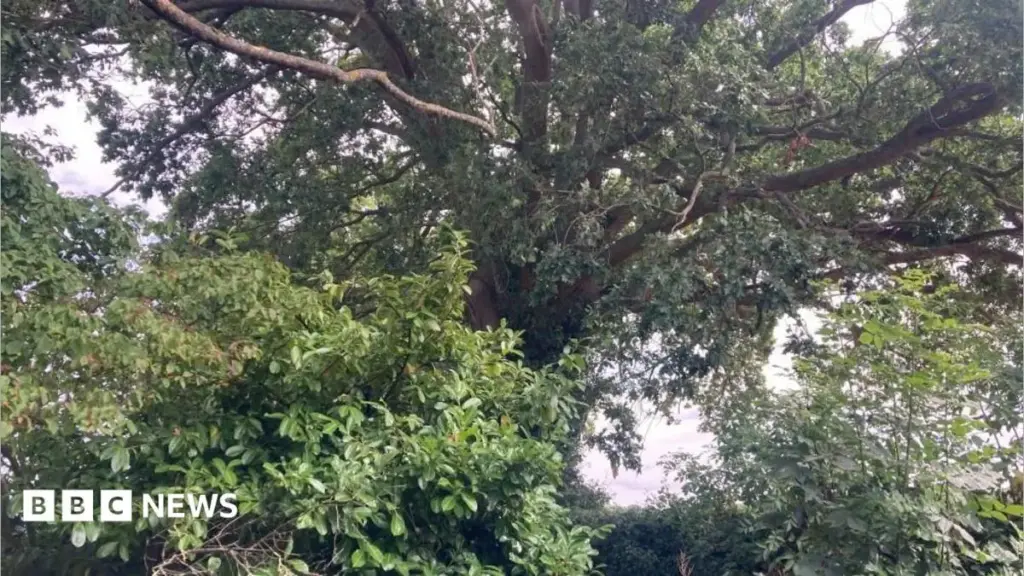
Chief among the newly protected specimens is The Honour Oak, a magnificent, living monument rooted along Whitchurch Road in Tavistock. Believed to be well over three hundred years old, this venerable oak has long been recognized by historians, arboriculturally inclined locals, and environmentalists alike as one of the most historically resonant and visually arresting trees in the market town.
By applying these rigorous preservation orders, the West Devon Borough Council has signaled a zero-tolerance approach to the unauthorized felling, lopping, topping, or wilful damage of these environmental assets. Municipal leaders emphasize that these trees are far more than picturesque backdrops; they are complex, living ecosystems that act as critical carbon sinks, natural air purifiers, and sanctuaries for an array of declining British wildlife. This report provides an in-depth examination of the newly protected sites, explores the ecological and historical significance of The Honour Oak, analyzes the municipal motivations behind the legislation, and projects the long-term implications of these conservation efforts for the future of West Devon’s green landscapes.
Detailed Chronology: The Path to Municipal Protection
The safeguarding of West Devon’s arboreal heritage is rarely a spontaneous administrative act; rather, it is the culmination of meticulous surveying, community advocacy, and rigorous legal processing. While the newly announced TPOs were formally ratified this month, the journey toward securing these specific six sites began months—and in some cases, years—prior.
Phase One: Identification and Nomination
The process invariably begins within the community. Local residents, historical societies, and council arborists continuously monitor the health, structural integrity, and vulnerability of mature trees across the borough. The Honour Oak, given its prominent location on Whitchurch Road and its well-documented age, had long been on the informal radar of local preservationists. However, mounting concerns regarding surrounding land use changes and the increasing frequency of severe weather events prompted formal nominations to be submitted to the West Devon Borough Council’s planning and environmental departments.
Phase Two: Arboricultural Assessment
Upon receiving nominations for TPOs, the council’s qualified arboricultural officers initiate comprehensive on-site evaluations. These assessments are governed by strict criteria outlined in national planning practice guidance, which evaluates:
- Visibility: How prominent is the tree within the public realm, and how much would its loss diminish the visual amenity of the local area?
- Condition and Longevity: Is the specimen structurally sound, free from terminal diseases, and capable of surviving for decades—or centuries—to come?
- Significance: Does the tree hold special historical, ecological, or cultural value, or does it form part of a rare local grouping?
In the case of the six designated sites, each specimen passed these rigorous evaluations with flying colors, proving that their removal or degradation would represent an irreversible loss to the community.
Phase Three: Statutory Consultation and Legal Enactment
Once an assessment is approved, the local planning authority serves a provisional Tree Preservation Order, notifying landowners, statutory consultees, and the general public. This phase allows for a mandatory public consultation period, during which objections or expressions of support can be submitted.
For these six West Devon sites, the consultation process underscored overwhelming public backing for the initiative. Citizens and conservation groups rallied behind the council’s proactive stance. Following the review of all representations, the West Devon Borough Council officially confirmed the TPOs, binding the protections into local planning law and ensuring that any future structural interventions on or near these trees will require explicit municipal consent, backed by heavy financial and legal penalties for non-compliance.
Supporting Context & Metrics: The Ecological and Historical Weight of West Devon’s Trees
To fully comprehend the significance of the council’s recent legislative action, one must examine the broader environmental and historical framework within which these trees exist. West Devon is characterized by rolling hills, ancient woodlands, and pastoral landscapes. Yet, like many rural-urban interfaces across the United Kingdom, it faces continuous pressure from modern infrastructure projects, agricultural intensification, and housing developments.
The Ecological Engine: Why Mature Trees Matter
Ancient and veteran trees—those that have passed beyond maturity and entered an advanced stage of structural decay and biological richness—are irreplaceable ecological keystones. While a newly planted sapling is a vital investment in the future, it cannot replicate the complex ecological functions performed by a 300-year-old oak tree.
- Biodiversity Hotspots: An ancient oak supports hundreds of species of invertebrates, fungi, epiphytic plants, and birds. Deadwood habitats within aging trunks provide essential nesting sites for hole-nesting birds like the Eurasian nuthatch and roosting locations for protected bat species.
- Carbon Sequestration and Air Quality: Mature trees are highly efficient carbon sinks, locking away massive quantities of atmospheric carbon dioxide in their massive trunks, branches, and root systems. Furthermore, their expansive leaf canopies act as natural particulate filters, trapping airborne pollutants such as nitrogen dioxide, ozone, and fine particulate matter ($PM2.5$ and $PM10$), thereby measurably improving local air quality for human populations.
- Hydrological Regulation: Large trees play a pivotal role in managing local water cycles. Their extensive root systems stabilize soils, prevent catastrophic erosion along riverbanks and slopes, and reduce surface runoff during heavy rainfall events, thereby mitigating localized flood risks—a growing concern in the UK due to climate-driven weather anomalies.
The Honour Oak: A Tavistock Landmark
Among the six protected sites, The Honour Oak on Whitchurch Road stands out as a living archive of Tavistock’s deep history. Standing sentinel along one of the town’s key arterial routes, this specimen has weathered centuries of social, political, and environmental transformation.
While exact records detailing the planting of traditional "honour oaks"—often planted to mark royal accessions, boundary markers, or significant local milestones—are occasionally lost to antiquity, the sheer scale, girth, and architectural branching of the Tavistock specimen place it firmly in the centuries-old category. Its local moniker is not merely affectionate; it is a testament to the cultural reverence the community holds for the tree. To lose such a specimen would be to sever a tangible, living link to Tavistock’s past, stripping the streetscape of its unique character and historical continuity.
Official Statements: Leadership Vision and Community Commitment
The announcement of the new Tree Preservation Orders has drawn widespread praise from local governance, environmental agencies, and community stakeholders. At the heart of this legislative push is a unified municipal leadership determined to balance rural development with unyielding environmental protection.
Councillor Mandy Ewings, Leader of West Devon Borough Council, articulated the administration’s philosophical and practical approach to environmental management during the official announcement:
"These trees do not merely stand as silent witnesses to our history; they are active, hardworking members of our community. They provide homes for wildlife, support biodiversity, improve air quality, and help create the green landscapes that define our borough."
Councillor Ewings emphasized that the local authority views environmental conservation not as a bureaucratic hurdle, but as a foundational duty owed to upcoming generations.
"By placing these preservation orders on these six vital sites, including the historic Honour Oak in Tavistock, we are taking a definitive stand. We are ensuring that these natural treasures are safeguarded for future generations. Development must never come at the expense of our natural heritage, and these orders give our officers the legal teeth required to protect these trees from needless destruction or negligent damage."
Echoing the Council Leader’s sentiments, senior planning officers and local ecological consultants have stressed that the TPOs serve as an educational tool for landowners. Many property owners are unaware of the hidden ecological value residing within mature trees on their land. The formalization of these orders provides landowners with clear guidance on how to manage, respect, and coexist with these natural monuments safely, fostering a collaborative culture of stewardship rather than adversarial compliance.
Future Outlook: Safeguarding West Devon’s Green Infrastructure
Looking ahead, the enactment of these six Tree Preservation Orders represents both a victory for immediate conservation and a stepping stone toward a more comprehensive, borough-wide environmental strategy. As West Devon navigates the complex challenges of the 21st century—including housing demand, infrastructure expansion, and the escalating impacts of global climate change—the role of urban and rural forestry will become increasingly critical.
1. Proactive Monitoring and Enforcement
The West Devon Borough Council has indicated that the identification of these six sites is part of an ongoing, dynamic review of the borough’s natural assets. Municipal planning departments are utilizing advanced geographic information systems (GIS) and aerial surveying techniques to map canopy cover, identify vulnerable mature tree populations, and preemptively issue TPOs before development pressures materialize. Strict enforcement protocols will ensure that any unauthorized breaches of the TPOs—such as severe pruning that compromises tree health or unauthorized removal—will face swift legal action, including substantial fines.
2. Integrating Trees into Local Planning Policy
Future housing and commercial developments in West Devon will face even stricter scrutiny regarding their impact on existing green infrastructure. Developers will be required to incorporate veteran and mature trees into their master plans from the earliest design phases, utilizing "root protection areas" (RPAs) and modern engineering solutions to ensure that construction activities do not irreparably damage subterranean root networks.
3. Fostering Community-Led Conservation
Beyond municipal legislation, the long-term survival of West Devon’s ancient trees relies heavily on grassroots engagement. Plans are underway to expand educational outreach programs in local schools and community centers, raising awareness about the vital ecosystem services provided by trees. Initiatives encouraging citizen science—such as local tree-monitoring networks and community planting days—will help bridge the gap between local residents and local government, creating a shared sense of ownership over the borough’s natural environment.
Conclusion
The protection of The Honour Oak and its five companion sites stands as a powerful reminder of society’s capacity to value and defend its natural legacy. In securing these six sanctuaries of biodiversity, the West Devon Borough Council has ensured that the rustle of ancient leaves, the hum of thriving ecosystems, and the deep, rooted history of the landscape will endure for centuries to come. As these silent giants continue to purify the air, shelter local wildlife, and define the green horizons of West Devon, they do so under the unyielding shield of the law—guaranteed protection for a future that respects both progress and preservation.