

Executive Overview
As the global scientific community races to address the compounding crises of rapid climate change and unprecedented biodiversity loss, researchers are looking backward to move forward. Historical ecological data—trapped for generations in fragile, handwritten field journals, dusty notebooks, and yellowed manuscript pages—represents an invaluable, untapped baseline. These historical records offer scientists a rare window into the natural world as it existed before the heavy hand of modern industrialization fundamentally altered global ecosystems.
For the past two decades, the Biodiversity Heritage Library (BHL) has stood at the vanguard of this archival resurrection. Celebrating its 20th anniversary, the BHL has grown to become the world’s largest open-access digital library for biodiversity literature and archives, boasting a staggering corpus of over 64 million pages. Yet, digitizing published literature is only the first step. The true frontier lies in extracting historical data from handwritten manuscripts—a task that, until recently, required prohibitive investments of manual labor.
In a landmark initiative bridging historical preservation and cutting-edge technology, the Ernst Mayr Library (EML) at Harvard University—a founding member of the BHL—has successfully digitized and transcribed the ornithological field journals, notebooks, and bird lists of Walter Faxon, a renowned 19th- and early 20th-century Harvard zoologist. Utilizing advanced artificial intelligence models guided by human oversight, this project has transformed over 2,200 pages of delicate historical manuscripts into searchable, structured data destined for global biodiversity repositories like the Global Biodiversity Information Facility (GBIF).
This article explores the journey of Walter Faxon’s collection, the technological trials and triumphs of applying AI to historical handwriting, and the broader implications of converting archival manuscripts into actionable climate and conservation data.
Detailed Chronology: From 19th-Century Fieldwork to 21st-Century AI
To understand the weight of the data now liberated by the BHL, one must trace the timeline from Faxon’s original observations in the field to the digital laboratory at Harvard University.
The Life and Legacy of Walter Faxon (1848–1920)
Born in Massachusetts on February 4, 1848, Walter Faxon was a fixture of the academic and scientific community in Cambridge. Serving as an Assistant Professor of Zoology at Harvard University from 1872 to 1886 and as the Curator of the Invertebrate Department at Harvard’s Museum of Comparative Zoology (MCZ) for an astonishing 46 years (1874–1920), Faxon dedicated his professional career primarily to the study of crustaceans and mollusks.
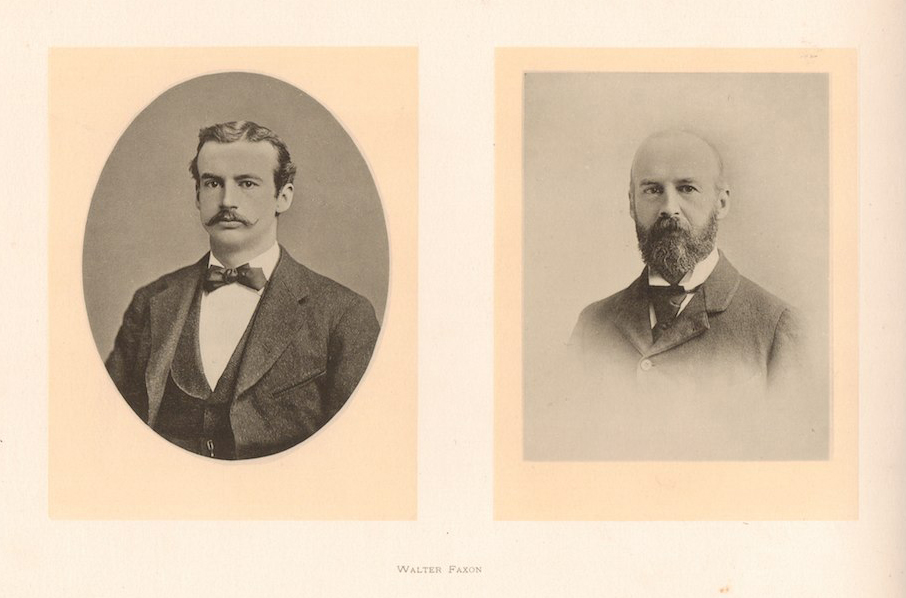
However, ornithology was Faxon’s lifelong avocation—one that he pursued with the rigorous methodology of a professional scientist. A Fellow of the American Ornithologists’ Union from 1901 to 1904, Faxon possessed a reputation for unimpeachable accuracy. Peers noted that his nearly 60 years of field experience, combined with an acute eye, ear, and mind, made him one of the most reliable field ornithologists of his era. Biographers frequently remarked that an identification made by Faxon was never questioned.
Spanning 33 years from 1886 to 1919, Faxon’s ornithological field notes recorded thousands of individual bird observations. These entries captured species names, dates, localities, and population counts, often supplemented by rich contextual data regarding sex, life stages, and vocalizations.
Modern Digitization and Fellowship (2025–2026)
Though preserved for decades within the archives of the Ernst Mayr Library alongside the papers of fellow ornithologist William Brewster—which include 145 letters exchanged with Faxon—these manuscripts remained difficult to access and analyze at scale.
The turning point arrived in 2025, when the collection was prioritized for digitization through the Harvard Library Collections Digitization Program under its targeted climate change theme. This foundational imaging effort laid the groundwork for the next phase: transcription.
In June 2026, the EML welcomed Mohit Mandal, a Harvard PhD candidate in Anthropology, as the 2026 Pforzheimer Fellow. Tasked with investigating how AI-powered tools could accelerate the transcription of Faxon’s notoriously dense notebooks, Mandal embarked on a rigorous three-month exploratory project running from June 1 to August 31, 2026.
Mandal’s methodology was comparative and iterative:
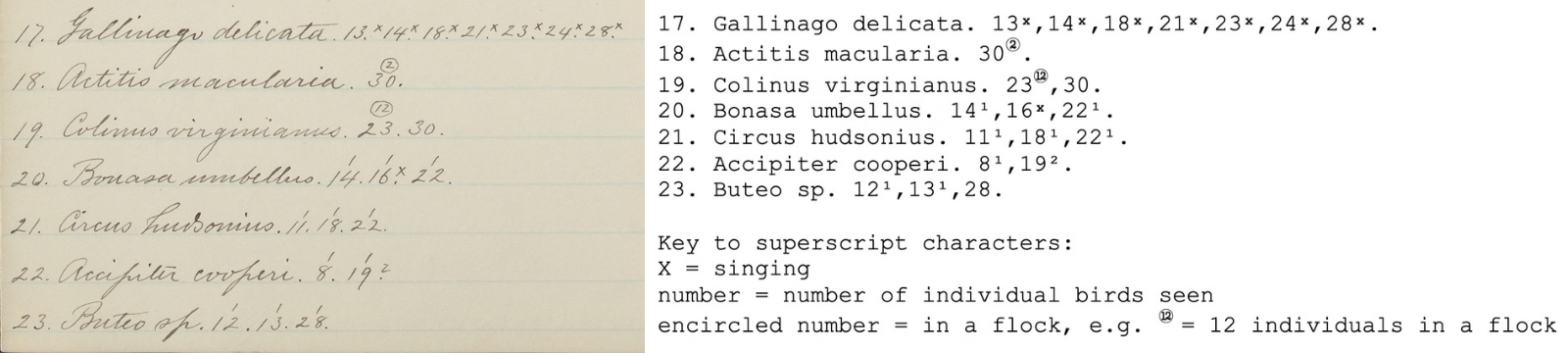
- Model Evaluation: He evaluated ChatGPT and Google Gemini to determine which architecture best handled complex historical manuscripts. While Gemini offered high accuracy, its utility was hampered by strict file upload limits and restricted integration capabilities (functioning exclusively within Google Workspace). ChatGPT emerged as the superior choice due to its flexibility with follow-up prompts and its capacity to maintain consistent transcription rules through specialized training.
- Dual-AI Verification: To maximize fidelity, initial transcriptions generated by ChatGPT were cross-verified using Anthropic’s Claude. This dual-model approach leveraged complementary AI strengths, significantly boosting overall accuracy.
- Execution and Refinement: Working through the summer, Mandal successfully achieved the project’s primary goal: transcribing nearly 2,000 manuscript pages just weeks before the conclusion of his fellowship.
Supporting Context & Metrics: The Scale of the Collection and Technical Hurdles
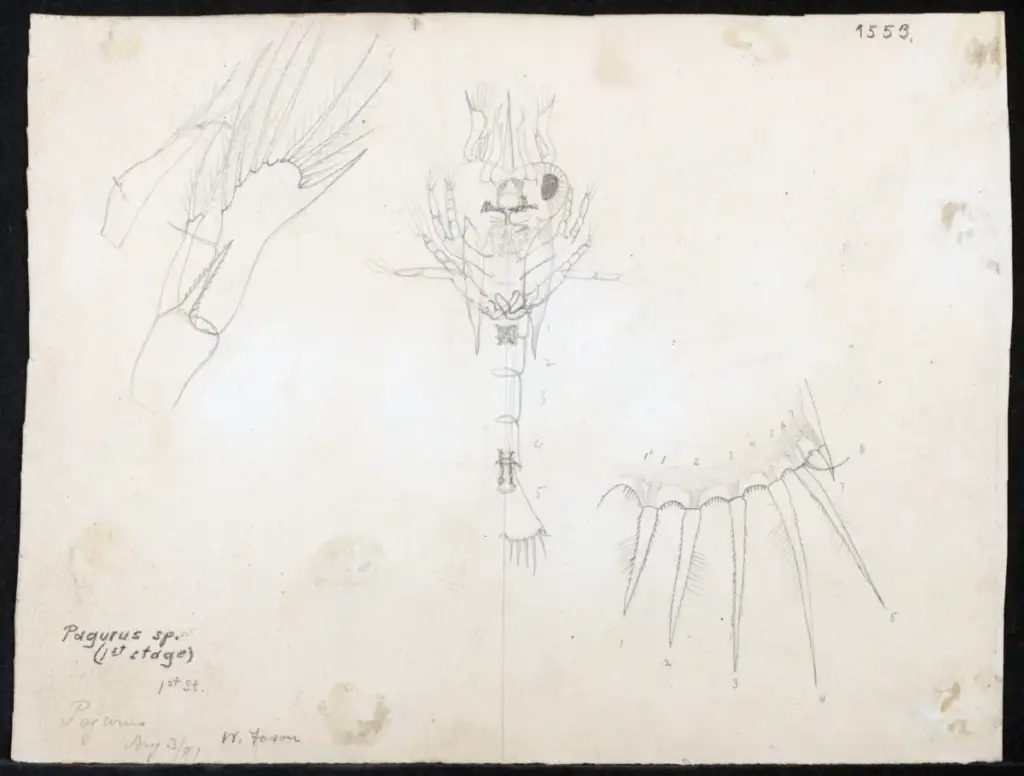
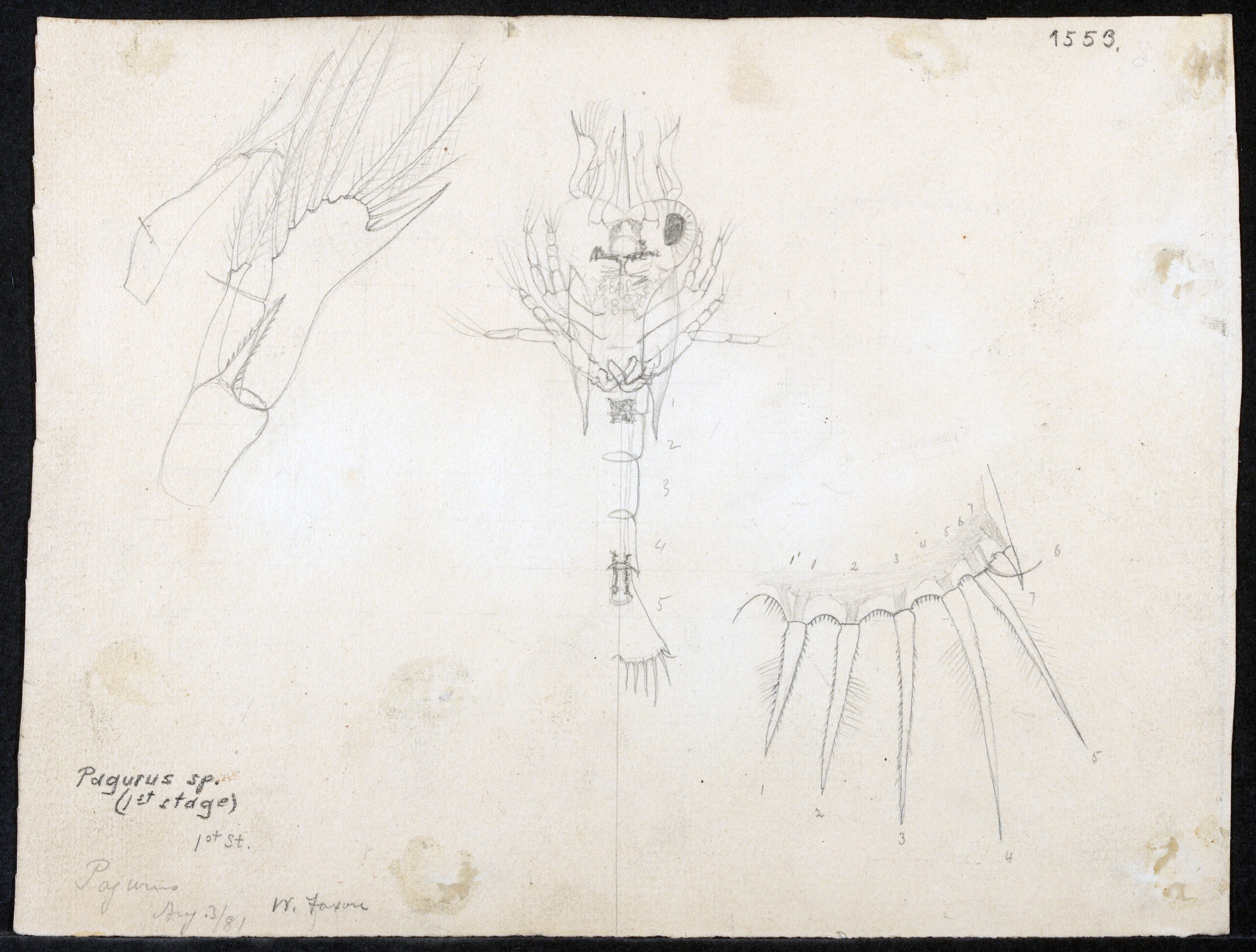
While the Faxon collection is relatively modest in physical size—totaling just over 2,200 manuscript pages, which includes 1,640 pages of field journals, bird lists, and notebooks, alongside correspondence and eight delicate pencil drawings of Arthropoda and Crustacea—its informational density is immense.
Metrics of the Faxon Collection
- Time Span of Observations: 33 years (1886–1919)
- Field Experience: Nearly 60 years of active ornithological tracking by Faxon
- Manuscript Pages Digitized & Transcribed: ~2,000 pages
- Core Dataset: Thousands of detailed species occurrence records containing dates, locations, counts, and behavioral notes.
Technical Challenges in AI-Powered Paleography
Despite the sophistication of modern large language models, transcribing 19th-century handwritten manuscripts presents unique hurdles that standard OCR (Optical Character Recognition) and vanilla AI setups routinely fail to clear. Mandal’s work highlighted several critical friction points:
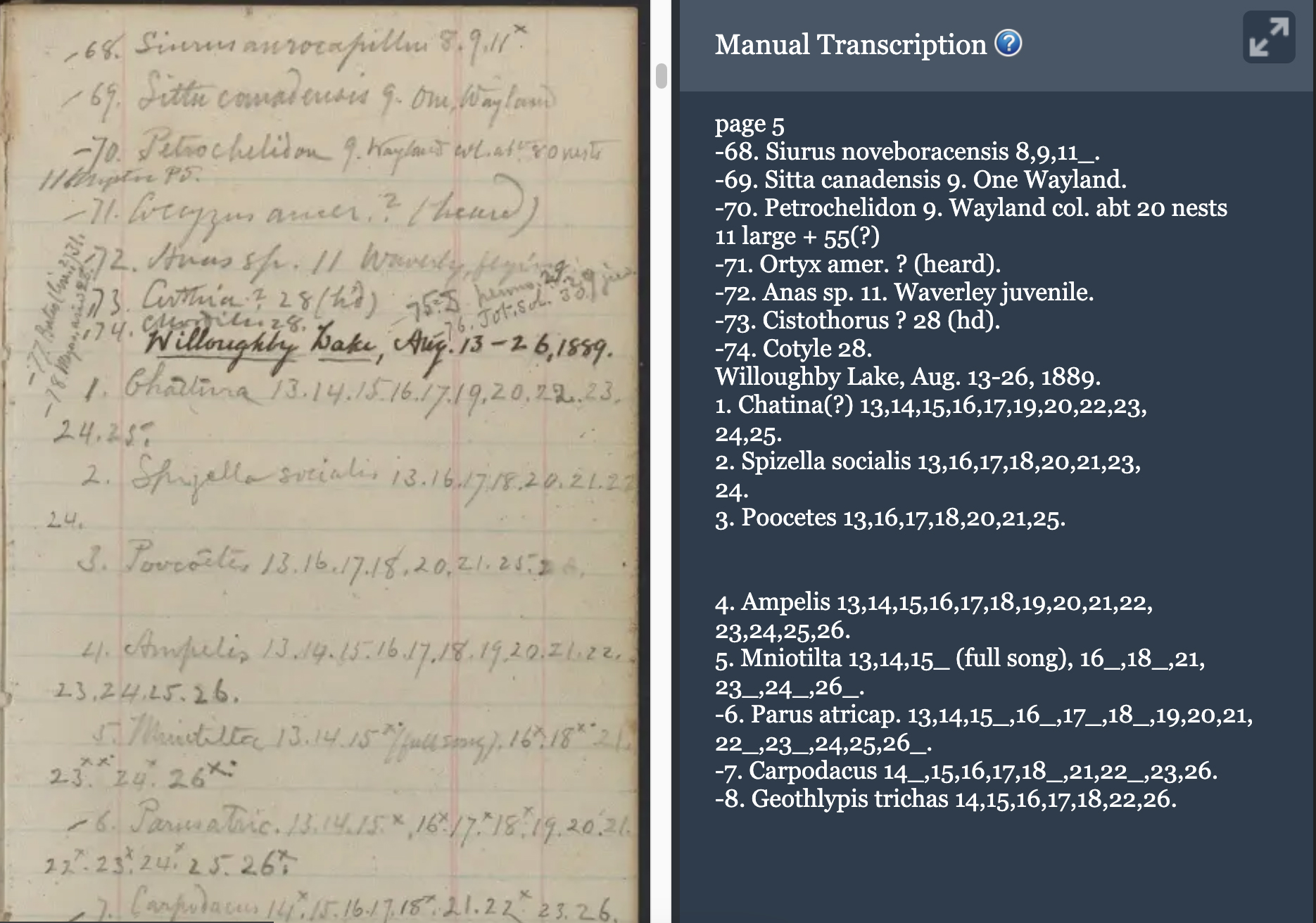
- Physical Artifacts and Deterioration: Faxon’s notes, frequently jotted down quickly in the field, often featured fading pencil graphite, smudges, and marginalia written at sharp, irregular angles. AI models routinely skipped or misread text written perpendicularly to the main body of the page.
- Interlinear Complexities: One of the most vexing challenges involved tiny interlinear numbers and symbols placed between the primary lines of text. Faxon used these superscript notations to denote exact headcounts, singing behaviors, or flock structures. Standard word processors and basic LLM prompts struggled to preserve this vertical spacing, often stripping the symbols or collapsing them into the main text line. Mandal ultimately resolved this by training ChatGPT to format these entries as superscript text.
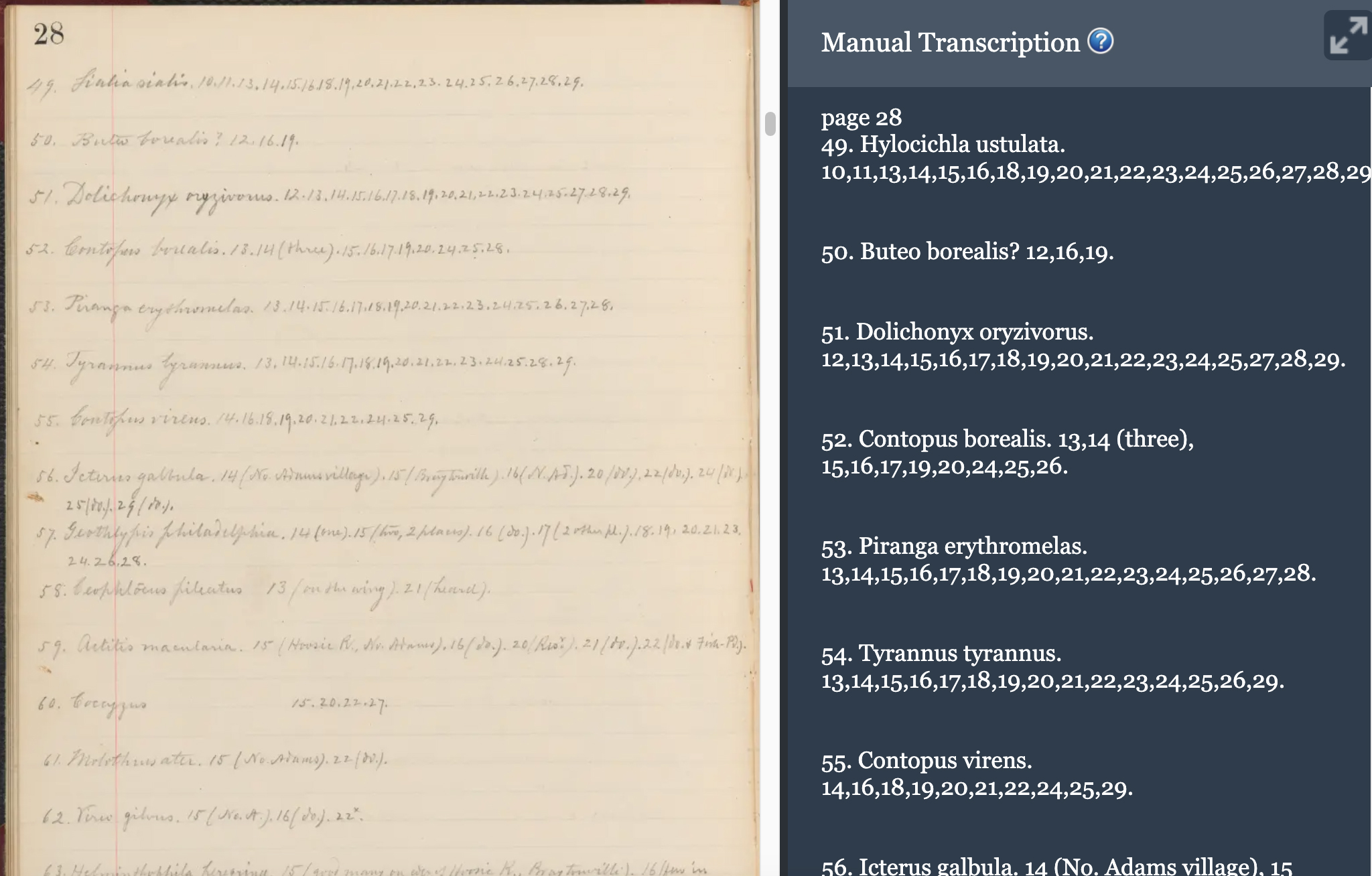
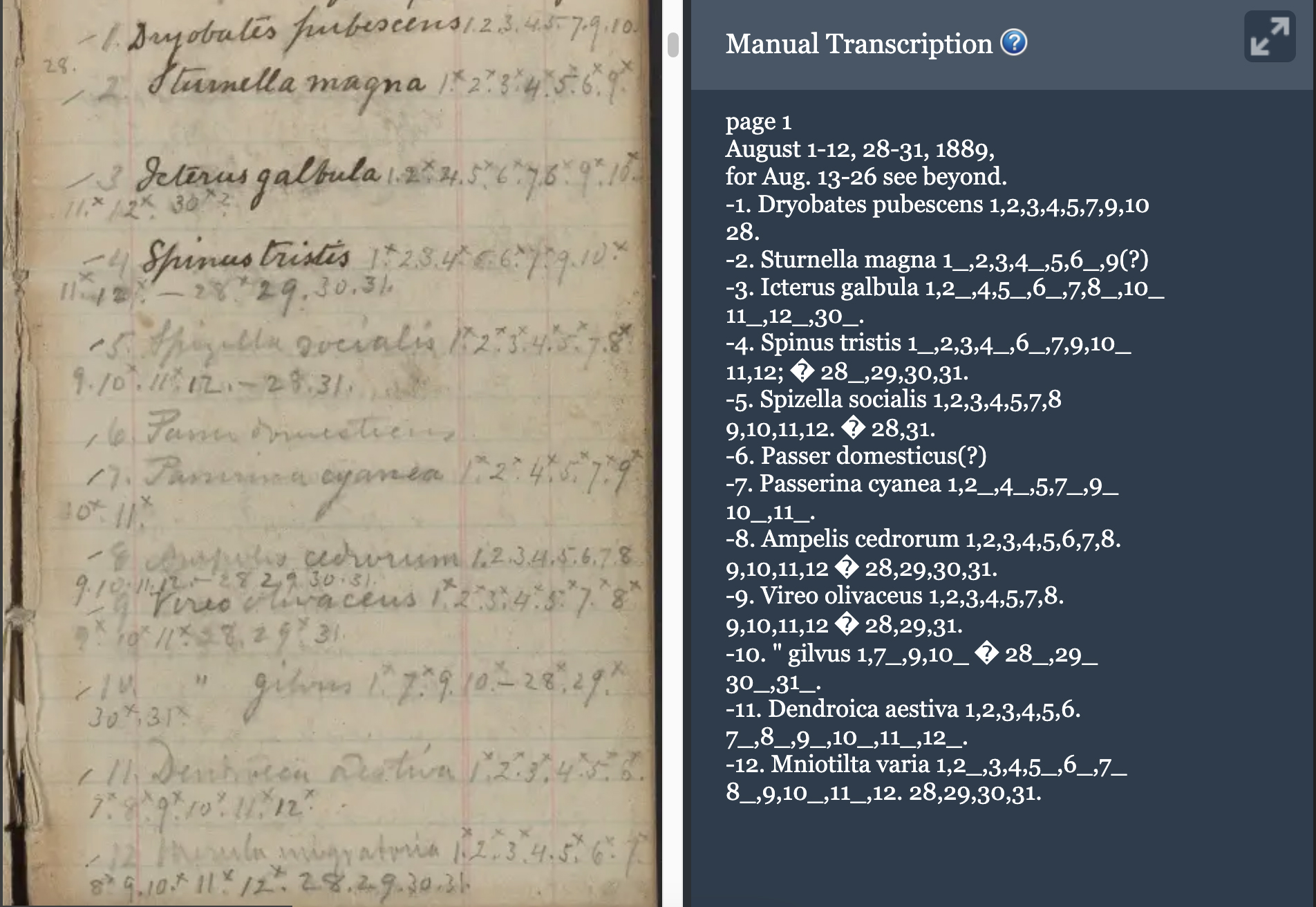
- Model "Hallucinations": When confronted with ambiguous cursive or archaic taxonomic shorthand, AI models occasionally hallucinated erroneous scientific names. For instance, in Faxon’s 1889–1891 Field Journal, the eastern bluebird (Sialia sialis) was mistakenly transcribed by ChatGPT-5.5 Pro as the varied thrush (Hylocichla ustulata). Similarly, Merula migratoria was mis-transcribed in a notebook as Mniotilta varia. Such errors underscore the absolute necessity of rigorous human-in-the-loop verification before historical data enters global scientific pipelines.
Official Statements & Expert Insights
The intersection of artificial intelligence, archival stewardship, and ecological research has sparked considerable commentary from the leaders and researchers driving these initiatives forward.
Reflecting on the overarching mission of the institution, representatives of the Biodiversity Heritage Library emphasize that unlocking historical literature is no longer merely a matter of digital preservation—it is an urgent ecological imperative. As the BHL marks its 20th year, the integration of manuscript data into global aggregators represents the next logical evolution in open-access science.
Joe deVeer, Co-Secretary of the BHL Executive Committee and Digital Projects Manager at the Ernst Mayr Library—where he has served since 2006—has witnessed firsthand the maturation of digital libraries from simple scanning repositories into dynamic engines of scientific discovery.
From the perspective of the research frontlines, Pforzheimer Fellow Mohit Mandal articulated the definitive lesson learned from months of intensive AI training:
"The human element remains central to guide the goals and direction of the project, without which A.I. tools—at least at this stage of their development—often falter in accuracy, especially when handling complex page layouts and difficult handwriting."
This sentiment captures the current state of digital humanities and informatics: while artificial intelligence provides the raw computational muscle required to process thousands of pages in fractions of the time a human paleographer would need, human oversight remains the irreplaceable anchor guaranteeing scientific integrity.
Future Outlook: From Archives to Global Biodiversity Frameworks
The completion of the Walter Faxon transcription project is not an isolated archival victory; it is a vital proof-of-concept for how historical collections can feed directly into global conservation infrastructures.
Feeding GBIF and Mitigating Species Decline
The ultimate destination for the structured data extracted from Faxon’s notebooks is the Global Biodiversity Information Facility (GBIF). By preparing transcript files that make manuscript text fully searchable and scientific names machine-discoverable, the BHL and EML are bridging the gap between archival baselines and modern macro-ecological modeling.
Aggregating Faxon’s 1886–1919 Massachusetts bird observations with millions of other historical and contemporary data points allows researchers to construct granular timelines of species migration shifts, habitat range contractions, and population densities over a century and a half. These baseline datasets are indispensable for climate scientists attempting to measure the exact velocity of anthropogenic environmental disruption and design targeted interventions to halt accelerating species declines.
The Next Horizon for BHL and AI
As artificial intelligence models continue their rapid evolution, and as the BHL prepares for comprehensive platform modernizations, the workflow pioneered by Mandal, the Ernst Mayr Library, and Harvard University offers a scalable blueprint.

Future iterations of AI transcription tools will likely feature native layout-understanding capabilities optimized for historical manuscripts, dramatically reducing the friction of processing interlinear notes, marginalia, and faded pencil sketches. Moreover, as these technologies mature, millions of pages of handwritten botanical, zoological, and geological notes sitting dormant in library basements worldwide will finally become accessible to researchers.
Through the fusion of 19th-century fieldcraft, 21st-century artificial intelligence, and the enduring commitment of open-access institutions like the Biodiversity Heritage Library, the observations of naturalists like Walter Faxon will continue to illuminate the path forward for Earth’s ecosystems.



