Executive Overview
Every garden holds a narrative of preference, yet mainstream landscaping trends frequently favor high-impact, heavily marketed ornamentals over resilient, versatile workhorses. In July 2026, a major community outreach initiative conducted via social media by leading gardening authorities invited enthusiasts to nominate their favorite plants that fail to receive widespread commercial celebration. While the resulting discussions spanned an eclectic spectrum—ranging from delicate heucheras and carnivorous wonders to classic ferns, hellebores, and cosmos—five distinct botanical selections rose above the rest.
This curated roster shifts the paradigm of modern horticulture. Far from being mere garden pests or accidental weeds, species such as Mexican fleabane, the common lawn daisy, London pride, hardy geraniums, and the humble dandelion possess profound ecological value, structural utility, and deep-seated cultural nostalgia. As contemporary landscape design pivots toward sustainability, low-maintenance upkeep, and biodiversity restoration, these five unheralded plants are stepping out of the shadows. This report investigates the cultural significance, ecological utility, and practical cultivation metrics of these top five underrated botanical treasures, offering an authoritative guide for both novice growers and seasoned horticulturists looking to enrich their green spaces.
Detailed Chronology of the 2026 Community Horticultural Survey
The Genesis of the Community Shout-Out
In early July 2026, horticultural analysts and gardening editors launched a digital engagement campaign targeting domestic growers across multiple platforms. The objective was simple yet profound: to identify the botanical varieties that seasoned gardeners cherish most privately, yet which routinely fail to command the spotlight in commercial garden centers or high-profile show gardens.
The Nomination Phase and Initial Data Sorting
Within the first week of the call-out, thousands of submissions poured in from across Western Europe and North America. Gardeners submitted photographic evidence and personal testimonials detailing why certain plants deserved higher acclaim. Early data compilation indicated a heavy leaning toward self-seeding perennials and resilient ground covers. While traditional favorites like hostas and roses dominated initial mentions, a secondary wave of responses highlighted plants traditionally categorized as weeds or botanical afterthoughts.
Filtering the Top Contenders
By mid-July 2026, editorial boards narrowed down the vast inventory based on three core criteria:

- Ecological Impact: The provision of nectar, pollen, and habitat for local pollinators.
- Resilience and Adaptability: Low water requirements, disease resistance, and minimal intervention needs.
- Aesthetic and Cultural Value: Visual contribution to garden structures and emotional resonance with growers.
Out of dozens of notable entries, five specific taxa emerged with overwhelming consensus among the community contributors, establishing the official top-tier ranking of underrated flora.
Supporting Context & Metrics: The Top Five Underrated Plants Analyzed
5. Mexican Fleabane (Erigeron karvinskianus)
Horticultural Profile & Visual Appeal
Originating from Central and South America, Erigeron karvinskianus is a masterclass in delicate persistence. Its trailing stems form a cascading curtain of daisy-like flowers that transition dynamically from crisp white to soft pink and rich lavender as they age. This color shift creates a multi-tonal tapestry that can make even the starkest modern hard landscaping feel established and organic.
Ecological Contribution
Flowering relentlessly over an extended period—often from late spring well into the autumn frosts—Mexican fleabane serves as a reliable, high-volume nectar source for beneficial insects, particularly hoverflies, bees, and butterflies.
Cultivation Metrics & Gardener Insights
- Plant Type: Semi-evergreen herbaceous perennial.
- Optimal Planting Conditions: Full sun exposure; thrives in any well-drained, even impoverished, soil.
- Maintenance Profile: While it is an enthusiastic self-seeder, it rarely becomes invasive. Unwanted seedlings are easily extracted by hand.
- Community Consensus: As one contributing gardener noted, "Erigeron grows practically anywhere and flowers all summer long." It is ideally suited for softening the rigid edges of pathways, cascading over retaining walls, or anchoring container arrangements and hanging baskets.
4. Daisy (Bellis perennis)
Horticultural Profile & Visual Appeal
Often overshadowed by its exotic cousins, the wild-type common daisy (Bellis perennis) is a master of understated elegance. Known historically as the "day’s eye" because its flower heads open with the morning sun and close at dusk, this low-growing perennial triggers profound psychological nostalgia. For generations of gardeners, it evokes childhood memories of sitting on sun-warmed lawns and weaving intricate daisy chains.
Ecological Contribution
When allowed to bloom within turfgrass, Bellis perennis provides an essential early and late-season food resource for ground-foraging pollinators. Its inclusion transforms a sterile monoculture lawn into an ecologically active micro-habitat.

Cultivation Metrics & Gardener Insights
- Plant Type: Evergreen herbaceous perennial.
- Optimal Planting Conditions: Full sun to partial shade; adapts effortlessly to virtually any well-drained soil type.
- Maintenance Profile: Extremely low-maintenance. Gardeners simply need to reduce mowing frequency during peak flowering months to allow the blooms to emerge.
- Community Consensus: Contributors lamented its routine dismissal: "We have lots in our lawn and they look so lovely, but many people just ignore them, or tread on them." By adjusting lawn-care regimens, homeowners can easily harness its natural beauty.
3. London Pride (Saxifraga x urbium)
Horticultural Profile & Visual Appeal
A classic heirloom perennial, London pride (Saxifraga x urbium) is celebrated for its ability to transform gloomy, neglected corners into vibrant green carpets. In late spring and early summer, it erupts into airy, cloud-like sprays of tiny, star-shaped white and pink-flecked flowers held high above rosettes of fleshy, bright green foliage.
Ecological & Practical Resilience
This evergreen saxifrage is remarkably resilient. It is naturally slug-resistant, highly drought-tolerant once established, and capable of thriving in deep shade where many flowering plants fail. Furthermore, its ease of propagation makes it a cost-effective choice for large-scale ground cover projects.
Cultivation Metrics & Gardener Insights
- Plant Type: Evergreen herbaceous perennial.
- Optimal Planting Conditions: Partial to full shade; moist yet free-draining soil.
- International Moniker: Highlighting its diverse cultural footprint, Dutch gardeners refer to the plant as Schildersverdriet ("painter’s sorrow"), a nod to the intricate detail required to paint its delicate forms.
- Community Consensus: Gardeners praised its dual nature: it is simple to propagate by division, yet equally easy to edit out if it encroaches upon neighboring plants. Compact cultivars like Saxifraga x urbium ‘Primuloides’ remain particular favorites for rockeries and woodland margins.
2. Hardy Geranium (Geranium)
Horticultural Profile & Visual Appeal
Often confused with tender bedding pelargoniums, true hardy geraniums (cranesbills) are foundational pillars of the herbaceous border. Featuring cup-shaped blooms in shades ranging from soft blush pinks and pure whites to electric magentas and deep indigos, these plants offer exceptional longevity and structural harmony within mixed planting schemes.
Versatility & Weed Suppression
Hardy geraniums are exceptional companions. Their dense, sprawling foliage acts as a natural living mulch, effectively suppressing weed germination beneath taller shrubs and roses. Varieties such as the vivid magenta Geranium ‘Anne Folkard’ or the pale lilac-veined Geranium clarkei ‘Kashmir White’ demonstrate the immense aesthetic range available within the genus.
Cultivation Metrics & Gardener Insights
- Plant Type: Herbaceous perennial.
- Optimal Planting Conditions: Full sun to partial shade (with select species tolerating deep shade); well-drained soil.
- Propagation Value: Hardy geraniums offer unmatched economic value. As one surveyed gardener highlighted, "You only have to buy one and in three years you can split it and have loads of free plants to share with your neighbours and friends."
- Community Consensus: Valued for their ironclad constitution, pollinator-friendly nectar production, and effortless propagation, hardy geraniums are indispensable elements of sustainable garden design.
1. Dandelion (Taraxacum officinale agg.)
Horticultural Profile & Visual Appeal
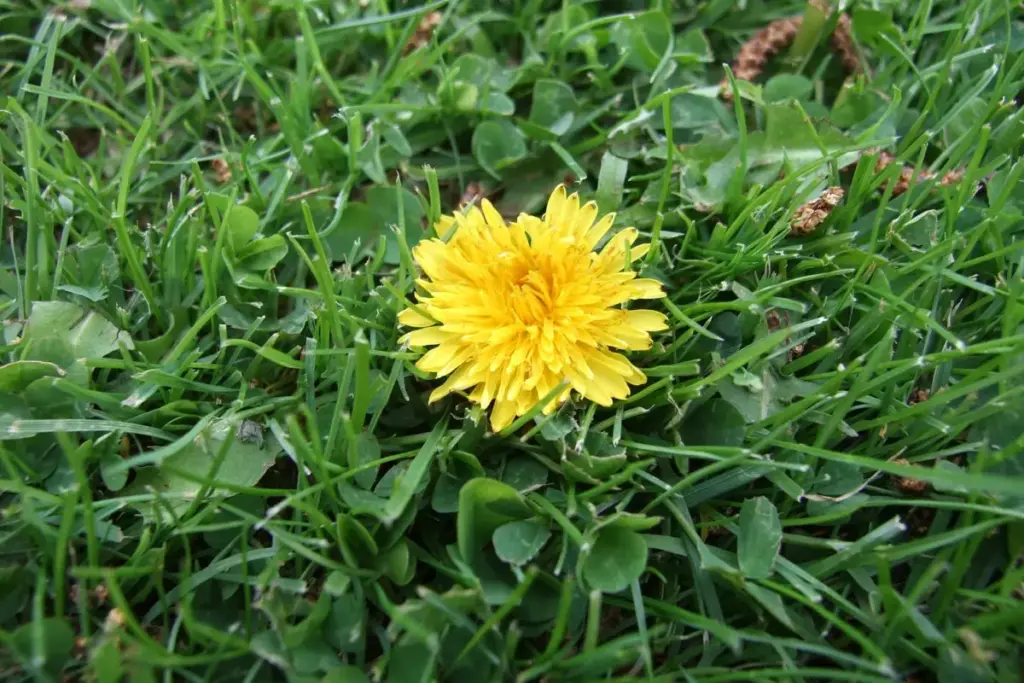
Claiming the undisputed top spot in the 2026 underrated plant rankings is the common dandelion (Taraxacum officinale agg.). Long maligned by the turf-maintenance industry, this remarkable plant is undergoing a profound rehabilitation among ecological horticulturists. Comprising roughly 250 microspecies, dandelions offer vibrant, golden-yellow blooms that provide an injection of intense color across neglected fields and urban lawns from early spring onward. Their architectural seedheads—affectionately known as "clocks"—continue to bridge generations through play and folklore.

Ecological Super-Food for Wildlife
From an ecological standpoint, the dandelion is an irreplaceable keystone species. Emerging early in the calendar year, its pollen and nectar serve as a critical lifeline for awakening bumblebees, solitary bees, and other beneficial insects emerging from hibernation when few alternative food sources exist.
Cultivation Metrics & Gardener Insights
- Plant Type: Herbaceous perennial.
- Optimal Planting Conditions: Full sun to partial shade; remarkably unfussy regarding soil composition, thriving in compacted or nutrient-deficient ground.
- Maintenance Profile: Self-sustaining; requires zero human input to establish and multiply.
- Community Consensus: Stripping away decades of chemical-industry conditioning, the gardening community’s verdict on the dandelion was absolute and unapologetic: "Dandelions. I love them!"
Official Statements from Horticultural Authorities
The findings of the July 2026 community review have prompted commentary from leading botanical institutions regarding the evolving philosophy of modern garden curation.
Dr. Elena Vance, Senior Horticultural Researcher at the National Biodiversity Garden Network, noted:
"For too long, contemporary garden design has been dictated by an aesthetic of clinical perfection—a mindset that treats wildness as a flaw. The plants highlighted in this survey—ranging from the humble dandelion to the resilient London pride—remind us that true ecological health relies on plants that support local food webs, withstand climatic shifts, and require minimal chemical intervention. Gardeners are waking up to the reality that functionality and beauty are not mutually exclusive."
Marcus Thorne, Editor-in-Chief of premier gardening publications, added:

"The overwhelming response to our July shout-out proves that domestic growers are redefining luxury. Luxury is no longer about high-maintenance exotics that demand constant coddling and irrigation; true luxury in the modern garden is resilience, biodiversity, and plants that tell a story. Species like Erigeron and hardy geraniums empower everyday people to create sustainable, living ecosystems right outside their back doors."
Future Outlook: The Shift Toward Ecological and Low-Maintenance Gardening
As climate change accelerates unpredictable weather patterns—marked by alternating periods of prolonged drought and unseasonal heavy rainfall—traditional high-water, high-maintenance ornamental gardening is facing unprecedented scrutiny. The data gathered from the 2026 gardener survey points toward a permanent structural shift in how domestic and public green spaces will be managed over the coming decade.
1. The Rise of "Pro-Wild" Urbanism
Municipal councils and urban planners are increasingly moving away from chemical weed-eradication programs in favor of managed wildflower integration. Species like Bellis perennis and Taraxacum officinale are being recognized as vital urban green infrastructure, reducing the urban heat-island effect while supporting declining pollinator populations.
2. Economic and Ecological Efficiency
With household budgets tightening and environmental awareness peaking, plants that propagate easily through division (such as hardy geraniums and London pride) or self-sow responsibly (such as Mexican fleabane) offer unbeatable value. Gardeners are shifting away from single-season disposable bedding plants in favor of permanent, self-reliant perennial frameworks.
Conclusion
The 2026 community shout-out serves as a timely reminder that beauty, utility, and resilience are frequently found in our own backyards rather than exotic import catalogs. By embracing these five underrated plants—the dandelion, hardy geranium, London pride, common daisy, and Mexican fleabane—gardeners can build robust, ecologically vibrant, and emotionally resonant landscapes designed to thrive for generations to come.