

By the Blue Marine Foundation Investigative Desk
Published: October 6, 2026
Executive Overview
As European Union Member States prepare to finalize the allocation frameworks for the upcoming multi-year budget, a profound and quiet crisis is unfolding across the continent’s maritime corridors. At the heart of this dispute is a glaring disconnect between the EU’s stated commitments to environmental sustainability and the practical realities of its financial expenditures.
Current fiscal projections indicate that the lion’s share of the bloc’s ocean and fisheries budget continues to flow toward large-scale industrial fleets, regardless of their documented ecological footprint. Meanwhile, the marine ecosystems that sustain these very industries are experiencing unprecedented systemic degradation. Small-scale artisanal fishers—who account for a staggering 76 percent of the total European fleet—are systematically sidelined, receiving a meager 20 percent of available funding. More alarming still is the gross underinvestment in ocean preservation: for every billion euros distributed in ocean subsidies, a paltry 7 percent is earmarked for the actual protection and restoration of marine environments.
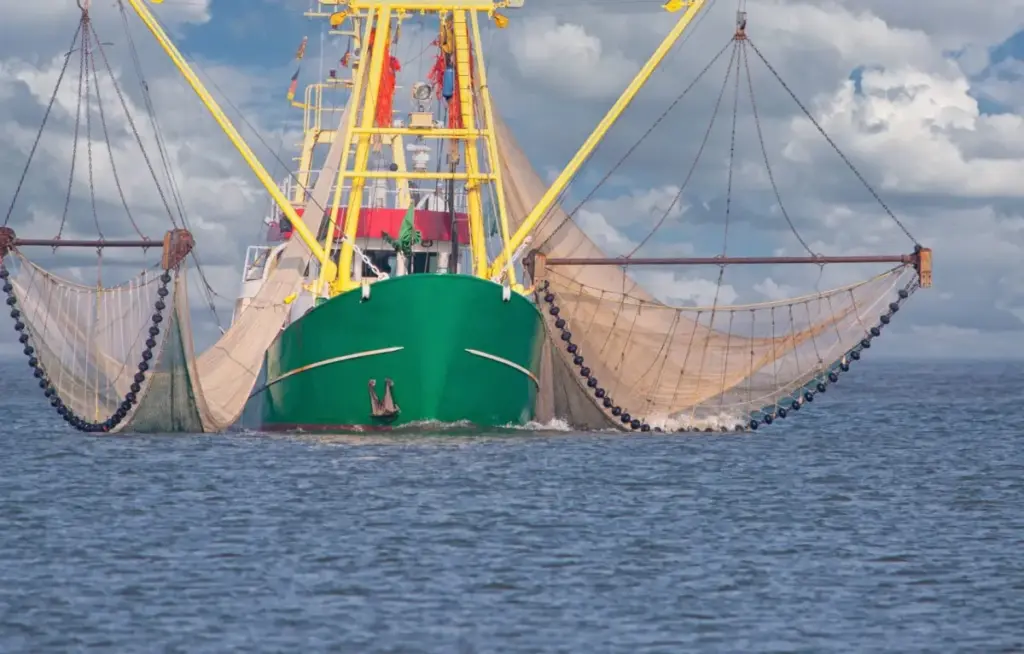
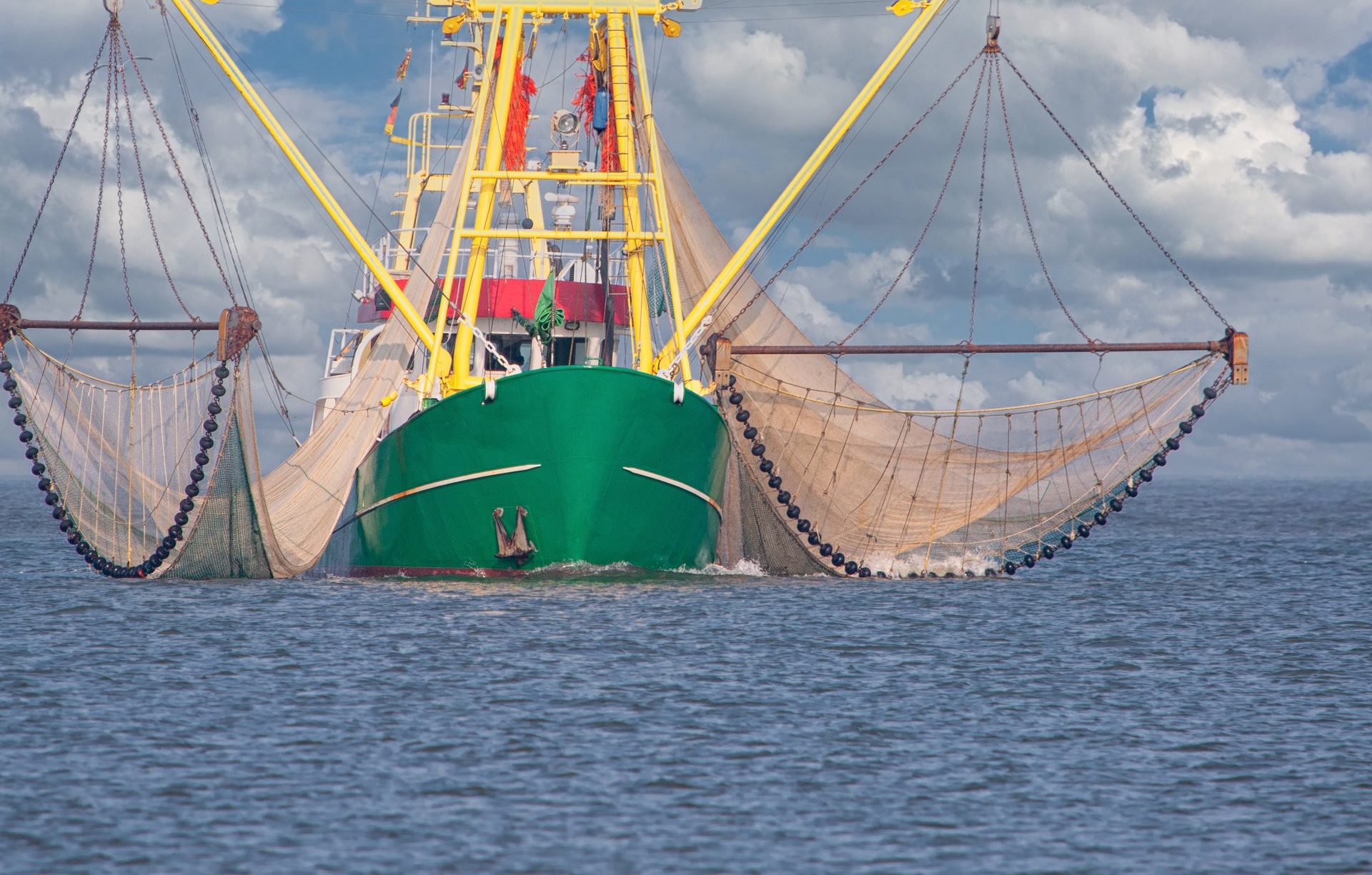
Now, as national governments draft their crucial National and Regional Partnership Plans (NRPPs), policy experts warn that the situation is poised to deteriorate further. Proposals currently on the table risk funneling billions into the construction of new industrial fishing vessels and the retrofitting of existing ones. This intensification of industrial capacity comes at a time when only 28 percent of European fish stocks are categorized as healthy.
This investigative report examines the mechanics of current EU funding allocations, analyzes the long-term ecological and economic consequences of subsidizing overcapacity, and outlines the urgent avenues available to citizens, policymakers, and environmental advocates to redirect European maritime policy toward sustainability.
Detailed Chronology: The Evolution of EU Fishery Funding and the Path to the 2026 Crisis
To understand the gravity of the current budgetary decisions, it is necessary to trace how European fisheries policy has arrived at this precarious juncture. For decades, the Common Fisheries Policy (CFP) has struggled to reconcile the economic ambitions of member states with the biological limits of the marine environment.
Phase One: The Post-War Industrialization of the Sea (1970s–1990s)
In the decades following the establishment of the Common Fisheries Policy, European maritime policy was overwhelmingly oriented toward modernization and capacity building. Subsidies were viewed as an unmitigated good, designed to rebuild war-torn fleets, enhance technological capabilities, and secure food independence for member states. Throughout this era, little attention was paid to the finite nature of fish stocks. Large trawlers were incentivized to venture further and fish deeper, setting a dangerous precedent of over-reliance on state-backed financial lifebelts.
Phase Two: The Recognition of Depletion and Hollow Reforms (2000s–2010s)
By the turn of the millennium, scientific consensus began to paint a grim picture of European waters. Landmark stock assessments revealed widespread overfishing, leading to emergency quotas and heated disputes among fishing nations. Although successive reforms of the CFP—particularly the 2013 overhaul—formally introduced concepts like Maximum Sustainable Yield (MSY) and legally binding targets to end overfishing, the financial architecture of the EU budget failed to keep pace. While rhetoric shifted toward sustainability, the distribution mechanisms of the European Maritime and Fisheries Fund (EMFF) and its successors continued to favor industrial output over ecological stewardship.
Phase Three: The Current Budgetary Cycle and the Threat of Expansion (2024–2026)
As the European Union transitions toward its next major multi-year financial framework, member states have been tasked with designing their National and Regional Partnership Plans (NRPPs). These strategic documents dictate precisely how EU funds will be channeled at the national level.
Rather than using this pivotal moment to pivot away from harmful subsidies—as recommended by the World Trade Organization (WTO) and various international conservation bodies—current drafts from multiple member states reveal a worrying regression. Governments are actively lobbying to reintroduce subsidies for the construction of new industrial vessels. If enacted, this policy shift will reverse decades of painful lessons, injecting fresh capital into an industrial sector that is already harvesting fish faster than populations can replenish.
Supporting Context & Metrics: The Anatomy of Marine Misallocation
A rigorous examination of current budget allocations reveals a structural bias that systematically disadvantages both the marine environment and sustainable, low-impact fishers.
The Industrial Bias vs. Artisanal Reality
The European fishing fleet is not a monolith; it is heavily bifurcated between a capital-intensive industrial sector and a labor-intensive, community-based artisanal sector.
- Scale of the Fleet: Small-scale, artisanal vessels—typically operating closer to the shore with passive gear—represent 76 percent of the total European fleet.
- Financial Disparity: Despite comprising more than three-quarters of the fleet, these low-impact operators receive a mere 20 percent of the total ocean budget. The remaining 80 percent flows overwhelmingly to large-scale industrial operations capable of high-volume, indiscriminate harvesting.
The Conservation Deficit
Perhaps the most striking metric of the current funding framework is the disproportionately low allocation dedicated to ocean healing. For every €1 billion disbursed through ocean and fisheries subsidies:
- Only 7 percent is allocated toward the protection, monitoring, and restoration of marine habitats (such as seagrass meadows, coral reefs, and fish nursery grounds).
- The remaining 93 percent either directly supports commercial harvesting or provides general infrastructure and market interventions that facilitate extraction.
The Biological Reality of European Stocks
This financial imbalance exists against a backdrop of severe ecological decline. According to comprehensive scientific evaluations, only 28 percent of Europe’s fish stocks are currently considered healthy. The remaining 72 percent are either overfished, outside safe biological limits, or suffering from a lack of reliable data.
Pouring subsidies into vessel construction and modernization under these conditions is akin to pouring fuel on a fire. Increased fishing pressure on depleted stocks accelerates the degradation of marine food webs, threatening not only biodiversity but the long-term economic viability of the fishing industry itself.
Official Statements and Stakeholder Perspectives
The debate over the next EU budget has galvanized a wide range of actors, from marine scientists and environmental economists to artisanal fishing cooperatives and European lawmakers.
The Environmental Defense Perspective
Conservation organizations, led by coalitions including the Blue Marine Foundation, argue that public money should never be used to subsidize activities that harm the public good.
"We are standing at a historic crossroads," notes a senior marine policy advisor. "When governments use taxpayer funds to build new industrial fishing vessels, they are actively subsidizing the destruction of our future food security. The science is incontrovertible: our seas are overstressed. Continuing to fund industrial overcapacity is an economic and ecological dead end."
The Artisanal Fishery Voice
Representatives of small-scale coastal fishers have long argued that current subsidy systems distort the market, making it impossible for low-impact operators to compete with heavily subsidized industrial conglomerates. Artisanal fishers emphasize that their methods—which often target specific species with minimal bycatch and habitat destruction—deserve preferential support because they sustain coastal economies and preserve maritime heritage without exhausting marine resources.
The National Government Dilemma
Conversely, representatives from several coastal member states defend the need for targeted modernization funds, arguing that aging fleets require safety upgrades and technological improvements to reduce energy consumption and improve working conditions for crews. Proponents of modernization subsidies contend that a blanket ban on all vessel-related funding could devastate regional shipyards and weaken national competitiveness within global markets.
However, environmental watchdogs counter that safety and energy-efficiency improvements can be funded directly without increasing overall fishing capacity, warning that "modernization" is frequently used as a euphemism for building larger, more efficient catching machines.
Future Outlook: Intervening in the National and Regional Partnership Plans (NRPPs)
While the challenges facing Europe’s marine environments are severe, the window of opportunity for corrective action remains open. Because the final distribution of funds depends heavily on how individual member states draft their National and Regional Partnership Plans (NRPPs), local engagement holds immense power.
Actionable Steps for Reform
To secure a sustainable future for European oceans, civil society, environmental advocates, and concerned citizens are being urged to target three key ministries in their respective countries:
- Ministries of Fisheries: Demand the immediate exclusion of subsidies for the construction of new industrial vessels and the redirection of funds toward low-impact, selective fishing gears.
- Ministries of Environment: Insist that the proportion of ocean funding dedicated to marine protected areas (MPAs) and habitat restoration be scaled up from 7 percent to a meaningful majority.
- Ministries of Finance: Scrutinize the economic logic of supporting overcapitalized fleets that rely indefinitely on state life support, advocating instead for green economic investments in coastal communities.
The Cost of Inaction
The decisions made in national capitals and European committee rooms over the coming months will reverberate for decades. If the status quo prevails, European seas face the prospect of terminal ecosystem collapse, accompanied by the disappearance of coastal artisanal livelihoods. Conversely, a bold reallocation of the EU budget toward conservation, low-impact management, and sustainable coastal economies can help rebuild depleted stocks and secure resilient marine ecosystems for generations to come.
Make your voice heard: Engage with your national ministries, share awareness campaigns, and demand that the next generation of EU funding serves the ocean, not the overfishers.



