

This story was originally produced by The Hechinger Report, a nonprofit, independent news organization focused on inequality and innovation in education.
Executive Overview
For a brief, glittering moment at the start of the decade, the American offshore wind sector felt like an unstoppable economic engine. Fueled by federal ambitions to install 30 gigawatts of offshore clean energy by 2030, a nationwide mobilization was launched. Universities, labor unions, multinational energy developers, and state agencies forged unprecedented partnerships to establish a domestic workforce pipeline from scratch. Hundreds of millions of dollars poured into training centers, safety certifications, and specialized apprenticeships designed to fill an estimated 77,000 green-collar jobs.
Today, that gold-rush mentality has slammed into a wall of sharp political, legal, and economic resistance. Following the return of the Trump administration to the White House in January 2025, the burgeoning offshore wind industry has faced an aggressive campaign of regulatory freezes, funding cancellations, and lease buyouts. With federal waters tightly restricted and new project approvals stalled, the market has contracted precipitously.
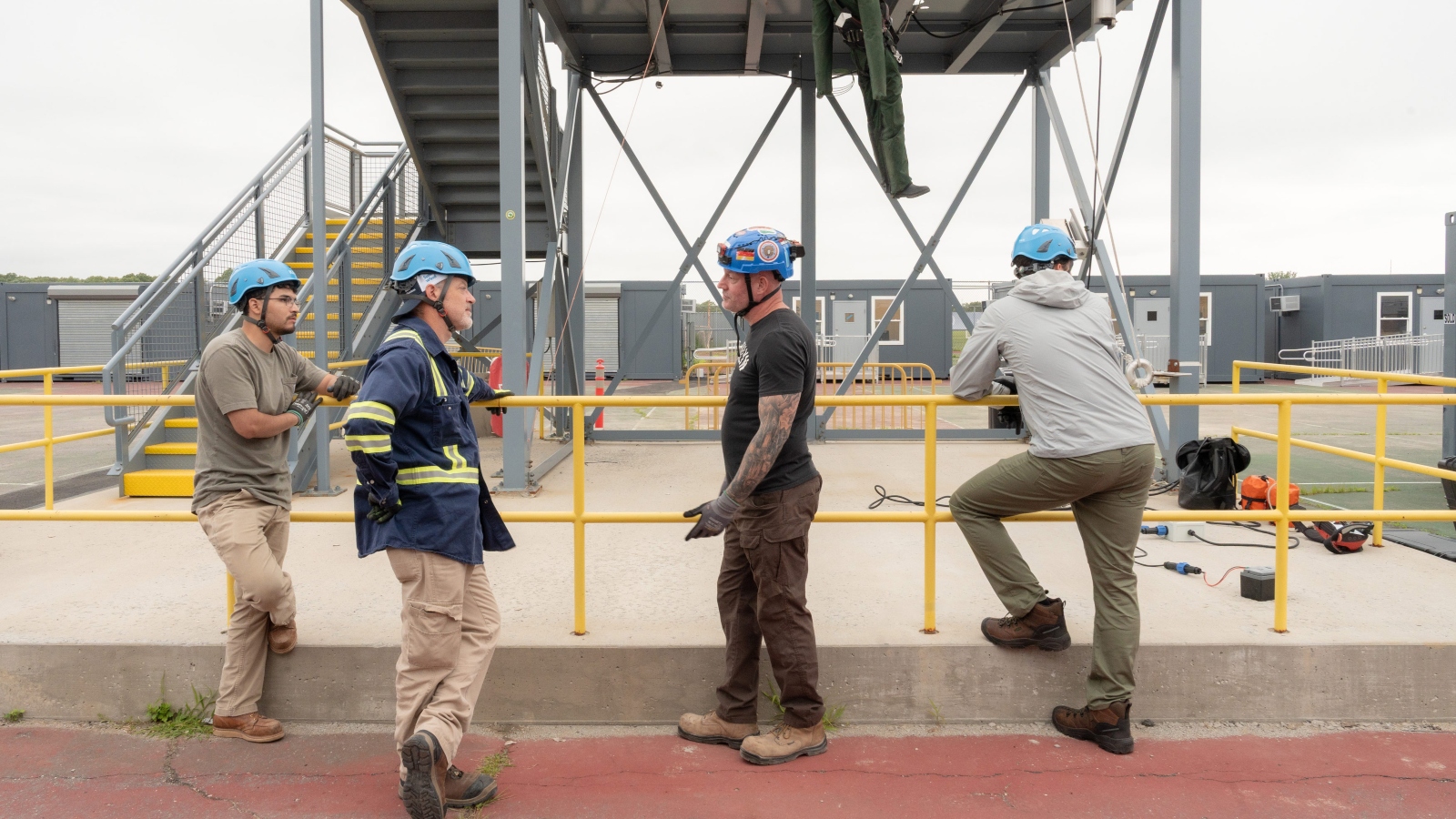
Yet, rather than collapsing entirely, the massive workforce development apparatus built for the wind boom is displaying remarkable resilience. Training centers, labor unions, and higher education institutions are downscaling, reframing their curricula, and pivoting toward broader grid infrastructure, general construction, and coastal technologies. While workers face a looming employment cliff once current construction projects wind down, the educational infrastructure forged during the green energy surge is proving adaptable enough to survive the storm—betting that America’s insatiable long-term hunger for electricity will eventually bring offshore wind back to life.
Detailed Chronology: From the 2030 Vision to the 2025 Retrenchment
The trajectory of America’s modern offshore wind workforce is a tale of rapid ascent followed by sudden turbulence. Understanding how thousands of workers like William "Billy" Bishop found themselves caught in a political crossfire requires examining the timeline of policy shifts over the last five years.
- December 2023: The nation hits a historic milestone when the South Fork Wind farm off the coast of Long Island officially begins delivering commercial-scale power to the grid. At this moment, the domestic offshore wind industry transitions from a speculative concept into a tangible reality, with billions in federal grants, tax credits, and loans backing dozens of projects in the permitting pipeline.
- March 2024: The U.S. Department of Energy releases a stark warning report indicating that the nation faces a massive deficit of qualified wind workers by the end of the decade. This projection triggers an aggressive expansion of training infrastructure, leading to the creation of specialized hubs like the National Offshore Wind Training Center (NOWTC) in Brentwood, New York.
- January 20, 2025: On his first day back in office, President Donald Trump signs the sweeping "wind order," abruptly pausing all new lease sales and permit approvals for both onshore and offshore wind projects. The sudden executive action halts the industry’s momentum overnight.
- Spring–Summer 2025: The federal government issues emergency stop-work orders on the five active offshore wind projects under construction, citing national security concerns. Although these orders are eventually overturned in federal courts, the administration intensifies its offensive. Renewable energy tax credits are rolled back as "market-distorting subsidies," hundreds of millions in federal grants are rescinded, and the administration begins buying out developers to cancel existing offshore leases.
- Late 2025–Present: With major projects like New England Wind and SouthCoast Wind placed on indefinite hold, the domestic pipeline dries up. Only about 6 gigawatts of offshore wind remain online or under construction—less than a third of what the prior administration had approved. Training programs are forced to scramble, shifting their focus toward maintenance, certification renewals, and non-wind electrical infrastructure.
Supporting Context & Metrics: The Human and Economic Toll
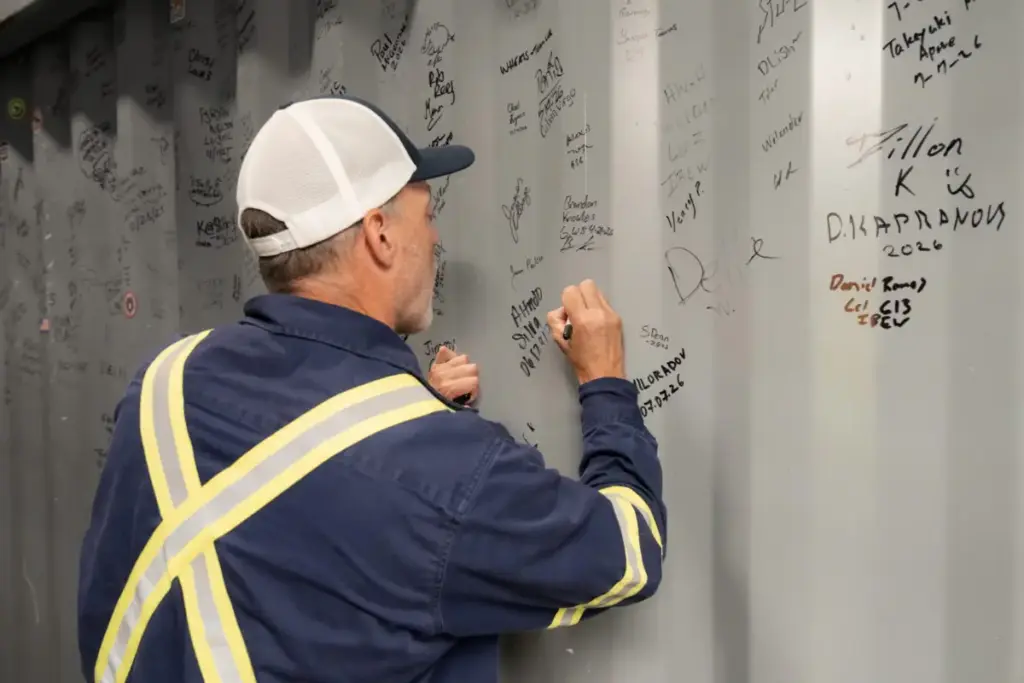
To appreciate the scale of the disruption, one must look at the workers caught in the middle of this policy swing. William “Billy” Bishop, a former Navy sailor and union laborer from Local 1298 on Long Island, represents the human face of this transition. When he learned about offshore wind opportunities two years ago, he jumped at the chance to return to the water. Earning his safety certification from the NOWTC—a collaborative venture between Suffolk County Community College, the Long Island Federation of Labor, and the multinational wind developer Ørsted—Bishop worked first on a project near Rhode Island before transitioning to structural inspections and maintenance on Sunrise Wind, currently under construction off Long Island.
"I would definitely do this forever, and I’ve looked into it since getting the job," Bishop reflects. "But I see contracts are falling through nonstop now in America. This might be the last one for a while."
The metrics compiled by federal agencies and research firms paint a vivid picture of the boom-and-bust cycle:
- 77,000: The estimated number of workers required nationally to meet the Biden administration’s 2030 offshore wind targets.
- 30 Gigawatts: The ambitious generation target set for 2030, from which the actual operational and under-construction capacity currently hovers below one-third.
- $20 Million: The initial multi-partner investment in New York’s Offshore Wind Training Institute via State University of New York (SUNY) campuses.
- 2027: The anticipated year when current flagship projects, such as Ørsted’s Sunrise Wind, are scheduled for completion—marking the likely expiration date for current offshore deployment jobs in the Northeast.
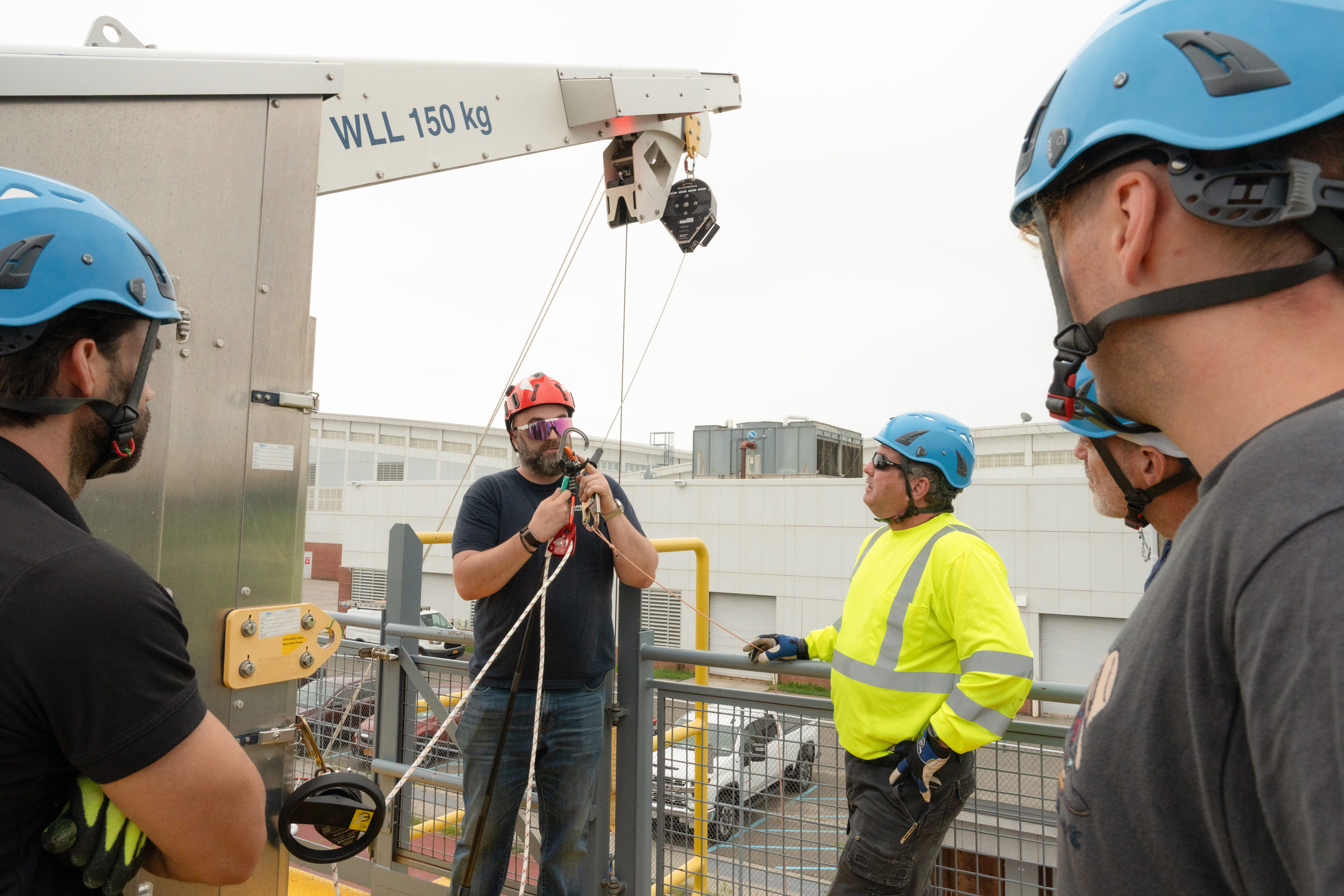
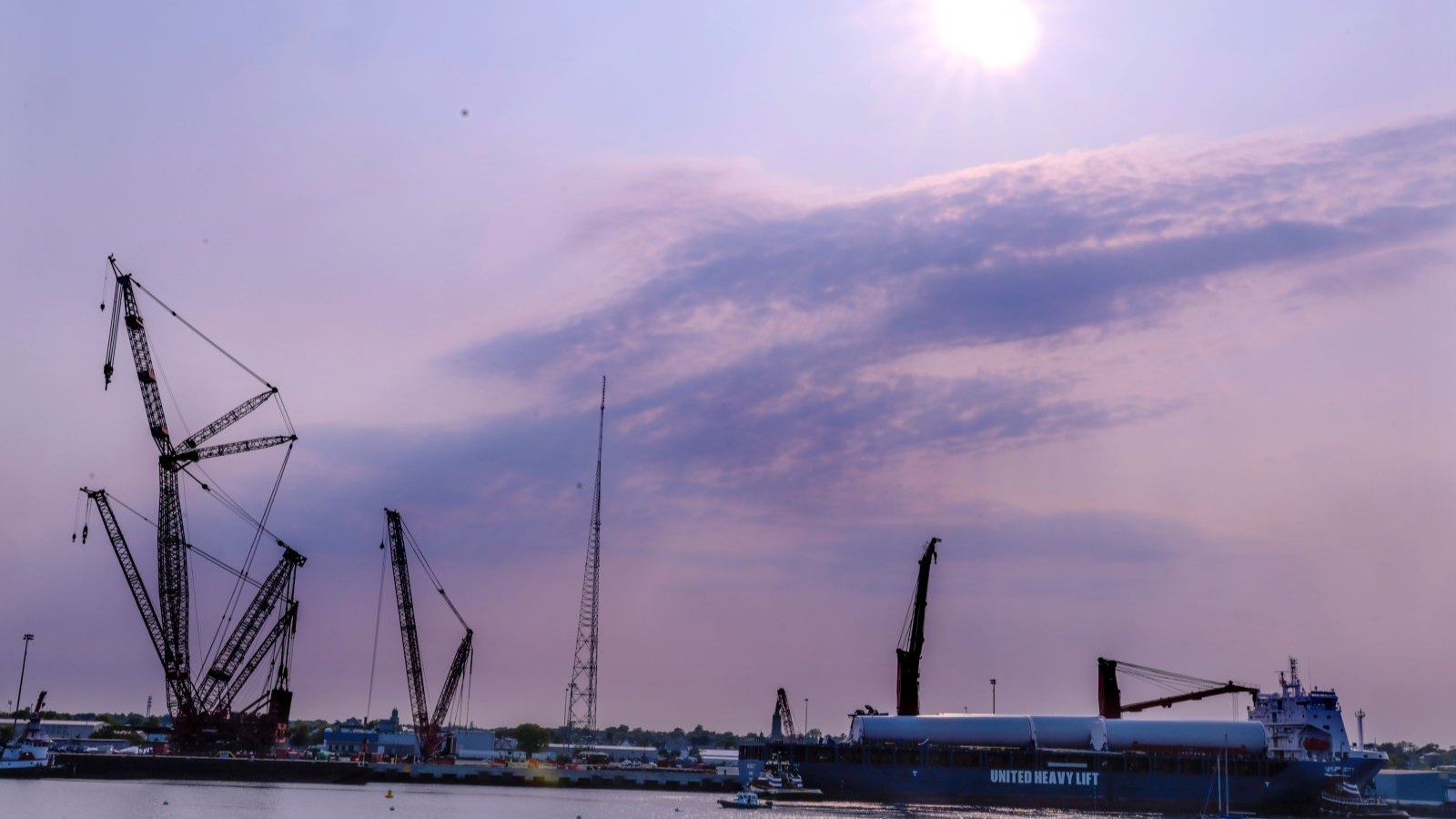
Heavy-lift unions have faced similar bottlenecks. Pile Drivers Local Union 56 in Boston trained its members extensively to handle massive marine piles weighing up to 1,800 tons, supported by international offshore developer Deme and the Massachusetts Clean Energy Center. While these workers successfully helped complete Vineyard Wind 1 and Revolution Wind, business manager John Dunderdale notes a profound sense of missed opportunity regarding projects that were stopped just as construction was set to begin.
"We should have been on to the next one," Dunderdale says. "The jobs were there. The training was there. The money, you know, everything was there."
Official Statements and Industry Perspectives
The policy U-turn has generated fierce debate among energy analysts, union leaders, and corporate stakeholders. Timothy Fox, managing director of ClearView Energy Partners, a Washington, D.C.-based research firm, captures the volatility of the current regulatory environment:
"When it comes to energy policy, the pendulum always swings from one president to another. But now the swings are so dramatic that the pendulum’s going to fall off the clock."
Despite the hostility from Washington, regional workforce leaders remain defiant, arguing that the underlying economic and energy demands will outlast political administrations. Roger Clayman, a NOWTC director and retired executive director of the Long Island Federation of Labor, adopts a pragmatic stance: "We’re not making any decisions right now. Offshore wind will be back."
Matthew Aracich, another NOWTC director and president of the Building and Construction Trades Council of Nassau and Suffolk Counties, echoes this sentiment, noting that local stakeholders had anticipated a sprawling, multi-hub ecosystem rather than a constrained operational footprint.
On the developer side, major market players have maintained a low profile. Ørsted and Equinor—both key financial contributors to U.S. workforce development—declined interview requests for this report, reflecting the sensitive corporate climate surrounding federal offshore leasing negotiations.
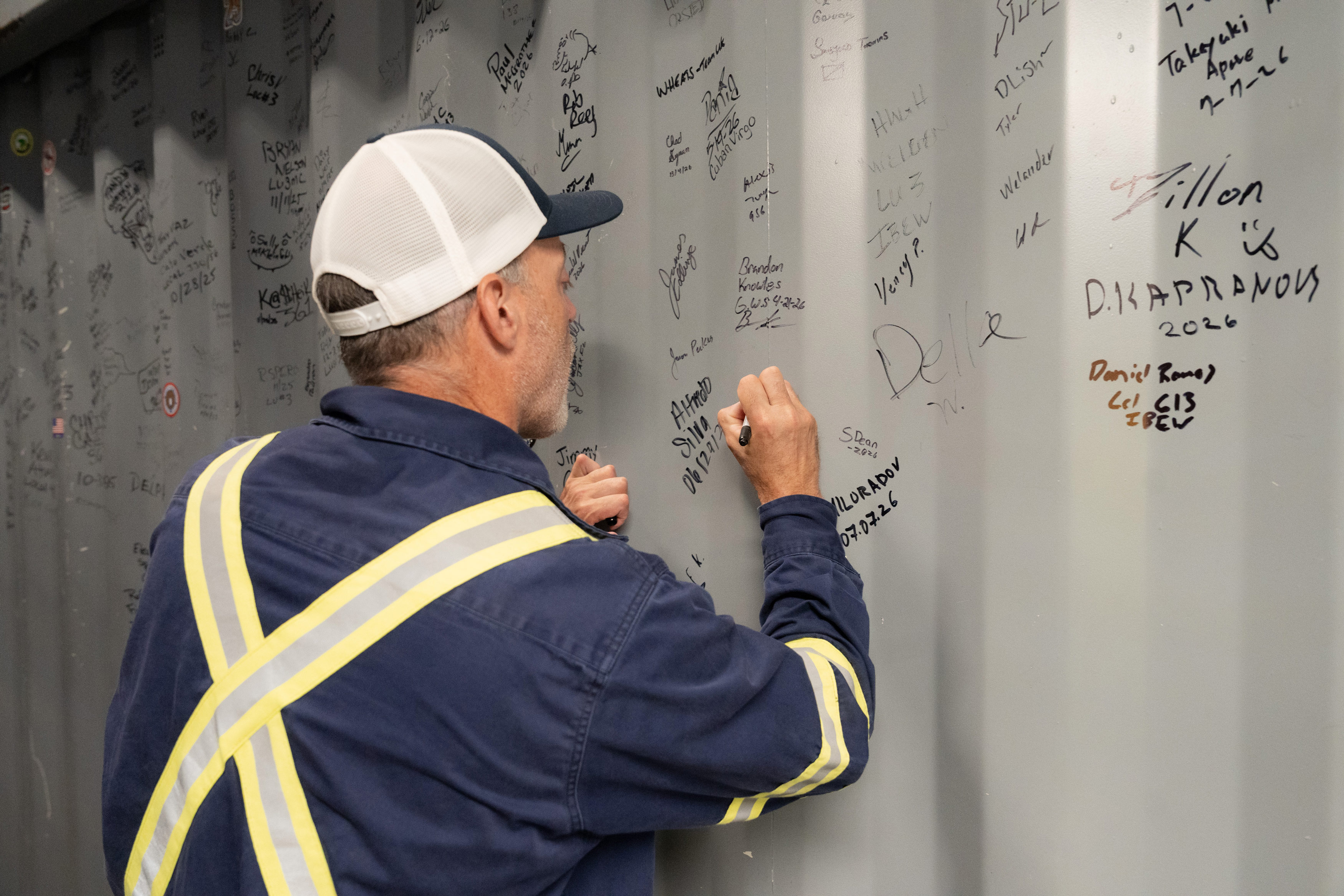
Meanwhile, national clean energy advocacy groups emphasize that the broader clean energy transition continues to march forward despite federal resistance. Abby Huston, vice president of programs for the Clean Power Institute, points out that workforce programs are adapting rather than closing:
"The industry continues to grow, even with the uncertainty that we’re experiencing. What we’ve found is there’s a lot more adaptation in terms of how to build workforce programs rather than closing them down, because there’s still such a huge need."
Future Outlook: Pivoting Beyond the Coastline
Facing the reality of a frozen federal offshore leasing market, training institutions have adopted a strategy of diversification and agility. By stripping their programs down to core, transferable competencies, these initiatives are ensuring that their investments—and their students’ skills—do not go to waste.
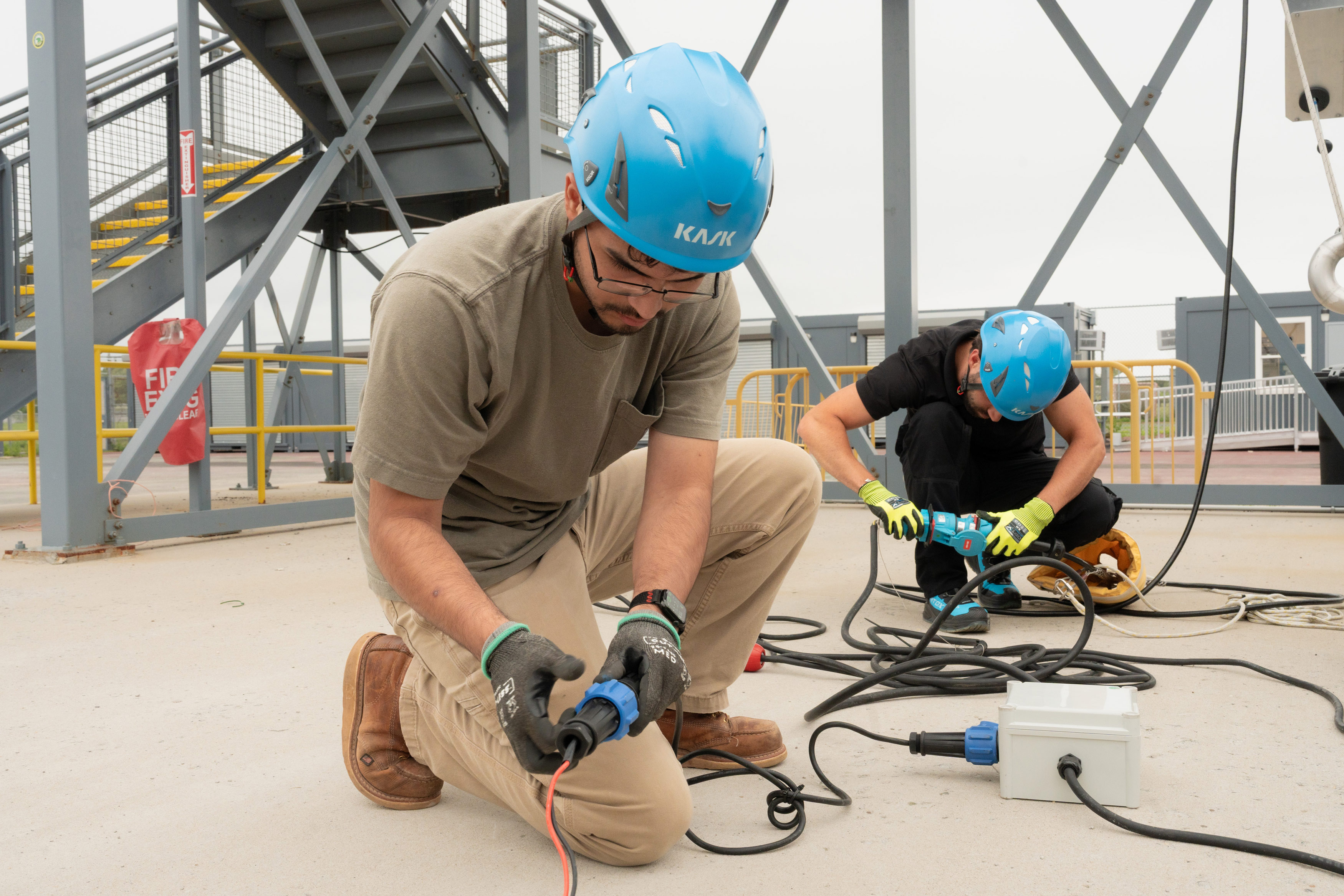
At Stony Brook University, located just a half-hour drive from the NOWTC, undergraduate students in a specialized lab recently gathered to practice wiring high-voltage direct current (HVDC) systems using vending-machine-sized docking stations. Originally launched in 2024 through a SUNY-backed initiative explicitly to serve offshore wind, the curriculum has been quietly broadened. The program now emphasizes HVDC applications across the board, including connecting solar farms to massive battery storage arrays and stabilizing regional electrical grids.
"Luckily, we have a skill and a discipline that we’re teaching these students that does not entirely rely on offshore wind," explains Derek O’Connor, senior workforce development manager in Stony Brook’s Office for Research and Innovation. O’Connor notes that a similar pivot has occurred within "A Taste of the Trades," a paid summer high school program that now exposes young learners to broad microgrid development, welding, and power distribution rather than centering exclusively on offshore generation.
Other states are following suit. The Massachusetts Clean Energy Center has redirected portions of its funding portfolio into "ocean tech," focusing on coastal resilience and marine ecosystem DNA monitoring. In Maryland, a state job training program established in 2022 to support offshore wind is now successfully funneling thousands of graduates into adjacent high-demand sectors like shipbuilding and aerospace.
For individual laborers, the immediate future involves returning to familiar ground. Billy Bishop expects to spend another year completing structural maintenance on the Sunrise Wind project before transitioning back to land-based heavy construction—unless a sudden political or economic reversal breathes new life into the American offshore wind sector.
Ultimately, while the federal political winds have turned against offshore development, the educational blueprints and technical pipelines established during the green energy boom have permanently altered America’s vocational landscape. Whether on land or at sea, the demand for a skilled, adaptable electrical workforce remains an inescapable reality for a power-hungry nation.



