By Valentin Engobo Mufia
Representative of the Tshwa Indigenous People of Lokolama, Democratic Republic of the Congo
Executive Overview
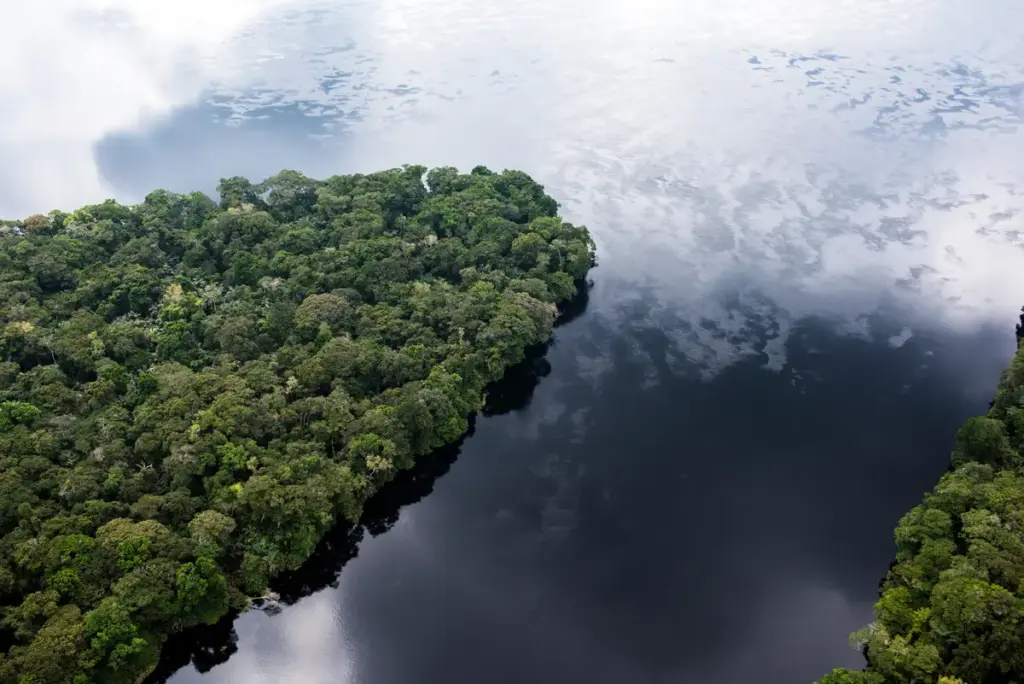
As the sun crests over the dense canopy of Lokolama in the Équateur Province of the Democratic Republic of the Congo (DRC), the forest awakens long before the human world stirs. Birdsong echoes through the multilayered foliage, elders traverse familiar footpaths that have sustained generations, and barefoot children run freely among towering tropical trees. To these communities, the international designation of August as "Indigenous Peoples Month" passes largely unnoticed. For the Indigenous Tshwa and surrounding local populations, this month is indistinguishable from any other: it is another cycle spent living in symbiosis with a forest that feeds, shelters, heals, and instructs them.
Yet, for those observing from the outside, the global calendar serves as a vital reminder—one that highlights an urgent need to fundamentally reframe how the world perceives, interacts with, and values Indigenous communities. For far too long, international conservation frameworks have cast Indigenous Peoples as vulnerable populations in acute need of external rescue. This narrative is not only patronizing; it is fundamentally incorrect.
Long before global superpowers convened to debate carbon markets, biodiversity loss, and nature-based solutions, Indigenous ancestors across Africa and the globe were actively stewarding these landscapes. Their foundational philosophy remains remarkably clear: you do not own the forest; you belong to it. As international climate talks grapple with how to save the world’s most carbon-rich tropical regions, the message rising from the swamps and peatlands of the Congo Basin is unambiguous—true climate resilience cannot be achieved without the leadership of those who have protected these ecosystems for millennia.
Detailed Chronology: Ground-Level Realities in the Heart of the Congo Basin
To understand the modern dynamics of Congo Basin conservation, one must trace the intersection of ancestral stewardship and contemporary environmental movements.
The Pre-Colonial and Ancestral Era: Living Within the Balance
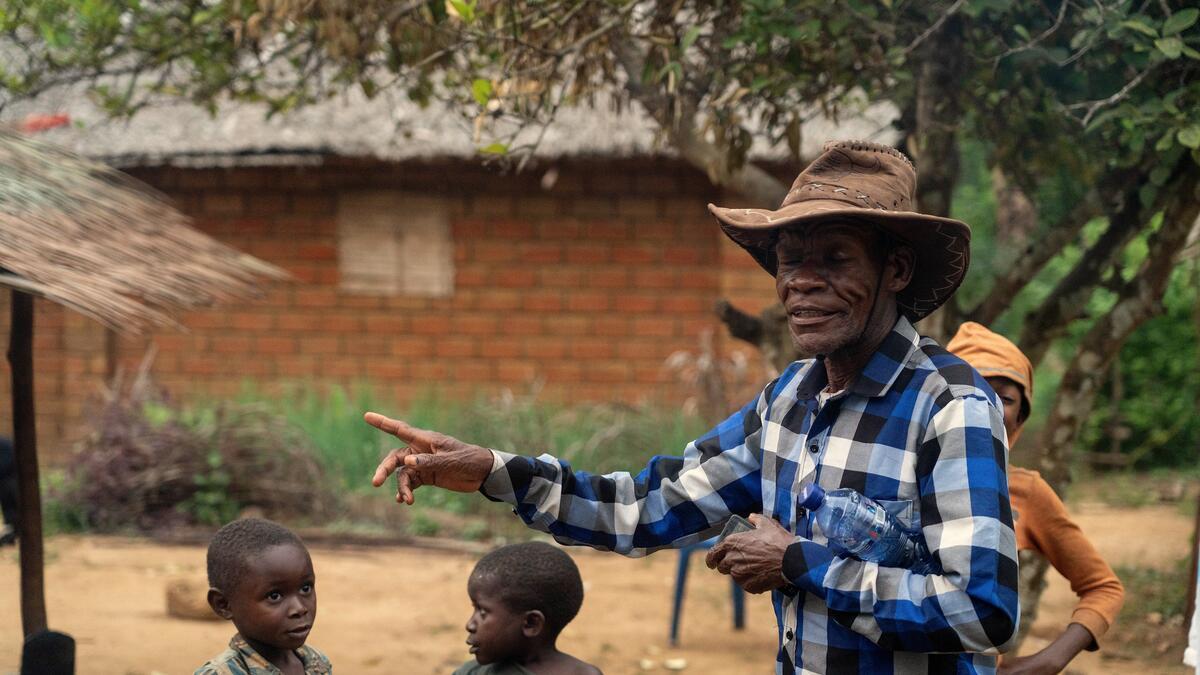
For centuries, life in Lokolama and neighboring Penzélé has been governed by traditional ecological knowledge. Born and raised in Équateur Province, I learned early on to recognize the nuanced languages of the forest—to interpret the silence of the canopy, to track the movements of native fauna, and to understand that every river system and peatland constitutes a fragile, interconnected web of life.
Our ancestors understood that survival depended on restraint. Hunting, gathering, and fishing were bounded by customary laws designed to prevent over-exploitation. This intergenerational transmission of knowledge ensured that the biological integrity of the rainforest remained intact, preserving vital carbon sinks long before modern science calculated their global significance.
The Greenpeace Africa Expedition: Documenting Living Proof
A critical turning point in bridging local realities with international visibility occurred when Greenpeace Africa launched an expedition into Lokolama and Penzélé. For several days, international researchers, environmental advocates, and local community members walked side by side beneath the towering trees.
The expedition was designed to document ground-level research, cross-reference satellite data regarding the vast peatland discoveries in the Congo Basin, and—most importantly—listen to the people who inhabit these swamps. Through extended dialogues with village elders, local youth, and community women, it became undeniably evident that ancestral knowledge is not merely a static cultural heritage. Rather, it is a dynamic, highly practical framework for solving contemporary ecological crises. The expedition proved that Indigenous populations are not passive beneficiaries of conservation projects; they are the original architects and frontline defenders of these vital habitats.
The Youth Vision: Dreaming of an Interconnected Future
During the expedition, a particularly revealing exercise took place: children from the villages were asked to draw their vision of a "perfect forest."
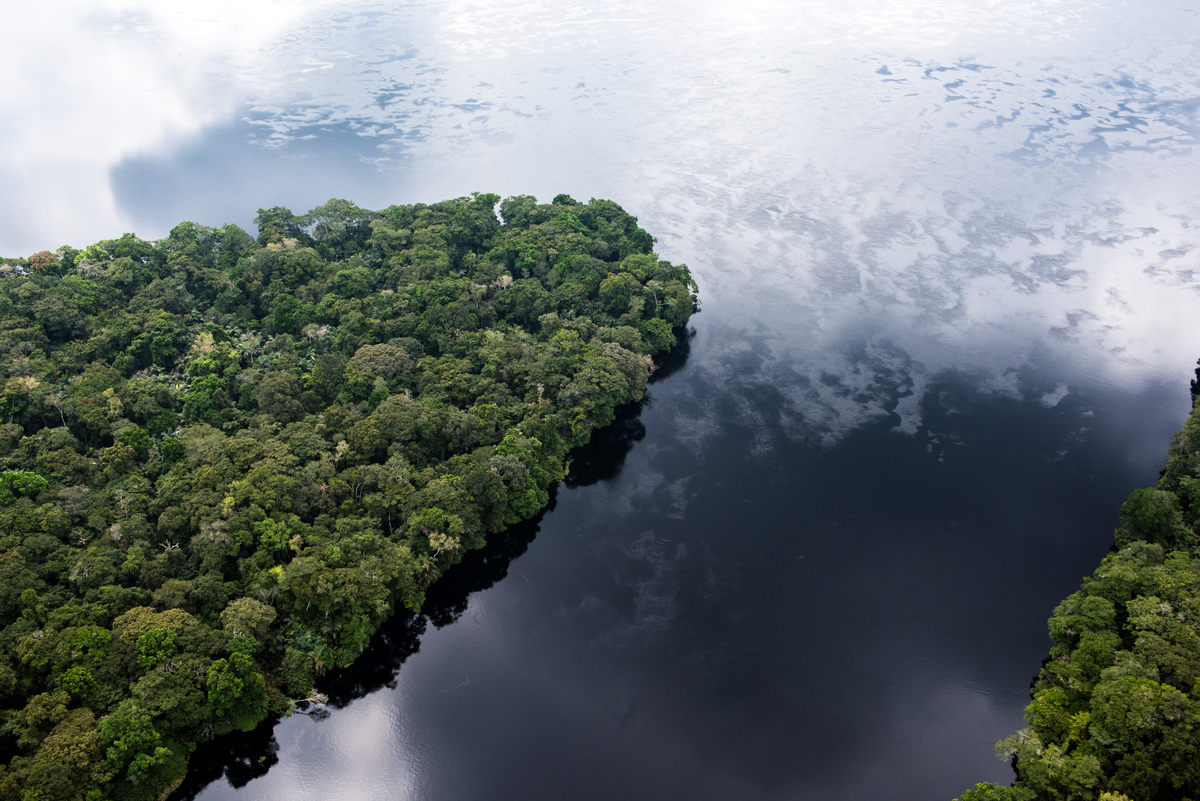
None of the children sketched an empty landscape or a sterile conservation park devoid of human life. Instead, their drawings featured towering timber, life-giving rivers teeming with fish, bonobos swinging through branches, colorful birds and butterflies, and human families living in harmonious integration with nature. These simple drawings captured a profound sociological and ecological truth: for the people of Lokolama, the forest is not a remote wilderness to be visited or locked away; it is home, identity, and destiny fused into one.
Supporting Context & Metrics: The Global Significance of Lokolama’s Peatlands
The urgency of listening to the Indigenous communities of the DRC is magnified by the sheer ecological weight of the region they protect.
The Carbon Reservoir of the Congo Basin
The Congo Basin represents the most carbon-rich tropical region on Earth. Within this vast expanse, the swamp forests and peatlands surrounding Lokolama, Penzélé, and Mbandaka hold staggering quantities of organic carbon. Scientific assessments estimate that the peatlands discovered beneath these swamp forests store the equivalent of three years’ worth of total global fossil fuel emissions.
If disturbed, drained, or cleared for industrial exploitation, these peatlands would release gigatons of greenhouse gases into the atmosphere, instantly undermining global targets to keep global warming within safe thresholds. Consequently, the daily stewardship practiced by the Tshwa people serves as an irreplaceable bulwark against runaway climate change.
The Social Cost of Exclusionary Conservation
Historically, mainstream conservation models—often referred to as "fortress conservation"—have sought to protect nature by excluding human populations, frequently displacing Indigenous communities from their ancestral lands. In regions like Penzélé, historical misunderstandings and top-down policy enforcement have occasionally created friction between local populations and conservation initiatives.
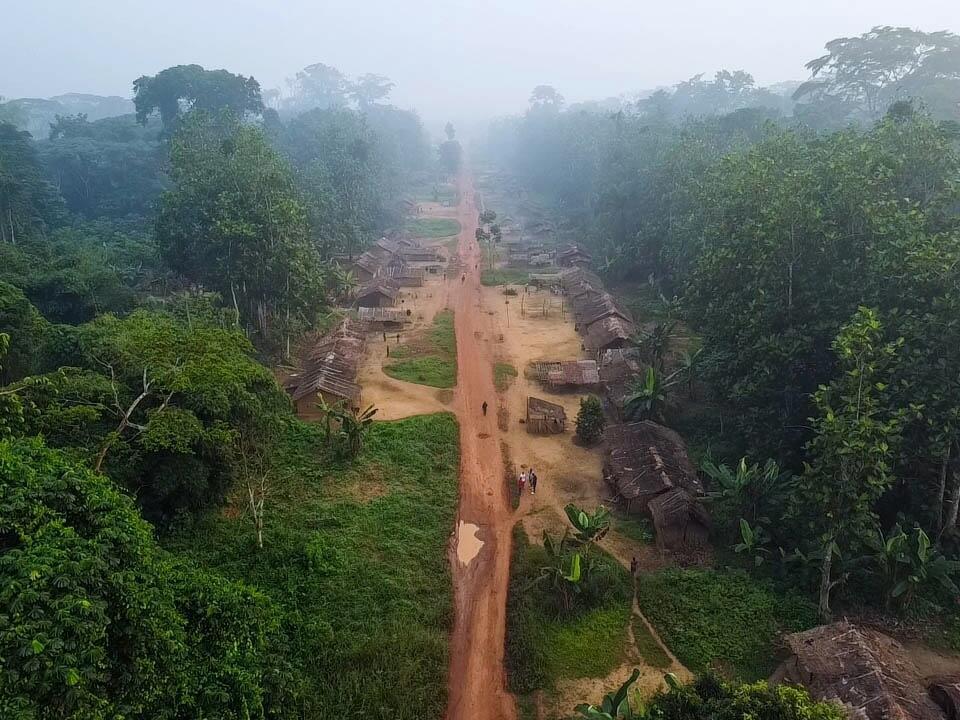
However, modern field assessments, such as those documented during the Greenpeace Africa engagements, emphasize that lasting environmental stability is impossible without community reconciliation and empowerment. Protecting the forest requires protecting the social and cultural bonds that unite the people who call it home. When Indigenous land rights are secured, deforestation rates consistently drop below those of state-managed or private reserves, proving that human rights and biodiversity conservation are fundamentally indivisible.
Official Stances and Perspectives: Beyond Aid to True Partnership
As world leaders gather annually at international climate summits (such as the UNFCCC Conferences of the Parties) to debate climate finance, biodiversity credits, and sustainable development goals, the perspective from the ground remains remarkably grounded and pragmatic.
The Rejection of Romanticized Vulnerability
Indigenous representatives consistently challenge the global narrative that paints them as helpless victims. While these communities face severe pressures from industrial logging, mining concessions, and climate-induced environmental shifts, their primary handicap is not a lack of resilience or traditional capability. Rather, it is systemic disenfranchisement from political and economic decision-making processes.
"I am not asking the world to celebrate us. I am asking the world to listen to us. To listen to the voices rising from Lokolama, from Penzélé, and from countless other villages across the Congo Basin and across the Earth." — Valentin Engobo Mufia
A Blueprint for Holistic Development
Far from rejecting modernization, Indigenous communities in the Congo Basin articulate a clear vision of development that balances ecological integrity with human progress. The aspiration is not to remain isolated in historical amber, but to secure:
- Quality education infrastructure for the younger generation.
- Accessible healthcare services to combat preventable diseases.
- Sustainable transport networks that connect remote villages to regional markets without fragmenting fragile wildlife corridors.
- Direct economic opportunities that reward local populations for their ecosystem services rather than forcing them into destructive extraction economies.
Crucially, these communities demand to sit at the negotiation table as equal partners, not passive observers. Because no satellite imagery, remote sensing algorithm, or foreign consultant understands the micro-climates, seasonal migrations, and botanical complexities of the Congo Basin better than those who have lived in dialogue with it for generations, local inclusion is an absolute prerequisite for policy success.
Future Outlook: A Shared Destiny
The trajectory of the global climate movement hinges on a paradigm shift. If international policymakers continue to design climate finance mechanisms and conservation strategies behind closed doors in distant capitals while ignoring the rights of Indigenous guardians, the long-term viability of global carbon sinks will remain in jeopardy.
Conversely, a transformative future is possible if the international community adopts a rights-based approach to conservation. This requires:
- Formal legal recognition of Indigenous and local community land titles across the DRC and the broader Congo Basin.
- Direct, unmediated climate funding that reaches grassroots organizations and community-led conservation initiatives without bureaucratic bottlenecks.
- The integration of Traditional Ecological Knowledge (TEK) alongside Western scientific frameworks in national and international climate adaptation planning.
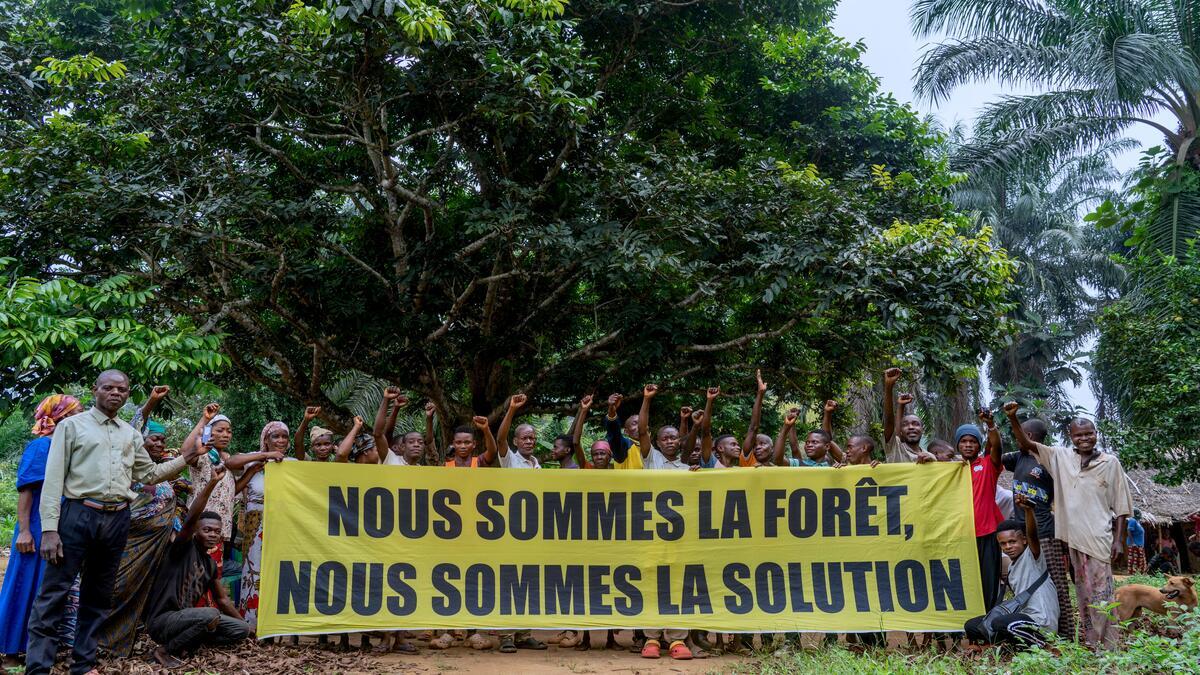
The message emanating from Lokolama is clear and unwavering. The forests of the Congo Basin did not wait for international conferences to be protected; they were safeguarded by the generations of women, men, and youth who walk its paths with humility and respect.
We are Indigenous Peoples. We are not relics of the past. We are an indispensable pillar of the future of the Congo Basin and the planet at large. And as long as the forest continues to breathe, we will continue walking beside it.
Take Action: Defend the Defenders
The fight to protect the Congo Basin and its Indigenous guardians requires global solidarity. You can stand with the communities of Lokolama and Penzélé by demanding the legal recognition of Indigenous rights and territories.