

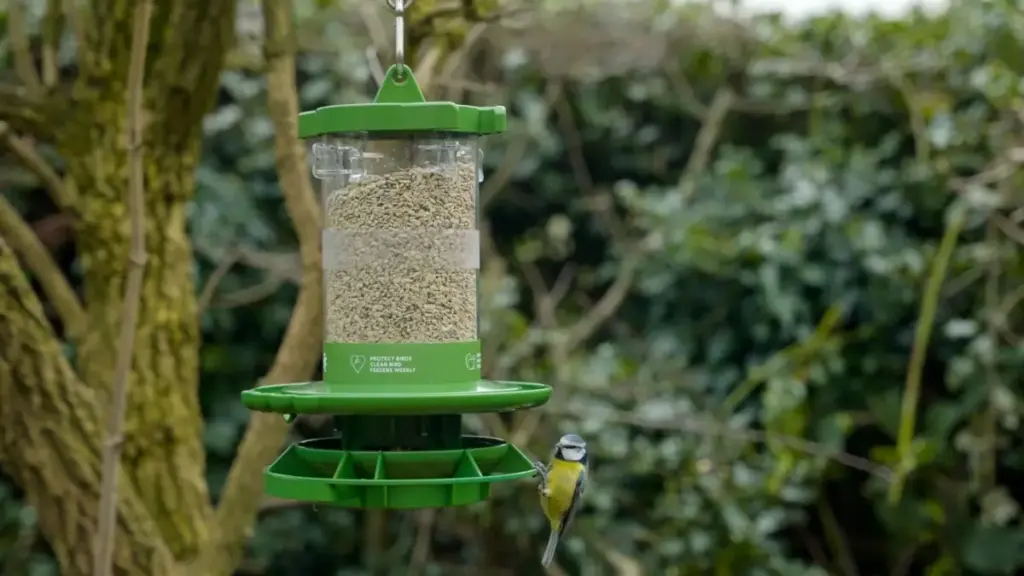
Executive Overview
For millions of nature enthusiasts, maintaining a well-stocked bird feeder is a daily ritual that brings the vibrant energy of British wildlife directly to the doorstep. Beyond the simple joy of backyard birdwatching, supplemental feeding plays a critical role in supporting wild bird populations, particularly during times of natural food scarcity. When gardens consistently provide reliable sustenance, local birds quickly learn to return, establishing a beneficial urban sanctuary.
However, recent scientific findings and conservation insights have radically transformed our understanding of backyard bird care. Studies conducted in partnership with the British Trust for Ornithology (BTO) and the Institute of Zoology, alongside pivotal research from the Royal Society for the Protection of Birds (RSPB), have illuminated a pressing ecological concern: avian diseases, notably trichomonosis, spread with alarming ease during the warmer summer and autumn months. Crucially, transmission rates spike dramatically on flat surfaces—such as traditional bird tables and communal bird baths—and at heavily frequented, poorly maintained feeding stations.
In response to these findings, conservation bodies have issued a vital pivot in consumer guidance, summarized by two essential mandates: Feed safely. Feed seasonally.
This comprehensive guide explores the evolving landscape of garden bird welfare. We examine the biological imperative for seasonal feeding adjustments, unpack the critical importance of hygiene to prevent disease hotspots, and provide an authoritative, curated review of the top bird feeders on the market. Whether you are looking to deter pesky squirrels, protect vulnerable finch populations, or invest in eco-friendly, recycled materials, this guide offers everything you need to transform your garden into a safe, thriving habitat.

Detailed Chronology: The Evolution of Modern Bird Feeding and Disease Management
The relationship between humans and garden birds has undergone a profound transformation over the past several decades. What began as an informal practice of tossing kitchen scraps onto lawns has evolved into a sophisticated, science-backed branch of wildlife conservation.
Phase 1: The Rise of Backyard Feeding (Late 20th Century)
During the latter half of the 20th century, commercial bird food became widely accessible. The market expanded from basic mixed grains to specialized seed blends, peanuts, and fat balls. Gardeners quickly realized that keeping feeders full not only helped birds survive harsh winters but also increased biodiversity in suburban environments. During this era, the focus was almost exclusively on volume and variety: the more diverse the menu, the wider the range of species—from tits and sparrows to finches and thrushes—that would grace the garden.
Phase 2: The Emergence of Pathogen Awareness (2005–2015)
As backyard feeding grew in popularity, ornithologists began tracking troubling population declines in specific garden bird species, most notably the greenfinch (Chloris chloris) and chaffinch (Fringilla coelebs). Intensive research revealed that these declines were heavily driven by an emerging parasitic disease: trichomonosis. Historically an infection affecting pigeons and doves, the parasite Trichomonas gallinae mutated or adapted to pass efficiently to passerine birds, primarily through contaminated food and water sources.
Phase 3: The Scientific Consensus and Policy Shift (Present Day)
Recent landmark collaborations between the RSPB, the BTO, and the Institute of Zoology quantified the exact vectors of transmission. Scientists confirmed that stagnant water, flat feeding tables, and overcrowded, uncleaned tubular feeders act as epidemiological "super-spreaders" during the high-stress, warm months of summer and autumn. This realization forced a paradigm shift within conservation organizations. The old advice of continuous, year-round, indiscriminate feeding was replaced by a nuanced, highly regulated protocol prioritizing seasonal modulation and rigorous hygiene.

Supporting Context & Metrics: Understanding the Ecological Impact
To appreciate why modern bird feeders are engineered the way they are, one must understand the biological and environmental pressures facing wild bird populations today.
The Nutritional Imperative
Providing specialist bird cakes, high-energy seeds, mealworms, and flaked maize does more than just entertain the observer. Natural habitats across the UK have faced significant fragmentation due to urbanization and intensive agriculture. Providing a diverse array of foods mimics a natural foraging environment, attracting specialized feeders:
- Seed-eaters (such as finches and buntings) require high-fat seeds like sunflower hearts.
- Insectivores (such as robins and dunnocks) thrive on mealworms and soft foods.
- Generalists (such as blue tits and great tits) benefit immensely from high-energy suet cakes during peak breeding and moulting seasons.
The Epidemiological Metrics of Trichomonosis
Trichomonosis is a debilitating disease caused by a flagellated protozoan parasite. When an infected bird regurgitates food to its mate or offspring, or drops contaminated saliva onto a feeding surface, the parasite can survive for short periods in damp conditions.
- Surface Vulnerability: Studies show that flat surfaces, such as open wooden bird tables, retain moisture and organic waste (droppings and old food), creating an ideal breeding ground for pathogens.
- The Summer/Autumn Spike: Warmer ambient temperatures accelerate the proliferation of bacteria and parasites. Consequently, the RSPB’s updated guidelines emphasize that summer and autumn demand heightened vigilance compared to the frozen depths of winter, when cold temperatures naturally suppress many pathogen lifecycles.
Official Statements: The RSPB Guidance on Safe and Seasonal Feeding
The modern consensus on garden bird care is built upon two foundational pillars established by leading conservation authorities.

1. Feed Seasonally
It is a common misconception that birds need maximum human intervention during the spring and summer. While supplemental feeding is vital when natural food is scarce, the spring and summer months provide a wealth of natural caterpillars, insects, and seeds.
Furthermore, because juvenile birds are naive and congregate in high numbers around garden feeders during the post-breeding season (summer and autumn), the risk of disease transmission escalates dramatically. Adjusting what and how much you feed—focusing on high-hygiene setups, reducing quantities during peak disease seasons, and allowing natural foraging to take precedence—is critical for long-term population health.
2. Feed Safely
Hygiene is no longer an optional chore for keen gardeners; it is a fundamental wildlife conservation responsibility. Just one infected bird visiting an uncleaned, busy feeder can transform your garden sanctuary into a localized disease hotspot.
Conservation guidelines dictate that feeders must be:

- Regularly dismantled and washed with a mild, pet-safe disinfectant.
- Allowed to dry completely before refilling to prevent mold and bacterial growth.
- Monitored for sick birds (signs include lethpathy, fluffed-up feathers, inability to swallow, and visible drooling or discharge around the beak). If a sick bird is spotted, feeding should be suspended immediately for a minimum of two weeks to break the infection cycle.
Curated Product Guide: Top Bird Feeders for Every Garden
Choosing the right bird feeder involves balancing material sustainability, ease of cleaning, pest prevention, and your specific garden layout. Below is an expert-curated selection of the best bird feeders available to UK gardeners, designed to meet the rigorous standards of modern bird welfare.
1. Peckish 100% Recycled Woodland Feast Multi Feeder
- Price: £29.99
- Retailer: Amazon
- Key Features: Made from 100% recycled materials and sustainably sourced wood; holds ~500g of seed and two suet cakes; slate-effect roof and sturdy mesh crafted from roughly 125 recycled food and drink cartons; plastic-free packaging; easy to clean.
As sustainability takes center stage in garden design, the Peckish Woodland Feast stands out. It successfully combines multi-species feeding capabilities with an eco-conscious build. By repurposing hundreds of drink cartons into a durable, slate-effect roof, this feeder reduces landfill waste without sacrificing structural integrity. Its hybrid design allows you to offer both loose seed and high-energy suet simultaneously, while its straightforward construction ensures it can be easily disassembled for the rigorous cleaning routines required by modern hygiene standards.
2. Eco-Blu Bird Feeder
- Price: £17.99
- Retailer: Wildlife Community
- Key Features: Crafted from recycled ocean plastic; embedded protection against harmful bacteria, fungi, and microbes; transparent hopper; simple locking system for rapid disassembly; ideal for sunflower hearts, seeds, and kibbled nuts.
For gardeners seeking an affordable yet highly hygienic option, the Eco-Blu feeder is an exceptional choice. Manufactured from recycled ocean plastics, the material is engineered to actively resist microbial growth—a vital feature given the RSPB’s warnings regarding summer disease transmission. The transparent lantern-style hopper ensures you can monitor food levels at a glance, while the intuitive locking mechanism allows for effortless, frequent cleaning.
3. Finches Friend Cleaner Feeder 1
- Price: £44.99
- Retailer: Finches Friend
- Key Features: Specifically designed to combat avian diseases like Trichomonosis (linked to greenfinch and chaffinch declines); generous 1.79-litre capacity; robust, fully recyclable, and exceptionally easy to take apart; keeps food permanently clean and dry.
Priced at the premium end of the market, the Finches Friend Cleaner Feeder is a masterclass in specialized wildlife engineering. Greenfinches and chaffinches have suffered catastrophic population drops due to trichomonosis, largely contracted at poorly drained, contaminated feeding stations. This feeder was explicitly designed to combat this crisis. Holding nearly 1.8 litres of food, its patented internal geometry ensures that feed remains completely dry and fresh, while its tool-free dismantling system makes rigorous daily or weekly sanitation effortless.

4. Roamwild Pest Off Squirrel Proof Bird Feeder
- Price: £32.99
- Retailer: Roamwild
- Key Features: 1.5-litre capacity; weight-sensitive automatic hatch mechanism blocks access for squirrels and large birds; built-in rain guard to prevent seed clogging and subsequent mold growth.
Grey squirrels can quickly overwhelm a garden feeding station, devouring expensive seed and damaging plastic components. The Roamwild Pest Off feeder solves this through clever mechanical design rather than cumbersome outer cages. When a heavy squirrel or large pest bird lands on the perch, the weight automatically triggers a descent that physically blocks access to the feeding ports. Once the pest departs, the spring-loaded perch resets. Furthermore, its integrated rain guard prevents moisture from spoiling the seed—a critical feature in preventing the damp, fungal conditions that harbor pathogens.
5. Ch-Eco Recycled Bird Feeder
- Price: £6.95
- Retailer: Welland Valley Feeds
- Key Features: Manufactured in the UK in six vibrant colors; constructed from recycled plastics and upcycled chewing gum; fully recyclable at end-of-life; includes a complimentary bag of bird food.
An innovative entry into the eco-friendly market, the Ch-Eco feeder proves that wildlife conservation can be both accessible and playful. Available in a cheerful palette of six colors, these feeders are crafted from post-consumer recycled plastics blended with upcycled chewing gum waste. At under £7, including a complimentary bag of bird food, it is an ideal entry-level product for families or urban gardeners looking to support local wildlife on a modest budget without compromising on environmental ethics.
6. RSPB Suet Feeder and Guardian
- Price: £28.00
- Retailer: RSPB
- Key Features: Dimensions: 30cm tall, 24cm wide; integrated steel guardian cage; holds up to 10 suet balls; restricts access strictly to smaller, agile garden birds.
Suet balls are a calorie-dense powerhouse for garden birds, but they are frequently monopolized by corvids (magpies, jackdaws, and jays) or squirrels. The RSPB Suet Feeder and Guardian solves this by enclosing a high-capacity suet ball holder within a robust metal cage. The grid spacing is scientifically calibrated to allow small tits, robins, and sparrows to slip through safely while keeping larger, more aggressive species and mammalian pests at bay.
7. Cleaner Peanut Feeder
- Price: £34.95
- Retailer: Finches Friend
- Key Features: Covered, sealed container system; UV-stabilized, recyclable polycarbonate construction; engineered to prevent peanuts from jamming in the center; removable hopper for deep cleaning.
Peanuts are a classic garden favorite, but poorly designed mesh peanut feeders often leave old, damp nuts trapped in the center where they rot and breed harmful fungi and bacteria. This specialized peanut feeder from Finches Friend features a sealed, covered container that channels nuts directly to the feeding zones, ensuring they are consumed rather than left to spoil. Made from UV-stabilized polycarbonate, the feeder will not degrade, yellow, or weaken under intense summer sunlight, and it easily disassembles for thorough sanitation. Note: Always ensure you use Aflatoxin-tested peanuts to protect birds from fatal toxins.

8. RSPB Ultimate Easy-Clean Seed Feeder
- Price: £13.00
- Retailer: RSPB
- Key Features: Constructed from durable zinc alloy and a UV-resistant polycarbonate tube; guaranteed not to crack or discolour; available in three sizes (largest holds 1.5 litres).
A staple of conservation-minded backyards, the RSPB Ultimate Easy-clean Seed Feeder balances durability with user-friendly maintenance. Its metal base and cap, combined with a robust polycarbonate viewing tube, withstand the elements and resist chewing from squirrels. True to its name, the base twists off effortlessly, allowing gardeners to flush out old husks and disinfect the interior in seconds—making it an exemplary tool for practicing the vital "Feed Safely" protocol.
How to Choose the Right Bird Feeder
Selecting the ideal bird feeder for your outdoor space comes down to balancing two primary considerations: target species and garden architecture.
- Identify Your Audience: If you want to attract finches and siskins, tubular seed feeders with small ports are ideal. If you wish to support insectivores and ground-feeding tits, suet cages and flat-surfaced hopper feeders work best (though be mindful of disease risks on flat surfaces).
- Evaluate Material Longevity: Opt for UV-stabilized plastics, recycled composites, or heavy-duty metals (like zinc alloy). Cheap plastics crack under UV exposure, creating microscopic crevices where bacteria thrive.
- Prioritize Disassembly: If a feeder requires tools to take apart for cleaning, you are less likely to clean it regularly. Choose tool-free, quick-release models.
Where to Position Your Bird Feeder for Maximum Safety
Even the most hygienic, premium feeder will fail to protect wildlife if it is placed in a vulnerable or hazardous location. Proper placement is your first line of defense against predators and pests.
- Predator Deterrence: Cats are a primary threat to ground-feeding and distracted birds. Position your feeders at eye level or slightly above, ensuring there is clear open space around the feeder so cats cannot launch a surprise attack from nearby low-growing shrubs.
- Squirrel Management: Grey stellar acrobats can leap up to 2–3 metres horizontally and drop from much higher branches. Hang your feeders on dedicated, smooth metal poles well away from overhanging tree branches, boundary fences, or tall garden sheds that could serve as launching pads.
- Shelter and Escape Routes: While feeders should be clear of predator ambush zones, they should also be within a safe, short flight of dense cover (such as a native hedge or thorny bush) where birds can retreat quickly if startled by sparrowhawks or domestic pets.
Future Outlook
As urban expansion continues to squeeze natural green corridors, suburban and rural gardens will play an increasingly vital role in wildlife conservation. The intersection of citizen science—driven by organizations like the RSPB and BTO—and consumer product design is yielding smarter, safer, and more sustainable tools for wildlife enthusiasts.

In the coming years, we can expect further innovations in antimicrobial materials, solar-powered monitoring cameras integrated into feeding stations, and an even greater emphasis on circular-economy manufacturing using recycled ocean plastics and upcycled waste. By embracing the ethos of Feeding Safely and Seasonally, gardeners are not merely feeding local wildlife; they are actively participating in the preservation of our natural heritage for generations to come.
This Product Guide was last updated in August 2026. Prices and product availability are subject to change.



