In response to mounting ecological concerns regarding the transmission of fatal avian diseases at backyard feeding stations, the Royal Society for the Protection of Birds (RSPB) has introduced a transformative advisory framework for wildlife enthusiasts. Centered on the golden rule—"Feed Seasonally. Feed Safely"—this updated guidance is grounded in rigorous scientific research highlighting how high-density garden feeders can act as vectors for contagious pathogens, most notably trichomonosis.
Beyond merely revising how and when we deploy suet, fat balls, and seed mixes, conservationists are advocating for a fundamental shift in landscape management. Instead of relying exclusively on supplementary artificial feeding, homeowners are being encouraged to integrate wildlife-friendly flora into their garden borders. By cultivating natural food sources—ranging from seed-bearing perennials and nectar-rich shrubs to berry-producing trees—gardeners can create self-sustaining ecosystems that support birds throughout the year while significantly reducing the risks associated with communal feeding stations.
Detailed Chronology: The Evolution of Modern Bird Feeding and Disease Management
The relationship between humans and backyard birds has undergone significant transformation over the past century. Initially viewed as a minor winter pastime, supplementary feeding has grown into a multi-million-pound global hobby. However, this increased human intervention has inadvertently altered avian behavior, concentrating populations around artificial food sources in ways never intended by nature.
The Rise of Supplementary Feeding
For decades, ornithologists and conservation bodies encouraged the public to feed garden birds, particularly during harsh winter months when natural foraging resources dwindle. Fat balls, peanuts, and mixed seeds became staples of suburban gardens across the United Kingdom and beyond. This widespread practice undoubtedly helped sustain individual birds through freezing conditions, boosting localized survival rates for common species such as blue tits, house sparrows, and greenfinches.
The Emergence of Trichomonosis
As garden feeding grew more popular and year-round feeding became the norm, researchers began tracking worrying epidemiological shifts among wild bird populations. Most alarmingly, trichomonosis—a disease caused by the parasitic protozoan Trichomonas gallinae—jumped from traditional hosts like pigeons and doves to passerine species, particularly greenfinches and chaffinches.
The disease causes severe lesions in the upper digestive tract, making it difficult or impossible for infected birds to swallow. Because garden feeders concentrate multiple birds in close physical contact around shared food and water surfaces, they became primary transmission hubs. The resulting epizootic events led to catastrophic population declines in greenfinches across the UK, prompting urgent scientific investigation and subsequent policy shifts by organizations like the RSPB.
The Shift to "Feed Seasonally, Feed Safely"
Synthesizing years of epidemiological data, the RSPB formalized its modern guidance. The strategy separates the calendar year into distinct management phases:
The Summer Window (May 1 to October 31): A period of natural abundance where insects, caterpillars, and fresh vegetation are plentiful. During this time, supplementary high-fat foods (suet, fat balls, mealworms) should be restricted to minimal amounts, if offered at all.
The Winter Window (November 1 to April 30): A period of scarcity when high-energy peanuts and seeds can be safely provided to help birds maintain vital fat reserves.
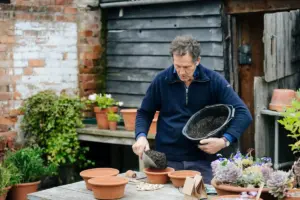
Rigorous Hygiene Protocols: The operational shift also mandates stringent cleaning protocols—emphasizing the use of protective rubber gloves, dedicated long-handled brushes, outdoor washing facilities, and the total abandonment of flat-surface bird tables that easily accumulate fecal contamination and moisture.
Supporting Context & Metrics: The 26 Essential Plants for Garden Birds
To bridge the gap between restricted artificial feeding and robust natural nutrition, conservationists recommend transforming garden borders into botanical pantries. Below is an expanded guide to the 26 premier plants recognized for their exceptional wildlife and aesthetic value, providing seasonal seeds, insects, nectar, and berries.
Overview: Offering everything from towering varieties to compact dwarf cultivars like ‘Choco Sun’ (which require no staking), sunflowers provide vibrant summer displays followed by nutrient-rich seedheads. Blue tits and greenfinches avidly harvest these seeds in autumn. Note: Always select pollen-producing varieties rather than modern pollenless types to ensure seed set.
Overview: Standing around 90cm tall, this striking ornamental grass features deep purple linear foliage and feathery summer spikes. It creates dramatic architectural contrast in borders alongside hot-toned perennials like dahlias and rudbeckias before its spent flower spikes attract hungry seed-eating birds.
Overview: Airy and versatile, cornflowers inject blue, pink, and purple highlights into meadows and mixed borders. Compact cultivars like ‘Polka Dot Mixed’ thrive in containers. Their blossoms attract a diverse array of pollinating insects—a vital protein source for brooding birds—while goldfinches relish the mature seeds.
Perennials and Wildflowers (Year-Round Biodiversity)
Overview: A statuesque architectural plant featuring white or lavender bristly flowerheads. Once spent, the rigid seedheads remain visually striking through winter while providing goldfinches with an easily accessible banquet harvested by their narrow, pointed beaks.
Overview: Exhibiting thistle-like purple blooms, knapweed is an irresistible magnet for bees and beneficial insects. Insectivorous species like dunnocks regularly patrol the foliage for prey, while goldfinches consume the seeds while they are still half-ripe.
Overview: Reaching up to 1.5 meters on slender stems, this grassland native produces soft blue flowerheads that support pollinating insects and moth caterpillars. Post-flowering seedheads are regularly visited by sparrows and finches.
Overview: Delivering brilliant white, blue, pink, and purple coloration late into the season when most summer flora has faded, Michaelmas daisies sustain late-flying pollinators and offer an abundant autumn seed crop for goldfinches.
Overview: A low-growing, resilient wildflower featuring violet flower clusters from June through October. Thriving in lawns and border fronts, self-heal supports ground-foraging house sparrows and dunnocks with both insect life and fallen seeds.
Overview: Renowned for golden-yellow daisy blooms with dark central cones lasting from July to October, Rudbeckia provides open seedheads that are easily picked over by finches and sparrows as winter approaches.
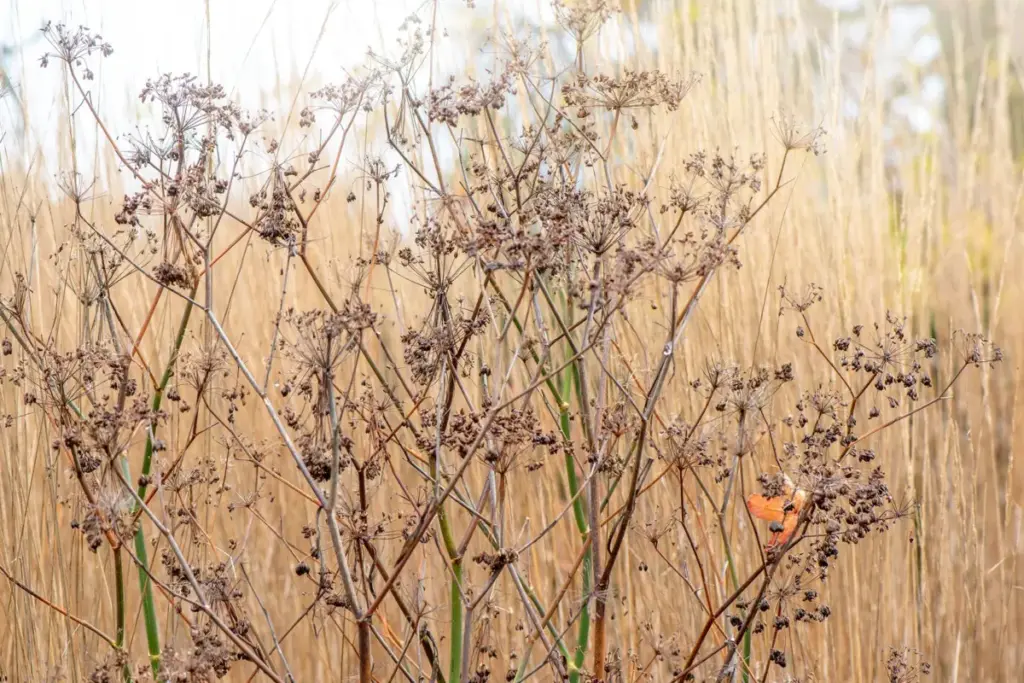
Overview: With architectural, feathery foliage, fennel naturally attracts aphids and small insects. Insectivores like blue tits make short work of these populations, while the mature umbels produce seed crops favored by granivorous birds.
Overview: Producing tall, rigid stems topped with violet clusters, verbena allows sparrows and finches to perform acrobatic balancing acts as they harvest autumn seeds. It thrives in full sun and self-seeds naturally across well-drained soils.
Overview: A drought-resistant, airy plant displaying pale cornflower-blue blooms throughout mid and late summer. Once flowering concludes, its architectural seedheads become a favored feeding station for local finch populations.
Shrubs, Climbers, and Trees (The Ultimate Habitats)
Overview: A powerhouse for wildlife, firethorns offer spring nectar for insects (drawing in insectivorous birds) and dense clusters of orange-red berries in autumn and winter, beloved by song thrushes, blackbirds, and winter migrants like redwings and fieldfares.
Overview: Serving as a primary larval food plant for numerous moth species, honeysuckle indirectly supports nesting birds and their chicks with protein-rich caterpillars. Robins, blackcaps, and thrushes subsequently consume its bright red autumn berries.
Overview: Perhaps the single most valuable multi-season plant for wildlife. Late-summer blooms support swarms of hoverflies, bees, and moths, feeding insectivorous birds, while calorie-dense winter berries are hoarded by wood pigeons and thrushes until late winter when other food sources vanish.
Overview: Growing epiphytically on hosts like apple, hawthorn, and lime, mistletoe produces sticky white berries famously targeted by mistle thrushes—which fiercely defend their chosen clumps—as well as overwintering blackcaps.
Overview: While standard horticultural practice dictates pruning lavender immediately after summer flowering, leaving select non-sterile varieties (avoiding sterile hybrids like Lavandula x intermedia) to go to seed provides an invaluable winter food source for sparrows and finches.
Overview: Fragrant white summer flower sprays attract pollinators, followed by heavy clusters of dark berries in autumn. Starlings, warblers (such as blackcaps refueling for migration), and chiffchaffs (gleaning foliage insects) utilize elder extensively.
Overview: Featuring lace-cap white floral displays in spring and translucent red berries in autumn. Gardeners must ensure they plant fertile native species rather than sterile horticultural cultivars like ‘Roseum’ to secure a functional food crop for bullfinches and thrushes.
Overview: Providing bright yellow blooms during the "hungry gap" of late winter and early spring, mahonia supplies vital early nectar for blue tits before maturing blue-black berries feed juvenile blackbirds in early summer.
Overview: Supporting upwards of 500 invertebrate species, hawthorn is an absolute cornerstone of British ecology. Its leaves feed caterpillars for tits, while fieldfares, redwings, and finches gorge on the autumn "haws."
Overview: Offering spring nectar, summer caterpillars and aphids, and autumn/winter small fruits, crab apples support thrushes, waxwings, and amber-listed bullfinches (which feed on nutrient-dense spring flower buds).
Overview: Spring catkins and foliage support winter moth caterpillars, feeding nestlings, while autumn yields nutritious hazelnuts eagerly harvested and cached by jays, nuthatches, and great-spotted woodpeckers.
Overview: Essential for winter survival. Because hollies are dioecious, gardeners must pair female fruit-bearing cultivars (such as ‘Argentea Marginata’ or ‘Golden King’) with nearby male pollinators (such as ‘Silver Queen’) to guarantee a winter thrush harvest.
Overview: A graceful canopy tree hosting numerous invertebrates, silver birch produces catkins packed with tiny seeds that sustain goldfinches and siskins through the coldest months, while trunk cavities offer natural nesting and roosting hollows for woodpeckers.
Overview: Supporting roughly 150 insect species for protein-rich foraging, rowan trees burst into fiery autumn color and heavy berry loads. Waxwings—capable of consuming twice their body weight daily—alongside starlings and fieldfares, make short work of the fruit crop. Compact alternatives like Sorbus vilmorinii suit smaller urban plots.
Official Statements and Expert Perspectives
Environmental conservation bodies emphasize that public engagement is critical in reversing the downward demographic trends observed in many common garden bird species.
"Supplementary feeding has played a vital role in connecting the public with wildlife, but we must acknowledge the ecological unintended consequences," noted an RSPB avian health researcher. "When we crowd dozens of wild animals onto a single plastic tray or hanging tube day after day, we create an artificial transmission vector for microscopic pathogens like Trichomonas gallinae. By embracing seasonal feeding limits and cultivating native, wildlife-friendly plants, gardeners can provide a much safer, more balanced nutritional landscape."
Horticultural experts echo these sentiments, stressing that modern garden design must pivot toward functional biodiversity. Incorporating structural plants like teasels, rowan trees, and native hedges does not merely beautify suburban plots; it recreates the multi-tiered trophic webs necessary for sustainable wildlife conservation.
Future Outlook: The Resilient Garden
Looking ahead, the synergy between avian health research and domestic horticulture will define the success of urban conservation initiatives. As climate pressures and habitat fragmentation continue to challenge wild bird populations, the backyard garden is no longer viewed merely as an aesthetic sanctuary for humans, but as a critical ecological stepping stone.
By strictly adhering to the RSPB’s "Feed Seasonally. Feed Safely" ethos—curbing artificial suet feeding during the insect-rich summer months, practicing medical-grade hygiene on essential feeders during permitted periods, and populating borders with a diverse selection of the 26 recommended wildlife-supporting plants—gardeners can actively mitigate disease transmission. Ultimately, fostering a naturalized, self-sustaining garden ensures that future generations will continue to enjoy the vibrant songs, striking plumage, and dynamic behaviors of a thriving local bird population.