

Executive Overview
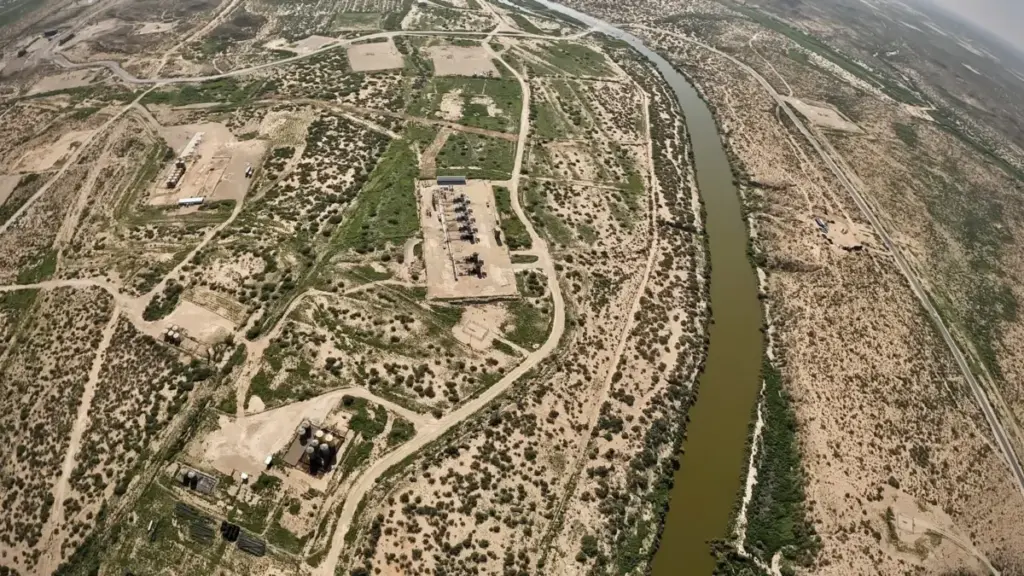
In the sun-baked expanses of southern New Mexico, a profound and tragic environmental irony plays out daily along the banks of the Pecos River. Here, a historic waterway celebrated in Western lore and protected for its ecological and scenic value winds its way through an industrial moonscape. The Pecos is dying of thirst, choked by a combination of severe, climate-driven aridification and the insatiable water demands of the adjacent Permian Basin—one of the most prolific and aggressive fossil fuel extraction regions on the planet.
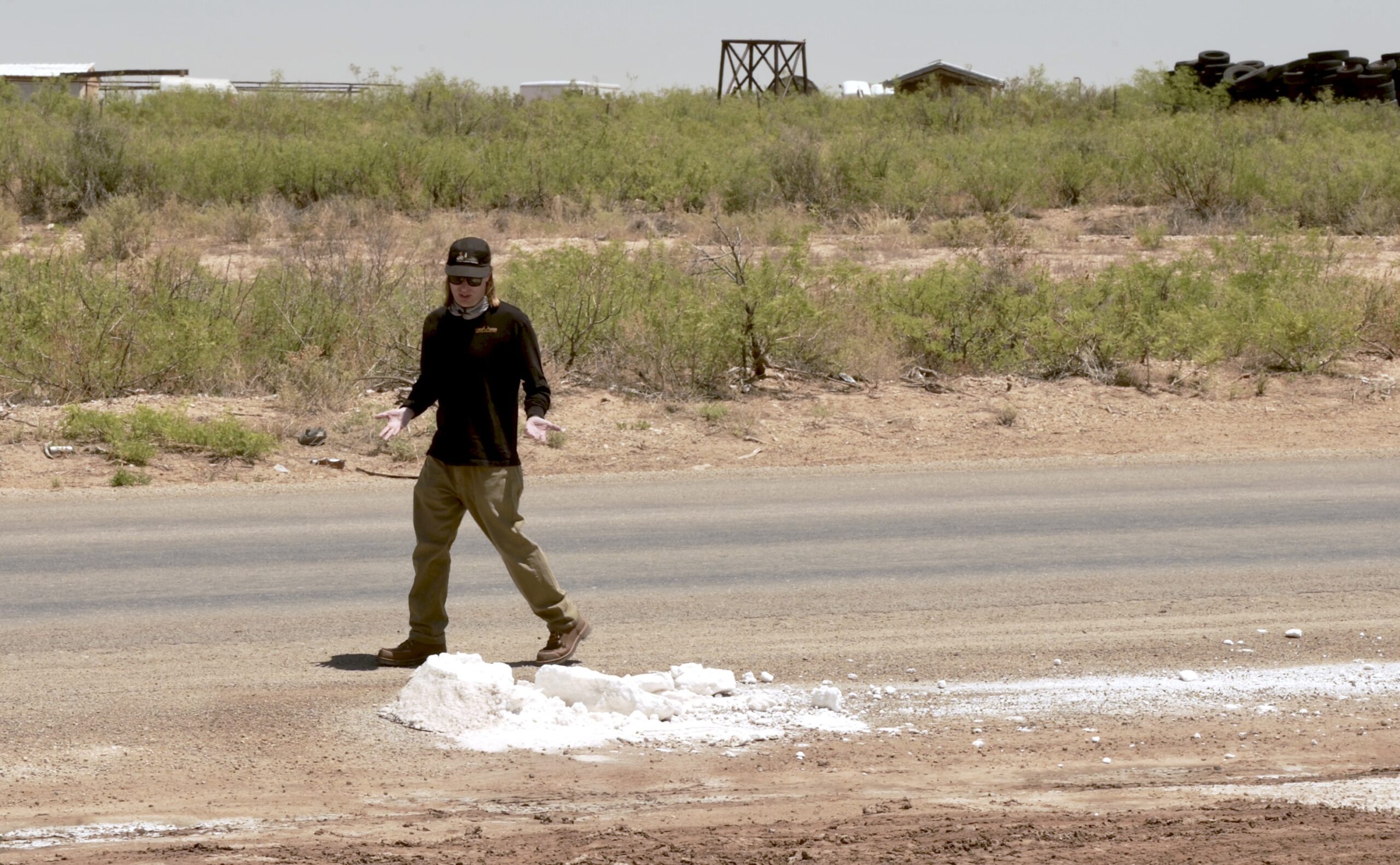
For Charlie Barrett, a thermographer with the industry watchdog group Oilfield Witness, the contrast is stark. Stationed near the Black River just a mile from its confluence with the Pecos, Barrett points out a gray chunk of salt the size of a medicine ball, resting near a mud puddle flecked with shimmering white crystals. It is a discarded calling card of the oil patch: a puddle of highly toxic, radioactive, and saline oilfield wastewater—known locally as "produced water"—that was likely dumped or spilled from a passing transport truck.
As hundreds of semi-trucks rumble past every day hauling millions of gallons of drilling waste, and thousands of flares burn bright against the desert night, the Pecos River basin is facing an existential crisis. Climate change is shrinking the river’s mountain headwaters, snowpacks are failing year after year, and state officials project a grim 25% to 30% reduction in river flows by 2070. Meanwhile, the fossil fuel industry that drives this warming trend sits directly on the river’s banks, drilling hundreds of wells within feet of its waters, generating mountains of toxic byproducts, and pushing a fragile desert ecosystem toward the brink of regional collapse.
Detailed Chronology: A Day in the Field with Oilfield Witness
Morning: The Contaminated Pullout
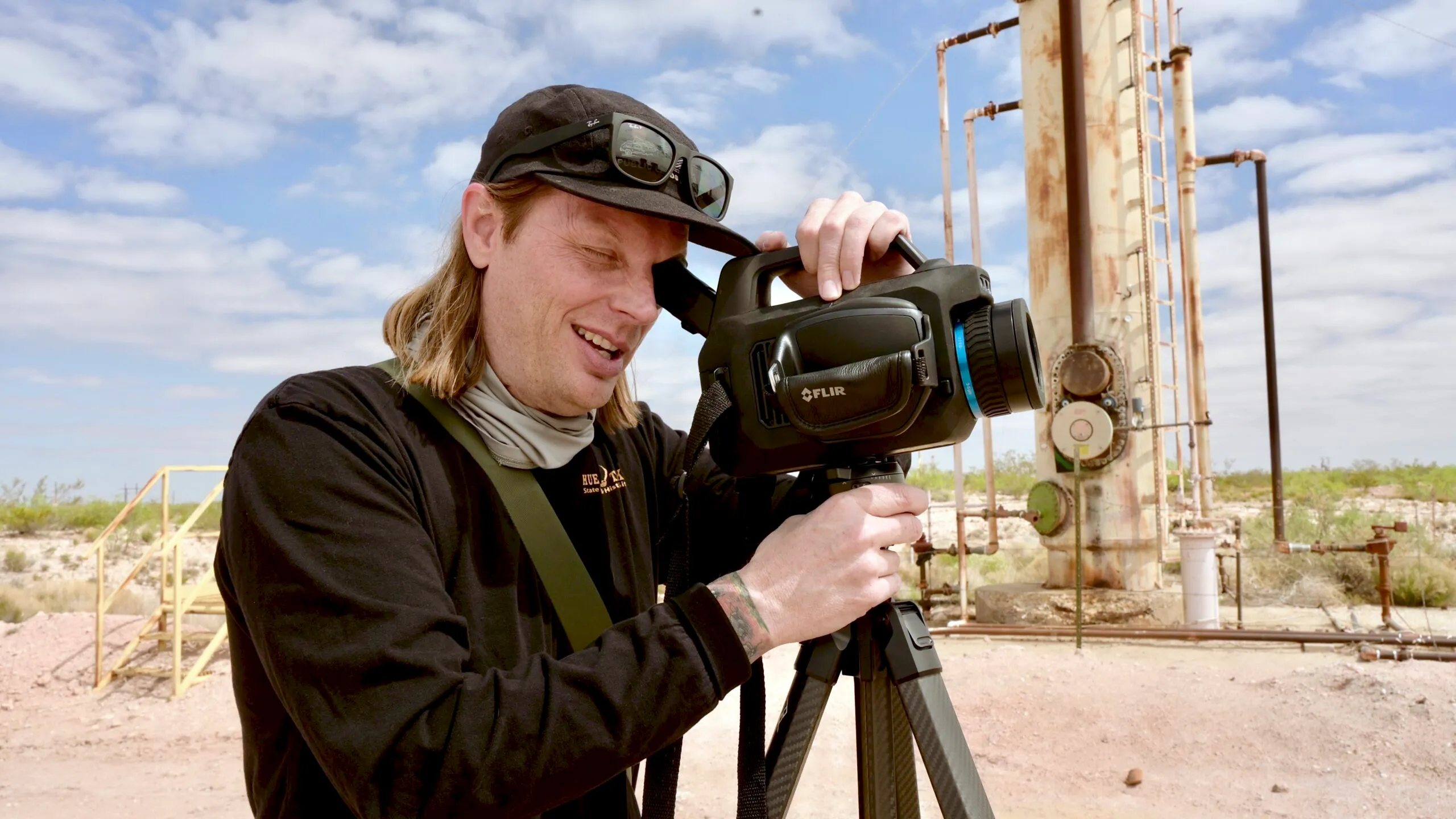
On an early May afternoon, Charlie Barrett parks his pickup truck in a gravelly pullout along a county road in southern New Mexico, just a stone’s throw from the Black River. He is here to conduct routine surveillance of nearby oil and gas infrastructure, deploying specialized video technology capable of detecting heat signatures and invisible gas emissions.
Stepping out of the vehicle, Barrett immediately notices the state of the ground. Despite an ongoing, punishing drought that has left the region parched, the pullout is muddy and riddled with chemical puddles. Resting near the edge of the muck is a dense, gray hunk of sodium-heavy salt crystals—an anomaly born of industrial negligence.
"Unfortunately this is pretty common," Barrett remarks, his eyes scanning the hazardous slurry. "It’s also quite dangerous."
The puddle is contaminated with produced water: a toxic, hypersaline slurry drawn up from thousands of feet below the earth during oil and gas extraction. Along with heavy mineral salts, this wastewater contains a cocktail of volatile petroleum compounds, injected chemical additives, and naturally occurring radioactive materials (NORM). Barrett worries constantly about local drivers unwittingly cutting corners, pulling off the road, and tracking the caustic sludge into their vehicles or homes, or wildlife stumbling upon the toxic pools to drink.
Midday: The Invisible Skyline of Emissions
As Barrett unloads his thermal camera, a relentless procession of semi-trucks—each carrying thousands of gallons of produced water to deep-injection disposal wells—rumbles down the highway under a brutal, cloudless sky.
Setting up his tripod, Barrett begins recording. Within minutes, the camera’s viewfinder transforms the invisible air into a swirling tapestry of wavy, candy-colored hues, revealing the hidden thermal signatures of industrial pollution. Pointing the lens toward a cluster of oil infrastructure situated uncomfortably close to a residential property, his tone turns grim.
"Oh, man, that’s fucking terrible," Barrett says, tracking the plumes on his small screen. "Got a person’s home here and then this mess — all producing CO2 and methane and other volatile organic compounds, blowing right into their home. Jesus, man. It’s ridiculous."
When Barrett reviews the footage later on a high-resolution monitor, the scope of the violation becomes even clearer. The thermal imagery reveals four active industrial flares burning simultaneously near the home. This blatant flaring operation continues unabated despite New Mexico implementing a strict near-total ban on routine flaring back in 2022. While companies are permitted to burn off natural gas under very specific, narrow conditions—such as pipeline over-pressurization, out-of-specification gas, or essential equipment maintenance—the widespread practice continues to pump massive amounts of carbon dioxide and hazardous air pollutants directly into the air breathed by rural residents.
Afternoon: The Paradox of the Pecos
Later in the day, Barrett finds a moment of quiet solitude, sitting on a weathered boulder along a tranquil, winding stretch of the Pecos River. Dragonflies hover over the reeds, the water gurgles softly against the bank, and the surrounding grasses rustle in the breeze. Yet, this pastoral illusion is shattered every few minutes as heavy oilfield transport trucks thunder across a nearby bridge, reminding him of where he truly is: trapped inside an industrial hellscape.
"It sucks," Barrett reflects, looking out over the water. "It’s a beautiful river in the middle of a hellscape."
Recalling his previous visit to this exact spot months earlier, Barrett remembers a vastly different, more alarming scene. The entire dirt road between the bridge and the riverbank had been completely submerged under floodwaters laced with heavy salt deposits. While definitive proof of a direct, catastrophic pipeline rupture or illegal dumping event was difficult to pin down amidst the chaos of the basin, the signs pointed unmistakably to oilfield contamination.
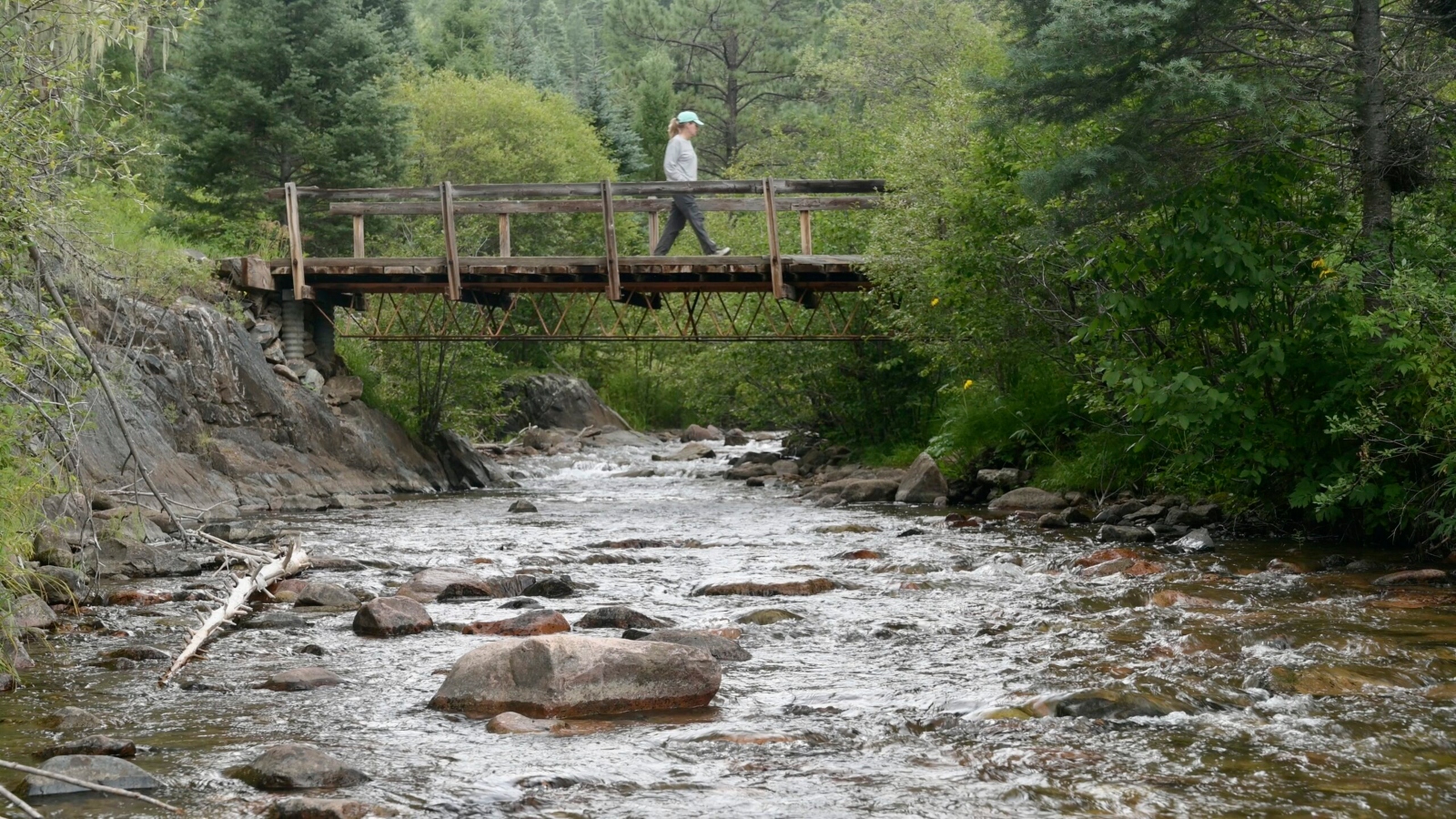
Such a shock to the system is the last thing the beleaguered Pecos River needs. As United States Geological Survey (USGS) data confirms, the river is already starving. Mountain snowpacks in the northern headwaters have steadily dwindled over the past four decades, and flow measurements near the upriver town of Pecos mirror this grim trajectory, charting a slow, agonizing decline in water volume.
Supporting Context & Metrics: The Permian Basin and the Water Crisis
To understand the scale of the crisis facing the Pecos River, one must look at the immense geological engine operating just beyond its banks: the Permian Basin. Spanning 75,000 square miles across 55 counties in Texas and southeastern New Mexico, the basin is the epicenter of American fossil fuel production.
The Mathematics of Extraction
The boom in oil and gas production has brought a staggering volume of liquid waste to the surface. According to industry data, oil extraction in New Mexico yields an average of more than three barrels of produced water for every single barrel of crude oil pulled from the ground. As operations mature, a geological phenomenon known as "watering out" takes hold, causing the ratio of water-to-oil to spike dramatically in aging wells.
This creates a massive logistical challenge:
- Volume: Hundreds of millions of gallons of toxic wastewater must be moved, treated, or disposed of every single day.
- Disposal: Because New Mexico law strictly bans the use of untreated produced water outside of approved oilfield applications, companies rely on a sprawling network of gathering pipelines and heavy tanker trucks to haul the fluid to deep underground reinjection wells.
- Seismicity & Failures: This massive volume of high-pressure fluid reinjection has directly triggered an unprecedented surge in regional seismic activity (earthquakes) and catastrophic surface blowouts, where aging or overpressurized injection wells fail, sending toxic geysers shooting dozens of feet into the air.
Climate Aridification and the 50-Year Plan
The collision between climate change and heavy industry has placed New Mexico’s water managers in an impossible position. Hannah Riseley-White, director of the New Mexico Interstate Stream Commission, spends her days grappling with these declining metrics.
"Everyone this spring got tired of me at the beginning of every meeting screen-sharing the snowpack figures for all of the basins that we manage," Riseley-White explains. "It fell off the cliff. It wasn’t just record breaking. It was beyond anything that we could have imagined in terms of snowpack."
Long-term modeling outlined in New Mexico Governor Michelle Lujan Grisham’s 50-Year Water Action Plan projects a terrifying 25% to 30% reduction in available river water by the year 2070. The primary driver of this aridification is global climate change—driven in large part by the very carbon emissions generated by the fossil fuel wells sitting atop the Pecos watershed.
In response to dwindling supplies, state planners are desperately searching for alternative water sources. One controversial proposal championed by segments of the oil and gas industry involves treating produced water to industrial or even municipal standards so it can be released back into local river systems or used for broader industrial purposes.
However, local conservationists and environmental groups strongly oppose these plans, arguing that current membrane and chemical treatment technologies cannot guarantee the 100% removal of complex, mutagenic oilfield chemicals and radioactive isotopes. Meanwhile, across the state line in Texas, the Lone Star Chapter of the Sierra Club has tracked at least five separate proposals to discharge treated produced water directly into the Texas portion of the Pecos River watershed, though none have yet cleared regulatory hurdles.
Official Statements and Regulatory Shifts
The regulatory landscape governing the Pecos River and the Permian Basin is currently undergoing a massive, contentious transformation marked by battles at both the state and federal levels.
The State-Level Battle Over Wastewater
In New Mexico, regulatory bodies have faced intense lobbying from energy companies seeking looser restrictions on wastewater reuse. While an initial push by the state to rewrite rules and permit broad industrial use of treated oilfield water was stymied following allegations of executive branch interference, the debate remains very much alive.
Hannah Riseley-White acknowledges that while treated produced water cannot solve all of the region’s systemic shortages, state officials view it as a potential tool in a rapidly emptying toolbox.
"Part of coming up with creative solutions is going to necessarily require looking at all of the options, and that’s certainly one of them," Riseley-White says. "And I think technology is there to clean water to various standards. It’s just a question of whether financially the incentives are there."
Federal Rollbacks and Endangered Species Protections
While state water managers look for technological fixes, recent federal policy changes are dismantling the environmental safety nets designed to protect the fragile ecosystems surrounding the Pecos.
The region is home to several highly vulnerable and endemic species, including the dunes sagebrush lizard and the Texas hornshell mussel. Until recently, the lesser prairie chicken was also protected under federal guidelines, but the U.S. Fish and Wildlife Service formally stripped its protections under the Endangered Species Act (ESA) in early 2026, disregarding clear population declines.
Further compounding these threats, the U.S. Department of the Interior enacted sweeping regulatory rollbacks:
- Redefining "Harm": The definition of ecological "harm" under the ESA was rolled back to apply only to actions that directly injure or kill an endangered animal, effectively stripping protections against indirect threats such as noise pollution, light pollution, and habitat fragmentation.
- Rescinding the "Blanket Rule": The Department eliminated protections that automatically extended endangered-status safeguards to newly threatened species.
- Prioritizing Economic Costs: New federal guidelines now mandate the inclusion of economic costs—specifically calculating the financial burden placed on oil and gas development—when deciding whether to protect vulnerable plants and animals.
These federal policy shifts directly impact the Pecos corridor. Within New Mexico’s share of the Permian Basin, geospatial data reveals that 380 active oil and gas wells sit within a mere half-mile of the river, accompanied by 11 high-pressure wastewater injection wells operating in that same fragile riparian zone.
Charlie Barrett, drawing on his professional background as a trained wildlife ecologist and former staffer for the Texas Parks and Wildlife Department and Texas A&M Forest Service, warns that the cumulative industrial footprint is devastating.
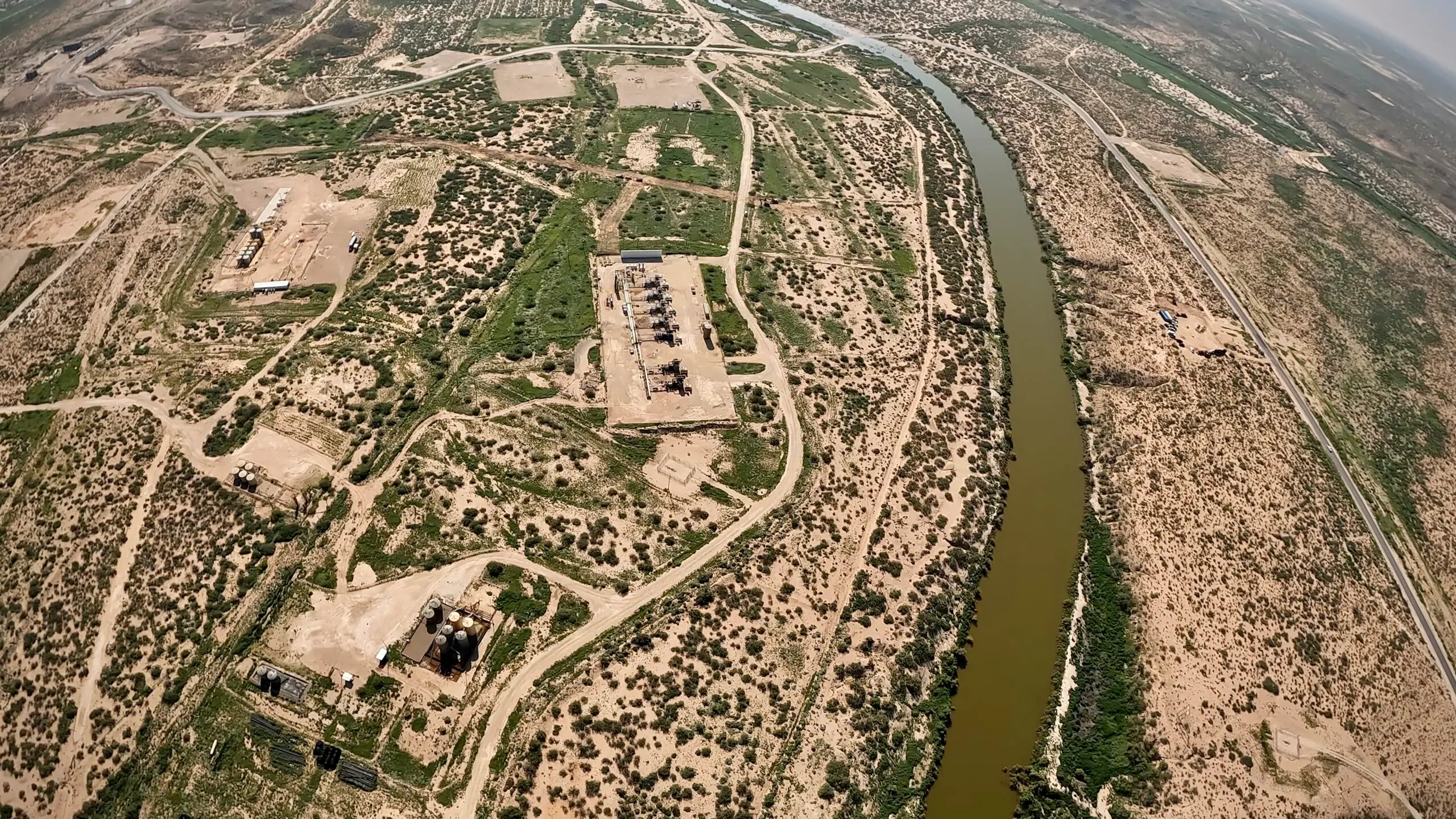
"The sound pollution and light pollution also affect this river ecosystem," Barrett notes. "The oilfield disturbance drives a lot of species away from this ecosystem, which can lead to extirpation, which is regional extinction."
Future Outlook: Can the Pecos Survive the Century?
As the 21st century grinds forward, the Pecos River stands at a perilous crossroads. The convergence of historic megadroughts, rising global temperatures, aggressive fossil fuel extraction, and the systematic rollback of federal environmental safeguards has placed the basin under unprecedented stress.
For state water administrators like Hannah Riseley-White, the path forward requires an uncomfortable balancing act between economic survival and ecological preservation. Despite the overwhelming odds, she maintains a cautious optimism that collaborative stakeholder engagement can forge a sustainable path.
"My hope in the Pecos is that as we face these challenges, we can get all of the different interests at the table and find solutions that make sense to everybody," Riseley-White says. "I think it’s challenging, but I think it’s definitely possible."
Yet, for field watchdogs like Charlie Barrett, who spend their days documenting illegal dumping, unpermitted flaring, and the relentless industrialization of the desert, the reality on the ground tells a much more sobering story. As long as the Permian Basin continues to extract trillions of cubic feet of gas and billions of barrels of oil—generating staggering mountains of toxic wastewater in a drying landscape—the Pecos River remains a fragile, shimmering anomaly: a beautiful, resilient river fighting for its life in the middle of an unyielding industrial hellscape.



