Nestled at the southernmost edge of the Australian continent, Tasmania stands as a global beacon for sustainable travel and environmental stewardship. Far more than a picturesque island state defined by rugged coastlines, ancient Gondwanan forests, and idiosyncratic wildlife, Tasmania has systematically positioned itself at the vanguard of the international ecotourism movement. As global travelers increasingly seek ways to align their wanderlust with ecological preservation, this remote island offers a masterclass in balancing commercial tourism with rigorous conservation.
At the heart of Tasmania’s appeal is an uncompromising commitment to protecting its pristine wilderness. From the iconic, pink-granite embrace of Freycinet National Park to the dramatic, wave-lashed dolerite sea cliffs of Tasman National Park, the state’s landscapes remain remarkably undisturbed. However, what truly sets Tasmania apart is its sophisticated policy framework and grassroots commitment to responsible travel. By integrating local communities, award-winning tour operators, and rigorous environmental protection policies, Tasmania proves that tourism can act as a shield for nature rather than a threat to it. This comprehensive report examines the policies, immersive experiences, socio-economic impacts, and strategic future outlook that define Tasmania’s pioneering role in the ecotourism sector.
Detailed Chronology: The Evolution of Tasmania’s Conservation and Tourism Model
To understand how Tasmania became a premier destination for responsible travel, one must trace the historical intersection of industrial exploitation, fierce environmental activism, and progressive legislative reform that shaped the modern island state.
1. The Pre-Colonial and Early Settler Era
For tens of thousands of years, the Palawa (Tasmanian Aboriginal) people managed the island’s delicate ecosystems through a complex system of fire-stick farming and sustainable land stewardship, living in profound harmony with the endemic flora and fauna. With European settlement in the early 19th century, however, Tasmania’s landscape experienced rapid resource extraction. Timber felling, mineral mining, and intensive agriculture began to fragment the island’s ancient forests and decimate native wildlife populations—most tragically culminating in the extinction of the thylacine (Tasmanian tiger) in the 1930s.
2. The Birth of the Modern Conservation Movement (1970s–1980s)
The modern era of Tasmanian conservation was forged in the fires of intense socio-political conflict. The defining turning point arrived in the late 1970s and early 1980s with the prolonged campaign to save the Franklin River from being dammed for hydroelectricity. This pivotal environmental protest galvanized the Australian public, led to landmark High Court interventions, and ultimately secured World Heritage listing for the Tasmanian Wilderness in 1982. This epochal battle shifted the collective psychological landscape of the island, proving that the preservation of natural assets held far greater long-term value than short-term industrial exploitation.
3. Institutionalization of Ecotourism (1990s–2000s)
As global awareness of environmental degradation grew throughout the 1990s, Tasmania recognized an opportunity to leverage its protected wilderness into a sustainable economic engine. The Tasmanian government, alongside regional tourism councils, began developing specialized accreditation programs. These frameworks were designed to separate genuine ecological operators from those engaging in "greenwashing." By establishing strict operational guidelines, Tasmania cultivated a nascent ecotourism sector rooted in minimum-impact principles, visitor education, and community involvement.
4. Contemporary Leadership and Accreditation (2010s–Present)
In the modern era, Tasmania has refined its approach into a holistic ecosystem of sustainable travel. The establishment of the Tasmanian Industry Tourism Council (TIIC) awards programs and alignment with international certification bodies has elevated local operators to global standards. Today, ecotourism is no longer a niche market in Tasmania; it is the foundational philosophy governing how visitors interact with national parks, marine reserves, and rural communities.
Supporting Context & Metrics: The Pillars of Tasmanian Ecotourism
The success of Tasmania’s sustainable tourism model is underpinned by a robust matrix of protected lands, economic contributions, and visitor metrics that illustrate the scope and scale of the island’s green economy.
Wilderness Protection and Land Management
World Heritage Status: Over 20% of Tasmania is inscribed on the UNESCO World Heritage list. The Tasmanian Wilderness World Heritage Area covers an astonishing 1.58 million hectares, making it one of the largest conservation reserves in Australia.
National Park Network: The island boasts 19 national parks, ranging from alpine plateaus and glacial lakes to coastal sanctuaries.
Biodiversity Hotspots: Tasmania serves as the final refuge for several endangered or vulnerable endemic species, including the Tasmanian devil (Sarcophilus harrisii), the quoll, and ancient flora species like the Huon pine, which can live for over two thousand years.
Economic and Socio-Cultural Metrics
Rural Economic Vitality: Tourism injects billions of dollars into the Tasmanian economy annually, with a substantial portion directly supporting regional and remote communities where traditional primary industries have declined.
Small-Operator Dominance: Unlike mass-market destinations dominated by multinational resort chains, Tasmania’s tourism landscape is heavily populated by independent, family-run, and community-integrated operators. Small guided tour groups, eco-lodges, and charter boats drive the sector, ensuring that revenue remains within the local economy.
Carbon and Waste Initiatives: Many certified eco-operators across the state operate on strict net-zero or low-emission guidelines, utilizing solar power, advanced rainwater harvesting, and closed-loop waste management systems.
Top Ecotour Experiences: Immersing in the Wild Responsibly
For travelers looking to experience Tasmania’s natural splendor without compromising ecological integrity, the island offers an array of meticulously managed ecotours suited to diverse activity levels and interests.
1. Freycinet Peninsula and Coastal Explorations
Located on the east coast, the Freycinet Peninsula is internationally renowned for its striking juxtaposition of pink granite mountains (the Hazards), azure waters, and pristine white-sand beaches. Wineglass Bay is frequently cited as one of the world’s most photographed stretches of coastline.
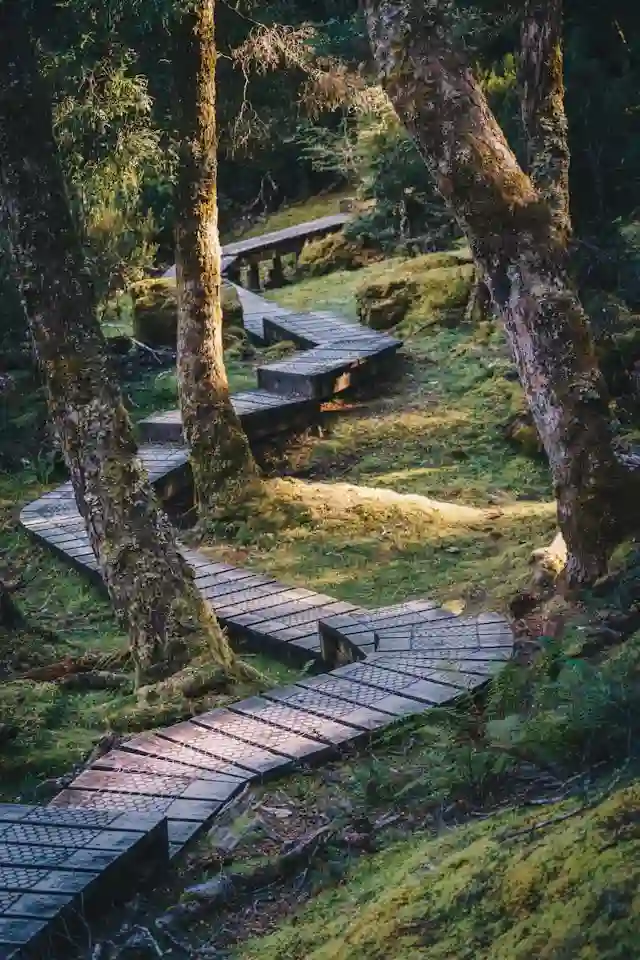
The Ecotourism Approach: Guided day walks and multi-day trekking options through Freycinet National Park prioritize strict adherence to designated boardwalks and walking tracks to prevent soil erosion and protect fragile coastal vegetation. Naturalist guides educate visitors on the delicate marine and terrestrial ecosystems, explaining how indigenous flora interact with seasonal shifts.
2. Tasman National Park and Dramatic Geology
Situated just a short drive from Hobart, Tasman National Park offers some of the most dramatic coastal scenery in the Southern Hemisphere. Towering vertical sea cliffs, deep blowholes, and secluded coves characterize the geography.
The Ecotourism Approach: Boat-based eco-cruises and cliff-top walking tours operate under strict marine-wildlife interaction codes. These guidelines ensure that vessels maintain a respectful distance from migrating humpback whales, fur seal colonies, and nesting sea bird populations, minimizing acoustic and physical disturbance.
3. Wildlife Rehabilitation and Conservation Centers
While spotting animals in the wild is a highlight of any Tasmania trip, dedicated wildlife sanctuaries play a critical role in conservation, education, and veterinary rehabilitation. Facilities like East Coast Natureworld provide immersive experiences where travelers can observe iconic native species.
The Ecotourism Approach: These centers use visitor revenue to directly fund breeding programs, veterinary care, and research into facial tumor disease affecting Tasmanian devils. Educational talks replace passive entertainment, fostering empathy and ecological literacy among visitors.
4. Remote Wilderness Trekking (The South Coast Track)
For the intrepid traveler seeking an authentic wilderness immersion, long-distance walking tracks—such as the legendary South Coast Track—offer an unmatched expedition. Traversing unroaded coastal wilderness, these routes demand self-sufficiency and deep respect for the elements.
The Ecotourism Approach: Guided expeditions on these trails operate under strict "Leave No Trace" principles. Group sizes are severely restricted to prevent overcrowding and environmental degradation, and hikers are required to pack out all waste, utilize portable sanitation systems, and camp only in designated, hardened campsites.
Official Statements and Industry Perspectives
The philosophy driving Tasmania’s sustainable tourism sector is articulated through the voices of regional leaders, conservationists, and tourism authorities who view environmental integrity as the ultimate prerequisite for economic survival.
Jane Edwards, Senior Policy Advisor for Tasmanian Sustainable Tourism, remarked on the delicate balance of modern travel:
"In Tasmania, we recognized decades ago that the very assets drawing visitors to our shores—our clean air, our wild rivers, and our undisturbed forests—are inherently fragile. Ecotourism is not merely a marketing label here; it is an operational contract. When a traveler books an eco-certified tour in Tasmania, they are entering into a partnership with the land and its people. Our goal is to ensure that every visitor leaves not just with memories, but with a heightened sense of planetary responsibility."
Dr. Marcus Vance, a leading Australian conservation biologist studying endemic marsupials, highlighted the role of tourism in wildlife preservation:
"Responsible ecotourism acts as an early-warning system and a funding mechanism for conservation. When tourists pay to see Tasmanian devils in managed, ethical environments or support low-impact wilderness operators, those dollars translate directly into anti-predator research, habitat restoration, and policy enforcement. Without the economic justification provided by thoughtful tourism, these remote ecosystems would lack the public advocacy required to survive pressures from climate change and land fragmentation."
Future Outlook: Challenges and Horizons for Tasmanian Ecotourism
As global tourism rebounds and accelerates past pre-pandemic levels, Tasmania faces a complex set of challenges and opportunities. The coming decade will test the state’s capacity to scale its tourism economy while fiercely guarding the ecological assets that define its global brand.
1. Managing Over-Tourism and Infrastructure Pressures
While Tasmania has avoided the catastrophic over-tourism plaguing destinations like Venice or Bali, popular hotspots such as Cradle Mountain and Freycinet occasionally experience seasonal bottlenecks. The future outlook relies heavily on decentralization—encouraging travelers to explore lesser-known regions, such as the remote West Coast or the historical Midlands, thereby distributing the economic benefits and reducing environmental wear on primary flagships.
2. Climate Change Adaptation
Rising ocean temperatures, shifting weather patterns, and an increased risk of severe bushfires pose existential threats to Tasmania’s alpine and coastal biomes. The ecotourism sector is responding by investing in climate-resilient infrastructure, adopting rigorous bushfire safety and evacuation protocols, and partnering with scientific institutions to monitor ecosystem health in real time.
3. Deepening Indigenous Engagement
A vital frontier for Tasmanian ecotourism is the greater integration of Palawa cultural heritage and land management practices. Future tourism initiatives are increasingly looking to collaborate with Aboriginal land councils to offer authentic, indigenous-led cultural tours. This shift not only enriches the visitor experience through ancient historical perspectives but also ensures that land stewardship honors traditional custodianship.
4. Technological Innovation in Sustainable Travel
The integration of digital tools—such as real-time visitor-tracking apps to manage trail capacity, carbon-calculating booking platforms, and renewable energy-powered eco-lodges—will define the next generation of Tasmanian travel. By embracing innovation, the state aims to achieve a fully carbon-neutral tourism sector well ahead of national benchmarks.
Conclusion: A Blueprint for Mindful Exploration
A Tasmania vacation offers far more than a standard holiday; it presents an invitation to participate in a living, breathing experiment in ecological harmony. By choosing responsible itineraries, supporting certified eco-operators, and respecting the intricate balance of the island’s wilderness, travelers become active participants in conservation.
As Tasmania navigates the complexities of the 21st-century tourism landscape, its unwavering commitment to environmental stewardship ensures that its ancient forests, dramatic coastlines, and unique wildlife will endure for generations to come. For the conscious traveler, a journey to the Apple Isle is a powerful reminder that travel, when done right, can heal the world rather than consume it.