

Executive Overview
In the rapidly evolving landscape of prestige skincare, a profound macroeconomic and behavioral shift is underway: the democratization of clinical-grade dermatological treatments for at-home use. Historically, consumers seeking dramatic skin resurfacing—to counter seasonal photodamage, hyperpigmentation, and congestive microcomedones—were forced to choose between expensive, in-office chemical peels or highly abrasive, unregulated over-the-counter scrubs. Today, a new paradigm of "clean clinicals" is bridging this gap.
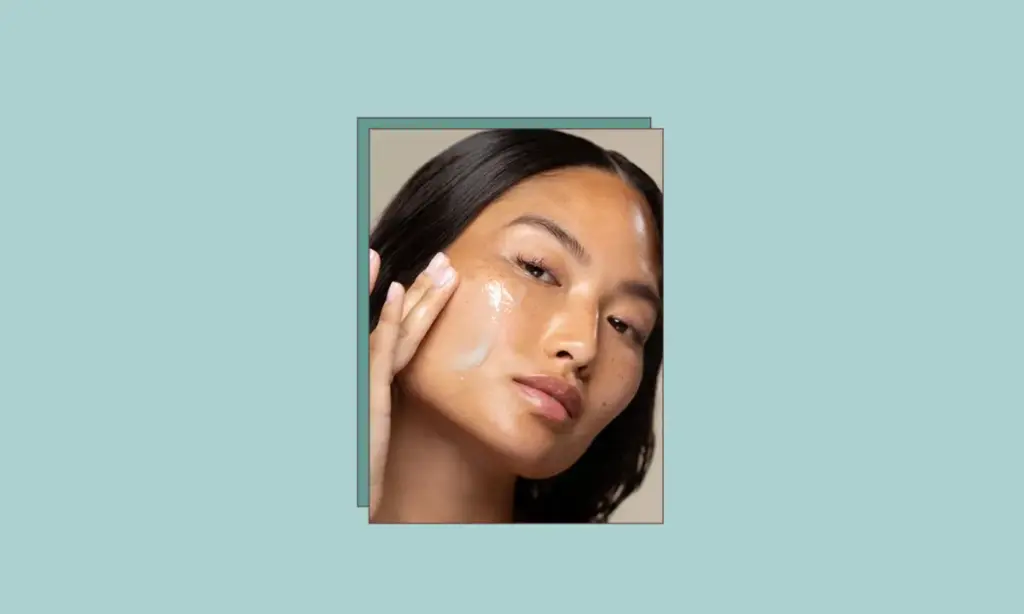
At the forefront of this movement is True Botanicals, a pioneer in bio-compatible, sustainably sourced skincare. The brand’s At-Home Facialist Peel has emerged as a landmark formulation, challenging the traditional necessity of professional aesthetician appointments. Boasting an intensive 27.2% active acid blend that features alpha-hydroxy acids (AHAs), beta-hydroxy acids (BHAs), poly-hydroxy acids (PHAs), and advanced botanical complexes, the peel promises professional-level epidermal desquamation without the associated epidermal trauma.
This investigative analysis explores the formulation chemistry, historical evolution, consumer metrics, and market dynamics of the At-Home Facialist Peel. Additionally, we examine how retail promotional cycles, such as major seasonal sales, are lowering the barrier to entry for premium, Environmental Working Group (EWG)-verified skincare solutions.
Detailed Chronology: The Evolution of Chemical Peels
To understand the disruptive nature of True Botanicals’ formulation, one must examine the historical trajectory of chemical exfoliation.
+-----------------------------------------------------------------------------+
|                                                                             |
|  ANCIENT ERA                                                                |
|  - Lactic acid via sour milk baths (Cleopatra).                             |
|  - Active mechanism: Slow, natural desquamation.                            |
|                                                                             |
+--------------------------------------------------+--------------------------+
                                                   |
                                                   v
+--------------------------------------------------+--------------------------+
|                                                                             |
|  1990s - EARLY 2000s                                                        |
|  - High-percentage, low-pH synthetic glycolic and TCA peels.                |
|  - Clinical-only application; high risk of chemical burns & PIH.            |
|                                                                             |
+--------------------------------------------------+--------------------------+
                                                   |
                                                   v
+--------------------------------------------------+--------------------------+
|                                                                             |
|  2010s: THE OVER-EXFOLIATION CRISIS                                         |
|  - Proliferation of cheap, highly acidic home peels (e.g., 30% AHA / 2% BHA)|
|  - Widespread skin barrier disruption, chronic inflammation, and eczema.    |
|                                                                             |
+--------------------------------------------------+--------------------------+
                                                   |
                                                   v
+--------------------------------------------------+--------------------------+
|                                                                             |
|  2020s - PRESENT: THE "BARRIER-FIRST" CLINICAL ERA                          |
|  - Multi-weighted acid complexes (AHA/BHA/PHA) paired with lipid-replenishers|
|  - True Botanicals launches At-Home Facialist Peel (27.2% active blend).    |
|                                                                             |
+-----------------------------------------------------------------------------+
The Ancient and Empirical Beginnings
For millennia, humanity has utilized organic acids to refine skin texture. Ancient Egyptian courts famously used sour milk (rich in lactic acid) and fermented grape must (containing tartaric acid) to achieve a brighter complexion. However, these empirical practices lacked scientific precision, relying on low-concentration, slow-acting organic compounds.
The Rise of Industrial and Clinical Resurfacing (1990s–2010s)
The late 20th century witnessed the isolation and synthetic mass-production of glycolic acid (the smallest molecular weight AHA) and trichloroacetic acid (TCA). Dermatologists quickly adopted these agents for deep chemical peels. While highly effective at accelerating cellular turnover and stimulating dermal collagen synthesis, these early professional treatments carried significant risks:
- Prolonged Erythema: Extended periods of skin redness and inflammation.
- Post-Inflammatory Hyperpigmentation (PIH): Especially prevalent in Fitzpatrick skin types IV–VI.
- Dermal Scarring: Caused by uncontrolled acid penetration.
In response, the early 2010s saw the beauty industry flood the consumer market with high-percentage, low-pH at-home peeling solutions. While affordable, many of these formulations lacked adequate buffering agents or lipid-replenishing support. This sparked an "over-exfoliation epidemic," characterized by compromised skin barriers, contact dermatitis, and chronic low-grade inflammation.

The Modern Paradigm: Biocompatible Synergy (2020s)
Today’s consumer is highly educated, often referred to as a "skintellectual." Recognizing that a stripped skin barrier accelerates aging and exacerbates acne, modern consumers demand formulations that resurface the skin while preserving its delicate lipid matrix. The True Botanicals At-Home Facialist Peel represents the zenith of this modern era: an ultra-high concentration peel (27.2%) engineered to deliver clinical results without triggering an inflammatory response.
Supporting Context & Metrics: The Science of the 27.2% Blend
The efficacy of the At-Home Facialist Peel lies in its meticulous molecular calibration. Rather than relying on a single, aggressive acid, the formulation employs a multi-tiered acid delivery system designed to target different depths of the stratum corneum.
1. The Acid Matrix: Multi-Depth Exfoliation
Alpha-Hydroxy Acids (AHAs): Lactic, Malic, and Tartaric Acids
AHAs are water-soluble carboxylic acids that work primarily on the skin’s surface by cleaving the ionic bonds (desmosomes) between dead keratinocytes.
- Lactic Acid: The cornerstone of this peel. With a larger molecular structure than glycolic acid, lactic acid penetrates the epidermis more slowly and evenly, drastically minimizing localized irritation. Furthermore, lactic acid is a natural humectant, capable of drawing moisture into the stratum corneum as it exfoliates.
- Malic and Tartaric Acids: Sourced from apples and grapes respectively, these larger-molecule AHAs provide gentle auxiliary exfoliation, ensuring a uniform brightening effect across the skin’s surface.
Beta-Hydroxy Acid (BHA): Salicylic Acid
Unlike AHAs, Salicylic Acid is oil-soluble. This unique property allows it to penetrate deep into the lipid-rich sebaceous follicles, dissolving the mixture of sebum and dead skin cells that cause acne and enlarged pores.
Poly-Hydroxy Acid (PHA): Gluconolactone
PHAs represent the next generation of chemical exfoliators. Boasting a massive molecular weight, gluconolactone cannot penetrate deep into the skin, restricting its action to the absolute outermost layers of the epidermis. It acts as an ultra-gentle resurfacer and a powerful antioxidant, shielding the skin from free-radical damage induced by UV exposure and pollution.
Tetrahydrocurcuminoids (THC)
Derived from turmeric, THC acts as a non-staining, highly potent antioxidant and anti-inflammatory agent. It works synergistically with the acids to suppress the activation of melanocytes, thereby preventing post-inflammatory hyperpigmentation (PIH) and fostering an even skin tone.
+--------------------------------------------------------------------------+
|                      EPIDERMAL PENETRATION DEPTH                         |
+--------------------------------------------------------------------------+
| [Surface]       PHA (Gluconolactone) - Large molecule, humectant         |
|      |                                                                   |
|      v          AHAs (Malic/Tartaric) - Surface smoothing                |
|      |                                                                   |
|      v          AHA (Lactic Acid) - Controlled penetration, hydration     |
|      |                                                                   |
| [Deep Pore]     BHA (Salicylic Acid) - Oil-soluble, clears sebum         |
+--------------------------------------------------------------------------+
2. The Barrier Preservation Complex
Exfoliation without restoration is a recipe for dermal distress. To buffer the 27.2% acid blend, True Botanicals integrates a sophisticated network of soothing, lipid-replenishing natural ingredients:

- Aloe Barbadensis Leaf Juice: Replaces water as the primary solvent, instantly cooling the skin and reducing neurosensory irritation (stinging).
- Illipe Butter (Shorea stenoptera): A rich, emollient plant butter that mimics the skin’s natural lipid barrier, preventing transepidermal water loss (TEWL) during the peeling process.
- Rosemary Leaf Extract: Packed with rosmarinic acid, a potent antioxidant that neutralizes inflammatory cascades before they can damage collagen fibers.
- Electrolyte Mineral Complex: Infuses the skin with essential minerals (magnesium, zinc, and calcium) to optimize cellular hydration and accelerate tissue repair.
3. Safety and Clean Beauty Metrics: EWG Verification
A critical differentiator for True Botanicals is its commitment to third-party safety verifications. The At-Home Facialist Peel is EWG Verified, meaning it meets the strictest standards set by the Environmental Working Group.
| Metric | True Botanicals At-Home Facialist Peel | Typical Clinical Peels | Cheap OTC Resurfacers |
|---|---|---|---|
| Active Acid % | 27.2% | 30% – 70% | 10% – 30% |
| EWG Rating | Verified (Green/Safe) | Typically Unrated/High Hazard | Variable (Often contains synthetic fragrance) |
| Primary Solvent | Aloe Barbadensis Leaf Juice | Water/Alcohol | Water/Denatured Alcohol |
| Lipid Support | Illipe Butter & Electrolytes | None | Rare / Minimal |
| Irritation Index | Extremely Low | High (Requires neutralizing agent) | Moderate to High |
Official Statements, Clinical Trials, and User Testimonials
The performance of the At-Home Facialist Peel is validated by both rigorous consumer testing and editorial trials.
Editorial Assessment: A Case Study in Post-Summer Skin Rehabilitation
In a field test conducted by Braelyn Wood, Deputy Commerce Editor at mindbodygreen, the peel was evaluated on skin suffering from "seasonal SOS"—characterized by dullness, uneven texture, and clogged pores resulting from prolonged exposure to sunscreen, sweat, and saltwater.
Wood reported:
"I was blown away the first time I applied this at-home peel. Designed for weekly use, you simply apply the gel-like mask to your entire face for 15 minutes. While I experienced some stinging, it was far gentler than other at-home exfoliators that I’ve used—like The Ordinary’s AHA 30% + BHA.
After rinsing, my skin was reminiscent of the same glow I’d only gotten from a professional’s table: brighter, smoother, and bouncy. My pores looked smaller and less clogged with a noticeable full-face glow. The best part? That glow wasn’t a one-day fling. Even after a week, my skin texture felt more refined, and I noticed that I needed way less of my daily tinted moisturizer."
Consumer Perceptions and Market Reception
Beyond editorial acclaim, verified buyers consistently highlight the product’s ability to deliver rapid results without causing flaking or peeling. The consensus among users with sensitive skin is particularly telling: while traditional glycolic-heavy peels trigger immediate redness, the lactic-and-aloe-based True Botanicals formula yields a smooth, calm, and "glass-like" finish.
Future Outlook: The Intersection of Green Chemistry and DIY Dermatology
As the global skincare market moves toward 2030, several macro-trends suggest that products like the At-Home Facialist Peel will dominate premium retail spaces.
1. The Cost-of-Living Crisis and Beauty Economics
With inflation impacting discretionary spending, consumers are increasingly calculating the "cost per wear" or "cost per use" of their beauty routines. A single in-office chemical peel can range from $150 to $500. In contrast, a premium at-home peel like True Botanicals (retailing normally at $68, and frequently discounted to $54 during major promotional events like Labor Day or Cyber Monday) provides 15 to 20 applications per jar. This represents an astronomical cost-saving of over 90% per treatment, making high-performance skincare accessible to a wider demographic.
2. The Rise of "Skin-Minimalism"
The era of the complex 10-step skincare routine is declining. Modern consumers prefer highly concentrated, multi-functional products that deliver visible results with minimal steps. A weekly high-performance peel eliminates the need for daily exfoliating toners, physical scrubs, and clarifying serums, simplifying consumer routines while minimizing the risk of ingredient conflicts.
3. Sustainable Green Chemistry
The future of skincare is undeniably green. True Botanicals’ reliance on wildcrafted, organic, and bio-compatible ingredients proves that synthetic, petroleum-derived solvents are no longer necessary to achieve clinical efficacy. As biotechnology advances, expect to see even more sophisticated plant-derived acids and bio-fermented calming agents that push the boundaries of what clean beauty can achieve.
In summary, the True Botanicals At-Home Facialist Peel is not merely a seasonal quick-fix; it is a masterclass in modern dermo-cosmetic engineering. By harmonizing an intensive 27.2% acid matrix with deeply nourishing botanical lipids, it offers a safe, effective, and highly economical alternative to the clinical chair—cementing its place as an essential tool in the modern skincare arsenal.



