

Executive Overview
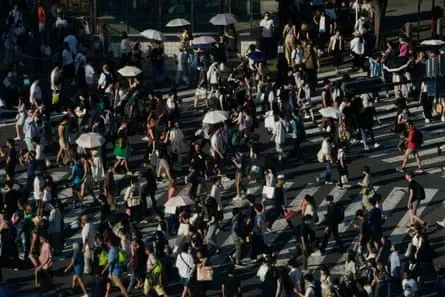
Across the vast expanses of the Asian continent, governments, emergency services, and agricultural sectors are racing against time. They are preparing for what meteorological data and climatological models indicate will be the most severe El Niño weather event in recorded history. Fueled by exceptionally warm ocean conditions across the tropical Pacific Ocean and compounding a relentless, human-driven climate crisis, this compounding weather phenomenon is virtually guaranteed to peak at historic intensity late into the year and persist deep into 2027.
The consequences threaten to fracture regional stability, strain municipal infrastructures, and trigger humanitarian emergencies on a scale not seen in generations. The World Food Programme (WFP) has issued stark warnings that approximately 50 million people face being pushed into acute hunger as a direct result of this intense weather system. Meanwhile, United Nations Secretary-General António Guterres captured the terrifying scale of the crisis, stating that El Niño is actively "being supersized before our eyes."

From the financial hub of Hong Kong to the rural fields of India, and from the sophisticated disaster drills of Taiwan to the parched reservoirs of Sri Lanka, nations are mobilizing. This crisis is no longer viewed strictly as an environmental anomaly; governments are treating it as an existential threat to economic security, public health, and social order.
Detailed Chronology of the Crisis and Early Impacts
The unfolding El Niño event has not arrived quietly. It has announced itself through a rapid sequence of record-shattering weather extremes across East, South, and Southeast Asia, disrupting seasonal norms and overwhelming historical coping mechanisms.
Summer 2026: The Heatwaves Strike
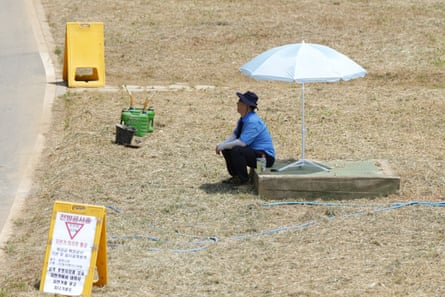
- August 9, 2026: Hong Kong recorded its hottest day in meteorological history. The blistering temperatures forced authorities to completely overhaul municipal workplace policies, mandating that companies reschedule strenuous labor, provide advanced cooling equipment, and enforce regular rest breaks for outdoor and exposed employees.
- July – August 2026: South Korea endured its driest July on record in its southeastern provinces, followed almost immediately by a meteorological paradox: a weakening storm system dragged in torrential moisture, dumping some of the heaviest rainfall ever recorded by a Korean weather station. The heat was so oppressive and intense that farmers in multiple regions reported potatoes literally "boiling in the ground."
- July 22, 2026: Japan officially recorded its first-ever kokushobi—a newly coined governmental and meteorological term meaning "cruelly hot day"—reserved for days when the mercury breaches the 40°C (104°F) threshold. Designed to underscore the direct mortal danger of ambient heat, the threshold was crossed multiple times as high humidity enveloped Tokyo and surrounding prefectures.
Monsoon Failures and Autumnal Threats
As summer transitioned into autumn, the traditional monsoon patterns that sustain billions of lives began to fracture:
- September 2026: Parts of India experienced a staggering rainfall shortfall of nearly 50% during the critical late-monsoon window. This dry spell severely damaged vital kharif (summer-sown) crops, including rice, pulses, cotton, and maize.
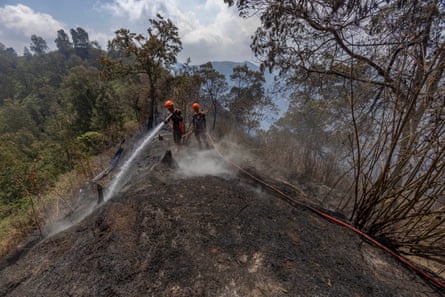
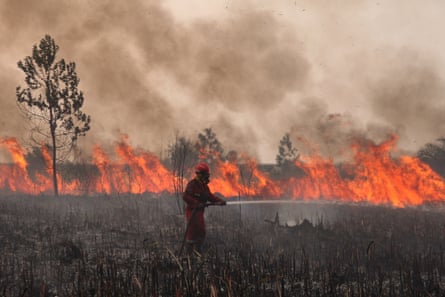
- Sri Lanka: The island nation descended into its worst drought in a decade. Concurrently, regional supply chains in Southeast Asia buckled under overlapping crises, including elevated fuel and fertilizer costs tied to geopolitical disruptions in the Middle East, alongside choking seasonal haze generated by fires in Malaysia and Indonesia.
Supporting Context & Metrics: The Anatomy of a Mega-El Niño
To understand the severity of the current emergency, one must examine the metrics driving the panic among regional planners and international bodies.
Economic and Demographic Vulnerabilities
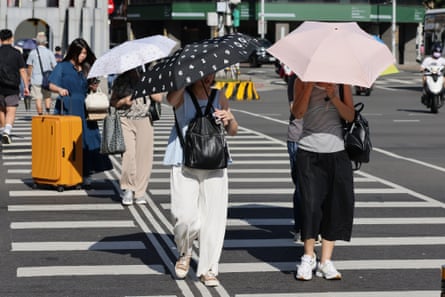
Climate and food security experts emphasize that the socioeconomic impacts of this El Niño will not be distributed evenly. Vulnerability is directly tied to household expenditure on basic necessities:
- Singapore: Less than 10% of the average household income is spent on food. While urban heat islands and energy costs present challenges, the city-state’s financial cushion insulates its populace from immediate starvation risks.
- Indonesia and the Philippines: Citizens spend up to 50%—and in lower-income rural brackets, even more—of their disposable income on food staples, particularly rice. Because rice functions as the ultimate nutritional and economic lifeline for the region, even minor inflationary spikes can trigger severe poverty and civil unrest. Consequently, experts like Elyssa Kaur Ludher, a visiting fellow at the ISEAS–Yusof Ishak Institute, argue that food security must be elevated to a matter of national security.
Agricultural Yield Projections
- Regional Rice Yields: Projected to fall by 8% to 10% across Southeast Asia.
- India’s Protective Shield: The Indian Ministry of Agriculture launched targeted interventions across more than 350 vulnerable districts, scaling up water conservation infrastructure and pivoting farmers toward short-duration, drought-resistant crops such as millets and pulses.
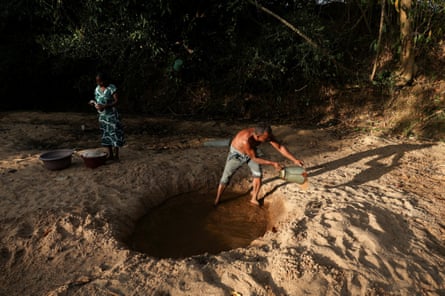
- Water Scarcity in Sri Lanka: Over 160,000 people face immediate drinking water shortages as principal reservoirs run dry. Emergency measures include trucking water into national parks like Yala to prevent endangered species—such as leopards, elephants, and crocodiles—from perishing of thirst.
Official Statements and Regional Preparations
Governments across Asia are deploying radically different, highly innovative strategies to protect their populations from the multi-pronged onslaught of extreme heat, drought, and typhoons.
China: Climate Risk Maps and 100-Day Campaigns
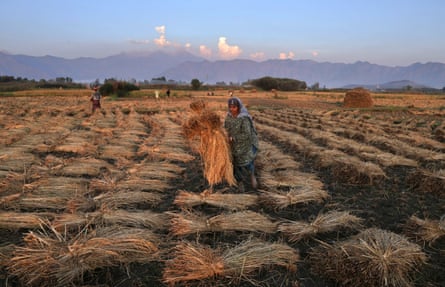
In mainland China, the central government initiated an aggressive 100-day campaign designed to safeguard agricultural harvests against the dual threats of localized droughts and torrential flash floods. Beijing has fast-tracked the modernization of its early warning monitoring networks. Furthermore, a national directive issued in July requires urban centers to formulate granular "climate risk maps," identifying hyper-vulnerable zones prone to urban flooding and lethal heat pockets.
Taiwan: Earthquake-Style Emergency Drills
Departing from standard administrative protocols, Taiwan treats impending El Niño weather extremes with the urgency of a military or seismic emergency. In early September, the island nation conducted comprehensive, island-wide civil defense drills simulating three consecutive days of temperatures exceeding 40°C. Hundreds of participants engaged in live-action simulations testing responses to:
- Simultaneous electrical grid failures.
- Widespread municipal water supply disruptions.
- Railway deformation and public transit shutdowns.
- Cascading air-conditioning failures and mass heatstroke incidents.
Taiwan also optimized its digital infrastructure, testing the "Cool Map" online platform, which instantly directs vulnerable citizens to air-conditioned public cooling shelters.
South Korea: Overhauling the Heatwave Alert System
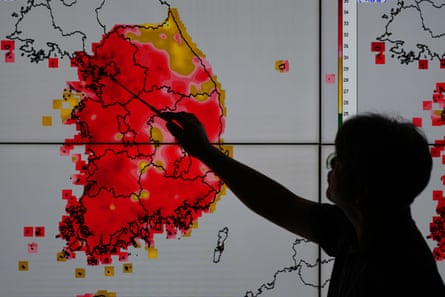
For the first time in 18 years, the Korea Meteorological Administration overhauled its national heatwave warning matrix. A brand-new top tier was introduced to automatically trigger legal mandates ordering the cessation of non-emergency outdoor work whenever "feels-like" temperatures reach 38°C (100.4°F). Millions of citizens received continuous emergency mobile broadcasts urging them to remain indoors during peak solar hours.
Japan: Preemptive Infrastructure Closures
Having survived devastating flash floods in Chiba prefecture—where motorists tragically drowned after becoming trapped in submerged highway underpasses—Japan’s Ministry of Infrastructure instituted a zero-tolerance policy. High-risk underpasses on national highways are now slated for mandatory, preemptive closures the moment heavy rainfall warnings are issued. Additionally, coastal and urban residents have been repeatedly instructed to anchor outdoor property, clear drainage grates, and stockpile emergency rations ahead of anticipated super-typhoons.
Future Outlook: Navigating the 2027 Horizon
As the world looks beyond the immediate autumn shocks toward the winter of 2026 and deep into 2027, the trajectory of this super-charged El Niño demands an unprecedented transformation in disaster management.
Scientists warn that historical baselines are no longer reliable. The convergence of persistent oceanic warming, geopolitical supply chain vulnerabilities, and escalating global temperatures means that regional adaptation strategies must evolve from reactive emergency responses to proactive, systemic resilience-building.
For agriculture, this means accelerating the transition toward regenerative farming practices, scaling up the use of bio-fertilizers, and heavily subsidizing drought-tolerant staple crops. For urban architecture, it requires redesigning cities with extensive green corridors, permeable pavements, and mandatory building cooling standards.
Ultimately, the 2026–2027 El Niño serves as a severe stress test for human civilization in the Anthropocene. Whether Asian nations can successfully navigate this crucible will depend not only on the scale of their immediate emergency spending, but on their collective ability to recognize that climate resilience is the bedrock of future national security and social survival.



