Executive Overview
The first half of 2026 has etched itself into the historical record as a period of profound climate disruption, characterized by unprecedented, compounding heatwaves across Europe, Asia, Africa, and North America. Supercharged by decades of relentless fossil fuel combustion and systemic environmental degradation, our warming planet has been pushed dangerously close to a critical threshold: temporarily breaching the Paris Agreement’s ambitious goal of limiting global warming to 1.5°C above pre-industrial levels.
What the scientific community once framed as distant projections have materialized with terrifying immediacy. Extreme weather events are no longer anomalies or isolated “natural” disasters; they are the predictable, devastating toll of economic systems dependent on coal, oil, and gas, and the deliberate political inaction that has shielded corporate polluters from accountability.
Compounding this heating trajectory is the emergence of a historic "super" El Niño event. Forecast to rival or exceed the most intense cycles of the past two centuries, this ocean-atmosphere phenomenon is rewriting climate baselines. From severe agricultural droughts and failing monsoons to crippling water shortages forcing the shutdown of critical nuclear infrastructure, the cascading crises of 2026 demonstrate that global energy systems, food supplies, and public health frameworks are wholly unprepared for the realities of a 1.5°C-plus world.
Detailed Chronology of the 2026 Climate Crisis
The trajectory of 2026 has been marked by a relentless sequence of extreme weather milestones, creating a domino effect of ecological and humanitarian crises across the globe.
Spring and Early Summer: The European Heatwaves and North American Smoke
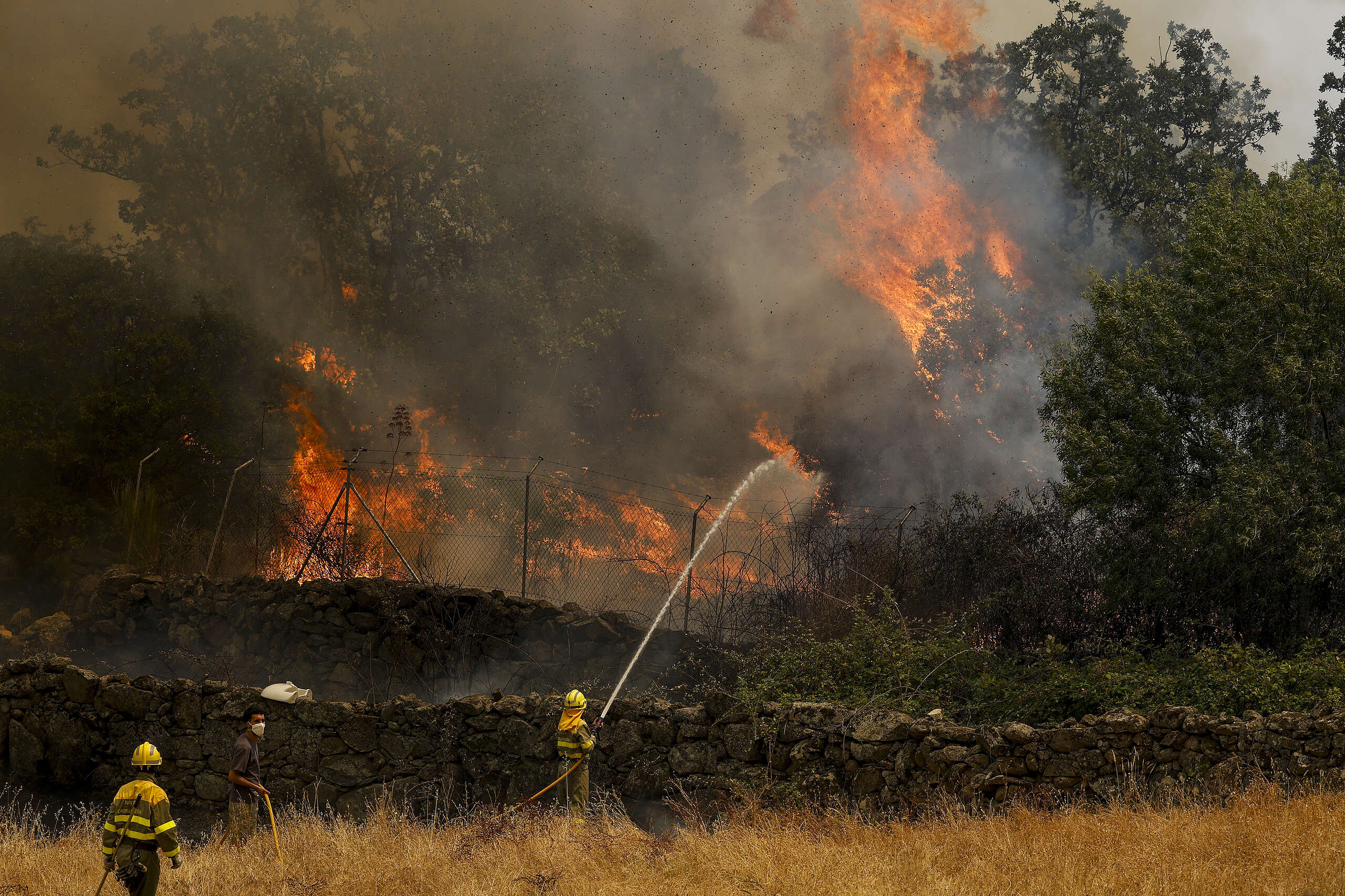
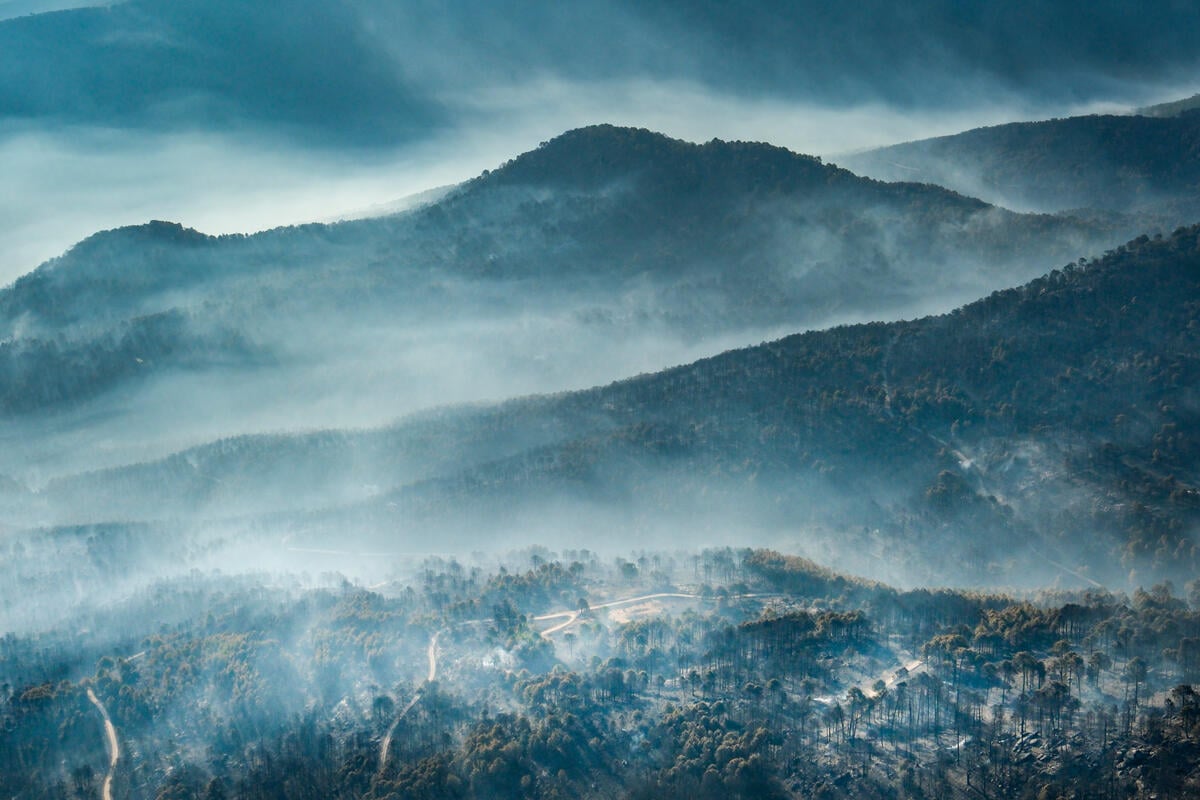
Europe kicked off the year by shattering regional climate records, experiencing its hottest June-to-July period in recorded history. Western Europe endured an exceptional run of four consecutive heatwaves starting as early as May, turning the continent—currently warming at more than twice the global average rate—into a tinderbox. These blistering conditions triggered an extraordinary series of wildfires across Spain, France, and Greece, most notably the devastating Burgohondo fire in Spain’s Ávila province, which prompted national emergencies and historic air quality alerts.
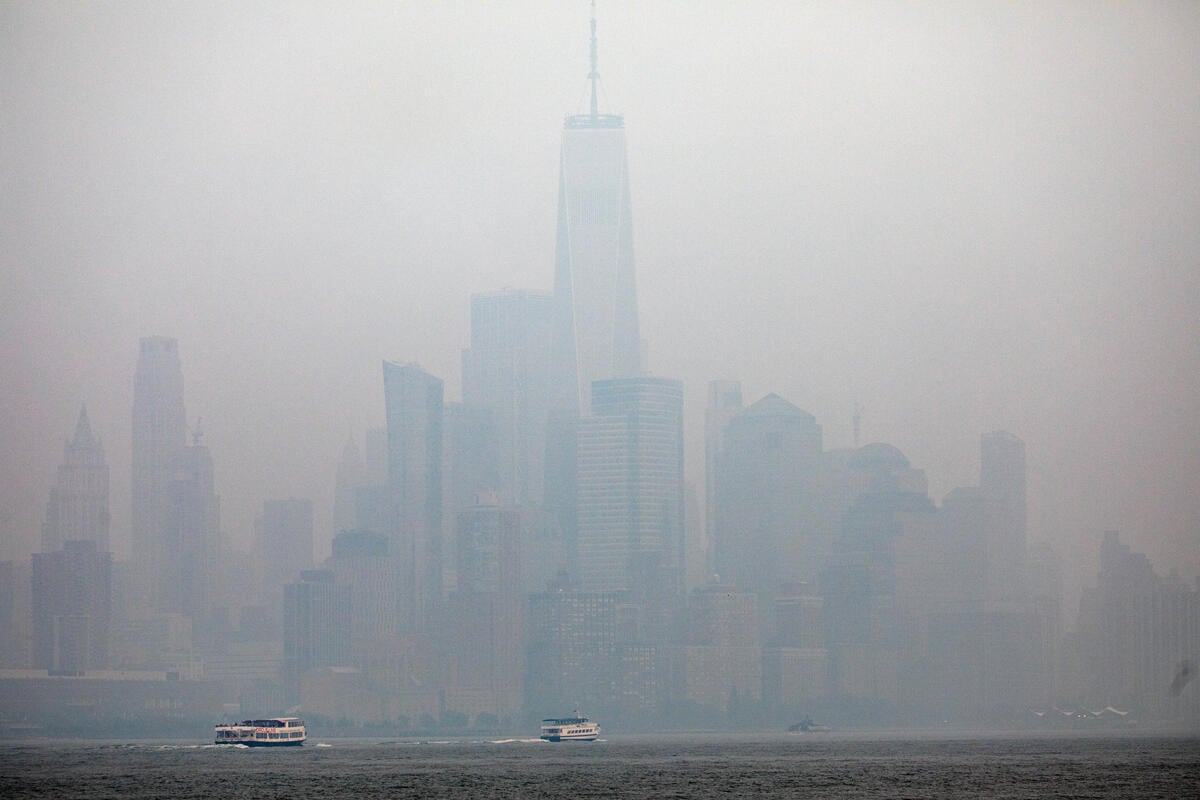
Simultaneously, North America faced its own atmospheric crises. More than 100 out-of-control wildfires raged across Canada, sending thick, acrid smoke plumes southward. By mid-July, the resulting particulate pollution blanketed the U.S. Northeast and Midwest, pushing the Air Quality Index (AQI) in New York City and the Tri-State area past "very unhealthy" levels (above 201). This choking haze coincided with the historic, humid heatwaves that disrupted outdoor celebrations during the United States’ 250th-anniversary events.
Mid-Summer: Global Temperature Spikes and Industrial Strain
As July drew to a close, data from the National Oceanic and Atmospheric Administration (NOAA) and the World Meteorological Organization (WMO) confirmed that July 2026 tied with July 2024 as the joint-warmest July in recorded history. This locked in a chilling trend: the 10 warmest Julys on record have all occurred since 2016, with the past four years holding the top four spots consecutively.
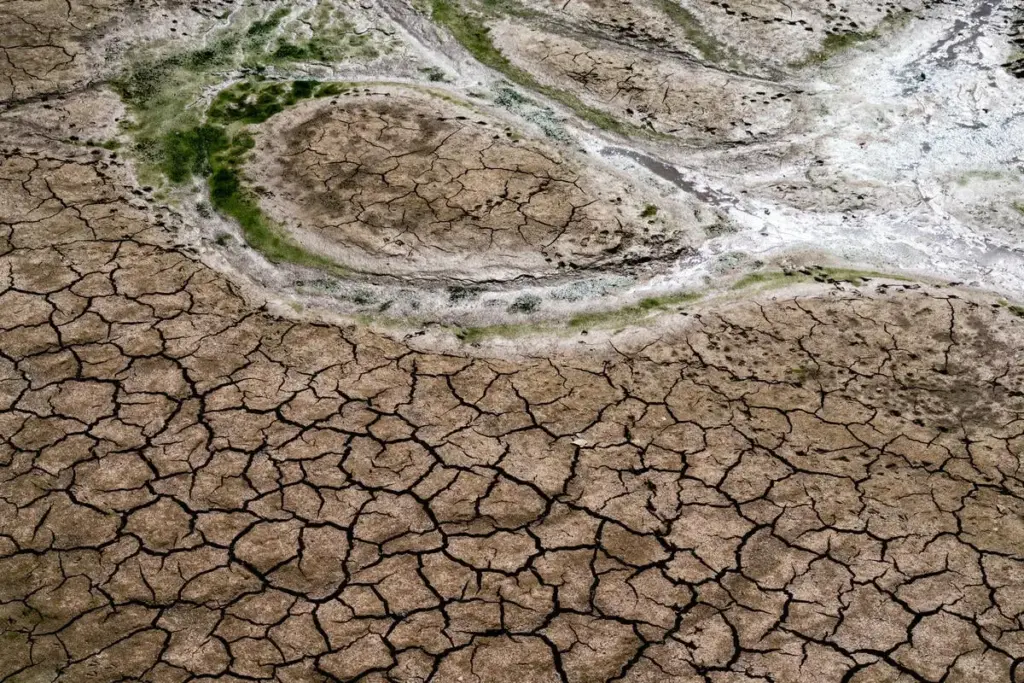
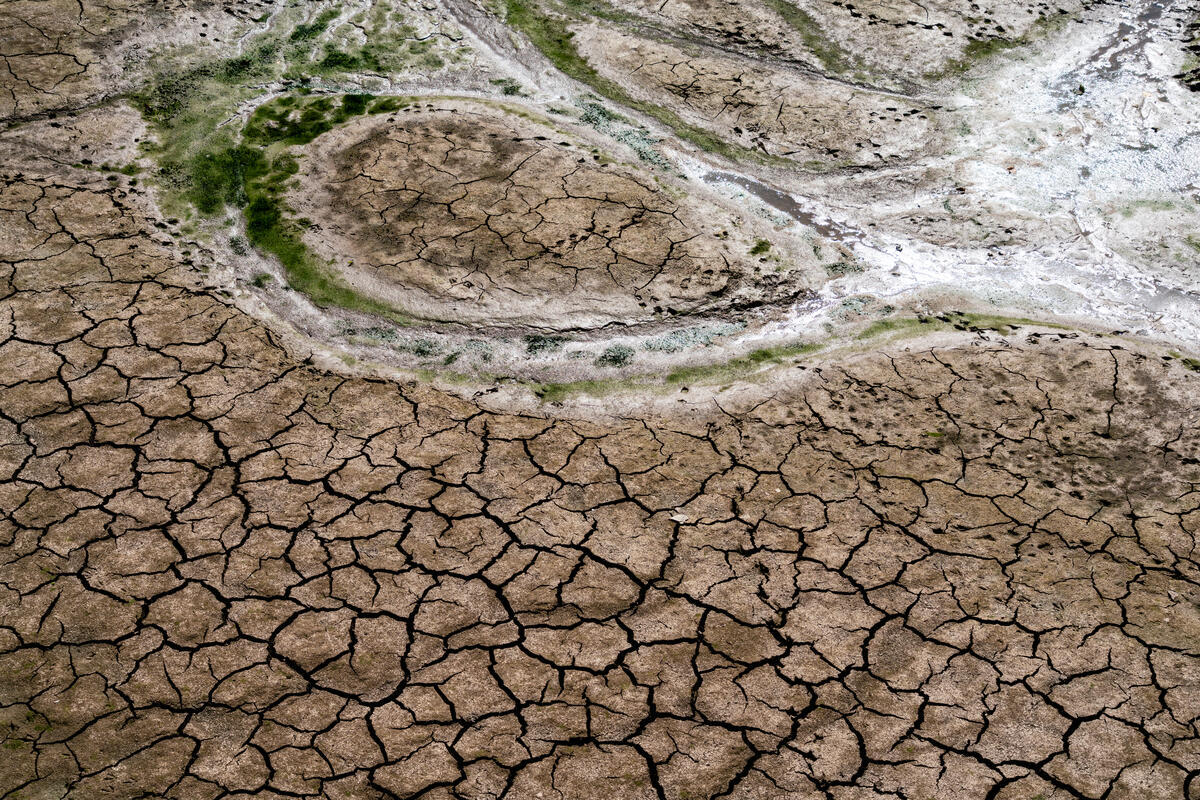
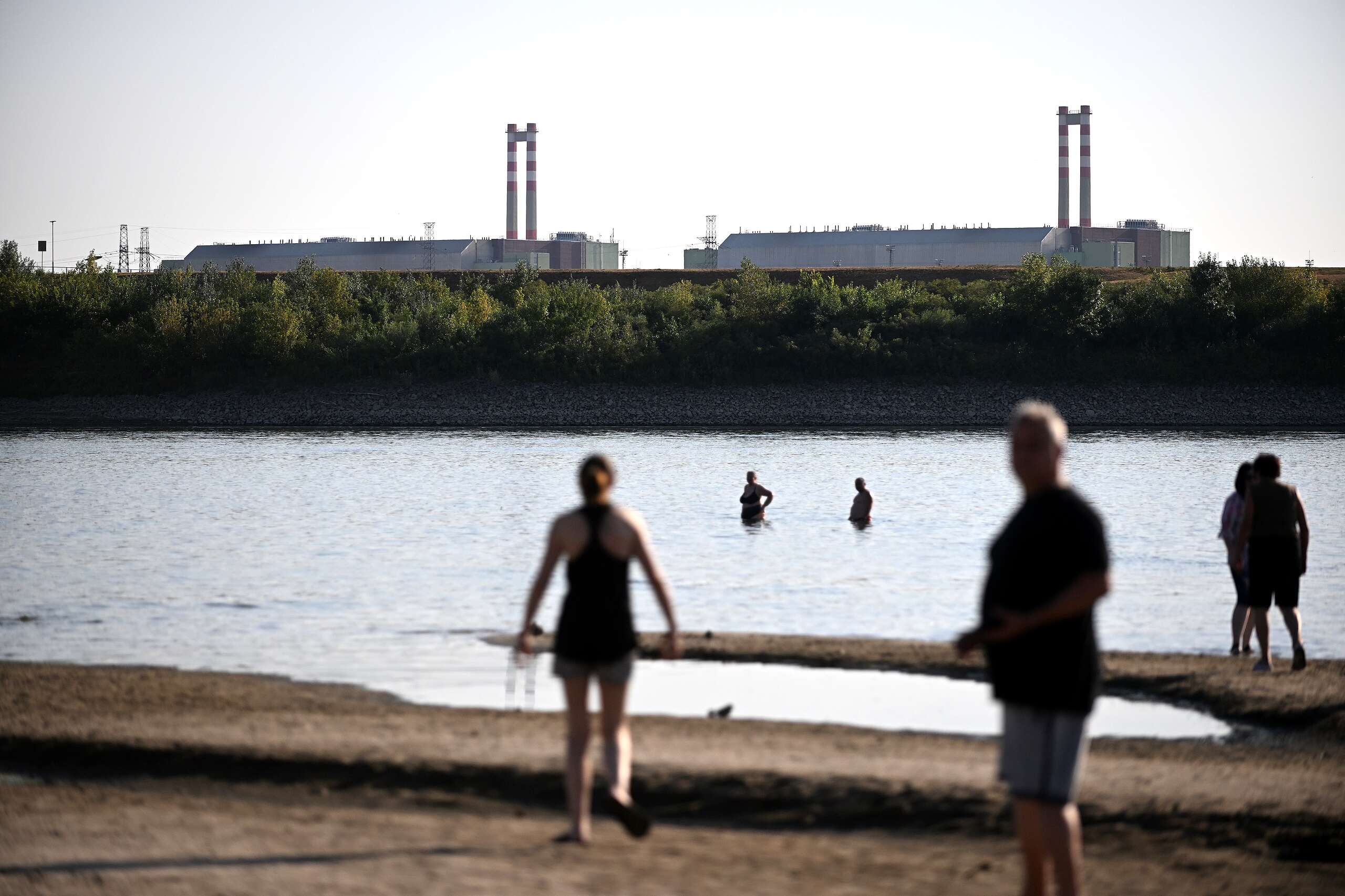
At the same time, severe water stress crippled industrial and energy sectors. By August, four of Europe’s primary arterial rivers—the Loire, Po, Rhine, and Danube—plunged to record-low water levels. The crisis forced Romania to entirely shut down its Cernavodă nuclear power plant, which supplies roughly 20 percent of the nation’s electricity, as low river levels rendered cooling intake pumps inoperable. Hungary narrowly avoided a total shutdown of its Paks plant, but was forced to shutter three of its four reactors, cutting output to a mere 10 percent.
Late Summer: Monsoonal Failures and Southern Hemispheric Extremes
While Europe and North America baked, Asia and Africa confronted their own unprecedented extremes. India faced its weakest monsoon in nearly two decades, severely threatening agricultural yields and water security as the strengthening El Niño disrupted traditional rain patterns. In Southeast Asia, a prolonged dry season catalyzed the largest Indonesian wildfires since the devastating 2015 El Niño event. These blazes burned nearly 95,000 hectares by July alone, blanketing neighboring nations in toxic haze. Meanwhile, nations like Japan and South Korea recorded exceptional, record-shattering heatwaves at the start of August, reinforcing that no continent has remained insulated from the unfolding catastrophe.
Supporting Context & Metrics: The Science of Attribution
To understand the mechanics driving these events, climatologists and attribution scientists have increasingly linked daily weather anomalies directly to anthropogenic emissions.
The Carbon Dioxide Trajectory
Data from the International Energy Agency (IEA) reveals that while the growth rate of global energy-related $textCO_2$ emissions slowed to 0.4 percent in 2025—largely thanks to the aggressive global deployment of solar technology, which single-handedly avoided 1.5 gigatonnes of emissions—absolute levels remain dangerously high. Global emissions reached a staggering new peak of nearly 38.4 billion tonnes (Gt), sitting 5 percent above 2019 levels.
Atmospheric concentration mirrors this industrial output. Following a record monthly average of 427 parts per million (ppm) in 2024, Hawaii’s Mauna Loa Observatory recorded a staggering new monthly average high of 432.3 ppm in May 2026—sitting roughly 50 percent higher than pre-industrial baselines.
Rapid Attribution Studies
The National Academies of Sciences, Engineering, and Medicine (NASEM) have reaffirmed with high confidence—backed by rigorous physical observations and predictive modeling—that human-induced atmospheric warming is directly responsible for the increasing frequency and intensity of extreme temperature and heavy precipitation events.
Pioneering analyses by World Weather Attribution (WWA) have quantified these impacts with startling clarity:
- The European Heatwave Study: WWA researchers concluded that the severe June heatwave in western Europe would have been approximately 3.5°C cooler had it occurred fifty years ago. Without human-induced climate change, the event would have been virtually impossible.
- The North American Heatwave Study: Assessments of the extreme humidity and heat plaguing the U.S. during its milestone summer celebrations found that such persistent atmospheric conditions "would not have happened in a preindustrial climate."
Official Statements and Global Reactions
International governing bodies and scientific authorities have responded to the 2026 climate milestones with grave warnings, emphasizing that incremental policy changes are no longer sufficient.
- The World Meteorological Organization (WMO): In response to July’s unprecedented confluence of land and ocean temperature records, the WMO issued an urgent advisory warning that the global average temperature is now "very likely" to temporarily exceed the 1.5°C threshold for at least one year between 2026 and 2030. The organization highlighted that the 2026–2030 five-year average is projected to surpass this critical boundary, ratcheting up the risk of irreversible tipping points.
- The Intergovernmental Panel on Climate Change (IPCC): Scientific panels continue to stress that the ongoing disasters are the direct, realized manifestations of decades of unheeded warnings regarding coal, oil, and gas consumption.
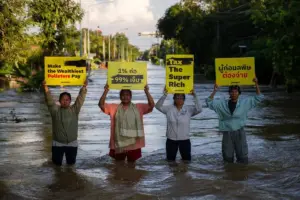
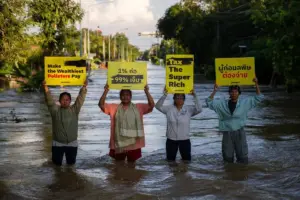
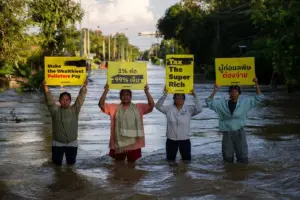
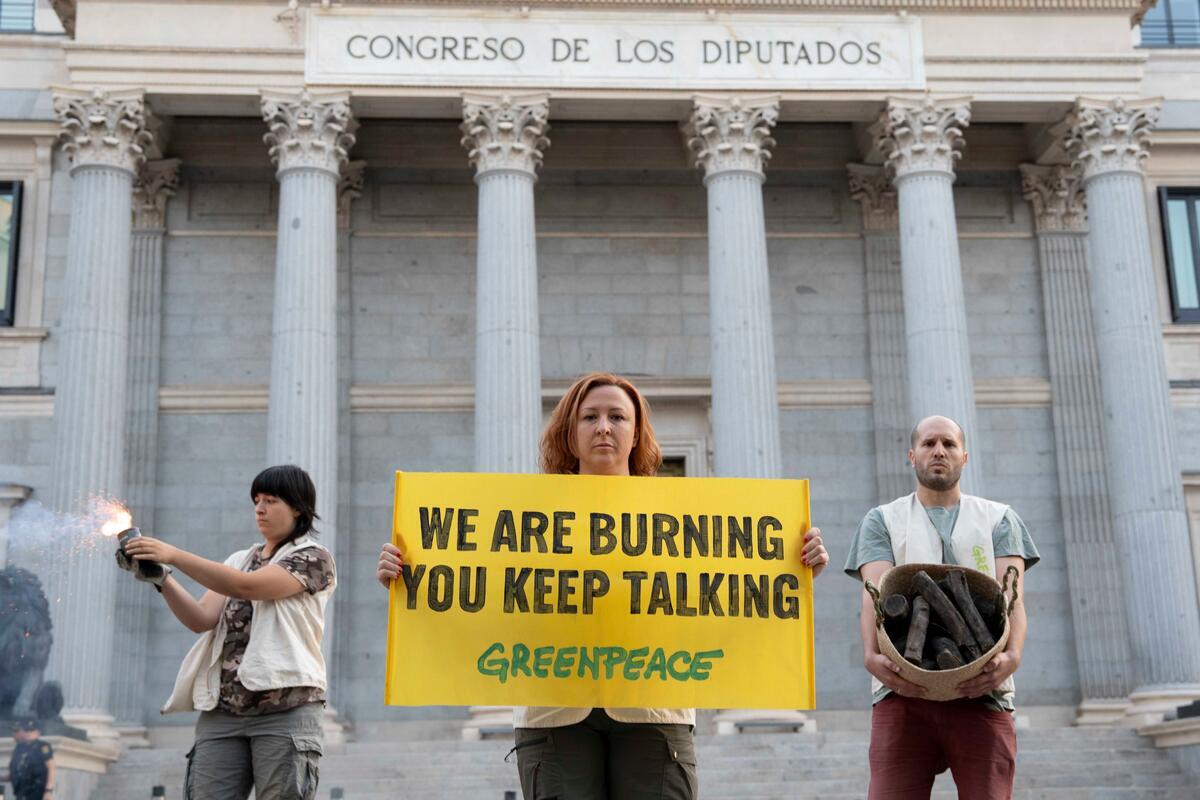
- Civil Society and Activism: Grassroots movements have intensified their demands for institutional accountability. In Madrid, activists from Greenpeace Spain staged high-profile protests outside the Congress of Deputies, unfurling banners reading "Spain is burning. Your inaction is killing us" amidst artificial ash and debris. These actions mirror a broader global consensus: that framing these events as "natural" disasters absolves the fossil fuel corporations and extractive economic systems driving the crisis.
Future Outlook: Navigating the Super El Niño and the 1.5°C Threshold
Looking toward the remainder of 2026 and into 2027, the climate outlook remains precarious. The developing El Niño is forecast to transition into a historic, "super-sized" event that will dominate global weather patterns well into the autumn and winter months.
According to projections from Berkeley Earth, there is a 69 percent chance that 2026 will close out as the hottest year on record. Furthermore, the UK Met Office warns that 2027 is poised to challenge or eclipse 2024 as the warmest year in recorded human history, all but guaranteeing a temporary breach of the 1.5°C warming ceiling.
The implications of this trajectory extend far beyond temperature readouts. The unfolding super El Niño threatens to trigger widespread agricultural failures, livestock losses, and rural-to-urban migrations across Central America, tropical South America, and West Pacific nations, alongside intensified storms across parts of southern Asia and the Horn of Africa.
The Path Forward: Accelerating the Just Transition
Despite these grim projections, a blueprint for systemic correction exists. Nearly 60 nations recently convened in Santa Marta to establish regional and national roadmaps aimed at ending fossil fuel dependency. Concurrently, the exponential cost reductions of solar, wind, and battery storage technologies over the past decade have proven that decentralized, renewable energy systems are not only viable but economically superior to aging fossil and nuclear grids.
As the international community looks ahead to the UN General Assembly and the upcoming COP31 climate summit, the mandate for world leaders is stark:
- Accelerate Decarbonization: Pivot away from fossil fuels with a speed and financial commitment that matches the existential scale of the threat.
- Hold Polluters Accountable: Implement legal frameworks—such as global "Polluters Pay" pacts—to ensure that the corporations responsible for historical emissions shoulder the costs of adaptation and loss.
- Ensure a Just Transition: Guarantee that renewable energy deployment empowers local communities, protects vulnerable populations from exploitative mineral extraction, and provides equitable access to clean power.
The events of 2026 have removed any remaining ambiguity. The climate emergency is here, and the window to secure a stable, habitable future requires immediate, uncompromising structural transformation.