

Executive Overview
As the global energy transition accelerates, the burden of advocacy increasingly falls upon individual consumers. While utility-scale solar farms, massive wind arrays, and grid-scale battery storage grab the headlines, the grassroots transformation of everyday life remains the bedrock of sustainable adoption. In recent months, the discourse surrounding individual climate action has shifted from abstract carbon footprint reduction to tangible, highly visible lifestyle choices.
Being a modern clean energy evangelist requires more than ideological conviction. It demands a pragmatic, phased approach to decarbonization, leveraging high-efficiency technologies—specifically battery electric vehicles (BEVs), heat pumps, residential solar, and electric bicycles—as they naturally enter replacement cycles. Yet, bridging the gap between early-adopter enthusiasm and mainstream acceptance presents ongoing social and practical hurdles. From navigating traditional car shows dominated by combustion engines to decoding the nascent and often disorganized used EV market, advocacy today requires resilience, clear financial literacy, and a willingness to lead by example. This report examines the foundational steps of clean energy evangelism, evaluates the current state of the electric vehicle market in 2026, and offers a blueprint for how individuals can effectively drive the transition within their local communities.
Detailed Chronology & Personal Advocacy: A Decade on the Front Lines
True clean energy advocacy is rarely passive. For over a decade, grassroots evangelists have taken their battery-powered vehicles to local community events, parades, and car shows to demonstrate that electric mobility is no longer a futuristic concept, but a practical, daily reality. However, the dynamics of public exhibition have shifted significantly over the years.
In the early 2010s—an era marked by the early rollout of vehicles like the Nissan LEAF—bringing an electric car to a public venue carried an undeniable novelty. Crowds gathered out of sheer curiosity, eager to ask questions about charging times, battery degradation, and real-world range. Friends and fellow early adopters readily joined in caravans, creating a visible collective presence for zero-emission transit.
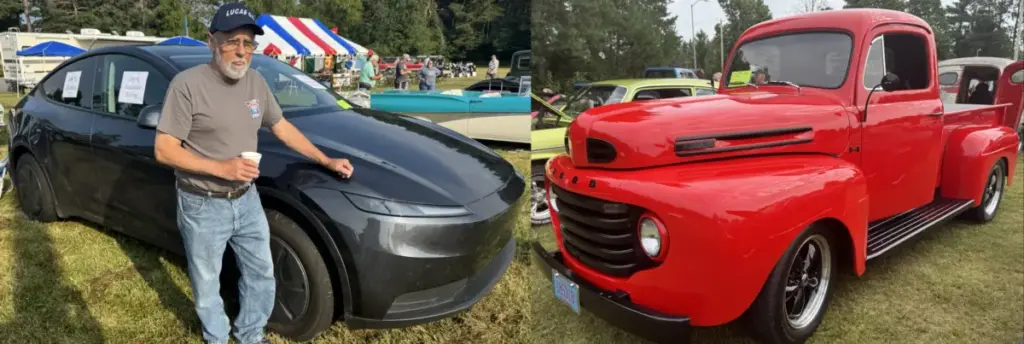
Fast-forward to the current landscape of 2026, and the social reception has grown more polarized or, worse, indifferent. Exhibiting a brand-new, highly automated electric vehicle like a 2026 Tesla Model Y at a regional car show often yields muted interest from crowds traditionally populated by combustion-engine enthusiasts celebrating restored classic trucks and muscle cars. Placards proudly announcing "100% Electric" and "100% Automatic Driving" frequently draw blank stares rather than inquisitive conversations from traditional motorheads. Consequently, the strategy for public outreach must evolve. While traditional car shows heavily biased toward fossil-fueled nostalgia may no longer yield high-impact conversations, community-centric events like Fourth of July parades and localized trailheads remain powerful platforms for normalization, visually embedding electric alternatives into the fabric of small-town and suburban life.
Supporting Context & Metrics: The 2026 EV Market and Financial Landscape
Transitioning to a clean energy lifestyle requires balancing ecological ideals with hard financial realities. Fortunately, the macro-environment for electric mobility and micro-mobility has never been more economically viable, even amidst fluctuating interest rates and shifting incentive structures.

The New and Used EV Market in 2026
Purchasing a new pure battery electric vehicle remains the single most impactful transportation choice an individual can make. A BEV eliminates tailpipe emissions entirely, operates at roughly 90% powertrain efficiency, and minimizes particulate pollution by utilizing regenerative braking—drastically cutting down on the sub-micron particle emissions generated by traditional friction brake pads.
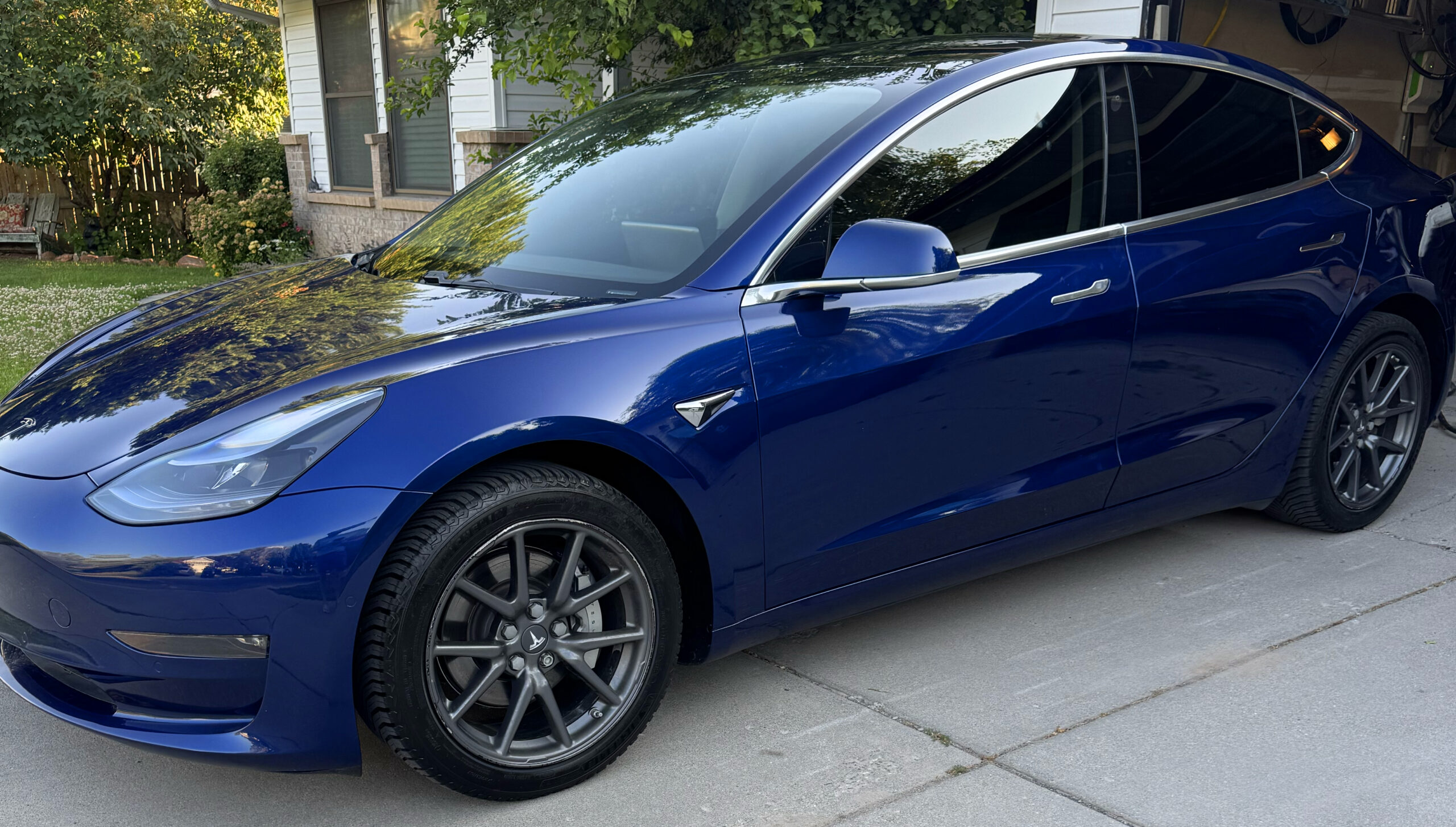
For buyers entering the new market, attractive financing options persist despite minor economic corrections. For instance, the base Tesla Model Y Rear-Wheel Drive (RWD) commands interest rates hovering around 1.5% (a slight uptick from the 0% promotions seen earlier in the year), resulting in manageable monthly payments of approximately $559. Meanwhile, the base Model 3 secures financing near 2% with payments around $529 per month. For larger households, the newly launched long-wheelbase, three-row, six-seat Model YL Launch Edition offers expanded utility for roughly $992 monthly. Crucially, all new Tesla variants now feature Hardware V4, capable of supporting advanced driver-assistance software suites like Full Self-Driving (FSD) V14 for a $99 monthly subscription, and boast EPA-estimated driving ranges comfortably exceeding 300 miles.
For budget-conscious consumers, the secondary market offers extraordinary value, albeit with unique friction points. A pre-owned market search reveals phenomenal deals: a well-maintained, 7-year-old Tesla Model 3 Performance featuring dual motors, ample remaining battery warranty, and robust range can be secured for as low as $15,000.

The Used EV Dealership Challenge
Despite these bargains, the used electric vehicle market suffers from a severe knowledge gap at traditional dealership lots. Many used car salespeople remain unfamiliar with the nuances of electric platforms. Dealerships frequently struggle to categorize inventory accurately, missing critical details such as:
- Remaining battery health and degradation metrics.
- Drivetrain configurations (single-motor rear-wheel drive versus dual-motor all-wheel drive).
- Specific onboard hardware suites (differentiating between older Hardware 2/3 systems and the modern Hardware 4 architecture).
- The status of software packages, such as whether a vehicle retains a permanent, transferable Full Self-Driving subscription—a feature exceptionally prized on models sold between mid-2023 and early 2026, prior to structural changes in Tesla’s software licensing models.
Because traditional lots often misprice or fail to market these advantages properly, savvy buyers who do their homework can frequently uncover significant underpriced deals. Furthermore, infrastructure harmonization has removed previous anxiety regarding long-distance travel: virtually all major U.S. EV brands can now seamlessly utilize the vast majority of Tesla Superchargers, with many competitors adopting native North American Charging Standard (NACS) ports out of the factory—exemplified by affordable options like the Chevrolet Bolt starting at $27,600.
The E-Bike Bookend: Completing the Urban Equation
Vehicular electrification does not stop at four wheels. Acquiring an electric bicycle serves as the ultimate bookend to a low-carbon transportation strategy. For many households, an e-bike acts as a direct substitute for a second or third combustion vehicle.
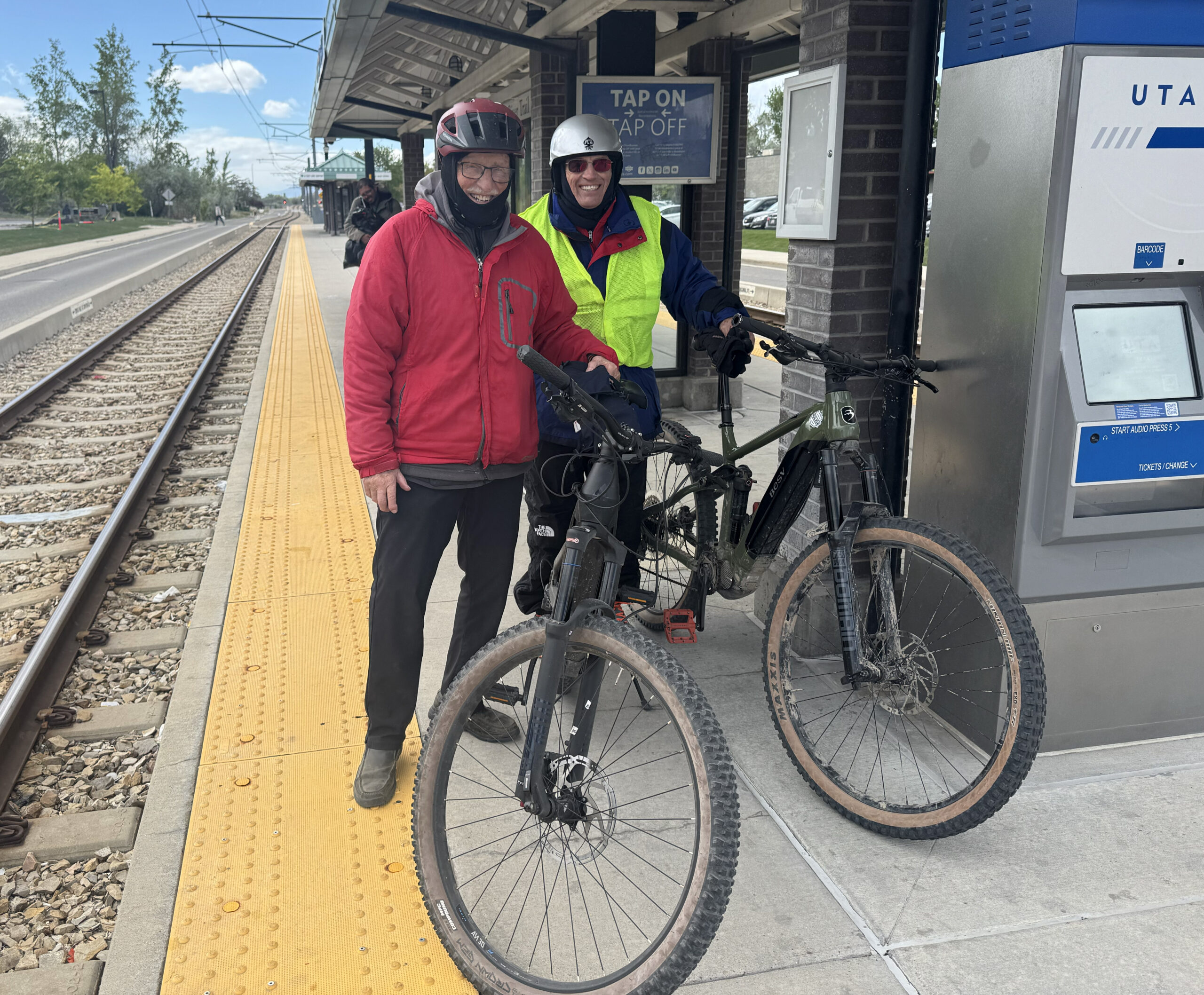
Modern mountain e-bikes, in particular, offer exceptional utility. Beyond recreational trail riding, their robust suspension, reinforced frames, and traction capabilities make them ideal for navigating unpaved gravel paths, absorbing urban road imperfections, and safely managing unexpected roadside obstacles or curbs. For daily errands—such as picking up prescriptions, running to the local gym, or grabbing a few grocery items while a spouse utilizes the primary family EV—an e-bike eliminates car trips entirely. For individuals with physical limitations preventing traditional cycling, electric trikes and three-wheel recumbent configurations provide an accessible, stable entry point into micro-mobility.
Official Guidelines: The Clean Energy Evangelist Checklist
To maximize personal impact without requiring infinite capital, aspiring clean energy advocates should adhere to a structured, phased implementation strategy:
- Educate Continuously: Maintain deep, working knowledge of the most critical decarbonization technologies, including their relative efficiency advantages, cost differentials, and lifecycle carbon impacts.
- Prioritize Replacement Cycles: Avoid prematurely discarding functional fossil-fuel appliances or vehicles. Instead, patiently wait for natural end-of-life events—such as a dying water heater, a failed home furnace, a broken lawnmower, or an aging car—to execute a clean energy swap.
- Electrify Systematically: Gradually transition your domestic footprint toward battery-electric systems, heat pump climate control, rooftop solar photovoltaic arrays, and residential garage energy storage.
- Make the Visible Car Swap: Replace your primary internal combustion engine vehicle with a pure battery electric vehicle. Because driving is a public, highly visible activity, piloting a BEV normalizes the technology for neighbors, coworkers, and family members who may otherwise view alternative energy as impractical.
- Adopt Active Micro-Mobility: Integrate e-bikes, public transit, and carpooling into your weekly routines to reduce vehicle miles traveled (VMT) and eliminate the need for multi-car households.
- Leverage Referral Ecosystems: When participating in the adoption of new technologies, utilize community referral networks to maximize economic value and spread awareness. For example, utilizing established Tesla referral links can secure additional complimentary FSD trials (such as stacking an extra two months onto standard promotional periods) or direct purchase discounts on vehicles like the Cybertruck, compounding the financial incentive to switch.
Future Outlook
The trajectory of the clean energy transition over the coming decade will hinge less on macroeconomic declarations and more on grassroots cultural normalization. As vehicle-to-grid (V2G) capabilities mature, home energy ecosystems become automated, and the secondary EV market matures past the informational growing pains currently plaguing traditional dealerships, clean energy living will cease to be an active "choice" and simply become the default standard of modern life.

Yet, until that parity is fully realized, the role of the individual evangelist remains vital. By demonstrating the reliability of a 300-mile range EV during winter road trips, utilizing mountain e-bikes for daily errands, and openly sharing the financial and health benefits of electrification with skeptical peers, everyday advocates lay the essential social groundwork. The transition away from fossil fuels is not merely a technical engineering challenge; it is a human movement best driven by shared experiences, visible examples, and pragmatic leadership from the ground up.



