

By Environmental Policy Desk
Published: October 09, 2026
Executive Overview
In a stark warning that underscores the deepening crisis within British marine ecosystems, the International Council for the Exploration of the Sea (ICES) has issued its official advice recommending zero fishing of Northern Shelf cod in 2027. This marks the second consecutive year that independent scientists have called for a complete cessation of cod fishing across a vast maritime region that includes the North Sea, the waters west of Scotland, the eastern English Channel, and the Skagerrak.
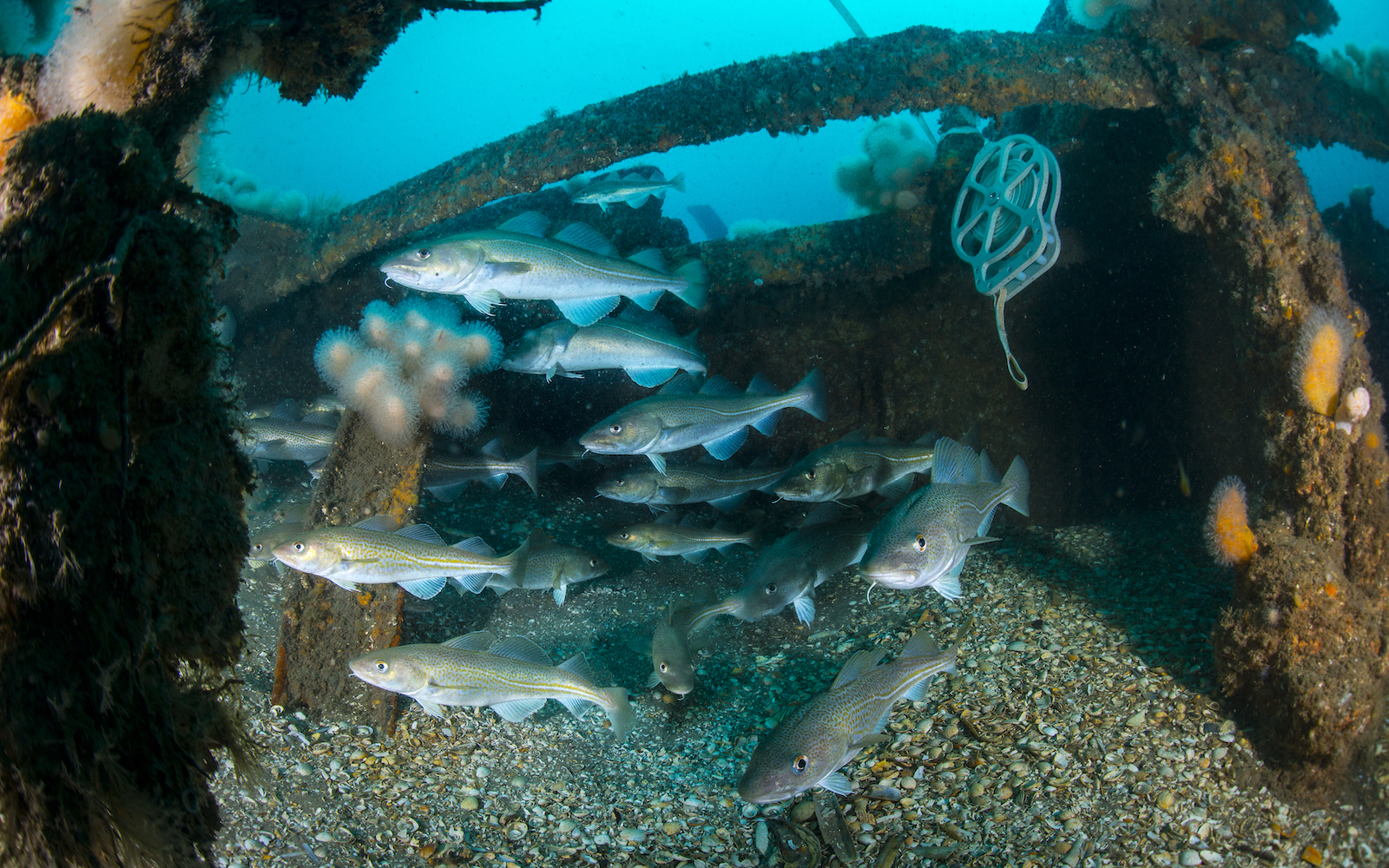
Once hailed as the crown jewel of the UK’s commercial fishing industry and the foundational fish of Britain’s most iconic culinary tradition—fish and chips—Northern Shelf cod has been driven to the precipice of ecological collapse. According to ICES, the stock remains in such a precarious and depleted state that any level of targeted fishing poses an existential threat to its recovery.
This latest zero-catch recommendation is not an isolated incident; it forms part of a broader, more alarming pattern of environmental mismanagement. Currently, three out of the UK’s four primary cod stocks are subject to zero-catch scientific advice—a designation reserved exclusively for fish populations teetering on the edge of biological failure. Environmental watchdogs, marine biologists, and policymakers are increasingly pointing the finger at decades of political expedience, where catch limits have consistently overridden peer-reviewed scientific advice. With 58% of UK fishing opportunities in 2026 set above sustainable recommendations, critics argue that the governance of British waters is failing both the marine environment and the coastal communities that rely on it.
Detailed Chronology: The Decline of an Iconic Fishery
To understand the severity of the 2027 zero-catch advice, one must trace the trajectory of the Northern Shelf cod stock, which is comprised of three distinct biological populations: the Southern, Northwestern, and Viking cod stocks.
The Path to Collapse
For generations, the waters surrounding the British Isles yielded abundant catches of cod, sustaining local economies and establishing a deep cultural connection between the nation and its maritime harvests. However, sustained fishing pressure throughout the late 20th and early 21st centuries began to chip away at the resilience of these populations.
By the mid-2010s, marine scientists were already registering severe warning signs. The situation deteriorated rapidly over the subsequent decade. ICES assessments reveal that between 2016 and 2026, all three components of the Northern Shelf cod stock suffered catastrophic declines:
- Southern Cod: Plummeted by an alarming 52%.
- Northwestern Cod: Dropped by 53%.
- Viking Cod: Declined by 37%.
The Turning Point: The 2026 Collapse
The crisis reached a tipping point ahead of the 2026 fishing season when ICES issued its first-ever unprecedented recommendation for a complete closure of the Northern Shelf cod fishery. Marine biologists concluded that the stock had effectively collapsed, slipping below critical biological limits.
Despite this stark scientific consensus, political bodies opted to permit continued fishing, bowing to short-term economic pressures from the commercial sector. Rather than witnessing a stabilization of the stock, the persistence of fishing pressure prevented any meaningful recovery. Consequently, the 2027 advice repeats the call for a zero catch, signaling that the biological parameters of the stock have either stagnated or worsened over the past twelve months.
Supporting Context & Metrics: The Anatomy of Mismanagement
The predicament facing Northern Shelf cod is emblematic of a wider systemic failure in how the United Kingdom manages its marine resources. Independent scientific bodies like ICES are tasked with calculating maximum sustainable yields—the precise limits of extraction that allow fish populations to replenish themselves while supporting long-term commercial activity. When ICES advises a zero catch, it is a diagnostic alarm bell indicating that a stock has fallen below the limit reference point, meaning its capacity to reproduce has been severely compromised.
The Policy Gap: Science Versus Politics
The root cause of the cod crisis lies in the persistent disconnect between ecological science and political decision-making. Year after year, international negotiations and domestic policy frameworks have permitted catch limits that exceed scientific advice.
The figures for recent years illustrate the scale of the problem. In 2026 alone, 58% of UK fishing opportunities were established above the thresholds recommended by scientists. This approach has systematically undermined the gradual progress that conservationists fought to achieve over previous decades, reversing rebuilding plans and locking fisheries into a downward spiral.
Furthermore, the biological reality of mixed fisheries complicates management efforts. Northern Shelf cod comprises three mixing populations. Among them, the Southern population is in the most critical condition, having fallen so far below safe biological limits that it faces a severe risk of recruitment failure—the inability of adult fish to produce enough surviving juveniles to maintain the population size. Because these distinct stocks intermingle and are caught concurrently during mixed-species trawling operations, targeting other healthy species inevitably results in the accidental capture and mortality of vulnerable cod. ICES has repeatedly emphasized that selective fishing is currently insufficient to protect these vulnerable sub-stocks, leaving total closure as the only scientifically viable remedy.
Ripple Effects: From the Open Ocean to the High Street
The collapse of domestic cod stocks is no longer merely an environmental concern; it has transformed into a socio-economic issue affecting businesses and consumers across the UK.
The most visible manifestation of this crisis can be observed in the nation’s fish and chip shops. Historically reliant on locally landed cod, British chippies are now facing a severe supply squeeze. With domestic quotas slashed and local catches practically non-existent, businesses are increasingly forced to rely on costly imported fish sourced from distant waters, such as the Barents Sea or Iceland.
This heavy reliance on imports, coupled with broader inflationary pressures, has driven the average price of takeaway fish and chips sharply upward. For millions of Britons, an affordable national staple is becoming increasingly expensive, demonstrating how ecological degradation directly impacts cost-of-living metrics.
Beyond the hospitality sector, the economic fallout touches coastal communities, commercial fishers, and food security networks. Healthy marine ecosystems are the bedrock of thriving coastal economies. When a foundational stock like cod collapses, the entire value chain suffers:
- Fishers face diminished yields and tighter restrictions.
- Processing and retail businesses encounter rising operational costs and supply volatility.
- Consumers face limited choices and inflated prices at markets and restaurants.
Moreover, marine scientists and government bodies—including the Department for Environment, Food and Rural Affairs (Defra)—have increasingly acknowledged that nature security is national security. A thriving ocean is vital for climate resilience, absorbing carbon and buffering marine habitats against rapid environmental changes. Overfishing degrades this natural infrastructure, leaving both marine ecosystems and coastal economies more vulnerable to future shocks.
Official Statements and Expert Perspectives
The release of the 2027 zero-catch advice has drawn sharp reactions from conservation organizations, who are demanding immediate accountability from political leaders.
Weighing in on the crisis, Jonny Hughes, Fisheries Policy Lead at the Blue Marine Foundation, did not mince words regarding the decades of political inaction that have led to the current impasse:
"A second consecutive year of zero-catch advice should be a wake-up call. Northern Shelf cod did not collapse overnight. It is the result of years of political decisions that repeatedly allowed catches to exceed scientific recommendations."
Hughes emphasized that the path forward requires a fundamental shift in governmental priorities, contrasting short-term economic appeasement with long-term ecological stewardship:
"The choice facing governments is simple: continue with business as usual or prioritise recovering this iconic species. The future of our seas and our fishing communities depend on getting this right."
Highlighting the irony of possessing world-class marine research while failing to act upon its findings, Hughes added:
"It is remarkable that we have access to some of the best fisheries science in the world, science that tells us exactly how to fish sustainably while securing the greatest long-term benefits for fishing communities, food security and the economy, yet we continue to disregard it."
Finally, connecting fisheries management to the broader existential challenges of our time, Hughes noted the intrinsic link between ocean health and climate resilience:
"At a time when the Government rightly recognises that the climate crisis is already affecting our lives, it must also recognise that resilience to these challenges depends on a healthy and resilient ocean. Healthy fish populations are a fundamental part of that."
Future Outlook: Can British Cod Be Saved?
As the UK looks toward the 2027 fishing negotiations, the future of Northern Shelf cod hangs in the balance. The persistent scientific advice for a zero catch serves as both an indictment of past management practices and a clear roadmap for recovery.
To pull this iconic population back from the brink of extinction, marine conservationists argue that several urgent actions must be taken:
- Strict Adherence to Science: Governments must legally bind themselves to respecting ICES scientific advice, eliminating the political discretion that has historically allowed overfishing to persist.
- Implementation of Technical Measures: Fisheries management must rapidly adopt advanced selective fishing gear and spatial-temporal closures to protect vulnerable sub-stocks—such as the Southern cod population—while allowing sustainable fisheries to operate elsewhere.
- Ecosystem-Based Management: Policy must pivot from single-species exploitation toward a holistic ecosystem approach that recognizes the interconnectedness of marine life, safeguarding habitats against climate change and industrial pressures.
The stakes could not be higher. If policymakers continue to ignore the warnings of marine scientists, the UK risks losing not only a vital biological component of its marine heritage but also the economic viability of its remaining fisheries and the cultural tradition of the British fish supper. The second consecutive year of zero-catch advice is a stark reminder that nature cannot be indefinitely negotiated with; it can only be respected, protected, and restored.



