

Executive Overview
As preparations intensify for the 31st United Nations Climate Change Conference (COP31), host contenders Türkiye and Australia face escalating international scrutiny over a widening gap between their diplomatic ambitions and domestic energy policies. Leading climate policy analysts, civil society groups, and international watchdogs have issued stark warnings: both nations risk fundamentally undermining their moral authority and credibility as multilateral negotiators if they continue to champion domestic fossil fuel expansion without concrete, time-bound phase-out commitments.
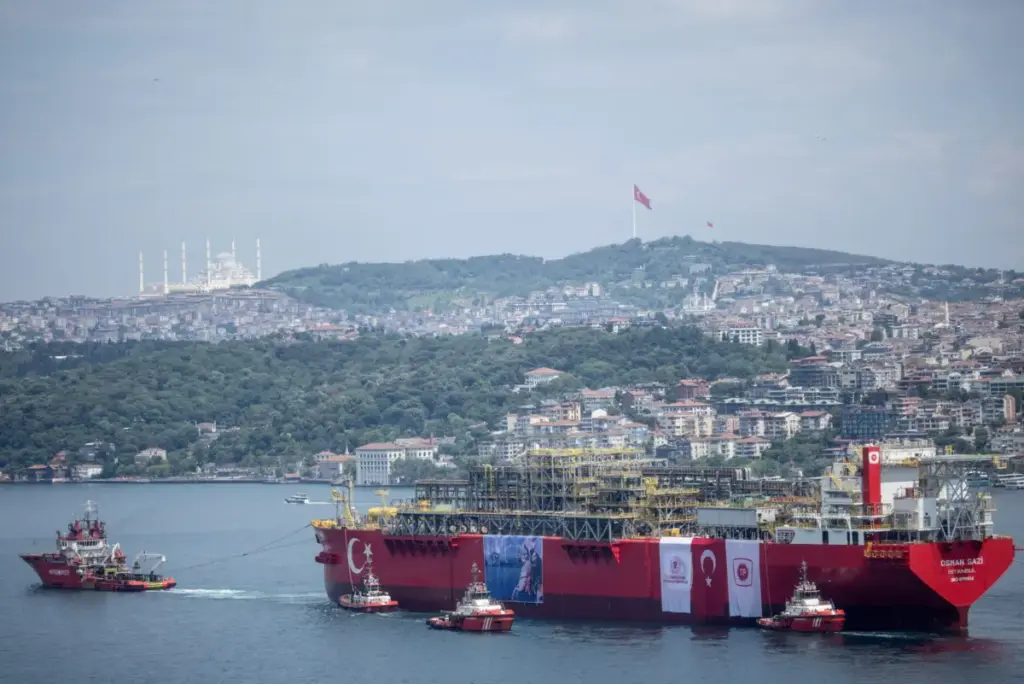
The dilemma strikes at the heart of UN climate governance. While global climate summits are intended to accelerate the transition away from unabated coal, oil, and natural gas—a imperative formally recognized in recent multilateral agreements—both host candidates remain deeply invested in fossil fuel infrastructure. Türkiye, despite a rapid ramp-up in solar and wind generation, is struggling under the weight of surging electricity demand that continues to drive increased coal and gas consumption. Simultaneously, Australia, which has positioned its COP31 bid alongside Pacific Island nations as a gesture of regional solidarity, continues to approve major fossil fuel export developments and domestic gas expansion projects.
As preliminary high-level climate dialogues take place in Antalya, global stakeholders are questioning whether a presidency led by either nation—or a prospective co-hosting arrangement—can effectively press the international community for higher ambition when neither country has set a clear national timeline to end reliance on fossil fuels.
Detailed Chronology: The Road to the COP31 Hosting Bid
                                 COP31 HOSTING TIMELINE

    May 2022                Nov 2022                May 2024                Nov 2024+
    Australia Announces     Türkiye Formalizes      Australia Releases      Antalya Dialogues
    Bid with Pacific        COP31 Ambition          "Future Gas Strategy"   & CAT Briefing
       │                       │                       │                       │
       ▼                       ▼                       ▼                       ▼
  ┌─────────┐             ┌─────────┐             ┌─────────┐             ┌─────────┐
  │ Strategic│             │ Energy  │             │ Policy  │             │ Host    │
  │ Pivot to │             │ Demand  │             │ Lock-In │             │ Scrutiny│
  │ Pacific  │             │ Surge   │             │ Deepens │             │ Escalates│
  └─────────┘             └─────────┘             └─────────┘             └─────────┘
The Diplomatic Tug-of-War
The campaign to host COP31 stems from the UN’s regional rotation system, which assigns the presidency for the 2026 conference to the Western European and Others Group (WEOG).
- May 2022: The newly elected Australian Labor government formally announced its intention to bid for COP31, framing the summit as a collaborative "Pacific COP" to highlight the existential threat posed by climate change to low-lying island states.
- November 2022: During COP27 in Sharm El-Sheikh, Türkiye officially submitted its own competing bid to host the 2026 summit, emphasizing its strategic position as a bridge between the Global North and Global South, as well as its status as an emerging economy navigating energy transition hurdles.
- Late 2023–Early 2024: Bilateral discussions intensified under the UN Framework Convention on Climate Change (UNFCCC) umbrella. Diplomatic deadlock over host selection led to informal proposals regarding joint leadership structures or co-hosted regional forums.
Domestic Policy Divergence
While diplomatic campaigns proceeded in international arenas, domestic policy decisions in both Ankara and Canberra began to conflict with the core goals of the UNFCCC framework.
- Mid-2023: Türkiye published updated energy strategies reiterating the continued use of domestic coal (lignite) reserves to preserve energy security and cut import costs, even as it expanded its renewable targets.
- May 2024: The Australian federal government unveiled its Future Gas Strategy, explicitly projecting that natural gas would remain a vital energy source for the nation and its trading partners beyond 2050.
- Late 2024: High-level preparatory talks and climate summits convened in Antalya, set against the backdrop of a landmark briefing from Climate Action Tracker (CAT). The assessment warned that neither country’s power sector trajectory aligned with the 1.5°C threshold established under the Paris Agreement.
Supporting Context & Metrics: Domestic Realities vs. Diplomatic Ambitions
         TÜRKIYE: POWER GENERATION vs. DEMAND SURGE (CAT ANALYSIS)

    Power Demand Growth
    [████████████████████████████████████████] +4.2% Annual Avg

    Renewable Build-out (Wind/Solar)
    [████████████████████████                    ] Sub-50% Target Integration

    Fossil Fuel Share Deficit
    [░░░░░░░░░░░░░░░░░░░░░░████████████████████] High Baseline Reliance
Türkiye’s Power Sector Dilemma: Renewable Growth Swallowed by Demand
Türkiye’s clean energy transition presents a central paradox. Over the past decade, the country has successfully deployed gigawatts of solar and wind capacity, turning its geography into a renewable energy hub within the Eastern Mediterranean. However, independent research by Climate Action Tracker highlights a major structural challenge: rapidly accelerating electricity demand has continually outpaced the rollout of clean capacity.
+-----------------------------------------------------------------------------------+
|                     TÜRKIYE POWER SECTOR: KEY PERFORMANCE INDICATORS               |
+------------------------------------+----------------------------------------------+
| Metric                             | Current Trajectory / Value                   |
+------------------------------------+----------------------------------------------+
| Average Annual Demand Growth       | ~3.5% – 4.5%                                 |
| Primary Power Reliance             | ~55-60% Fossil Fuels (Coal & Gas Combined)   |
| Coal Phase-Out Target Date         | None Established                             |
| Renewables Growth Rate             | High (+1.5 - 2.5 GW/yr Wind & Solar)         |
| Net-Zero Target Year               | 2053 (Lacks interim sector benchmarks)       |
+------------------------------------+----------------------------------------------+
Because domestic demand growth remains high, national grid operators continue to rely heavily on unabated coal—particularly low-grade domestic lignite—and imported natural gas to satisfy baseload power requirements. Consequently, absolute emissions from Türkiye’s power sector remain elevated. Without a national strategy to phase out coal subsidies and retire aging thermal power stations, additions to renewable energy capacity primarily absorb incremental demand growth rather than replacing existing fossil fuel assets.
                       TÜRKIYE: RENEWABLES VS. DEMAND GAP

  TWh
  400 ─────────────────────────────────────────────────── Electricity Demand
                                                      ─── Fossil Generation
  300 ───────────────────────────────────────────────┐ ─── Renewable Generation
                                                     │
  200 ───────────────────────────────────────────────┼───[Widening Gap]
                                                     │
  100 ───────────────────────────────────────────────┘

    0 ───────────────────────────────────────────────────
      2018      2020      2022      2024      2026 (Est)
Australia’s Dual Identity: Renewable Ambition vs. Fossil Fuel Exporter
Australia’s structural emissions profile presents a contrasting set of challenges. Domestically, the nation has made significant strides in scaling up utility-scale solar, rooftop photovoltaic systems, and wind energy, aiming for an 82% renewable electricity grid by 2030. However, its broader climate policy remains complicated by fossil fuel extraction and export practices.
+-----------------------------------------------------------------------------------+
|                    AUSTRALIA ENERGY PROFILE: DOMESTIC VS. EXPORT                  |
+------------------------------------+----------------------------------------------+
| Metric                             | Current Trajectory / Value                   |
+------------------------------------+----------------------------------------------+
| Domestic Renewable Target (2030)   | 82% Share of Power Generation                |
| Global Liquefied Natural Gas (LNG) | Top 3 Global Exporter                        |
| Coal Export Volume                 | World’s 2nd Largest Thermal Coal Exporter    |
| New Fossil Expansion Projects      | Over 100 Fossil Fuel Projects in Pipeline    |
| National Phase-Out Timeline        | No Statutory Phase-Out for Production/Exports|
+------------------------------------+----------------------------------------------+
While Australia promotes its domestic decarbonization targets, it remains one of the world’s primary exporters of coal and liquefied natural gas (LNG). The federal government’s policy framework actively supports new gas fields, such as the Scarborough and Beetaloo Basin developments, extending fossil fuel extraction well past mid-century. This dual strategy—decarbonizing the domestic grid while expanding fossil fuel extraction for export—has drawn criticism from Pacific Island neighbors, who argue that exported emissions directly endanger their long-term survival.
Official Statements & Industry Reactions
The gap between hosting aspirations and domestic energy policy has drawn criticism from policy analysts, climate advocates, and political leaders.
Climate Policy Experts and Watchdogs
In its targeted briefing evaluating the host candidates, Climate Action Tracker issued a stern assessment of both nations’ policy trajectories:
"Hosting a UN climate summit carries an implicit obligation to lead by example. Neither Türkiye nor Australia currently demonstrates the level of domestic climate commitment required of a COP President. Accelerating renewables is commendable, but as long as fossil fuel extraction and consumption are expanded simultaneously, these nations undermine global efforts to maintain the 1.5°C target."
— Climate Action Tracker (CAT) Executive Summary
Energy analysts stress that hosting the summit while backing fossil fuel growth creates a problematic precedent for international climate diplomacy:
"If a COP President refuses to set a timeline for ending fossil fuel dependence at home, it significantly weakens their capacity to broker international consensus on fossil fuel phase-outs. The UN climate process cannot afford another presidency that views decarbonization as an optional, secondary priority."
— Dr. Hande Arslan, Senior Climate Policy Analyst
Government Defenses and Diplomatic Counter-Arguments
Government representatives from both nations have defended their policies, pointing to economic constraints, grid stability concerns, and regional energy realities.
Ankara officials emphasize Türkiye’s national circumstances as a developing economy managing rapid industrial expansion:
"Türkiye is executing an ambitious clean energy transition, scaling wind and solar capacity faster than many European peers. However, energy security and affordability remain vital priorities for our growing economy. Our path to net-zero by 2053 relies on a balanced transition that ensures grid stability while progressively reducing carbon intensity."
— Spokesperson, Ministry of Environment, Urbanisation and Climate Change, Türkiye
In Canberra, government officials point to Australia’s active investments in green technology and its partnership approach with vulnerable nations:
"Australia is committed to becoming a renewable energy superpower. Our bid to co-host COP31 alongside our Pacific partners centers on elevating the voices of those on the front lines of climate change. Natural gas will serve as a temporary transition fuel to ensure industrial stability as we build out our grid, but our strategic objective remains rapid decarbonization."
— Official Statement, Department of Climate Change, Energy, the Environment and Water, Australia
Civil Society and Pacific Island Perspectives
Civil society organizations and regional leaders have expressed deep concern over Australia’s continued support for fossil fuels:
"We welcome Australia’s engagement with the Pacific, but true climate leadership requires real policy changes. You cannot stand in solidarity with vulnerable island nations while approving new gas fields and coal expansions that contribute to rising sea levels. A ‘Pacific COP’ must be anchored by a genuine commitment to end fossil fuel expansion."
— Samoan Climate Justice Coalition Representative
Future Outlook: Reclaiming Climate Leadership Before the Summit
As the decision on the COP31 presidency approaches, both Türkiye and Australia face a narrow window to realign their domestic energy strategies with global climate goals. Diplomatic observers note that to restore confidence among UNFCCC member states, both candidates must take decisive concrete action prior to the summit.
                      PATHWAYS TO DIPLOMATIC CREDIBILITY

           TÜRKIYE                                     AUSTRALIA
  ┌─────────────────────────┐                 ┌─────────────────────────┐
  │ • Formal Coal Phase-Out │                 │ • Halt New Extraction   │
  │   Target Date           │                 │   Approvals             │
  │                         │                 │                         │
  │ • Remove Fossil Fuel    │                 │ • End Export Tax        │
  │   Subsidies             │                 │   Concessions           │
  │                         │                 │                         │
  │ • Overhaul Grid for     │                 │ • Align Exports with    │
  │   Renewable Storage     │                 │   1.5°C Trajectories    │
  └────────────┬────────────┘                 └────────────┬────────────┘
               │                                           │
               └───────────────────┬───────────────────────┘
                                   │
                                   ▼
                   ┌──────────────────────────────┐
                   │ Credible COP31 Leadership    │
                   │ Baseline Established         │
                   └──────────────────────────────┘
Essential Policy Realignments
To build a credible platform for leading global negotiations, both host candidates would need to advance key structural reforms:
- Establishing Definitive Phase-Out Dates: Türkiye needs to set a clear, binding timeline to phase out coal-fired power generation, supported by a structured mechanism to redirect subsidies toward grid-scale energy storage and distribution networks.
- Revising Export Strategies: Australia must reconcile its domestic grid targets with its export policies by scaling back incentives for new LNG developments and aligning its fossil fuel export strategy with a 1.5°C-compliant pathway.
- Integrating Sectoral Benchmarks: Both nations must incorporate specific interim targets for industrial decarbonization, transportation, and power generation into their updated Nationally Determined Contributions (NDCs).
Diplomatic Consequences of Inaction
If both host candidates maintain their current policies, COP31 risks repeating the controversies that surrounded earlier summits hosted by major oil- and gas-producing countries. A host presidency lacking clear domestic phase-out plans could weaken global trust in the UNFCCC process, making it harder to secure ambitious multilateral commitments.
The upcoming negotiations in Antalya will serve as an indicator of whether Türkiye or Australia is prepared to make the structural policy changes required for global climate leadership. Without clear commitments to phase out domestic fossil fuels, the eventual host of COP31 risks presiding over a summit that highlights the gap between international diplomatic commitments and domestic implementation.



