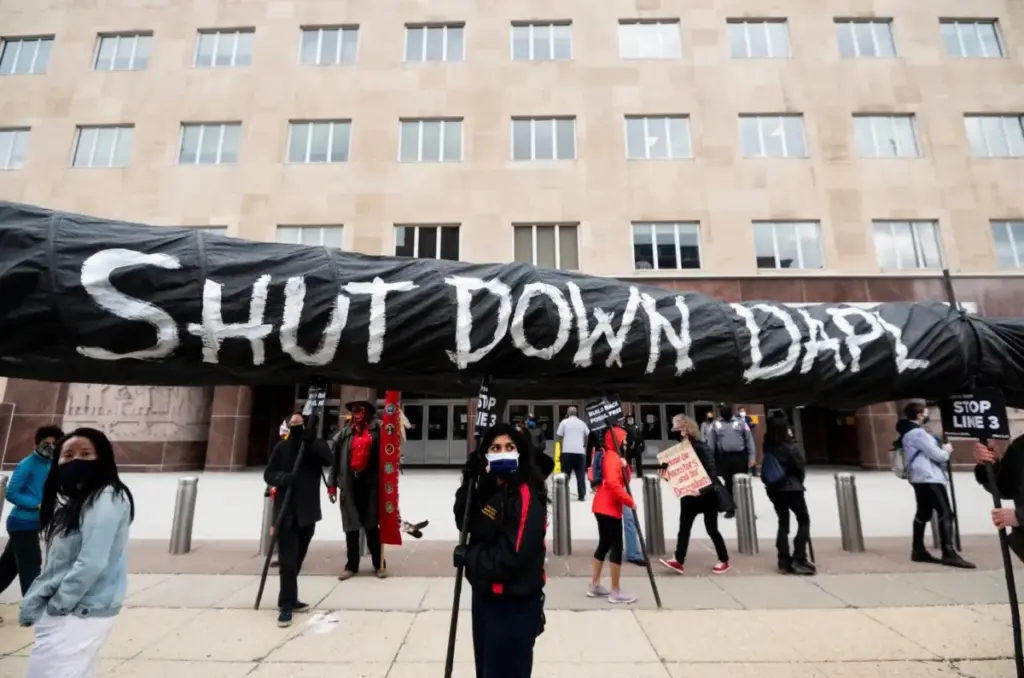
For decades, the American climate movement operated under a relatively straightforward set of shared principles: halt the extraction of fossil fuels, penalize carbon emissions, and block polluting infrastructure wherever it took root. From the fierce, multi-year resistance against the Keystone XL pipeline to local battles opposing fracking sites and liquefied natural gas (LNG) export terminals, environmentalism in the United States was largely defined by a posture of obstruction—a political strategy often summarized as "keeping carbon in the ground."
Today, that unified front has splintered into an ideological civil war. The catalyst is the newly released Bipartisan American Affordability and Jobs Act (BAAJA), a sprawling 400-page Senate bill designed to radically accelerate the deployment of high-voltage transmission lines, utility-scale solar arrays, wind farms, and domestic mining operations. To achieve this unprecedented clean energy buildout, the legislation proposes sweeping revisions to foundational environmental protections, most notably scaling back the National Environmental Policy Act (NEPA), curtailing judicial review timelines, and easing restrictions on fossil fuel infrastructure like natural gas pipelines.
This legislative compromise has forced a bitter reckoning within the climate coalition. On one side stand renewable energy developers, pragmatic policy analysts, and institutional clean-energy advocates who argue that the existential threat of global warming demands a massive, unencumbered infrastructure boom—even if it means swallowing bitter regulatory pills and accepting concessions to the fossil fuel industry. On the other side are grassroots environmental justice organizations, Indigenous nations, and conservation groups who view the bill as a dangerous "Faustian bargain." They contend that BAAJA sacrifices marginalized frontline communities, strips away crucial legal safeguards, and locks in fossil fuel dominance under the guise of green transition.
As Washington braces for a high-stakes lobbying blitz following the fall congressional recess, the debate over BAAJA is exposing a deep and potentially permanent fault line: when the race to save the planet collides with the bedrock laws designed to protect it, which imperative wins?
Detailed Chronology: How the "Four Corners" Struck a Deal
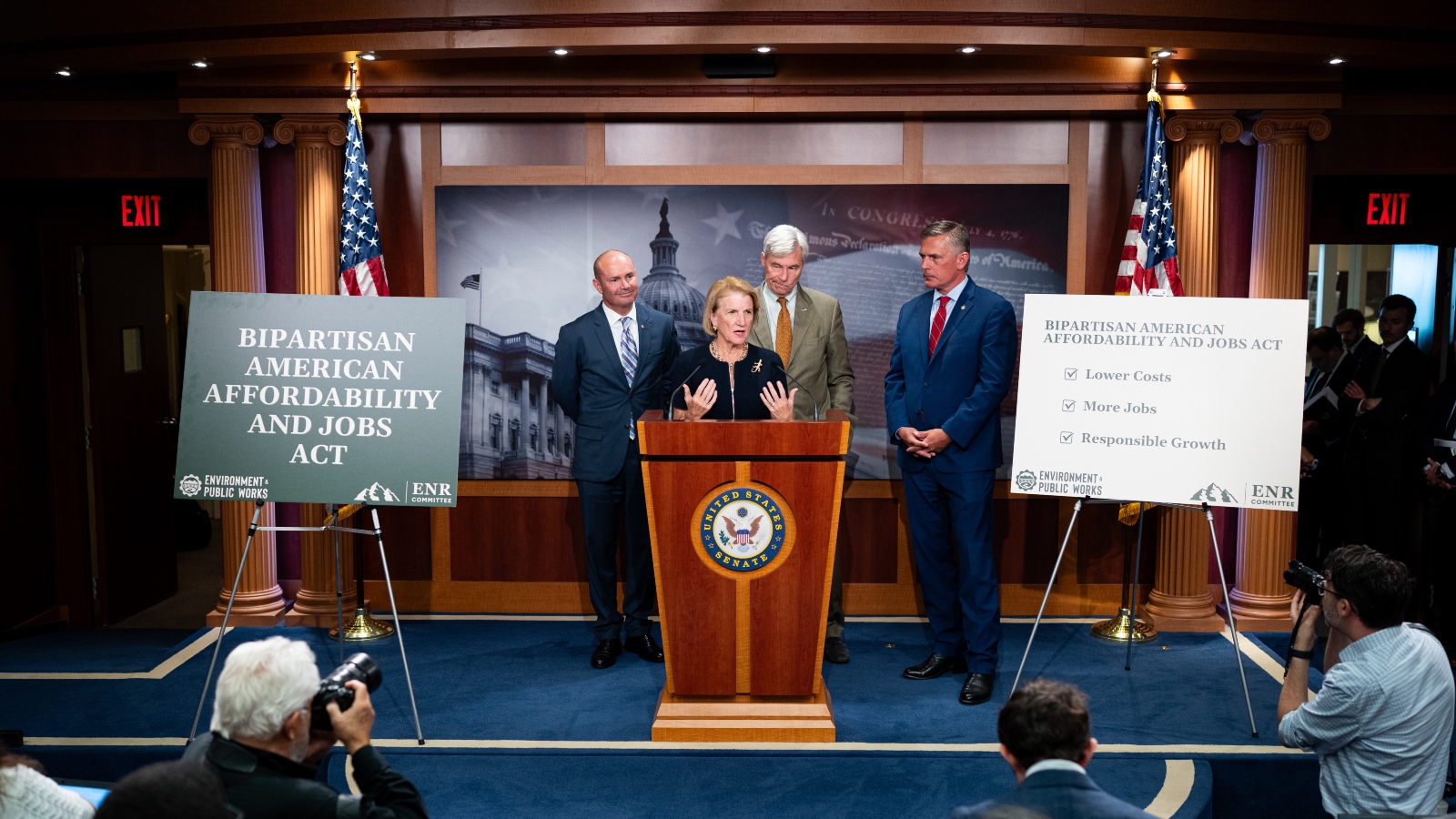
The roots of the BAAJA compromise stretch across years of legislative gridlock, frustrated renewable developers, and volatile shifts in executive branch climate policies. However, the immediate impetus for the bill emerged from months of secretive, high-stakes negotiations between four key lawmakers on Senate committees overseeing energy and the environment—a cohort colloquially known in Washington as the "four corners."
The bipartisan negotiating table brought together two ideological opposites:
The Democratic Climate Hawks: Senator Sheldon Whitehouse of Rhode Island and Senator Martin Heinrich of New Mexico, both staunch advocates for aggressive decarbonization and clean energy deployment.
The Conservative Defenders of Fossil Fuels: Senator Mike Lee of Utah and Senator Shelley Moore Capito of West Virginia, both fierce critics of federal environmental regulations and vocal supporters of traditional energy sectors.
Despite representing diametrically opposed visions for America’s energy future, the four senators managed to forge a compromise just before Congress adjourned for its fall recess. The resulting legislation—a massive, complex document numbering hundreds of pages—attempts to balance long-standing Republican demands for fossil fuel infrastructure and regulatory relief with Democratic priorities centered on regional transmission expansion and clean energy deployment.
The legislative timeline moving forward is fraught with uncertainty. BAAJA has not yet cleared its foundational committee reviews, and its prospects in the House of Representatives remain precarious. Because the Senate departed for the midterm election campaign trail immediately after the text was finalized, the upcoming weeks will transform Capitol Hill into a pressure cooker of heavy lobbying. Supporters within the clean energy trade associations and pragmatic green wings will battle against an aggressive coalition of environmental justice groups, tribal organizations, and skeptical lawmakers vying to amend or kill the bill.
Supporting Context & Metrics: The Mechanics of the Permitting Bottleneck
To understand why traditional environmental safeguards like NEPA have become a primary target for bipartisan reform, one must examine the operational realities of modern clean energy development.
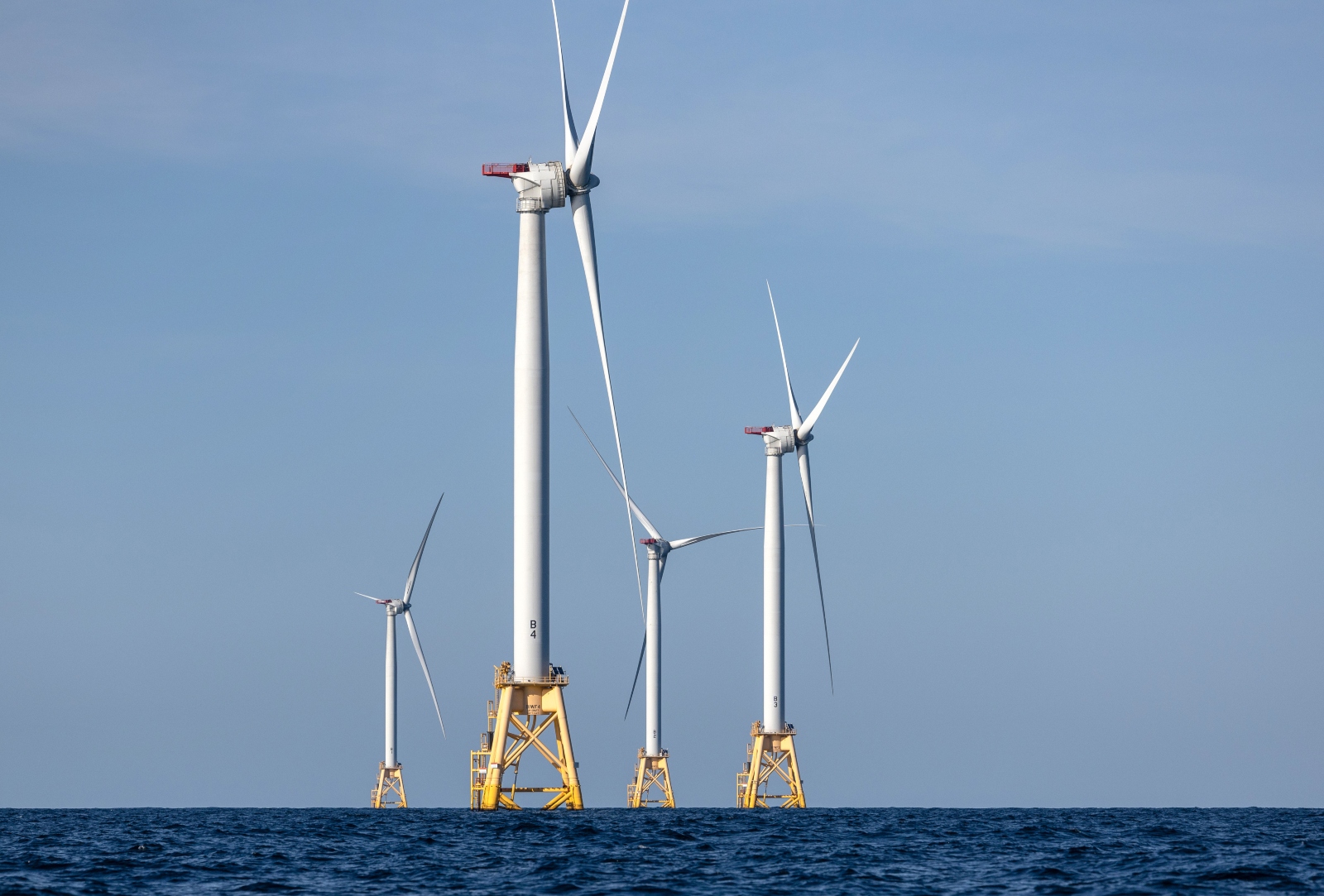
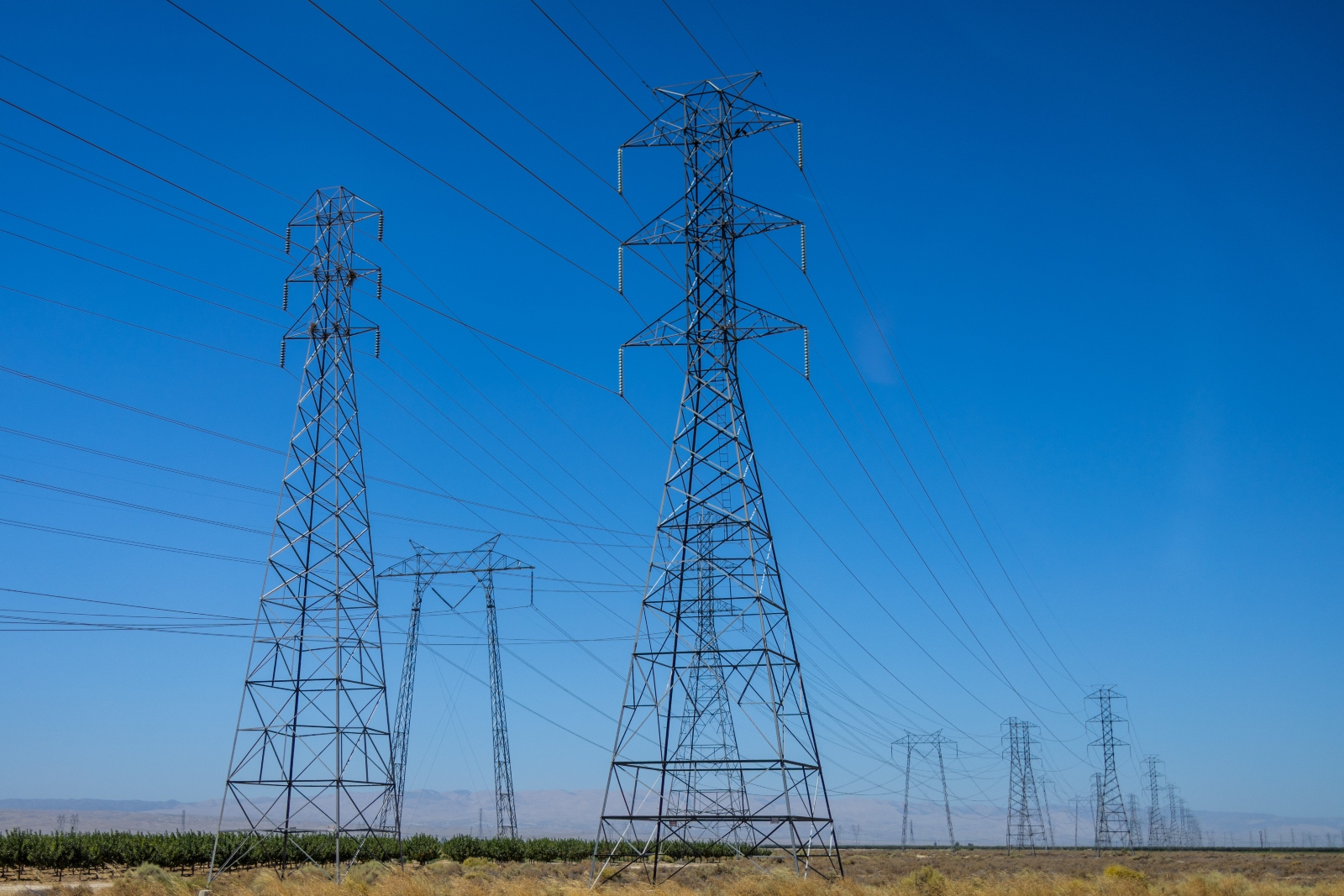
Unlike compact, centralized coal-fired or natural gas-powered plants, utility-scale renewable energy installations require vast expanses of land. Solar farms and wind energy facilities routinely sprawl across thousands of acres, while the high-voltage transmission lines necessary to ferry that electricity from remote, wind-swept plains or desert basins to urban demand centers must stretch across hundreds of miles.
Because these massive footprints frequently intersect with federal lands and navigable waters, they automatically trigger rigorous federal reviews under NEPA. Originally signed into law in 1970, NEPA requires federal agencies to conduct comprehensive analyses of a project’s potential environmental impacts before issuing or withholding construction permits. While NEPA has successfully blocked countless environmentally destructive projects over the past half-century, it has also become a critical bottleneck for the green transition.
The Litigation Quagmire
A comprehensive 2025 study on environmental litigation revealed the staggering extent to which renewable energy projects are bogged down in the courts:
64% of utility-scale solar projects face NEPA-related lawsuits.
38% of wind energy developments encounter similar legal challenges.
31% of high-voltage transmission line initiatives are delayed by litigation.
These lawsuits can be initiated by virtually any interested party and can target almost any conceivable impact. For instance, a coalition of tribal nations and environmental groups successfully sued to challenge the routing of the SunZia transmission line—a critical infrastructure project designed to deliver wind power from the Southwest to Arizona and California—over concerns that it crossed sacred cultural sites. Conversely, opponents of a California wind project delayed construction for years by leveraging pseudoscientific claims that wind turbines generate dangerous electromagnetic fields.
While both projects eventually survived judicial scrutiny, they crossed the finish line years behind schedule, driving up costs and slowing down the decarbonization of the grid.
Proposed Legislative Reforms Under BAAJA
To dismantle these bottlenecks, BAAJA introduces aggressive procedural overhauls:
Shortened Statutes of Limitations: Opponents will now be required to bring NEPA-related lawsuits within 150 days of the conclusion of the review process, a massive reduction from the previous six-year window. Furthermore, plaintiffs must have formally raised their specific objections during the public comment period.
Restricted Judicial Remedies: Courts will no longer be permitted to issue blanket injunctions that pause an entire project while agencies redo flawed analyses. Instead, judges can only order agencies to fix their paperwork while construction continues, with permit revocations restricted exclusively to clear violations of law or imminent threats to "life, property, national security, or defense."
Interregional Transmission Mandates: Addressing what many economists view as the single greatest physical barrier to decarbonization, the bill forces utilities and regional grid operators to plan for large-scale interregional transmission lines. It also grants private developers the authority to build lines directly if traditional utilities fail to do so.
Official Statements and Stakeholder Perspectives
The debate over BAAJA has exposed a stark philosophical schism across the political spectrum and within the environmental community itself.
The Builders’ Case: Pragmatism Over Perfection
Proponents of the legislation argue that the climate crisis leaves no room for absolute purity. With President Donald Trump having spent the past two years systematically dismantling federal climate policies, freezing offshore wind leases, and rolling back emissions standards, pragmatic climate advocates argue that waiting for a political alignment that allows for uncompromised environmental protection is a luxury the planet cannot afford.
"It’s a lot easier to prevent things from being built than to build things, and that applies both to fossil fuels and to renewables," noted Zeke Hausfather, a climate expert at Berkeley Earth and director of climate research at Stripe. "I don’t want us to run roughshod over any community, but we also can’t give everyone a veto for an issue as important as climate change. So ultimately, we need to strike a balance there."
Industry leaders have welcomed the regulatory certainty provided by the bill. Ray Long, president of the American Council on Renewable Energy (ACORE), emphasized the urgency of the moment: "This is a great bill, and it’s a huge step in the right direction. We need to really put this in reality. We need to build a ton of stuff over the next four years, or else we’re gonna have higher [electricity] prices."
The Blockers’ Case: Defending Frontline and Indigenous Communities
Conversely, opponents argue that trading away foundational environmental protections to appease the fossil fuel industry is a catastrophic strategic error. Grassroots organizations and environmental justice advocates point out that expediting permits disproportionately harms low-income communities and communities of color—particularly in regions like the Gulf South—by fast-tracking polluting industrial development right in their backyards.
"That battle between fossil fuels and renewables is not going to necessarily go well for the people of our region, especially if you take those regular protections that we’ve relied on for years away," warned Liz Zepeda, director of federal policy at the Southern Environmental Law Center.
Indigenous groups have voiced particularly fierce opposition, arguing that truncating historic preservation laws will silence tribal voices in major infrastructure decisions. Valerie Grussing, executive director of the National Association of Tribal Historic Preservation Officers, noted that the bill’s shortened timelines and reduced consultation requirements "all but guaranteeing that construction or other activities affecting sacred places can proceed without meaningful Tribal involvement."
Critics also argue that the bill’s broad exemptions for natural gas pipelines and its restrictions on state authority under the Clean Water Act will permanently entrench fossil fuel dominance. Brett Hartl, government affairs director at the Center for Biological Diversity, summarized the core objection: "If you have a dominant industry right now, which is the fossil fuel industry, you are creating a structure that makes it possible for them to lock in their dominance forever."
Future Outlook: The Legislative Horizon and the New Climate Paradigm
As BAAJA heads toward its post-midterm congressional showdown, its ultimate fate remains highly uncertain.
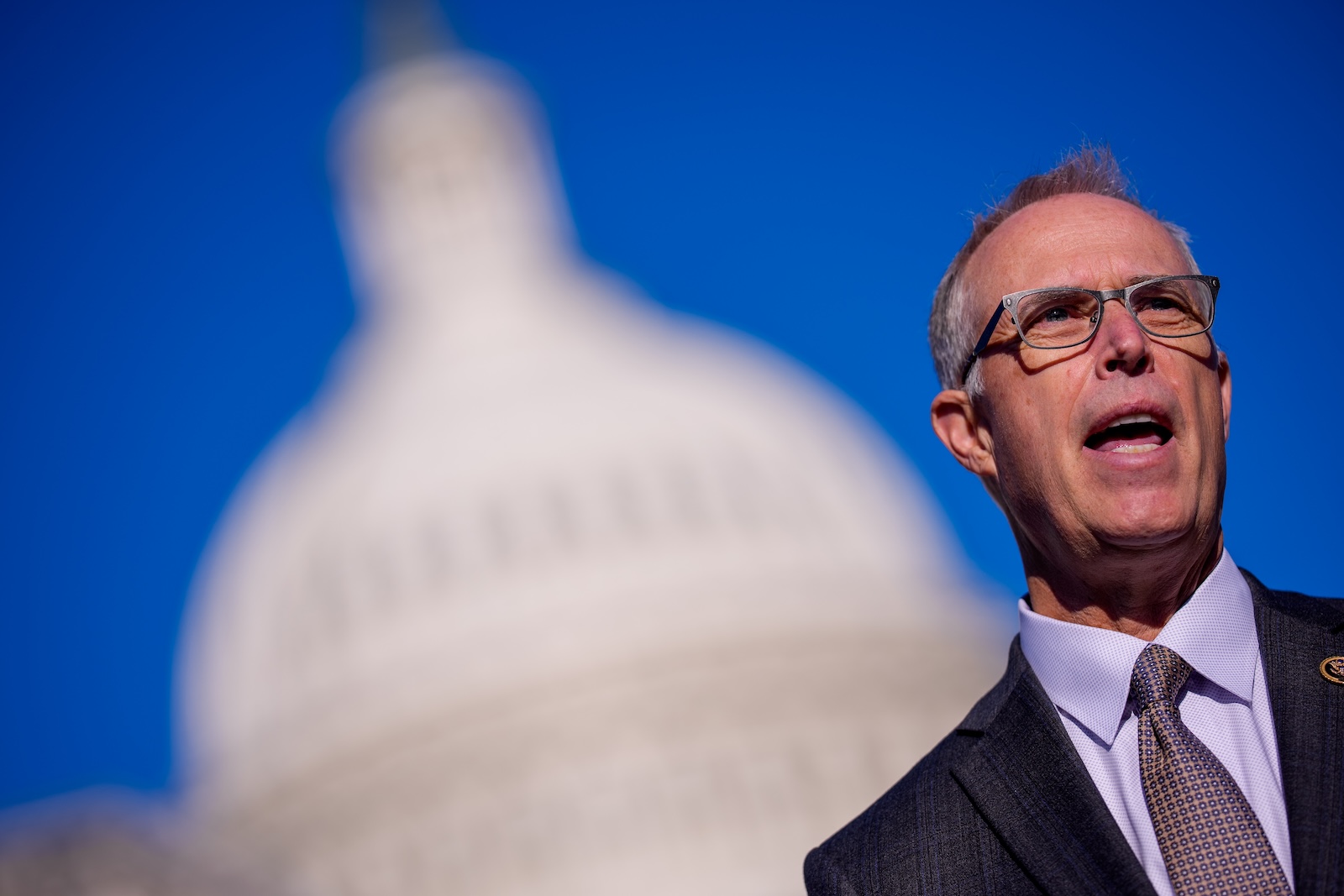
Opposition is coalescing from multiple angles. Progressive lawmakers, such as Representative Jared Huffman of California, have labeled the bill a "Trojan horse" laden with giveaways to the fossil fuel lobby, arguing that Democrats would be better positioned to negotiate a cleaner, more targeted infrastructure reform package if they regain control of the House. Meanwhile, certain conservative lawmakers and major utility companies have expressed misgivings over the federal mandates requiring new interstate transmission lines.
Yet, even among major environmental organizations, reactions are nuanced. While hundreds of smaller grassroots groups have signed letters urging lawmakers to kill the bill, several of the nation’s most influential conservation nonprofits—including the Sierra Club, the Environmental Defense Fund, and the Natural Resources Defense Council—have refrained from outright condemnation, acknowledging that while the legislation raises difficult questions, its transmission and clean energy provisions could deliver historic gains for decarbonization.
Ultimately, the fierce debate surrounding the Bipartisan American Affordability and Jobs Act signals a profound evolutionary shift in the American climate movement. For decades, the movement was anchored by the defensive politics of obstruction—blocking pipelines, halting drilling leases, and using environmental statutes to stall polluting projects. But as renewable energy technologies mature, driving down costs while slamming into the physical bottlenecks of transmission and permitting, a new doctrine is taking root among policy wonks and pragmatists: If you cannot successfully ban fossil fuels out of existence, you must build the clean energy infrastructure capable of replacing them.
Whether that pragmatic gamble represents a visionary masterstroke or a tragic Faustian compromise will be decided not just in the halls of Congress, but across the shifting landscapes of an accelerating energy transition.