

Executive Overview
A profound cultural transformation is quietly sweeping across modern society. As mounting scientific evidence illuminates the detrimental impacts of alcohol on physical and mental well-being, public attitudes toward drinking are experiencing an unprecedented paradigm shift. According to recent data from comprehensive national surveys, the percentage of adults who consume alcohol has dipped to a historic low of 54%. This decline is not merely a temporary trend, but rather a reflection of a deeper, long-term re-evaluation of lifestyle habits, health optimization, and self-care.
Yet, stepping away from alcohol—or even just cutting back—is rarely simple. For generations, the consumption of alcohol has served as the social glue of Western civilization, deeply embedded in everything from Friday-night happy hours and corporate networking events to weddings, holidays, and casual weekend get-togethers. For the millions of individuals who identify as "sober-curious" or mindful drinkers, navigating these environments can feel like traversing a social minefield.
How does one maintain a vibrant social life without caving to peer pressure? How can individuals embrace periods of sobriety without feeling isolated or missing out on the camaraderie that community events provide? To answer these questions, we turn to behavioral insights, expert advice from authors and registered dietetics, and practical strategies designed to take the friction out of cutting back. Ultimately, mindful drinking is not about deprivation; it is about intentionality, autonomy, and redefining what it means to connect.
Detailed Chronology: The Evolution of the Sober-Curious Movement
To understand where we are today, it is essential to trace how society arrived at this cultural pivot point regarding alcohol consumption.
The Era of Ubiquitous Indulgence (Pre-2010s)
For decades, alcohol was universally accepted as a benign, if not beneficial, social lubricant. Marketing campaigns romanticized wine as a heart-healthy nightly ritual, and craft breweries and cocktail bars exploded in popularity across urban centers. During this period, choosing not to drink at a social gathering was often met with suspicion, interrogation, or social exclusion. The burden of proof always lay on the abstainer to explain why they weren’t drinking, with valid excuses usually restricted to pregnancy, religious observance, or recovery from addiction.
The Rise of Structured Abstinence (2015–2020)
The mid-2010s marked the birth of structured, temporal sobriety challenges. Movements like Dry January and Sober October transitioned from fringe wellness experiments into mainstream global phenomena. These structured windows offered individuals a socially acceptable "hall pass" to abstain from alcohol. People could simply state, "I’m doing Dry January," and face little to no social pushback. This period proved crucial because it allowed millions of people to experience the tangible benefits of sobriety—such as better sleep, clearer skin, increased energy, and weight loss—without making a permanent lifestyle declaration.
The Normalization of the Nonalcoholic Market (2020–2024)
The COVID-19 pandemic served as a dual catalyst: while some individuals increased their drinking to cope with stress, a massive counter-movement emerged focused intensely on health optimization and immune support. Concurrently, the beverage industry underwent a revolution. The rise of sophisticated nonalcoholic (NA) craft beers, botanical spirits, and functional mocktails transformed the landscape. Consumers no longer had to choose between alcohol and sugary sodas; they could hold a sophisticated, premium beverage that fit seamlessly into traditional social settings.
The Cultural Tipping Point (2025–Present)
Today, abstaining from alcohol or practicing mindful consumption has graduated from a temporary challenge to a permanent, respected lifestyle choice. Landmark surveys, such as the 2025 Gallup findings, underscore that drinking rates have plummeted to historic lows (54%). The conversation has shifted from "Why aren’t you drinking?" to a growing cultural understanding that personal health boundaries require no explanation at all.
Supporting Context & Metrics: The Science and Sociology of Mindful Drinking
The movement away from alcohol is anchored by hard data and a growing body of clinical research. Understanding the psychological and physiological drivers behind this shift helps contextualize why so many people are rethinking their relationship with the bottle.
The Health Imperative
For years, cultural lore suggested that moderate drinking—particularly red wine—offered cardiovascular benefits. However, contemporary epidemiological studies and meta-analyses have heavily challenged this narrative. Health organizations and medical researchers have increasingly pointed out that there is no safe threshold for alcohol consumption when it comes to cancer risk, cellular aging, and neurological health. Alcohol is a known neurotoxin and carcinogen, linked to increased risks of breast, liver, and colorectal cancers, alongside chronic disruptions to sleep architecture and mental health conditions like anxiety and depression.
The Social Psychology of "Opting Out"
Despite these health revelations, the human brain remains wired for social cohesion. Anthropologically, sharing food and drink is a primary mechanism for building trust and community. When an individual opts out of drinking, they often experience a subtle psychological phenomenon: the fear of missing out (FOMO) and the anxiety of social non-conformity.
Hilary Sheinbaum, author of Going Dry: A Practical Guide To Drinking Less and Living More, notes that social drinking is often viewed as the default setting for human interaction. "Opting out of having a drink can feel as though one is opting out of the group activity that is bringing people together, all because drinking has become the default," Sheinbaum explains. "The reality is that you can still participate in social events and hang out without it."
Official Insights & Expert Strategies
Navigating social situations sober or semi-sober requires a toolkit of practical, low-pressure strategies. Experts emphasize that mindset is everything; viewing alcohol reduction through a lens of punishment or strict dogma almost always leads to burnout.
1. Give Yourself Grace During Challenges
Structured challenges like Dry January are phenomenal tools, but they can occasionally backfire if viewed through a rigid, all-or-nothing lens. If an individual slips up and has a glass of wine at a dinner party, the temptation is often to abandon the entire experiment.
Sheinbaum advises against this catastrophic thinking. "If you slip up and have a drink, or a night of drinking, pick up on abstaining the next day. It doesn’t mean all is lost," she notes. The objective of mindful drinking is not perfection; it is data collection. Evaluating how a single night of drinking impacts sleep quality, mood, and physical energy provides invaluable insights that can reinforce the desire to drink less moving forward.
2. Leverage Sophisticated Nonalcoholic Alternatives
The sensory experience of holding a glass, tasting complex botanicals, and partaking in the ritual of a toast is a massive part of why people enjoy drinking. Fortunately, the modern beverage market caters directly to this psychological need.
"Another way is to try nonalcoholic beverages," Sheinbaum suggests. "No one needs to know what’s in your glass, and you still get to enjoy the same great taste that you would in your favorite beer, cocktail, or wine!" From alcohol-free IPAs brewed with cascade hops to adaptogenic mocktails infused with ashwagandha and L-theanine to promote relaxation, options abound.
3. Redefine How You Socialize
One of the most proactive ways to maintain a rich social life while reducing alcohol intake is to change the venue and nature of the gatherings you attend.
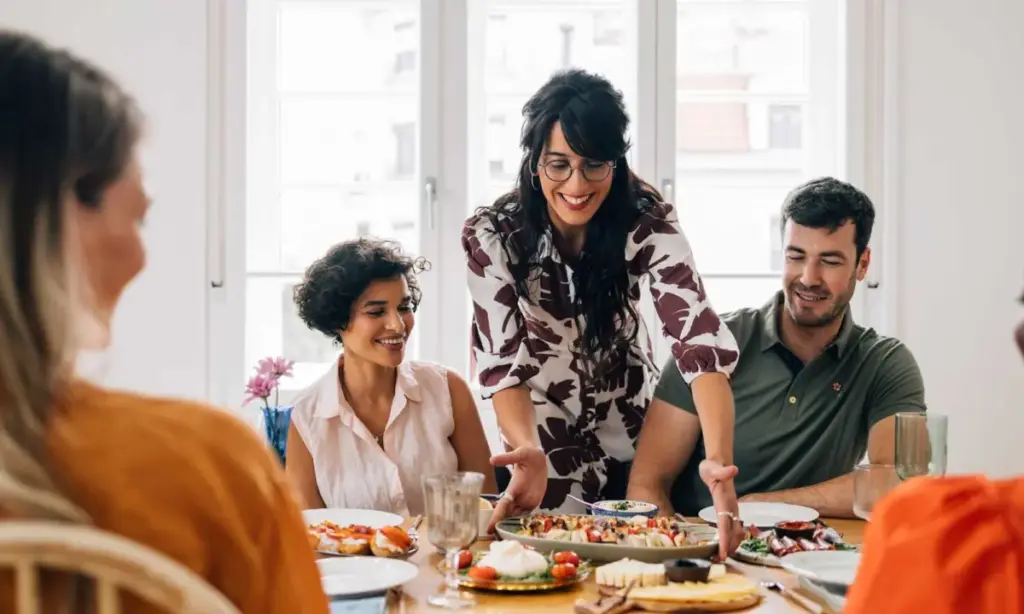
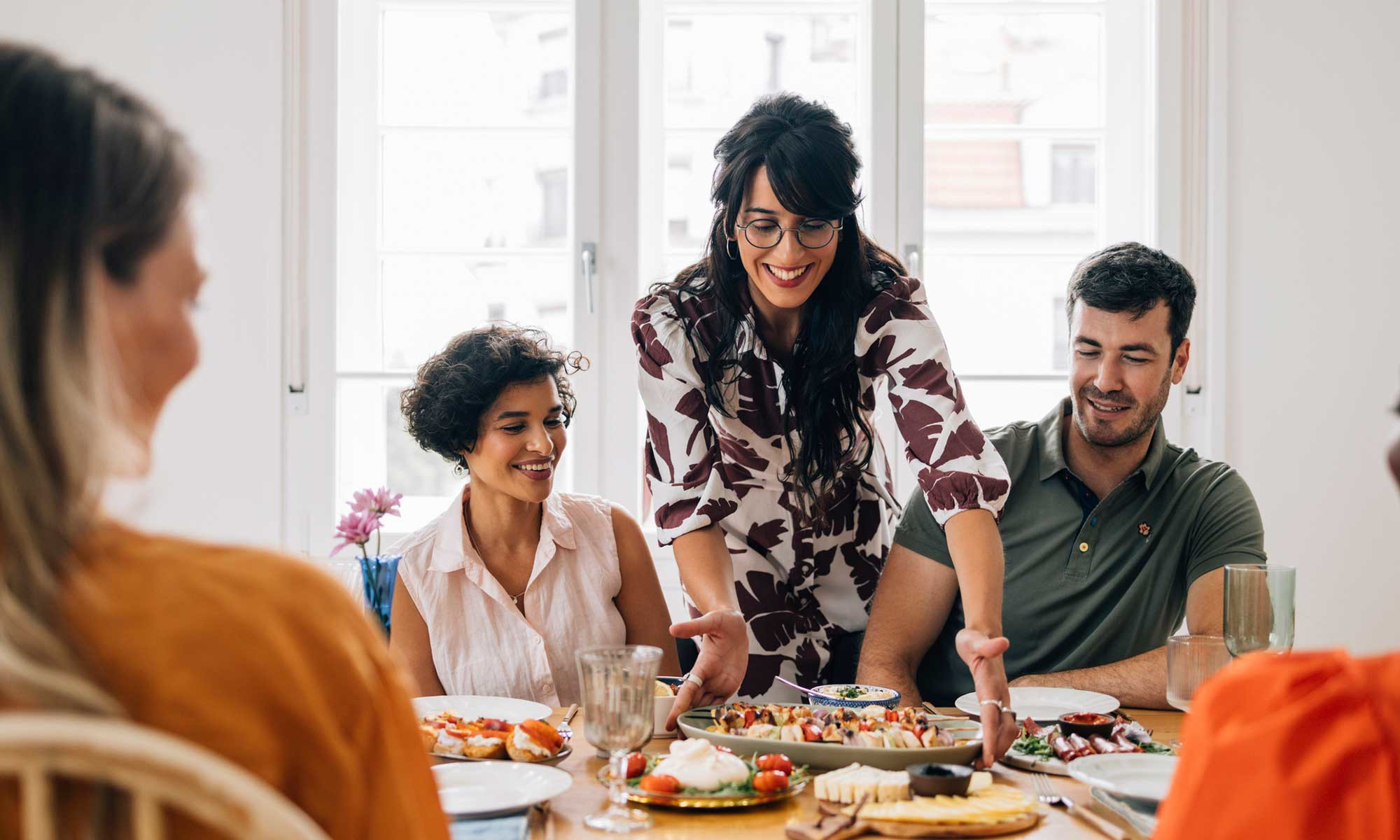
Instead of defaulting to dimly lit bars, late-night clubs, or happy hours centered entirely around alcohol, individuals can take the reins of event planning. By organizing activities rooted in shared hobbies, culinary exploration, or physical movement, the focus shifts naturally from consumption to authentic human connection.

Recommended low-pressure social ideas include:
- Active Outings: Group hikes, cycling excursions, or morning run clubs followed by artisanal coffee.
- Creative Workshops: Pottery classes, painting nights, cooking workshops, or board game evenings.
- Daytime Gatherings: Weekend brunch clubs, museum tours, farmer’s market strolls, or outdoor picnics.
"There are so many things people can do that facilitate bonding without booze," Sheinbaum adds.
4. Foster an Inclusive Environment for Others
Whether an individual is completely sober, participating in a temporary challenge, or simply pacing themselves with water for the evening, everyone plays a role in creating a welcoming social climate.
Etiquette in the modern social sphere demands an end to interrogative questioning. Questions such as, "Why aren’t you drinking?" or "Are you doing a challenge?" can feel alienating, intrusive, or awkward—especially for individuals managing private health issues, medication schedules, recovery, or pregnancy.
Instead, the social standard should be normalized around neutrality. If someone declines a drink, hosts and peers should simply accept the answer and move forward with the conversation without missing a beat. Furthermore, forward-thinking hosts should routinely ensure that high-quality nonalcoholic options—such as sparkling waters, craft mocktails, and premium NA wines—are readily available alongside alcoholic beverages, signaling to all guests that inclusion is a priority.
Future Outlook: The Permanent Reframing of Celebration and Wellness
As we look toward the future, the trajectory of the sober-curious movement indicates that mindful drinking is not a fleeting trend, but a permanent cultural evolution. Much like the shifts we have seen in dietary habits—such as the mainstream acceptance of plant-based eating, gluten-free options, and nutritional transparency—society is demanding alternatives that align with holistic health and longevity.
Bars and restaurants are already adapting by expanding their "zero-proof" cocktail menus, often treating nonalcoholic mixology with the same culinary respect and creativity as traditional mixology. Corporate culture, too, is shifting away from alcohol-drenched happy hours toward daytime team-building events and wellness-oriented perks.
Ultimately, the journey of drinking less shouldn’t feel like an exercise in deprivation or social exile. By adopting a low-pressure mindset, utilizing modern nonalcoholic alternatives, and reshaping how we design our social calendars, individuals can cultivate deeper connections, clearer minds, and vibrant lives—proving definitively that you can toast to good times without compromising your health.



