

Executive Overview
The United States electric vehicle (EV) market is currently experiencing an unprecedented wave of consumer demand, driven by a convergence of falling vehicle sticker prices, aggressive manufacturer incentives, and a looming regulatory deadline. According to comprehensive new market data released by Kelley Blue Book (KBB) and Cox Automotive, US EV sales surged dramatically in July, topping 130,000 units—a notable 20% increase compared to the same period last year.
This dramatic uptick in volume represents the second-strongest month for electric vehicle sales in American history. Behind this surge is a clear psychological and financial catalyst: the impending sunset of the lucrative $7,500 federal EV tax credit, born out of the Inflation Reduction Act (IRA). With the federal administration moving to eliminate these government-backed incentives by October 1, automakers, dealerships, and consumers have entered a high-stakes race against the clock.
To clear out existing inventory and entice hesitant buyers, automakers have piled on record-high incentives, pushing average discounts to unprecedented levels. The resulting price compression has lowered the barrier to entry for prospective EV owners, triggering a short-term consumer buying frenzy that industry analysts predict will make the third quarter of this year the most lucrative in the history of the American electric vehicle market.
Detailed Chronology: How the July Surge Unfolded
To understand the current state of the US EV market, it is vital to trace the compounding market pressures that turned July into a historic month for dealerships across the country.
Early 2025: Accumulating Inventory and Policy Realities
At the beginning of the year, the American automotive landscape was grappling with a delicate balancing act. While consumer interest in sustainable mobility continued its gradual upward trajectory, high interest rates and lingering affordability concerns caused many buyers to pump the brakes. Dealership lots began to accumulate inventory, particularly as legacy automakers and startups alike ramped up production capacities to meet long-term electrification goals.
Simultaneously, political shifts in Washington signaled impending structural changes to clean energy policy. The administration’s stated intent to dismantle or curtail the IRA-era tax credits created an atmosphere of regulatory uncertainty. For months, automotive analysts debated how the market would react if the foundational $7,500 consumer incentive were suddenly stripped away.
June 2025: The First Tipping Point
By June, the writing was on the wall. Industry insiders recognized that the federal government was moving swiftly toward an October 1 expiration date for the tax credits. In response, automotive brands began adjusting their pricing strategies. Kelley Blue Book data indicates that average transaction prices for new EVs began to slide noticeably during this month, dropping 2.2% from May levels as early-moving manufacturers tested the waters with increased promotional financing and localized discounts.

July 2025: The Buying Frenzy Peaks
July became the crucible for the market shift. Facing a strict deadline before the financial safety net of the federal tax credit disappears, automakers escalated their promotional efforts to historic proportions. Incentives reached an all-time industry average of 17.5% of a vehicle’s total purchase price—representing a staggering 40% jump compared to the same timeframe in 2024.
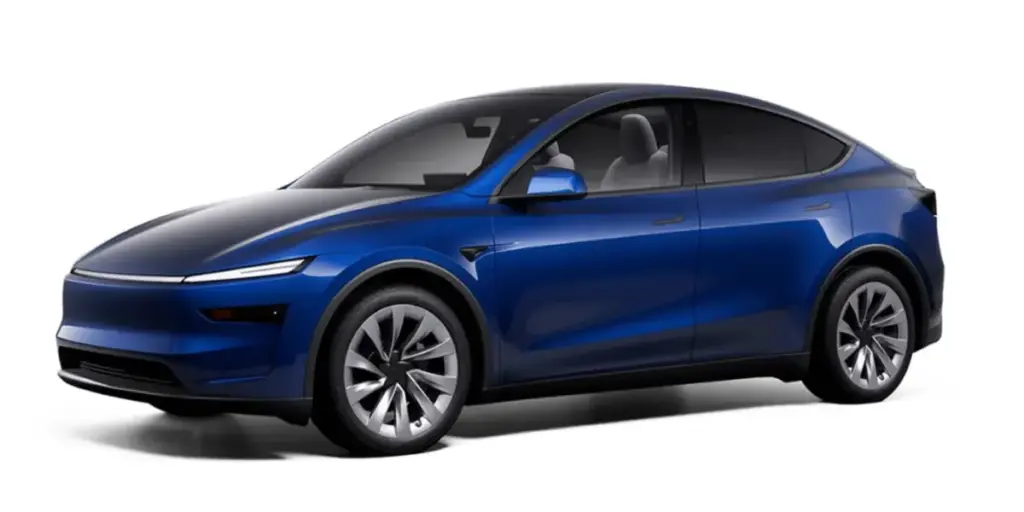
Simultaneously, market leader Tesla implemented aggressive pricing adjustments and sweetened financing terms, pulling more budget-conscious buyers into showrooms. The combined effect of slashed sticker prices and record manufacturer backing unlocked a massive reservoir of pent-up consumer demand. By the end of the month, verified sales figures crossed the 130,000 threshold, cementing July as a watershed moment for the American EV sector.
Supporting Context & Metrics: Decoding the Numbers
The macroeconomic indicators painting the current EV landscape reveal a dramatic shift in vehicle valuation, corporate strategy, and consumer behavior.
The Decline in Average Transaction Prices
Affordability has historically been cited as the primary roadblock to widespread EV adoption. However, July data demonstrated a decisive pivot. The average price for a new electric vehicle dropped to $55,689 in July. This figure represents a 2.2% decrease from June and a 4.2% reduction compared to July of the previous year.
The downward pressure on pricing was spearheaded by industry pioneer Tesla, which recorded an average transaction price of $52,949 last month. This marks a 2.4% drop month-over-month and a sharp 9.1% decline year-over-year. Tesla’s strategy relied heavily on two fronts:
- Direct Price and Incentive Adjustments: Sweetening the purchasing process with promotional interest rates and direct price cuts to stimulate velocity.
- Product Mix Shift: A higher concentration of sales originating from its more affordable volume drivers—the Model 3 sedan and the Model Y crossover—naturally dragged down the brand’s overall average selling price.
Unprecedented Manufacturer Incentives
The most striking metric emerging from the July data is the sheer magnitude of automaker incentives. Across the broader automotive industry, EV-specific incentives climbed to an average of 17.5% of the vehicle’s sticker price.
To put this in perspective, this represents a greater than 40% year-over-year increase in financial backing from manufacturers and dealerships. Brands are willingly compressing their profit margins per vehicle to avoid being saddled with stranded inventory when the $7,500 federal credit expires on October 1. For the average consumer, this translates to immediate savings exceeding $8,000 when combining manufacturer incentives with existing federal provisions.

Sales Volume Milestones
Despite broader economic headwinds and a slow start in certain segments earlier in the year, the July sales figures shattered expectations. Surpassing 130,000 units sold, the month secured its place in the record books as the second-highest sales month for electric vehicles in US history, trailing only behind historic end-of-year holiday peaks.
Official Statements and Industry Analysis
Industry leaders and market intelligence firms have been quick to dissect the implications of July’s remarkable performance. The consensus points toward a heavily manipulated, policy-driven demand spike that has successfully cleared lot space while reshaping consumer expectations.
Stephanie Valdez Streaty, senior analyst at Cox Automotive, provided sharp insight into the psychological mechanics driving the current market:
"The urgency created by the administration’s decision to sunset government-backed, IRA-era EV incentives was expected to create serious demand for EVs in the short term. If last month is any measure, Mission Accomplished."
Valdez Streaty elaborated on the cascading effects these policy changes are having on quarterly performance projections, noting that the momentum shows no signs of slowing down anytime soon:
"July sales were near an all-time monthly record. At this pace, Q3 will be the best ever and then some, as buyers jump in before the big incentives dry up."
Financial analysts echo these sentiments, pointing out that while the policy shift is artificially accelerating near-term sales, it also forces automakers into a high-stakes transition period. Without the cushion of government subsidies, brands will soon be forced to rely entirely on organic cost parity, battery supply chain efficiencies, and appealing feature sets to maintain sales velocity heading into 2026.

Future Outlook: What Lies Beyond the October 1 Deadline?
As the industry charges headfirst through the third quarter, stakeholders are increasingly looking past the October 1 horizon to forecast what the post-subsidy automotive landscape will look like.
The Q3 Super-Cycle
For the immediate future, the trajectory is clear. August and September are projected to mirror—and potentially exceed—the hyper-accelerated sales pace set in July. Dealerships anticipate that fence-sitting consumers, fully cognizant that up to $7,500 in federal savings is about to evaporate, will flood the market to lock in deals before the deadline. Consequently, Q3 is safely tracking to become the most successful quarter in the history of US electric vehicle adoption.
The Post-Subsidy Reality Check
Once the calendar turns past October 1 and the federal tax credits officially sunset, the American EV market will enter uncharted waters. Automakers will no longer be able to lean on government-funded discounts to bridge the price gap between internal combustion engine (ICE) vehicles and battery-electric vehicles (BEVs).
This reality places immense pressure on original equipment manufacturers (OEMs) to accelerate next-generation manufacturing efficiencies, localize battery cell production, and introduce lower-cost models designed from the ground up to be profitable without federal assistance. Startups that have struggled with cash burn may find the post-subsidy environment unforgiving, while established legacy giants with diversified portfolios will need to recalibrate their EV production targets to match organic, unsubsidized demand.
Ultimately, while the impending policy change has successfully achieved a massive short-term clearance of inventory and introduced hundreds of thousands of new drivers to electric mobility, the true test of the EV revolution’s maturity will begin the moment those government incentives officially fade into history.



