

Executive Overview
As the member states of the European Union prepare to finalize their allocations for the upcoming multi-annual financial framework, a fierce battle is quietly unfolding behind closed doors regarding the future of Europe’s seas. At the heart of the debate is a simple yet contentious question: How should billions of euros in public funds be spent on ocean management and fisheries?
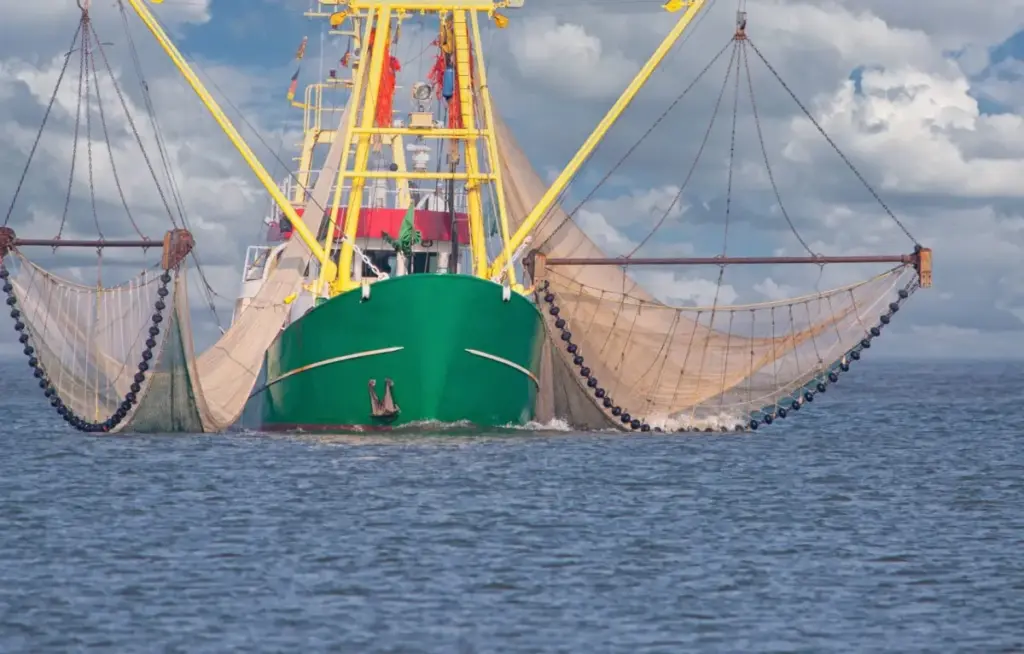
According to marine conservation organizations, including the Blue Marine Foundation, current budgetary trajectories point toward an ecological catastrophe. The vast majority of the EU’s ocean budget continues to flow toward large-scale industrial fishing fleets, often with little regard for the profound environmental degradation they leave in their wake. Meanwhile, low-impact, small-scale artisanal fishers—who make up the overwhelming majority of Europe’s active fleet—are sidelined, receiving only a fraction of the financial support they need to survive.
Even more alarming are prospective policy shifts currently under consideration by national governments. Rather than pivoting toward sustainability, member states are drafting National and Regional Partnership Plans (NRPPs) that could funnel unprecedented amounts of public money into building new industrial vessels and modernizing aging mega-trawlers. This intensification of financial backing threatens to push already overexploited fish stocks past the point of no return, flying in the face of scientific warnings that only 28 percent of monitored European fish stocks are currently in a healthy biological state.
This investigative report examines the mechanics of EU fisheries subsidization, the profound economic and ecological imbalances baked into the current budgetary framework, and the narrow window of opportunity that citizens and policymakers have to alter course before the next budget is locked in.
Detailed Chronology of the EU Budgetary Process
To understand how Europe’s marine policies are funded, one must trace the complex, multi-year timeline of the European Union’s budgetary negotiations. The distribution of funds to the maritime and fisheries sectors is not an isolated policy choice; it is embedded within a sprawling financial architecture that dictates spending across all member states for periods typically spanning seven years.
Phase 1: High-Level Macro Budgeting
Years before individual funds are disbursed to local ports, the European Commission, the European Parliament, and the Council of the European Union negotiate the overarching Multiannual Financial Framework (MFF). Within this colossal economic blueprint, specific envelopes are carved out for agricultural, regional, and maritime policies—including the European Maritime, Fisheries and Aquaculture Fund (EMFAF).
Phase 2: Translating Policy into National Action
Once the overarching MFF and associated fund regulations are established, the burden of implementation shifts decisively to the national capitals. Member states are tasked with drafting their National and Regional Partnership Plans (NRPPs). These strategic programming documents outline precisely how a given country intends to deploy its allocated EU funding alongside national co-financing.
It is during this drafting phase—happening right now—that the most critical lobbying and political maneuvering takes place. Ministries of finance, agriculture, and environment collaborate (or frequently clash) to determine whether funds will be directed toward ecological restoration, green technological transitions, or the expansion of commercial fishing capacity.
Phase 3: The Threat of Capacity-Boosting Subsidies
Historically, the European Union has maintained strict warnings against harmful subsidies that increase fishing capacity. However, as member states face economic pressures, domestic lobbying from powerful industrial fishing syndicates has intensified. Draft versions of upcoming NRPPs reveal a troubling trend: national governments are increasingly looking for loopholes to channel public subsidies into the construction of new vessels and the engine upgrades of existing industrial fleets.
Environmental watchdogs warn that if these provisions are approved by the European Commission, it will reverse decades of painful reforms designed to align fleet capacity with actual marine biological limits.
Supporting Context & Metrics: The Anatomy of an Imbalance
The debate over EU fisheries subsidies is ultimately a debate over numbers. A deep dive into the financial data reveals stark asymmetries in how taxpayer money is currently distributed across the maritime sector.
The Industrial vs. Artisanal Divide
Europe’s commercial fishing fleet is far from monolithic. On one hand, there is the small-scale, artisanal coastal fleet—vessels that typically use passive gear, operate close to the shore, and have a minimal ecological footprint. These small-scale fishers account for a staggering 76 percent of the total EU fishing fleet by vessel count. Yet, despite representing the backbone of coastal cultural heritage and local employment, this demographic receives a mere 20 percent of available ocean and fisheries funding.
Conversely, large-scale industrial vessels—capable of sweeping vast swathes of the ocean floor, utilizing high-tech sonar, and processing massive tonnages of marine life at sea—capture the lion’s share of the financial pie. These industrial operations benefit disproportionately from fuel tax exemptions, vessel modernization grants, and operational subsidies that artificially lower their operating costs, making it nearly impossible for sustainable, small-scale operators to compete on an even playing field.
The Conservation Funding Deficit
Perhaps the most damning metric in the current EU budget architecture is the pitiful allocation dedicated to environmental healing. Marine biologists and economists frequently point to a profound institutional imbalance: for every billion euros of subsidies granted from the ocean budget, the European Union allocates a paltry 7 percent toward the actual protection and restoration of the marine environment.
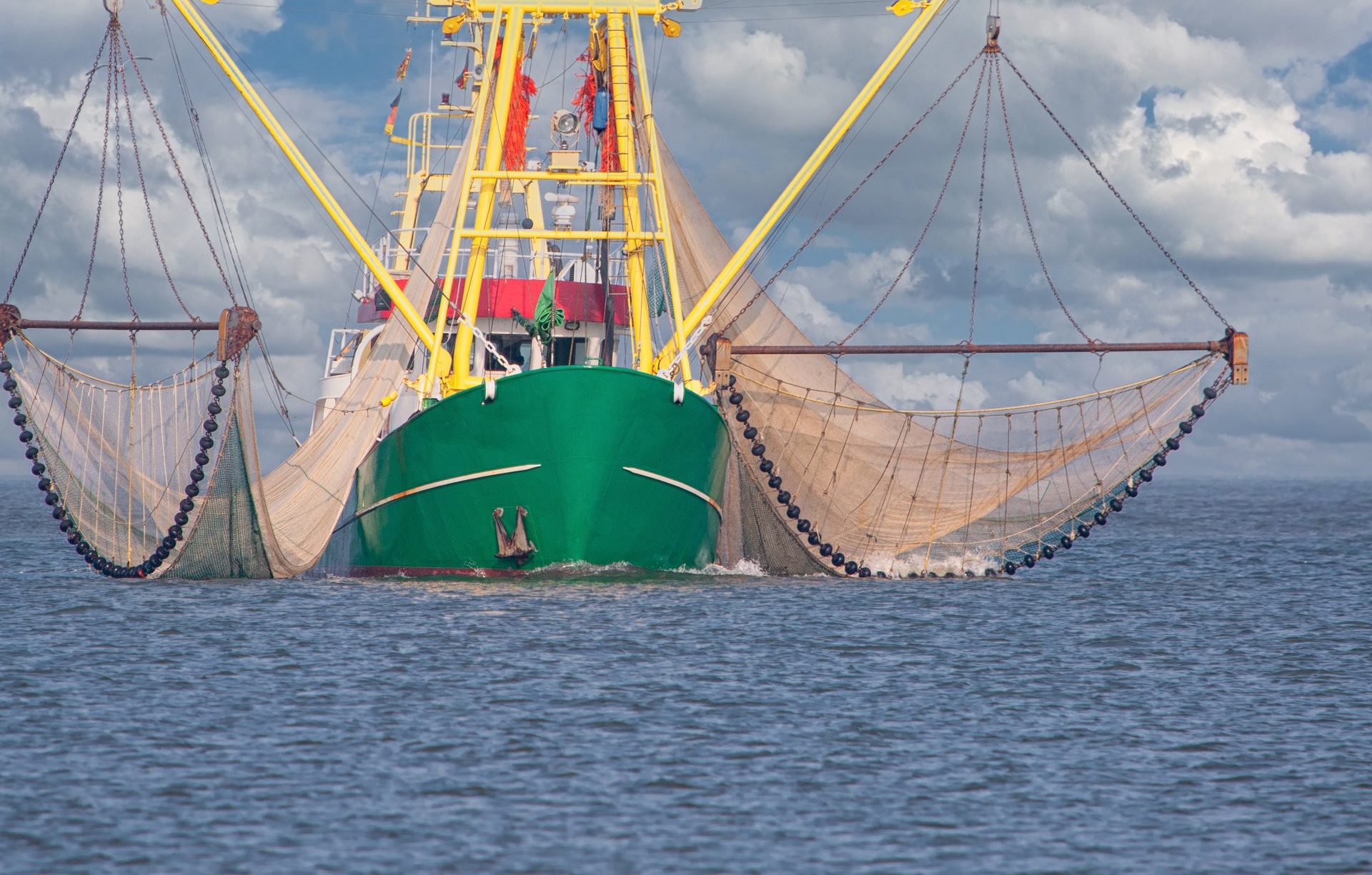
This severe underfunding of marine protected areas (MPAs), coastal habitat restoration, and scientific stock assessments stands in stark contrast to the billions pumped into extraction. Critics argue that subsidizing the extraction of marine resources while starving the mechanisms designed to protect them is the equivalent of accelerating a vehicle toward a brick wall while disabling the brakes.
A Biological Crisis in European Waters
The consequences of this financial imbalance are written clearly in the scientific data. According to recent assessments by marine scientists and fisheries bodies, only 28 percent of Europe’s assessed fish stocks are currently in a healthy biological state.
The remaining 72 percent are either overfished or suffering from depleted reproductive capacity. Industrial fishing pressure, turbocharged by public subsidies, continues to outpace the natural recovery rates of marine ecosystems. Species that were once abundant fixtures of European cuisine are now locked in precarious population cycles, threatening not only marine biodiversity but also the long-term economic viability of the seafood industry itself.
Official Statements and Stakeholder Perspectives
As the pressure mounts on national governments to finalize their National and Regional Partnership Plans, stakeholders from across the political and environmental spectrum are voicing their concerns.
Marine Conservationists and NGOs
Environmental organizations have pulled no punches in their assessment of the current budgetary proposals. In recent advocacy campaigns, coalitions of marine experts have characterized the potential funding shifts as a "betrayal of future generations."
"Member states are standing at a historic crossroads," noted a spokesperson for the Blue Marine Foundation. "By choosing to pour public money into the construction of new industrial vessels, governments are actively subsidizing the depletion of our shared seas. We are rewarding the very practices that have driven 72 percent of European fish stocks into critical condition. This must change, and it must change at the national level through the NRPPs."
Conservation groups are urging citizens to intercept this policy cycle by directly engaging with their respective fisheries, environment, and finance ministries. They argue that transparency has historically been lacking in the drafting of NRPPs, leaving the door wide open for powerful industrial lobbies to write policy behind closed doors.
The Artisanal Sector
Small-scale fishers have expressed deep frustration over their marginalization. Representatives of coastal fishing communities argue that national governments consistently prioritize the export-driven, high-volume industrial sector over sustainable local economies. Artisanal fishers point out that they provide lower-carbon, higher-quality seafood with far greater socio-economic distribution in coastal regions, yet they are perpetually starved of capital while industrial giants reap state-backed windfalls.
National Governments and Industry Lobbies
On the other side of the debate, representatives of industrial fishing associations defend the need for modernization subsidies. Industry stakeholders argue that financial support is vital to upgrade safety equipment, improve fuel efficiency, and reduce the carbon intensity of older vessels. Without state and EU backing, proponents of industrial subsidies claim that European fleets will lose their global competitiveness against foreign actors who face fewer environmental and labor constraints.
However, environmental economists counter this argument by pointing out that modernizing a vessel to make it more efficient at catching fish simply accelerates the depletion of an already empty ocean. True green modernization, they argue, should involve transitioning away from destructive gear types like bottom-trawling, rather than building bigger, more efficient engines to catch the last remaining fish.
Future Outlook: How to Turn the Tide
The window to influence the next generation of EU ocean spending is alarmingly narrow. Because the National and Regional Partnership Plans are currently being drafted and negotiated across European capitals, decisions made in the coming weeks will lock in maritime policy for years to come.
Key Demands for the Next NRPPs
Marine conservation advocates have outlined three non-negotiable pillars that citizens and policymakers must demand be integrated into every national and regional funding plan:
- An End to Capacity-Enhancing Subsidies: National governments must explicitly reject any use of public funds for the construction of new industrial fishing vessels or the engine upgrades of existing mega-trawlers that increase fishing mortality.
- Fair Financial Support for Artisanal Fleets: The distribution of funds must be rebalanced, ensuring that small-scale, low-impact coastal fishers receive a fair share of financial support to aid their transition toward fully sustainable operations.
- Massive Scaling of Ocean Protection: Funding allocations must be fundamentally restructured to ensure that a significant, majority percentage of ocean budgets is redirected toward marine habitat restoration, the effective management of Marine Protected Areas (MPAs), and independent scientific monitoring.
The Power of Public Engagement
Ultimately, the trajectory of European fisheries policy will not be decided solely by bureaucrats and industry lobbyists; it can be shaped by public pressure. Environmental organizations are calling on concerned citizens across the EU to make their voices heard by sharing awareness campaigns, engaging with educational videos detailing the subsidy crisis, and writing directly to their national Ministers of Finance, Environment, and Fisheries.
The ocean remains one of our planet’s most vital life-support systems, regulating climate, producing oxygen, and sustaining billions of lives. Whether European public funds will continue to finance its destruction—or finally be put to work in its defense—depends entirely on the choices made in national ministries today.



