

Executive Overview
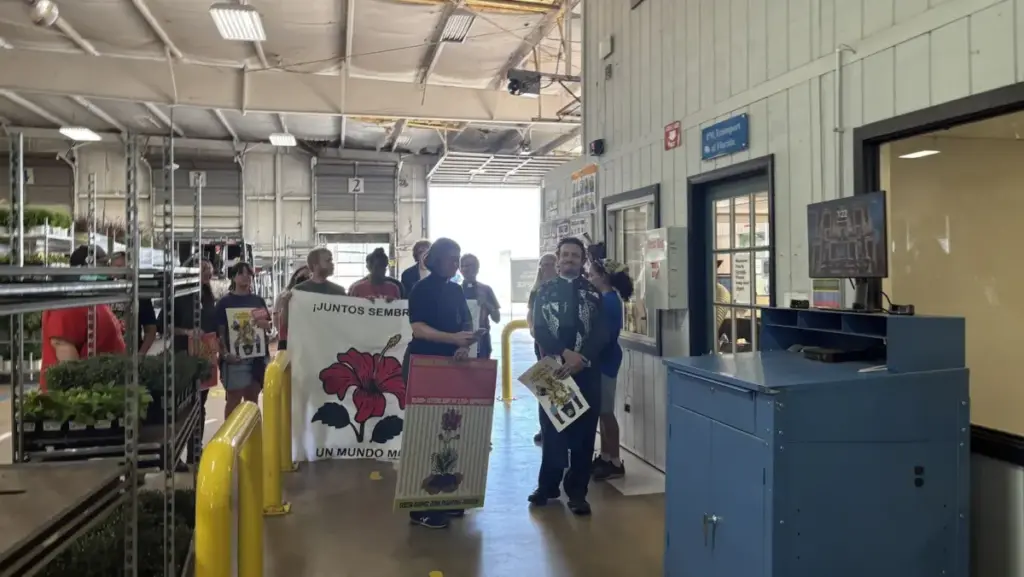
As the global appetite for indoor greenery surges, the sprawling greenhouses supplying America’s homes conceal a simmering crisis. On the day after Labor Day, a coalition of labor rights activists, faith leaders, and workers marched past the security gates of a massive plant nursery in Leicester, North Carolina, just outside Asheville. Their objective: to deliver a binding petition to representatives of Costa Farms, the world’s largest grower of indoor houseplants.
This demonstration was not an isolated event. It formed part of a coordinated, multi-state day of action orchestrated by WeCount, a worker-led labor and human rights organization based in South Florida. The campaign, titled "Planting Justice," targets all five U.S. cities where Costa Farms operates sprawling nurseries. The central demand is straightforward yet fiercely contested: that corporate agricultural giants guarantee outdoor and greenhouse workers baseline protections against extreme heat—specifically, guaranteed access to clean water, shaded rest areas, and paid heat-stress recovery breaks.
Against a backdrop of stalling federal safety regulations, state-level preemption laws that outlaw local heat standards, and a warming planet driven by human-caused climate change, the battle over nursery working conditions has reached a boiling point. Agricultural workers, who are explicitly excluded from federal collective bargaining protections under the National Labor Relations Act (NLRA), face occupational heat-related mortality rates more than 35 times higher than workers in other industries. With legislative avenues narrowing, labor organizers are turning to a model of worker-driven social responsibility, demanding that corporate growers and major retail giants like Home Depot and IKEA take accountability for the human cost of the plants they sell.
Detailed Chronology: A Day of Action in the Blue Ridge Mountains
The late-summer sun beat down mercilessly on the rows of steamy greenhouses in Leicester, North Carolina, turning the enclosed spaces where thousands of tropical houseplants mature into humid microclimates. Inside, workers moved quietly through the aisles, tending to pothos, monsteras, and ferns destined for the retail shelves of major big-box stores. They paused intermittently, casting curious yet cautious glances at the small band of outsiders marching past the property lines.
Among the leaders of the delegation was Oscar Rozo, an Episcopal clergy member who dedicates his ministry to supporting Spanish-speaking immigrant workers across western North Carolina. Carrying a petition signed by community members and labor advocates, Rozo and his fellow activists entered the administration building to confront Costa Farms management directly.
"We’re part of the community," Rozo declared to the managers present, emphasizing the deep historical ties between agricultural labor and the regional economy of Asheville. "The nursery industry has been part of Asheville’s economy for generations, and the people who sustain it deserve basic human dignity."
The confrontation in North Carolina mirrored events occurring hundreds of miles to the south. Earlier that same day, Oscar Londono, co-executive director of WeCount, helped lead a nearly identical petition delivery at a Costa Farms nursery in Apopka, Florida.
"We consider this a very historic day of action," Londono told supporters and press after leaving the facility. "And we know this is only the beginning."
As the delegations finished presenting their demands, management at the Leicester facility requested that the activists vacate the premises. The group complied, delivering the petitions and exiting the property peacefully, though the broader confrontation had only just begun. The action marked the formal rollout of WeCount’s national strategy to hold the top tier of the ornamental plant industry accountable.

Supporting Context & Metrics: The Escalating Crisis of Occupational Heat
The urgency behind the Planting Justice campaign is rooted in a sobering statistical reality: extreme heat is the deadliest form of extreme weather in the United States, claiming more lives annually than hurricanes, floods, and tornadoes combined. Yet, official mortality figures vastly underreport the true scope of the crisis. A comprehensive two-year investigation by Boston University and NPR revealed that systemic failures in tracking and reporting heat-related workplace fatalities mask an invisible epidemic of thermal injuries.
For greenhouse and nursery workers, the hazards are particularly acute. While the Biden administration’s Occupational Safety and Health Administration (OSHA) previously initiated steps toward establishing a federal heat safety standard—a comprehensive set of rules mandating water, shade, and rest breaks for outdoor workers nationwide—those regulatory efforts have since stalled out amid intense political pressure and congressional pushback.
At the state level, the regulatory landscape is actively hostile to worker protections. In South Florida, where WeCount is headquartered, advocacy groups previously spent years campaigning for a municipal heat standard in Miami-Dade County. Local projections indicated that extreme heat exposure deaths in the county would spike by 600% during prolonged heat waves. However, those municipal efforts were abruptly dismantled in 2024. Following intense lobbying from business and agricultural coalitions, Florida Governor Ron DeSantis signed legislation preempting local governments from enacting their own occupational heat standards. DeSantis defended the preemption law by asserting that fragmented local regulations would cause "a lot of problems" for employers.
Deprived of municipal and federal safeguards, agricultural workers find themselves in an extraordinarily vulnerable regulatory vacuum. Plant nursery workers handle greenery directly, yet because they are classified under agricultural labor, they are categorically excluded from the right to unionize and collectively bargain under federal labor law. Consequently, research indicates that agricultural laborers are more than 35 times more likely to die from heat-related illnesses than workers in standard industrial or commercial sectors.
Data compiled by WeCount underscores the pervasive nature of these dangers. An industry-wide survey of houseplant nursery workers revealed that 86% of respondents had experienced dangerous health incidents on the job, including acute heat exhaustion, pesticide exposure, and preventable workplace accidents. Furthermore, over two-thirds of surveyed workers reported being entirely denied standard rest breaks and mandated days off.
Compounding these hazards is the precarious legal status of many greenhouse laborers. A significant portion of the workforce relies on H-2A guest worker visas or operates entirely undocumented. This structural dependency leaves workers with virtually zero legal recourse; tied closely to employer-provided housing and fearing immediate deportation or termination, they are effectively silenced when reporting safety violations.
Official Statements and Industry Perspectives
Faced with mounting public scrutiny and direct labor activism, Costa Farms has vigorously defended its operational record, asserting that its workplace safety protocols meet or exceed industry standards.
In a formal statement provided to journalists, Ariana Cabrera de Oña, the senior vice president, general counsel, and head of human resources at Costa Farms, emphasized the company’s proactive health and safety measures. "We have a full-time, on-site nurse with a functional medical clinic, and our robust heat protection policy is aligned with the proposed OSHA heat safety rules," Cabrera de Oña stated.
According to company documentation and external case studies, Costa Farms implemented enhanced safety protocols following the disruptions caused by Hurricane Helene in North Carolina. These measures include mandatory daily five-minute safety briefings where workers and supervisors review potential occupational hazards, including daily extreme weather forecasts. Furthermore, the company asserts that when specific "wet bulb" temperature thresholds are reached—gauging the combined effects of ambient temperature, humidity, and radiant heat—operations trigger mandatory interventions, including increased break frequencies and the deployment of additional hydration stations.
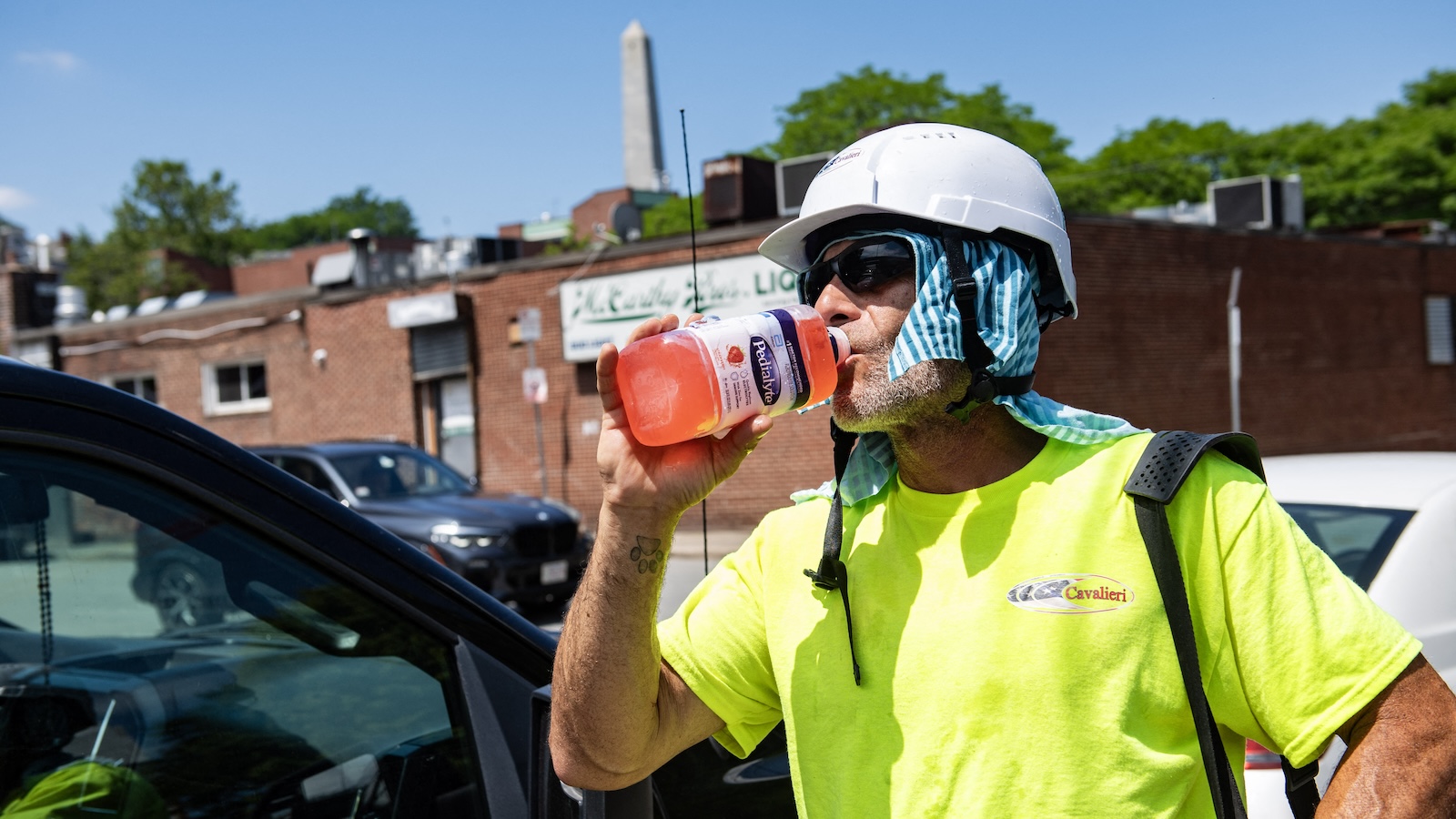
However, labor organizers and workers contend that corporate policy statements on paper often fail to reflect the grim realities on the shop floor. Alejandro Gonzalez, a plant nursery worker originally from Guatemala who spoke at a Florida labor rally, described working conditions that starkly contrasted with corporate assurances. Speaking passionately in Spanish, Gonzalez noted that summer temperatures inside unconditioned work zones frequently surge past 110 degrees Fahrenheit.
"They don’t give us cold or clean water," Gonzalez testified. "They don’t provide any breaks or shade."
WeCount leadership echoes these concerns, noting that while corporations report providing hydration stations, workers across the houseplant industry frequently encounter severe logistical failures. Workers have reported being supplied with water that carries a strong chemical odor or discovering mold growing inside neglected communal water coolers.
Future Outlook: The Worker-Driven Social Responsibility Model
To bridge the gap between corporate compliance and actual workplace safety, the Planting Justice campaign is modeling its strategy on one of the most successful labor frameworks in modern American history: the Fair Food Program (FFP).
Launched in 2011 by the Coalition of Immokalee Workers in Florida, the FFP is widely regarded as the gold standard for agricultural labor rights in the United States. Utilizing a model known as worker-driven social responsibility (WSR), the program relies on legally binding agreements between farmworkers, growers, and major retail purchasers. Under this framework, participating buyers agree to purchase produce exclusively from growers who adhere to a strict human rights code of conduct, while consumers exercise their purchasing power to reward ethical supply chains. The framework is continually updated by the workers themselves; for instance, workers recently secured a permanent right to year-round access to electrolyte-enhanced beverages and nutritional supplements.
WeCount aims to replicate this success within the ornamental houseplant sector. The core demand of the Planting Justice campaign is for Costa Farms and other major agricultural producers to sign a binding code of conduct. The proposed agreement is designed around straightforward, practical mandates:
- Comprehensive education for both workers and supervisors regarding the early physiological signs of heat stress and illness.
- Guaranteed, unhindered access to clean drinking water, shaded resting areas, and paid cool-down breaks.
- Transparent, worker-monitored systems for reporting and swiftly responding to thermal hazards on the job.
Crucially, the campaign’s strategy extends beyond primary producers. WeCount is actively petitioning retail giants and home improvement behemoths—such as The Home Depot and IKEA, which source massive volumes of ornamental plants from suppliers like Costa Farms—to adopt ethical sourcing policies. Organizers are demanding that these consumer-facing corporations restrict their supply chains exclusively to growers who formally endorse and comply with the worker-drafted code of conduct.
As summer temperatures continue to climb year after year due to accelerating climate change, labor advocates emphasize that relying on voluntary corporate philanthropy or stalled legislative reform is no longer a viable option. By mobilizing directly at nursery gates and enlisting the collective purchasing power of everyday consumers, the Planting Justice campaign aims to fundamentally rewrite the rules governing agricultural labor—ensuring that the green life filling American homes is no longer grown at the devastating expense of human lives.



