

Executive Overview
Thousands of kilometers apart, separated by vast oceans, towering mountain ranges, and entirely distinct cultural paradigms, a fishing community in Thailand, Indigenous Peoples deep within the Amazon rainforest, women fish processors in Senegal, and Sámi youth in the frozen expanse of northern Finland share a common, urgent reality. While the geographical pressures placed upon their territories manifest differently—ranging from destructive industrial agriculture and sprawling infrastructure to aggressive oil exploration, industrial overfishing, localized pollution, and the accelerating impacts of climate change—the underlying narrative remains strikingly uniform.
Lands and waters that have sustainably nurtured and sustained these communities for generations are continually exploited by corporate entities driven by short-term profit, often with an egregious disregard for the human lives and cultural heritages deeply rooted in those ecosystems. Yet, a powerful counter-narrative is unfolding across these very same frontline territories. Communities are standing their ground with unwavering resilience. They are actively defending their fundamental rights, mounting fierce resistance against destructive industrial projects, and drawing upon centuries of ancestral knowledge alongside sophisticated, localized governance systems to care for the lands they call home.
As the international community prepares for the upcoming United Nations Biodiversity Conference (CBD COP17) in Yerevan, Armenia, the global conversation surrounding conservation faces a critical reckoning. Governments will gather from October 19th to 30th to conduct the first comprehensive global review of how nations are implementing the Kunming-Montreal Global Biodiversity Framework—the landmark agreement adopted in 2022 aimed at halting and reversing biodiversity loss by 2030. However, as this review approaches, a glaring omission continues to plague international environmental policy: true biodiversity protection cannot be decoupled from the rights, traditional knowledge, and self-determined ways of life of the Indigenous Peoples and local communities who serve as the planet’s most effective stewards.
Detailed Chronology: A Global Mosaic of Resistance and Stewardship
To understand the stakes of the upcoming COP17 negotiations, one must examine the chronological progression of localized ecological defense over the past decade, where grassroots resistance has consistently outpaced bureaucratic environmental policy.

2015–2018: Direct Action on Land and Sea
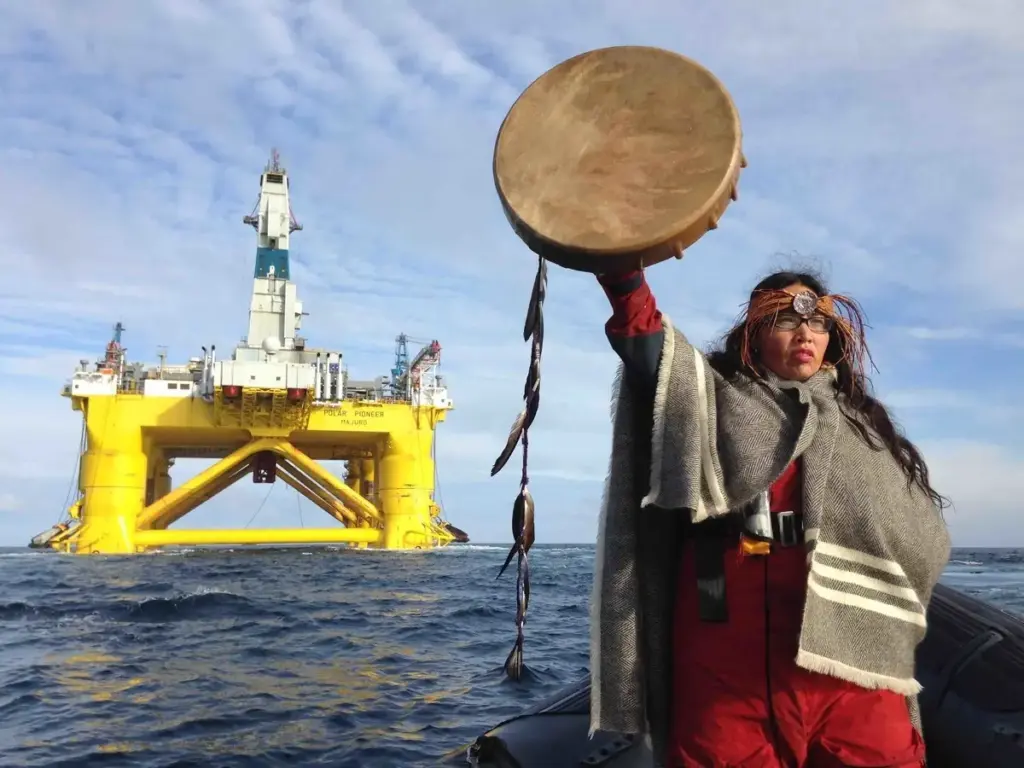
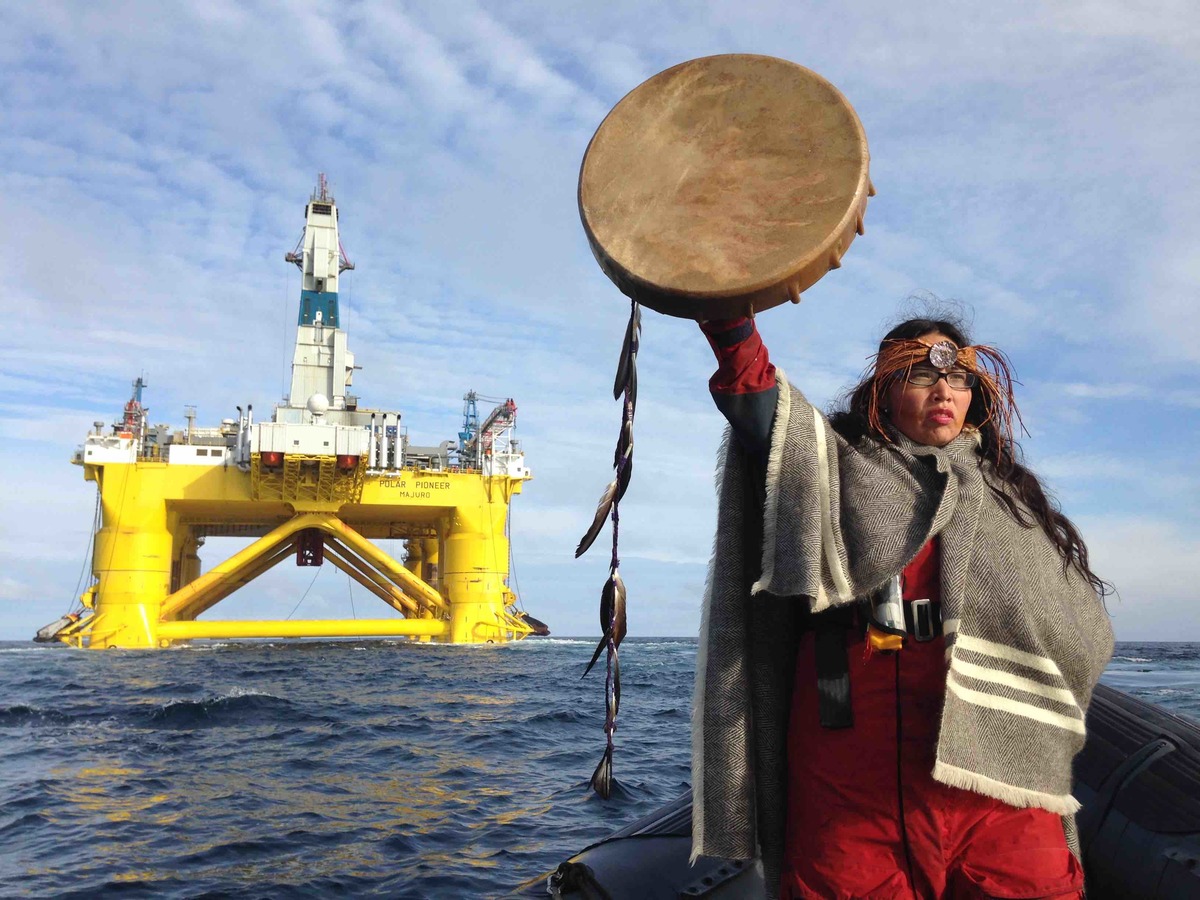
In the mid-2010s, high-profile direct actions began highlighting the direct collision course between corporate resource extraction and local stewardship. In the Pacific Ocean, Indigenous leaders like Audrey Siegl, a Musqueam woman from British Columbia, Canada, famously stood on the front lines against corporate overreach. Operating from a Greenpeace rigid-hulled inflatable boat (RHIB) launched from the MY Esperanza, Siegl held her arm out in resolute defiance, signaling Shell’s subcontracted drilling rig, the Polar Pioneer, to halt its destructive operations. This moment underscored a growing global consciousness: Indigenous bodies and voices were putting a physical barrier between extraction and extinction.
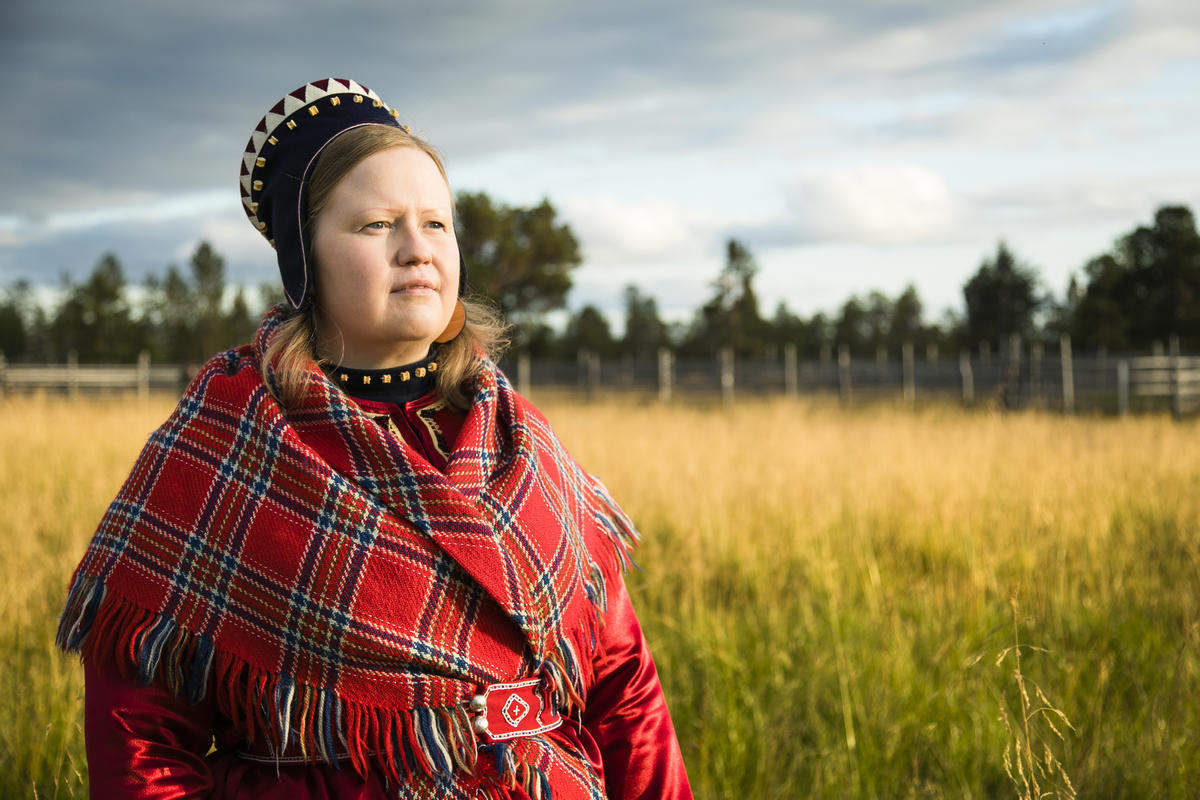
Concurrently, in the high north of Europe, the struggle for the Great Northern Forest intensified. By early September 2018, the Indigenous Sámi youth organization Suoma Sámi Nuorat, alongside the Suohpanterror artivist collective and various environmental activists, united in a high-profile demonstration against the industrial exploitation of ancestral Sámi territories in northern Finland. This resistance highlighted how state-sanctioned forestry and mining initiatives were slowly eroding not just the physical landscape, but the cultural survival of Europe’s only recognized Indigenous people.
2019–2022: The Fight for Food Security and Marine Life
As the decade turned, the threats expanded into the realm of global food security and marine sovereignty. In West Africa, the proliferation of unregulated fishmeal and fish oil factories began threatening the livelihoods and basic survival of up to 40 million people. These industrial plants, often backed by foreign capital, vacuum up immense quantities of fresh fish—traditionally harvested and processed by local women for regional consumption—merely to feed farmed fish, pigs, chickens, and household pets in Europe and Asia.
In response, local populations—led notably by women fish processors and advocates—mobilized on International Women’s Day and throughout subsequent years. Their protests exposed the staggering hypocrisy of global supply chains that siphon vital protein away from vulnerable coastal populations under the guise of "sustainable aquaculture."
Similar grassroots innovation took root in Southeast Asia. In Prachuap Khiri Khan, Thailand, the local community of Khan Kradai Bay joined forces with conservation groups to actively rehabilitate their marine ecosystems. Rather than waiting for government intervention, community members constructed and deployed two hundred artificial fish houses made from coconut leaves and bamboo. These handmade structures serve as vital nursery facilities for marine animals, demonstrating how local ecological restoration is rooted in intimate, experiential knowledge of coastal waters.
2022–2026: The Global Framework and the Path to COP17
The adoption of the Kunming-Montreal Global Biodiversity Framework at COP15 in December 2022 marked a watershed moment. Governments committed to the ambitious "30×30" target—pledging to protect 30% of the Earth’s lands and inland waters, as well as marine and coastal areas, by 2030.
However, as the international community looks ahead to CBD COP17 in Yerevan, Armenia, from October 19th to 30th, 2026, the central question is no longer about the targets set on paper, but the mechanisms of implementation on the ground. Will the 30×30 goal be achieved through "fortress conservation"—which historically displaces Indigenous communities and strips them of their traditional rights—or will governments finally recognize and fund Indigenous and Traditional Territories as the primary vehicle for global biodiversity preservation?
Supporting Context & Metrics: The Undeniable Value of Indigenous Stewardship
The push to center Indigenous rights in global conservation policy is not merely a matter of social justice; it is an empirical imperative backed by decades of scientific research.
- Global Biodiversity Overlap: According to data compiled by international conservation bodies, Indigenous Peoples’ lands encompass roughly 22% to 25% of the Earth’s land surface. However, these same territories coincide with an estimated 80% of the planet’s remaining biodiversity.
- Deforestation Rates: Studies consistently show that deforestation rates within demarcated Indigenous territories—particularly in the Amazon basin—are significantly lower than in surrounding, government-managed or privately owned lands. In many regions, Indigenous-managed forests store carbon at equal or greater rates than state-designated national parks, achieving superior ecological outcomes without the heavy-handed enforcement characteristic of fortress conservation.
- The Threat of Fishmeal Exploitation: In West Africa, the explosive growth of fishmeal and fish oil industries threatens up to 40 million people who depend directly on local fisheries for nutrition and income. Millions of tonnes of small pelagic fish, which could directly feed local populations, are systematically diverted into industrial feedlots and aquaculture operations globally.
- The 30×30 Mandate: Achieving the CBD’s target of protecting 30% of the planet by 2030 requires safeguarding an additional vast expanse of land and ocean. Without the free, prior, and informed consent (FPIC) of local and Indigenous populations, conservation efforts risk repeating historical injustices while failing to secure the ecological integrity of these vital regions.
Official Statements and Perspectives
The friction between top-down bureaucratic conservation and grassroots community defense has prompted sharp commentary from frontline leaders, environmental advocates, and institutional observers.
"Protecting lands and waters cannot be separated from the rights, knowledge, and ways of life of the people whose lives are rooted in them. When we talk about halting biodiversity loss, we are fundamentally talking about defending the human beings who have kept these ecosystems alive against impossible odds."
— Jaqueline Sordi, Communications Specialist, Greenpeace International
Advocates point out that global climate and biodiversity finance mechanisms remain notoriously difficult for grassroots organizations to access. While billions of dollars are pledged at high-level UN summits, bureaucratic red tape, complex intermediary structures, and governmental corruption frequently prevent funds from reaching the local communities actively managing and protecting ecosystems.
Furthermore, Indigenous leaders worldwide have consistently emphasized that conservation must respect community choices. True post-extractive futures cannot be designed in corporate boardrooms or UN conference halls in Yerevan; they must be co-created with the individuals whose ancestral governance systems have preserved ecological balance for centuries.
Future Outlook: What Lies Ahead at CBD COP17
As delegates descend upon Yerevan, Armenia, for CBD COP17 from October 19th to 30th, the decisions made behind closed doors will reverberate across every continent. This first global review of the Kunming-Montreal framework serves as a stress test for the international community’s credibility.
Three critical imperatives must guide the outcomes of COP17 if the 2030 targets are to be met:
- Formal Recognition of Indigenous Territories: Governments must move beyond vague acknowledgments and legally recognize Indigenous and Traditional Territories as distinct, legitimate conservation categories that directly contribute to national and global biodiversity targets.
- Human Rights-Centric Conservation: Conservation policies must strictly adhere to human rights standards, explicitly banning forced evictions, resource criminalization, and human rights abuses committed in the name of environmental protection.
- Direct and Accessible Biodiversity Finance: Financial frameworks must be radically reformed to ensure that conservation funding flows directly to Indigenous Peoples and local communities, empowering them to scale up their own time-tested solutions on their own terms.
The stories emerging from the fishing villages of Thailand, the Amazonian rainforests, the smokehouses of Senegal, and the northern reaches of Finland all point to the same inescapable conclusion. The defense of our natural world is inextricably bound to the defense of human dignity and self-determination. Whether global leaders at COP17 have the political courage to acknowledge this reality will determine not only the success of the 30×30 framework, but the livability of our shared planet for generations to come.



