

By the Blue Marine Foundation
Published: October 6, 2026
Executive Overview
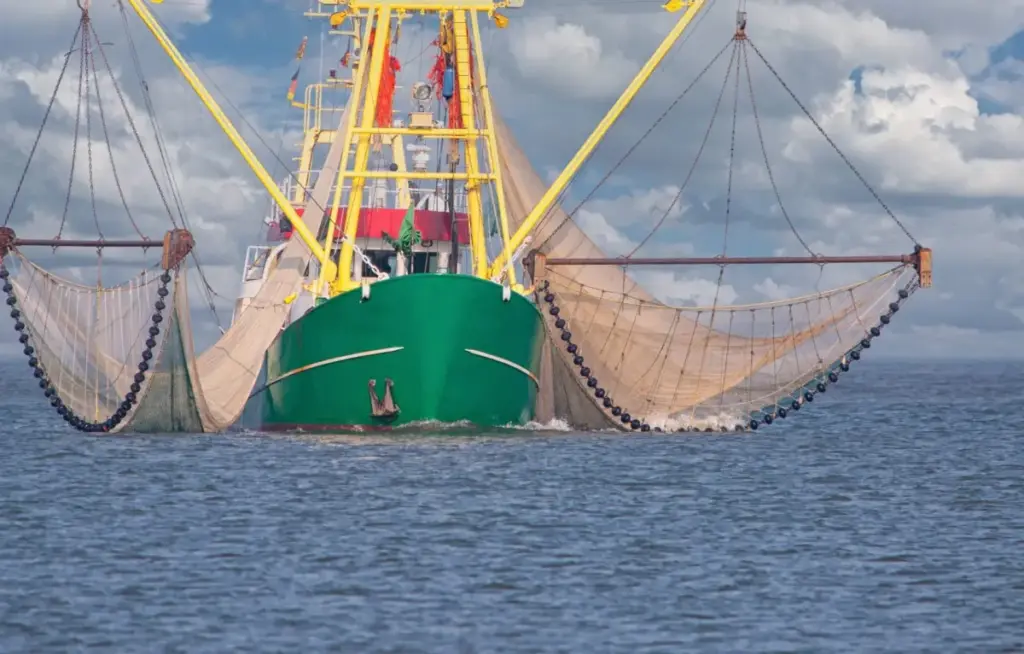
As European Union Member States prepare to finalize their allocations for the upcoming multi-annual financial framework, a silent battle is being waged over the future of Europe’s seas. At the heart of the controversy is a fundamental policy disconnect: while the EU formally commits to biodiversity targets and climate resilience, its financial mechanisms continue to subsidize the industrial degradation of marine environments.
Currently, a disproportionate share of the European Union’s ocean and fisheries budget is funneled directly into heavy industrial fishing fleets. This financial support is granted largely irrespective of the ecological footprint these massive vessels leave behind. Meanwhile, small-scale, artisanal fishers—who account for a staggering 76 percent of the total European fleet—receive a mere 20 percent of these vital funds. Even more alarming is the systemic neglect of marine conservation. For every billion euros distributed in ocean-related subsidies, a paltry 7 percent is earmarked for the actual protection, rehabilitation, and restoration of depleted marine habitats.
Worse still, upcoming negotiations threaten to exacerbate an already dire ecological imbalance. National governments are currently drafting their National and Regional Partnership Plans (NRPPs), which will dictate how public money is spent in the coming years. Indications suggest that a significant portion of this funding may soon be diverted toward the construction of new industrial fishing vessels and the modernization of existing ones.
With only 28 percent of assessed European fish stocks currently classified as healthy, injecting public capital into expanded harvesting capacity risks pushing fragile marine ecosystems past the point of no return. However, a narrow window of opportunity remains. By mobilizing public pressure, engaging directly with ministries of fisheries, environment, and finance, and demanding transparent, sustainable NRPPs, citizens and conservationists can still force a pivot toward a sustainable maritime economy.
Detailed Chronology: The Road to the 2026 Funding Crossroads
The trajectory leading to the current budgetary showdown has been defined by decades of systemic policy inertia, punctuated by escalating scientific warnings and missed political opportunities. Understanding how European fisheries subsidies reached this precarious juncture requires a retrospective examination of key milestones in EU policy and marine governance.
Phase One: The Legacy of Overcapitalization (Pre-2020)
For decades, the Common Fisheries Policy (CFP) of the European Union struggled to reconcile economic growth with environmental sustainability. Historically, structural funds were frequently deployed to modernize fleets, inadvertently leading to overcapacity. Even as scientific advisory bodies—most notably the International Council for the Exploration of the Sea (ICES)—repeatedly warned that European waters were being overfished, subsidy regimes continued to insulate industrial operators from the economic realities of depleted stocks. Small-scale fishers, who traditionally employed passive, low-impact gear, found themselves structurally disadvantaged against heavily subsidized, capital-intensive industrial enterprises.
Phase Two: The Post-Pandemic Financial Framework (2021–2024)
As the EU established its long-term budget for the 2021–2027 period, environmental NGOs mounted intense campaigns to ban harmful fisheries subsidies—particularly those contributing to overcapacity and overfishing. While international bodies like the World Trade Organization (WTO) achieved landmark agreements to curb harmful fisheries subsidies globally, the implementation within the EU remained riddled with loopholes. Member States retained significant discretion in how they distributed the European Maritime, Fisheries and Aquaculture Fund (EMFAF). Consequently, much of the capital continued to flow toward fuel subsidies and fleet maintenance for industrial actors, while marine protection budgets remained chronically underfunded.
Phase Three: The Current NRPP Drafting Phase (2025–2026)
Entering 2026, the focus shifted from high-level EU regulations to domestic implementation. Member States began drafting their National and Regional Partnership Plans (NRPPs)—the strategic blueprints that determine the operationalization of funds on the ground. It is during this critical window that national governments are establishing their spending priorities for the remainder of the decade.
Rather than utilizing these plans to pivot toward low-impact fishing and robust marine protected areas (MPAs), early drafts from several key maritime nations indicate a dangerous regression. Proposals have surfaced to subsidize the construction of new industrial vessels under the guise of "modernization" and "safety upgrades." Conservation organizations, led by the Blue Marine Foundation and international environmental alliances, have flagged this trend as a direct violation of European environmental commitments, sparking an urgent call to action before these regional plans are rubber-stamped in Brussels and national capitals.
Supporting Context & Metrics: The Hard Numbers Behind the Crisis
To fully grasp the gravity of the European fisheries crisis, one must examine the empirical data detailing how public money is distributed and the precise ecological toll it extracts from marine ecosystems.
The Fleet Disparity: Industrial vs. Artisanal
European waters support a diverse fishing community, but public financing does not reflect this diversity.
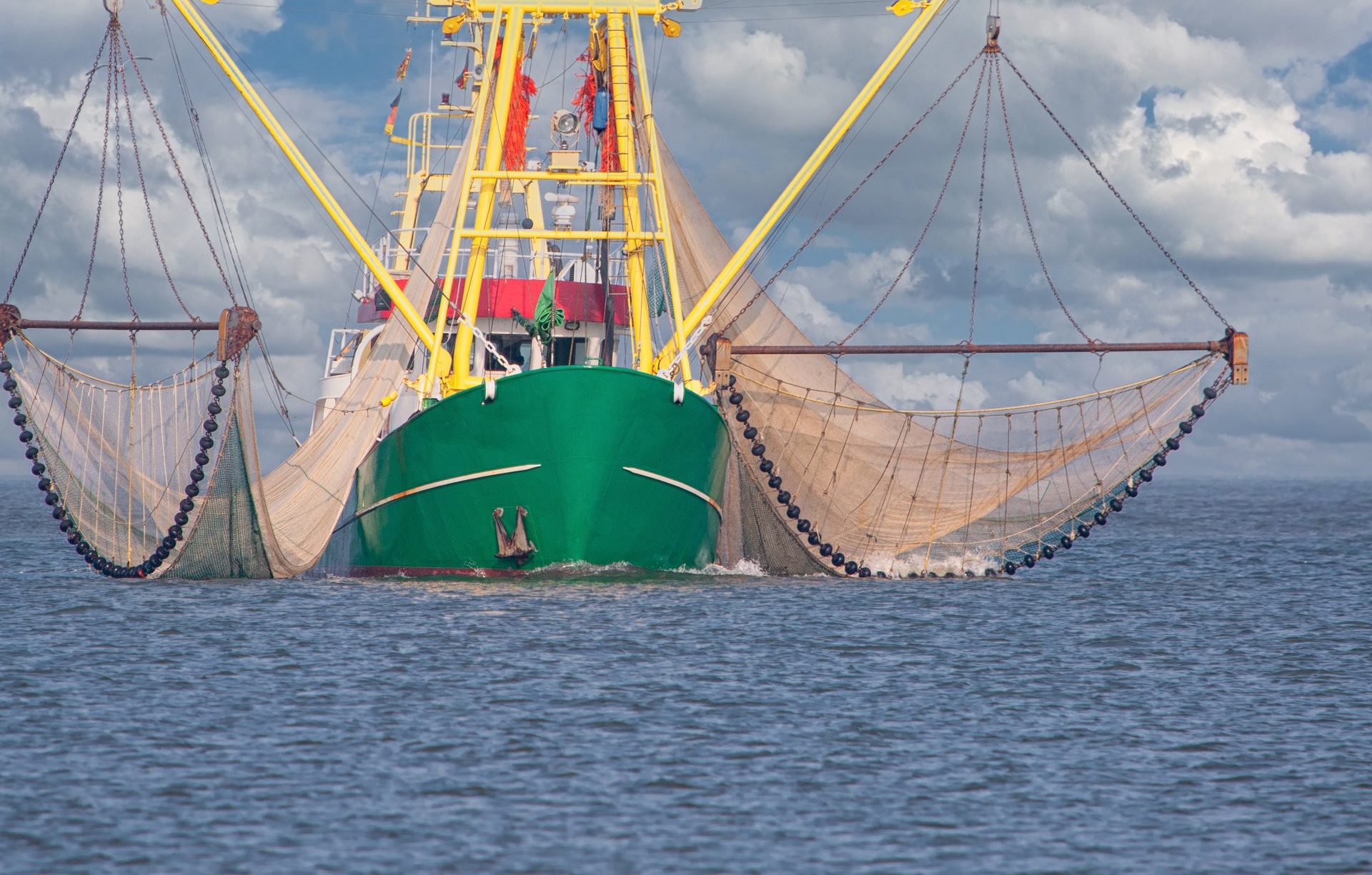
- Fleet Demographics: Small-scale, artisanal vessels comprise 76 percent of the total active EU fishing fleet. These operators typically utilize selective, low-impact gear, support coastal economies, and maintain generational fishing heritage.
- Financial Distribution: Despite representing more than three-fourths of the fleet, small-scale fishers receive only 20 percent of the total ocean and fisheries budget. The remaining 80 percent predominantly services the industrial segment—factory trawlers, massive seine netters, and high-capacity operators capable of sweeping entire pelagic and benthic ecosystems.
[Fleet Composition vs. Funding Allocation]
Small-Scale Artisanal Fleet:  [████████████████████] 76% of Fleet
Artisanal Funding Share:      [█████               ] 20% of Budget

Industrial Fleet:             [████                ] 24% of Fleet
Industrial Funding Share:     [████████████████████] 80% of Budget
The Conservation Deficit
The most glaring discrepancy in the EU ocean budget lies in the allocation for environmental stewardship.
- The Protection Ratio: For every €1,000,000,000 (one billion euros) distributed in ocean and fisheries subsidies, the European Union allocates a mere 7 percent toward the protection, monitoring, and restoration of marine environments.
- The Consequence: This severe underfunding of marine conservation leaves vast stretches of Marine Protected Areas (MPAs) effectively unmanaged—often referred to as "paper parks" where destructive industrial activities like bottom trawling continue largely unchecked.
The State of Fish Stocks
Decades of intensive fishing pressure, compounded by climate change, pollution, and coastal degradation, have devastated European fish populations.
- Healthy Stocks: According to recent scientific assessments, only 28 percent of evaluated European fish stocks are currently fished at sustainable levels and considered healthy.
- Overfished and Depleted: The remaining majority suffer from historical overexploitation. Introducing new subsidies for ship construction or modernization will inevitably increase fishing mortality, pushing vulnerable stocks past critical biological tipping points where recovery becomes nearly impossible.
Official Statements and Institutional Perspectives
The debate over the future of EU fisheries funding has exposed deep fractures between environmental defenders, commercial fishing lobbies, and government technocrats.
Environmental coalitions have been unequivocal in their condemnation of current national budgeting trends. Representatives from the Blue Marine Foundation emphasize that public funds should never be used to accelerate the depletion of public goods.
"We are standing at a critical crossroads for European seas," noted a senior marine policy advisor. "When national governments allocate public money to build new industrial fishing vessels, they are actively subsidizing the destruction of our marine life. At a time when only 28 percent of our fish stocks are healthy, every euro spent on expanding fishing capacity is a direct subsidy to ecological collapse. Ministers of environment, finance, and fisheries must realize that a thriving economy depends entirely on a living ocean."
Conversely, representatives from industrial fishing associations have historically defended state aid and modernization funds, arguing that financial support is necessary to maintain food security, upgrade safety standards onboard aging vessels, and help the sector transition toward energy-efficient technologies. Industry advocates contend that sweeping restrictions on capital investments could cripple European competitiveness on the global seafood market.
However, marine scientists and economists counter this argument by pointing out that true long-term food security is impossible without resource abundance. Subsidizing overcapacity creates a vicious cycle: as fish stocks decline due to overfishing, fleets require more advanced technology and greater operational ranges to catch fewer fish, driving up costs and necessitating even higher subsidies. Breaking this cycle requires redirecting public capital away from extraction and toward ecosystem restoration, selective gear transition, and community-based fisheries management.
Future Outlook: What Must Be Done in the Next NRPPs
The next few months will determine the trajectory of European marine governance for the remainder of the decade. Because National and Regional Partnership Plans (NRPPs) are currently being drafted and negotiated across Member States, civil society holds a powerful, time-sensitive opportunity to intervene.
To secure a sustainable future for European seas, citizens, scientists, and environmental advocates are pressing national governments to embed specific commitments within their final NRPPs:
- End Harmful Capacity-Enhancing Subsidies: Exclude all public funding for the construction of new industrial fishing vessels or the engine modernisms that increase historical fishing capacity.
- Rebalance Financial Support: Shift the bulk of fisheries funding away from industrial monopolies and toward small-scale, low-impact artisanal fishers who operate in harmony with coastal ecosystems.
- Scale Up Marine Conservation: Drastically increase the allocation for ocean restoration, expanding funding from the current 7 percent to levels capable of effectively managing and protecting European Marine Protected Areas.
- Mandate Transparency and Accountability: Ensure that the distribution of public funds is contingent upon strict adherence to environmental safeguards, catch limits, and transparent reporting.
Make Your Voice Heard
The decisions being made behind closed doors in finance and fisheries ministries will dictate whether Europe’s oceans recover or experience terminal decline. Public engagement has never been more vital.
Citizens across the European Union are urged to take action today:
- Share awareness by distributing educational videos and analyses regarding the misuse of fishing subsidies.
- Write directly to your national Ministers of Fisheries, Environment, and Finance to demand that upcoming NRPPs prioritize marine health over industrial overexploitation.
The health of our oceans is not an inevitable casualty of modern economics; it is a choice. By holding policymakers accountable during the drafting of the National and Regional Partnership Plans, Europeans can help ensure that public funds heal our seas rather than empty them.



