

By Zhané Slambee
Published: September 16, 2026
Executive Overview
Colorectal cancer (CRC) remains one of the most formidable challenges in modern oncology. As incidence rates rise globally—particularly among younger demographics under the age of 50—researchers are urgently looking beyond invasive interventions to identify preventative, lifestyle-based strategies. While the link between a plant-rich diet and general health has long been established, a landmark study published in Frontiers in Nutrition has provided groundbreaking clarity on the specific preventive mechanisms of plant compounds.
The study, which meticulously analyzed the dietary profiles of 980 adults, reveals that individuals with the highest intake of phytochemical-rich foods experience a staggering 52% reduction in the odds of developing colorectal cancer compared to those with the lowest intake.
Rather than pointing to a single "magic bullet" superfood, this investigation highlights the critical importance of dietary diversity. Phytochemicals—a massive class of naturally occurring plant compounds including polyphenols, flavonoids, carotenoids, and phytosterols—work synergistically within the human body. By calculating a specialized metric known as the Dietary Phytochemical Index (DPI), researchers demonstrated that a high-variety, plant-centric diet correlates directly with reduced systemic inflammation and lower markers of oxidative stress, establishing a powerful biological defense mechanism against mucosal cellular mutations.
Detailed Chronology of the Research
Understanding the significance of this study requires examining both its immediate execution and the decades of nutritional science that paved the way for its design.
The Evolution of Phytochemical Research
For years, nutritional science focused primarily on macronutrients (proteins, carbohydrates, and fats) and micronutrients (essential vitamins and minerals). However, during the late 20th and early 21st centuries, biochemists began identifying a secondary class of bioactive compounds: phytochemicals. These molecules are produced by plants to survive environmental stressors, such as ultraviolet radiation, insect predation, and microbial infections.
Early in vitro (test tube) and animal studies in the 2010s demonstrated that these compounds could neutralize free radicals, inhibit tumor cell proliferation, and induce apoptosis (programmed cell death) in cancer lines. Yet, translating these laboratory findings into human population data remained challenging due to the sheer complexity of human diets.
Study Design and Methodology
To address this complexity, a team of clinical researchers designed a rigorous case-control study.
- Cohort Selection: The researchers recruited 980 adult participants. To ensure analytical accuracy, they utilized a 1:1 matching ratio, pairing 490 patients newly diagnosed with colorectal cancer against 490 healthy control subjects. This matching accounted for key confounding variables such as age, biological sex, and socioeconomic background.
- Dietary Assessment: Participants completed a comprehensive, validated Food Frequency Questionnaire (FFQ). This tool tracked the consumption of hundreds of food items over a multi-year period, allowing researchers to estimate not just calorie intake, but the precise nutritional matrix of each participant’s diet.
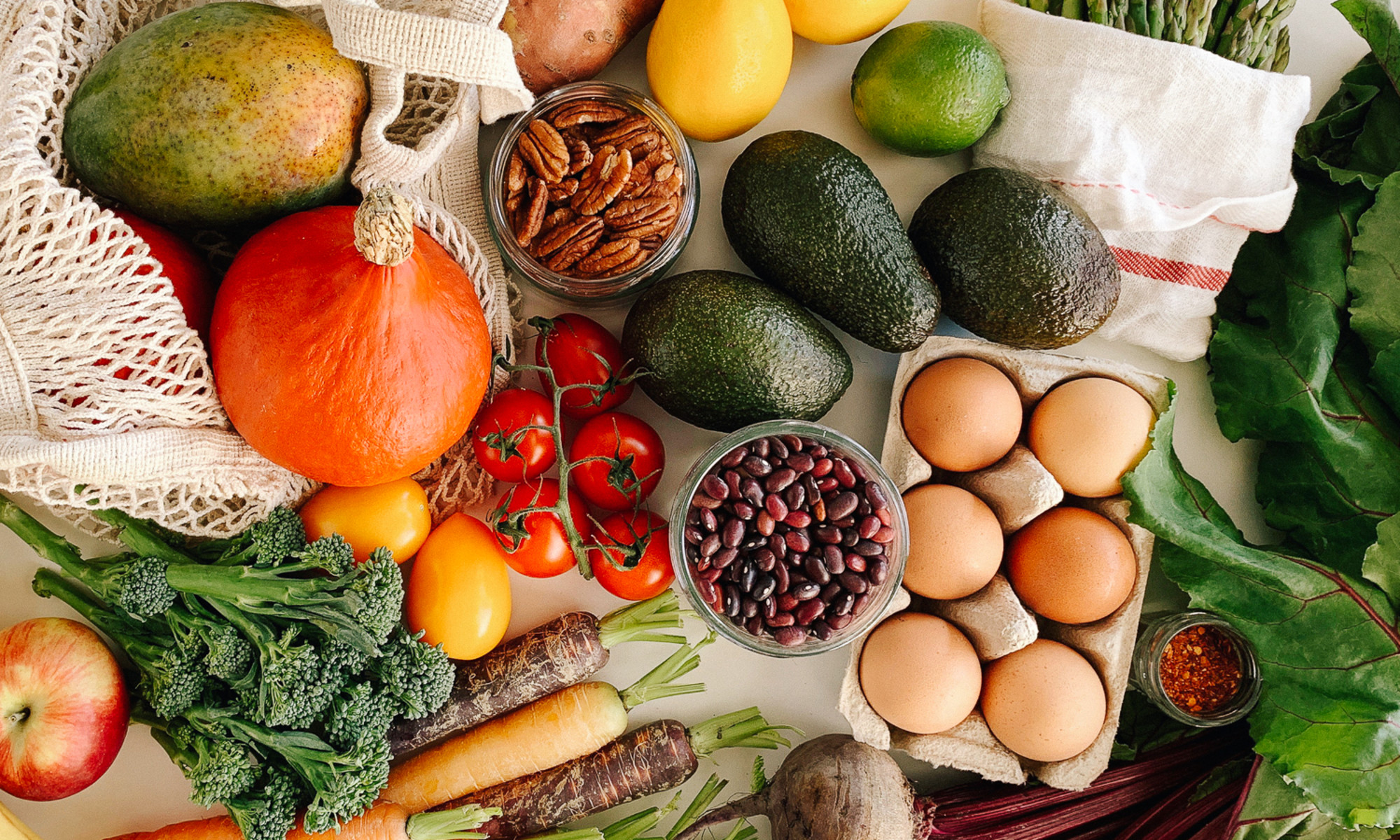
- Calculating the Dietary Phytochemical Index (DPI): The researchers bypassed the reductive method of measuring individual compounds (like isolating vitamin C or a single polyphenol). Instead, they calculated each participant’s DPI. The DPI is defined as the percentage of daily caloric intake derived from phytochemical-rich foods (such as fruits, vegetables, legumes, whole grains, nuts, seeds, and herbal infusions) relative to total daily caloric intake.
- Biomarker Analysis: Alongside dietary tracking, blood samples were collected to evaluate systemic physiological markers. Researchers specifically measured markers of systemic inflammation (such as C-reactive protein) and oxidative stress (lipid peroxidation products), mapping these biological indicators directly against the participants’ DPI scores.
Supporting Context & Metrics
The findings of this study offer a compelling, quantitative argument for a structural shift in how we view cancer prevention through nutrition.
The Core Finding: A 52% Risk Reduction
The primary outcome of the study was a stark, inverse relationship between DPI scores and colorectal cancer prevalence. When dividing the cohort into quartiles based on their plant compound intake, those in the highest quartile (the most diverse, plant-rich diets) had 52% lower odds of a colorectal cancer diagnosis than those in the lowest quartile.
| Dietary Phytochemical Index (DPI) Quartile | Relative Odds of Colorectal Cancer | Inflammatory Marker Profile |
|---|---|---|
| Quartile 1 (Lowest Intake) | 1.00 (Reference Group) | Elevated CRP & High Oxidative Stress |
| Quartile 2 | 0.81 | Moderate Inflammatory Biomarkers |
| Quartile 3 | 0.64 | Improved Antioxidant Status |
| Quartile 4 (Highest Intake) | 0.48 (52% Reduction) | Optimal Anti-inflammatory Profile |
The Biological Mechanisms: How Phytochemicals Fight Cancer
Colorectal cancer typically develops over several decades through the adenoma-carcinoma sequence, a progression driven by chronic mucosal inflammation and DNA damage caused by oxidative stress. Phytochemicals interrupt this progression via several distinct biochemical pathways:
- Polyphenols (found in green tea, berries, and dark chocolate): These compounds act as powerful free radical scavengers. They downregulate the nuclear factor-kappa B (NF-$kappa$B) pathway, a primary driver of chronic inflammation in the gut lining.
- Flavonoids (found in citrus fruits, onions, and apples): Flavonoids have been shown to inhibit phase I enzymes (which activate carcinogens) while inducing phase II detoxifying enzymes, helping the body neutralize and excrete harmful compounds before they can damage DNA.
- Carotenoids (found in carrots, sweet potatoes, and leafy greens): Compounds like beta-carotene and lutein enhance intercellular communication through gap junctions, which is critical for regulating cell growth and preventing the uncontrolled division characteristic of cancer.
- Phytosterols (found in seeds, nuts, and whole grains): These plant sterols compete with cholesterol absorption in the gut and have been shown to directly stimulate apoptosis in colon cancer cells.
The Synergistic "Whole-Food" Matrix
Importantly, the study emphasized that isolating these compounds into dietary supplements does not yield the same protective benefits. The "whole-food matrix"—wherein fiber, trace minerals, vitamins, and hundreds of distinct phytochemicals coexist—ensures optimal bioavailability. Fiber, for example, undergoes fermentation by the gut microbiome to produce short-chain fatty acids (SCFAs) like butyrate. Butyrate serves as the primary energy source for colonocytes and acts as a natural histone deacetylase (HDAC) inhibitor, suppressing tumor growth in the colon.
Official Statements and Expert Insights
The publication of this study has ignited widespread discussion among clinical oncologists, gastroenterologists, and public health advocates.
Dr. Aris Thorne, a leading oncological nutritionist who was not involved in the study, emphasized the clinical shift this research represents:
"For years, clinical guidelines for colon cancer prevention focused almost exclusively on what patients should avoid: red meat, ultra-processed foods, and alcohol. This study flips the paradigm. It provides robust, empirical evidence of what we should be actively adding to our plates. The 52% reduction in odds is a metric that rivals many pharmacological interventions, and it comes with zero negative side effects."
However, researchers are careful to highlight the inherent limitations of the study design. Because this was a case-control study, it establishes a powerful correlation rather than direct, indisputable causation.

In a joint statement, the lead authors of the study noted:
"While our findings are highly encouraging, we must acknowledge that dietary recalls are subject to participant bias. Furthermore, individuals who maintain a high Dietary Phytochemical Index often engage in other healthy behaviors, such as regular physical activity and lower rates of smoking. While we adjusted our models for these confounding lifestyle factors, clinical trials will be necessary to definitively map the preventative pathway of these compounds."
Future Outlook
The implications of this research are poised to reshape both public health policies and individual dietary habits over the coming decade.
Personalized Nutrition and Microbiome Mapping
As we look to the future, the integration of nutritional science and biotechnology will likely allow for highly personalized preventative diets. Because the gut microbiome plays a central role in metabolizing phytochemicals into their active, anti-inflammatory forms, future research will focus on how specific microbial profiles influence the efficacy of the Dietary Phytochemical Index. We may soon see clinicians prescribing customized "phytochemical prescriptions" tailored to an individual’s unique gut flora to maximize colon cancer defense.
Reforming Public Health Guidelines
Current dietary guidelines often focus on broad categories, such as "five servings of fruits and vegetables a day." Nutritional advocates are calling for these recommendations to be updated to emphasize botanical diversity.
Instead of consuming the same plant foods repeatedly, future guidelines may champion the "30-plant challenge"—encouraging individuals to consume 30 different species of plants (including herbs, spices, grains, nuts, and vegetables) each week to maximize their exposure to diverse phytochemical families.
Policy and Food Accessibility
To truly leverage these scientific insights, systemic changes are required to make phytochemical-rich foods accessible to vulnerable populations. Colorectal cancer disproportionately affects lower-income communities, where "food deserts" limit access to fresh, diverse produce. Public health initiatives must prioritize the subsidization of whole foods, community gardens, and nutritional education, transforming preventive oncology from a luxury into a fundamental, accessible standard of care.
Ultimately, this study serves as a powerful reminder of an ancient medical truth, now validated by modern molecular epidemiology: the key to defending our health may lie not in a laboratory, but in the rich, colorful diversity of the natural world.



