

Executive Overview
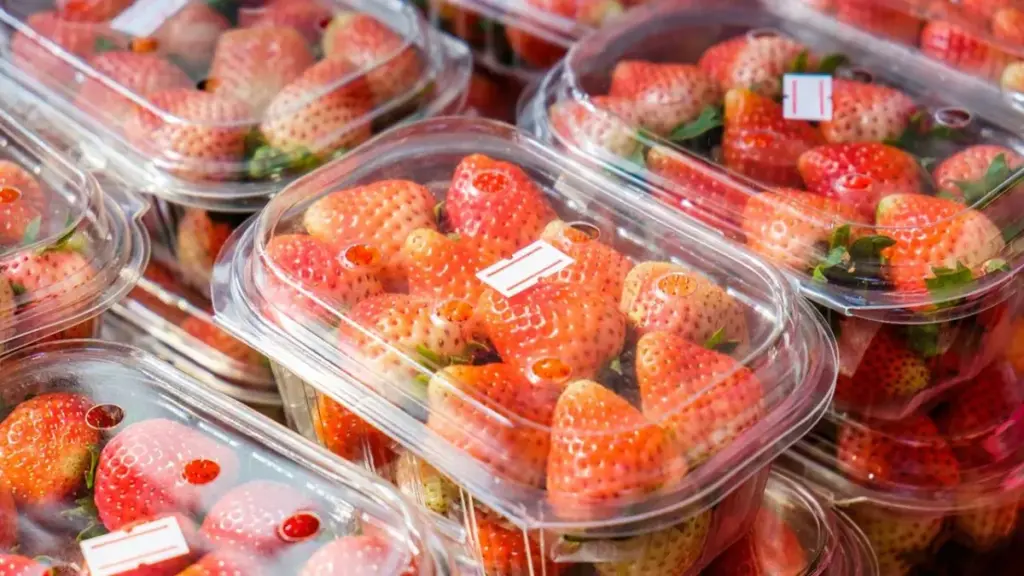
By 2028, consumers walking through supermarket aisles across the United States will experience a quiet but profound transformation. Clamshell containers holding fresh berries will begin to yield to ventilated cardboard boxes. Prepared salads will increasingly be cradled in molded fiber bowls. The ubiquitous black plastic trays of microwaveable dinners will be replaced by clear or white alternatives.
These shifting consumer touchpoints are not merely the result of voluntary corporate goodwill; they are the direct consequence of California’s landmark Senate Bill 54 (SB 54)—officially known as the Plastic Pollution Prevention and Packaging Producer Responsibility Act. Signed into law in 2022, SB 54’s finalized regulations went into effect in May 2026, establishing the most comprehensive and aggressive circular economy framework in the Western Hemisphere.
                  ┌──────────────────────────────────────────┐
                  │      CALIFORNIA SB 54 EPR FRAMEWORK      │
                  └────────────────────┬─────────────────────┘
                                       │
                  ┌────────────────────┴─────────────────────┐
                  ▼                                          ▼
     ┌──────────────────────────┐               ┌──────────────────────────┐
     │  PRODUCER RESPONSIBILITY │               │    PACKAGING MANDATES    │
     │  • Shifts waste costs    │               │  • 100% Recyclable or    │
     │  • Funds MRF upgrades    │               │    Compostable by 2032   │
     │  • Drives design changes │               │  • 25% Source Reduction  │
     └──────────────────────────┘               └──────────────────────────┘
The law leverages Extended Producer Responsibility (EPR), a regulatory mechanism that shifts the financial and operational burden of packaging waste management from municipal taxpayers to the companies that manufacture and import the materials. Because California represents the world’s fifth-largest economy, multinational corporations are finding it more economically viable to reformulate their packaging nationwide rather than maintain separate supply chains. Consequently, SB 54 is effectively setting a new national standard.
However, the path to a post-plastic marketplace is fraught with legal and environmental friction. On June 2, 2026, a coalition of prominent environmental advocacy groups—including Oceana, the Natural Resources Defense Council (NRDC), and the Californians Against Waste Foundation—filed a major lawsuit in the San Francisco Superior Court. The plaintiffs allege that the final regulations approved by CalRecycle (the California Department of Resources Recycling and Recovery) contain critical loopholes.
They argue these rules grant broad exclusions to massive categories of plastic packaging, allow manufacturers to claim indefinite compliance exemptions, and fail to sufficiently restrict controversial chemical recycling technologies. This legal battle highlights the deep divide between regulatory pragmatism and environmental purity as the state embarks on its decadelong transition.
Detailed Chronology
The rollout of SB 54 is structured as a multiyear, phased implementation plan designed to give industries time to re-engineer their packaging, establish new supply networks, and invest in waste management infrastructure. Below is the statutory timeline guiding this systemic shift.
  2025             2026            2027            2028            2030            2032
   │                │               │               │               │               │
   ├──[Jan 1]       ├──[May 1]      ├──[Jan 1]      ├──[Jan 1]      ├──[Jan 1]      └──[Jan 1]
   │  EPS Foam      │  Final Rules  │  EPR Phase 1  │  30% Recycle  │  40% Recycle  │  65% Recycle
   │  Ban Takes     │  Take Effect; │  10% Plastic  │  Rate Target  │  Rate Target; │  Rate Target;
   │  Effect        │  Producers    │  Reduction    │  for Plastics │  20% Source   │  25% Source
   │                │  Must Join    │  Required     │               │  Reduction    │  Reduction;
   │                │  EPR Alliance │               │               │               │  100% Recyclable/
   │                │               │               │               │               │  Compostable
Key Milestones and Compliance Deadlines
- January 1, 2025 – The Expanded Polystyrene (EPS) Ban: Having failed to meet the state-mandated 25% recycling rate threshold, expanded polystyrene food service ware was officially banned from sale, distribution, and import across California.
- May 1, 2026 – Regulatory Finalization: CalRecycle’s permanent administrative regulations took effect. By June 1, 2026, packaging producers were legally required to register with the state-approved Producer Responsibility Organization (PRO)—the Circular Action Alliance—or file for independent compliance or small-business exemptions.
- January 1, 2027 – Full Program Implementation and Initial Source Reduction: The formal EPR program begins. Covered single-use plastic packaging must achieve a 10% source reduction relative to a 2023 baseline. Producers operating outside an approved compliance plan are barred from selling their goods in California. Additionally, producers must begin paying into a state mitigation fund designed to address plastic pollution.
- January 1, 2028 – The 30% Recycling Mandate: The law shifts from requiring packaging to be theoretically recyclable to requiring actual recycling success. At least 30% of all covered single-use plastic packaging and food service ware sold in the state must be successfully recycled in practice.
- January 1, 2030 – Intermediate Targets: The statutory recycling target escalates to 40%, and the source reduction requirement reaches 20%. During this phase, consumer-facing refill systems, packaging-free options, and concentrated product pods must transition from niche pilot programs to mainstream retail offerings.
- January 1, 2032 – The Ultimate Deadline: By this date, three final targets must be met:
- A absolute 25% source reduction of all single-use plastic packaging.
- A minimum 65% actual recycling rate for all remaining plastic packaging.
- A requirement that 100% of all single-use packaging sold in California is fully recyclable or compostable.
Supporting Context & Metrics
To appreciate the scale of SB 54’s mandates, one must examine the underlying metrics of the modern waste crisis. According to data from the U.S. Environmental Protection Agency (EPA), plastic waste accounted for 12.2% of all municipal solid waste generated in the United States in 2018—a staggering escalation from a mere 0.4% in 1960.
Data from the environmental research firm Greenprint indicates that approximately 36% of all manufactured plastic is designated for packaging, and roughly 85% of that short-lived material ends up directly in landfills.
  U.S. Municipal Waste Composition (Plastic Share over Time)

  1960  [0.4%]
  2018  [████████████ 12.2%]

  Single-Use Packaging Lifecycle (Greenprint Data)

  [████████████████████████████████████] 100% Manufactured Packaging Plastic
  [██████████████████████████████]       85% Ends up in Landfills
SB 54 targets the worst offenders in this waste stream by focusing on specific polymer classes and structural designs that resist traditional mechanical recycling systems.
High-Priority Packaging Categories Facing Redesign
┌─────────────────────────────────────────────────────────────────────────────┐
│                      CRITICAL PACKAGING SUBSTANCES                          │
├──────────────────┬──────────────────────────────────────────────────────────┤
│ Material Class   │ Core Technical & Environmental Challenges                │
├──────────────────┼──────────────────────────────────────────────────────────┤
│ Polystyrene      │ Highly friable; degrades into microplastics; costly to   │
│ Foam (EPS)       │ transport; chemically linked to elevated styrene risks.  │
├──────────────────┼──────────────────────────────────────────────────────────┤
│ Black & Dark     │ Carbon black pigment absorbs Near-Infrared (NIR) light,  │
│ Plastics         │ causing optical sorters to misidentify and discard them. │
├──────────────────┼──────────────────────────────────────────────────────────┤
│ PVC Clamshells   │ Polyvinyl Chloride contaminates PET streams; plasticizer │
│ & Blister Packs  │ additives contain endocrine-disrupting phthalates.       │
├──────────────────┼──────────────────────────────────────────────────────────┤
│ Oxo-Degradable   │ Fragmentation additives create highly pervasive,         │
│ Plastics         │ bioaccumulative microplastics in aquatic ecosystems.     │
└──────────────────┴──────────────────────────────────────────────────────────┘
1. Polystyrene Foam (EPS)
Often referred to by the brand name Styrofoam, EPS is highly friable, breaking down into lightweight, wind-blown fragments that contaminate ecosystems and municipal recycling streams. Because it is composed of up to 95% air, compressing and transporting EPS for recycling is economically unviable for most municipalities. Furthermore, the National Institutes of Health classifies styrene, the monomer building block of EPS, as a suspected human carcinogen linked to leukemia and lymphoma.
2. Black and Dark-Colored Plastics
Widely used in microwaveable food trays and takeout containers, black plastic cannot be sorted by modern Materials Recovery Facilities (MRFs). These facilities rely on Near-Infrared (NIR) optical sensors to identify polymer signatures.
The carbon black pigments used in these containers absorb the infrared light, rendering them invisible to the sensors. Consequently, these containers are routed directly to the landfill residue pile. SB 54 is driving a shift toward clear or light-colored Polyethylene Terephthalate (PET), which has a high market value and is easily sorted.
3. Polyvinyl Chloride (PVC) Clamshells and Blister Packs
PVC is a major contaminant in the PET recycling process; even a minute concentration of PVC can degrade an entire batch of recycled PET (rPET) during thermal processing. Additionally, rigid PVC requires the addition of plasticizers, such as phthalates, which are known endocrine disruptors linked to reproductive issues and diabetes. Under SB 54, these packaging styles are being replaced by rPET, molded pulp, or clean cardboard.
4. Oxo-Degradable Plastics
Marketed as "biodegradable" alternatives, these conventional polymers (such as polyethylene) are laced with transition metal salts that accelerate fragmentation when exposed to heat and sunlight. Rather than undergoing true biological assimilation, they break down into microplastics. These particles attract and concentrate persistent organic pollutants in marine and terrestrial food webs. SB 54 restricts these materials by establishing strict standards for biodegradability.
Retail Sector Transformations
The operational impacts of SB 54 are manifesting across five primary retail and commercial sectors.
                          ┌──────────────────────────┐
                          │   RETAIL REORGANIZATION  │
                          └────────────┬─────────────┘
                                       │
         ┌─────────────┬───────────────┼───────────────┬─────────────┐
         ▼             ▼               ▼               ▼             ▼
   ┌───────────┐ ┌───────────┐   ┌───────────┐   ┌───────────┐ ┌───────────┐
   │  Produce  │ │ Prepared  │   │ Personal  │   │  Takeout  │ │ E-Commerce│
   │  Aisle    │ │  Foods    │   │   Care    │   │  Services │ │ Shipping  │
   └───────────┘ └───────────┘   └───────────┘   └───────────┘ └───────────┘
1. The Produce Aisle
The familiar landscape of plastic clamshells and thin-film produce bags is transitioning to plastic-free alternatives. Retailers are adopting ventilated cardboard boxes, molded fiber punnets, and FSC-certified paper bags. While these materials are highly recyclable and compostable, they demand different supply chain management techniques, particularly regarding moisture control and shelf-life preservation.
2. Prepared Foods and Delis
Deli counters are moving away from clear polypropylene tubs. In their place, suppliers are introducing molded fiber containers lined with thin, plant-based Polylactic Acid (PLA) barriers to prevent grease and liquid penetration.
Because PLA-lined containers have lower oxygen barrier properties than conventional plastics, food brands are adjusting inventory cycles to ensure product freshness. These fiber-based containers are designed for commercial composting facilities, meaning they must be sorted out of traditional landfill trash streams to achieve their intended ecological benefits.
3. Personal Care Products
Shampoo bottles, cosmetic jars, and toothpaste tubes are incorporating higher percentages of post-consumer recycled (PCR) content to meet SB 54’s rigid plastic container targets.
  Traditional Single-Use Bottle           EPR-Driven Circular Alternative
  ┌─────────────────────────────┐         ┌─────────────────────────────┐
  │ • 100% Virgin Plastic       │         │ • 100% Recyclable/rPET      │
  │ • Glued Multi-Material Label│  ───►   │ • Monomaterial Design       │
  │ • Non-Recyclable Pump/Cap   │         │ • Washable, Soluble Adhesive│
  │ • Linear "Take-Make-Waste"  │         │ • In-Store Refillable Option│
  └─────────────────────────────┘         └─────────────────────────────┘
Simultaneously, major consumer brands are rolling out concentrated product refills (such as dissolvable tablets or pods packaged in paper) and installing in-store refill stations. This approach eliminates the need for single-use plastic bottles entirely.
4. Takeout and Food Service
Municipal waste streams have long been burdened by diverse and contaminated takeout packaging. SB 54 is driving standardization in this sector.
Restaurants are transitioning to aluminum containers, which are easily sorted and highly valuable to recyclers, or unlined, certified compostable fiber boxes. This standardization helps simplify disposal instructions for consumers, making it clear which materials belong in the recycling, green waste, or trash bins.
5. Online Shopping and E-Commerce
The massive volume of shipping waste generated by e-commerce has led to strict regulations on "void fill." Lightweight plastic air pillows, bubble wrap, and polystyrene packing peanuts are being phased out.
They are being replaced by high-strength, recyclable kraft paper, die-cut cardboard inserts, and starch-based packing peanuts that dissolve in water. While companies like Amazon have initiated some of these changes voluntarily, SB 54 makes these practices mandatory for all companies shipping products into California.
Official Statements and Legal Conflict
The regulatory implementation of SB 54 has sparked debate among environmental organizations, industry groups, and state regulators. The central point of contention is CalRecycle’s finalized regulatory package, which environmental groups argue was
diluted by industry lobbying.
The Environmental Coalition’s Legal Challenge
In their lawsuit filed in San Francisco Superior Court, the plaintiffs (Oceana, NRDC, and Californians Against Waste) outline three primary objections to the current regulations:
- Exemptions for Large Plastic Categories: The plaintiffs argue that CalRecycle exceeded its authority by creating administrative pathways that exempt certain flexible plastic films and multi-layered materials from the strict definition of "covered packaging."
- Indefinite Compliance Extensions: The suit alleges that the regulations allow producers to apply for recurring, multiyear compliance extensions, which could delay the 2032 targets.
- Failure to Restrict Chemical Recycling: Environmental advocates are particularly concerned that the rules do not explicitly exclude chemical recycling (often referred to as "advanced recycling" or pyrolysis) from the definition of "recycling."
  ┌─────────────────────────────────────────────────────────────────────────┐
  │                        THE CHEMICAL RECYCLING DEBATE                    │
  ├────────────────────────────────────┬────────────────────────────────────┤
  │ Industry Perspective               │ Environmentalist Perspective       │
  ├────────────────────────────────────┼────────────────────────────────────┤
  │ • Converts hard-to-recycle plastic │ • High energy consumption and carbon │
  │   back into raw chemical feedstocks.│   footprint.                       │
  │ • Complements mechanical systems.  │ • Diverts focus from source        │
  │ • Enables high-quality food-grade  │   reduction and reuse systems.     │
  │   recycled content.                │ • Generates hazardous waste.       │
  └────────────────────────────────────┴────────────────────────────────────┘
Jeff Miller, senior counsel for the plaintiffs, stated:
"We fought for years to pass a law that would fundamentally reduce plastic production at the source. By introducing loopholes that allow producers to bypass these mandates and burn plastic under the guise of ‘advanced recycling,’ CalRecycle is undermining the core intent of SB 54. We are asking the court to compel the agency to enforce the law as written."
The Regulatory and Industry Defense
In response, CalRecycle has defended its regulatory framework as a practical compromise necessary to manage a complex supply chain transition without causing widespread retail disruptions.
An agency spokesperson commented:
"The regulations developed under SB 54 represent years of stakeholder engagement, scientific review, and economic analysis. We have built a robust, enforceable program that holds producers accountable while providing the operational flexibility needed to transition entire global supply chains. We remain confident that this framework will successfully achieve the target of a 25% plastic reduction and a 65% recycling rate by 2032."
Industry leaders have also expressed a commitment to compliance while highlighting the technical challenges ahead. Unilever, which has committed to a global strategy of reduction, circulation, and collaboration, noted that state-level EPR laws require significant investments in packaging design.
Similarly, packaging manufacturer Faerch has launched rPET trays containing at least 40% recycled content specifically designed to comply with California’s strict standards.
Future Outlook
As California moves toward its 2032 targets, the economic and structural changes driven by SB 54 will likely reshape waste management across the United States.
                      ┌──────────────────────────┐
                      │    THE 2032 LANDSCAPE    │
                      └────────────┬─────────────┘
                                   │
         ┌─────────────────────────┼─────────────────────────┐
         ▼                         ▼                         ▼
   ┌───────────┐             ┌───────────┐             ┌───────────┐
   │  MRF Tech │             │ Interstate│             │ Behavioral│
   │  Upgrades │             │ Alignment │             │  Shifts   │
   └───────────┘             └───────────┘             └───────────┘
1. Technology Upgrades at Materials Recovery Facilities (MRFs)
The EPR fees collected from producers—projected to generate hundreds of millions of dollars annually—will fund significant upgrades to municipal waste infrastructure.
These investments will go toward installing advanced optical sorters, robotic sorting arms guided by artificial intelligence, and expanded commercial composting systems. These upgrades are designed to help municipalities process clean, high-value material streams and reduce the volume of waste sent to landfills.
2. Interstate Alignment and the "West Coast Standard"
With federal action on plastic pollution stalled, other states are moving forward with their own packaging laws. Oregon (Recycling Modernization Act), Colorado, Maine, Maryland, and Minnesota have enacted packaging EPR legislation, while New York is considering a similar framework.
  U.S. Packaging EPR Legislative Landscape

  [Active EPR Programs] ──────► California, Oregon, Colorado, Minnesota, Maine
  [Pending Legislation] ──────► New York, Illinois, Massachusetts, Washington
This state-by-state approach is pushing national brands to standardize their packaging to meet the strictest state requirements—which is typically California’s SB 54. This trend may lead to the emergence of a de facto national packaging standard, simplifying compliance for businesses and reducing waste across state lines.
3. Long-Term Behavioral and Economic Shifts
Over the next decade, the success of SB 54 will depend on systemic changes in consumer behavior and business models. If the law achieves its goals, the linear "take-make-waste" model will be replaced by a circular economy where packaging is treated as a reusable asset rather than disposable waste.
This transition will require ongoing collaboration between manufacturers, regulators, and consumers to ensure that packaging is not only designed for sustainability but also successfully recovered and recycled.



