


Executive Overview
The summer of 2026 will be remembered not merely as uncomfortably hot, but as a historic pivot point in Earth’s climatic timeline—a season where planetary systems pushed past historical boundaries and delivered a brutal preview of a warmer future. Across the globe, countries recorded their highest average temperatures in modern history, accompanied by staggering levels of humidity. Western Europe alone endured five grueling, back-to-back heat waves that baked topsoils dry, transformed desiccated vegetation into ready tinder for catastrophic wildfires, and shrank major river networks to muddy trickles where fish suffocated in thermal-shocked, oxygen-depleted waters.
Emergency response systems buckled under the strain. Ambulances ran in continuous loops, and emergency rooms were overrun with patients suffering from acute dehydration, heat stroke, and cascading organ failures. Early epidemiological estimates attribute at least 35,000 excess deaths to the first four heat waves across roughly half of the European continent.
Yet, according to the World Health Organization (WHO), this unprecedented carnage was merely a "dress rehearsal."
The convergence of human-caused greenhouse gas emissions and a rapidly intensifying El Niño cycle threatens to drive global temperatures even higher in the immediate years ahead. As international policymakers grapple with the failure to curb emissions swiftly enough, scientific consensus hardens around a grim reality: the global community is on the verge of overshooting its most ambitious climate targets. With global temperatures currently hovering at roughly 1.4 degrees Celsius above preindustrial levels, the planet is discovering that even this margin of warming is dangerously incompatible with modern human infrastructure, public health, and ecological stability.
Detailed Chronology: A Season of Extremes
The unfolding climate catastrophe of 2026 did not arrive as a single, isolated shockwave; it was a sustained, rolling series of atmospheric anomalies that tested the limits of human resilience across multiple continents.
The Western European Burn
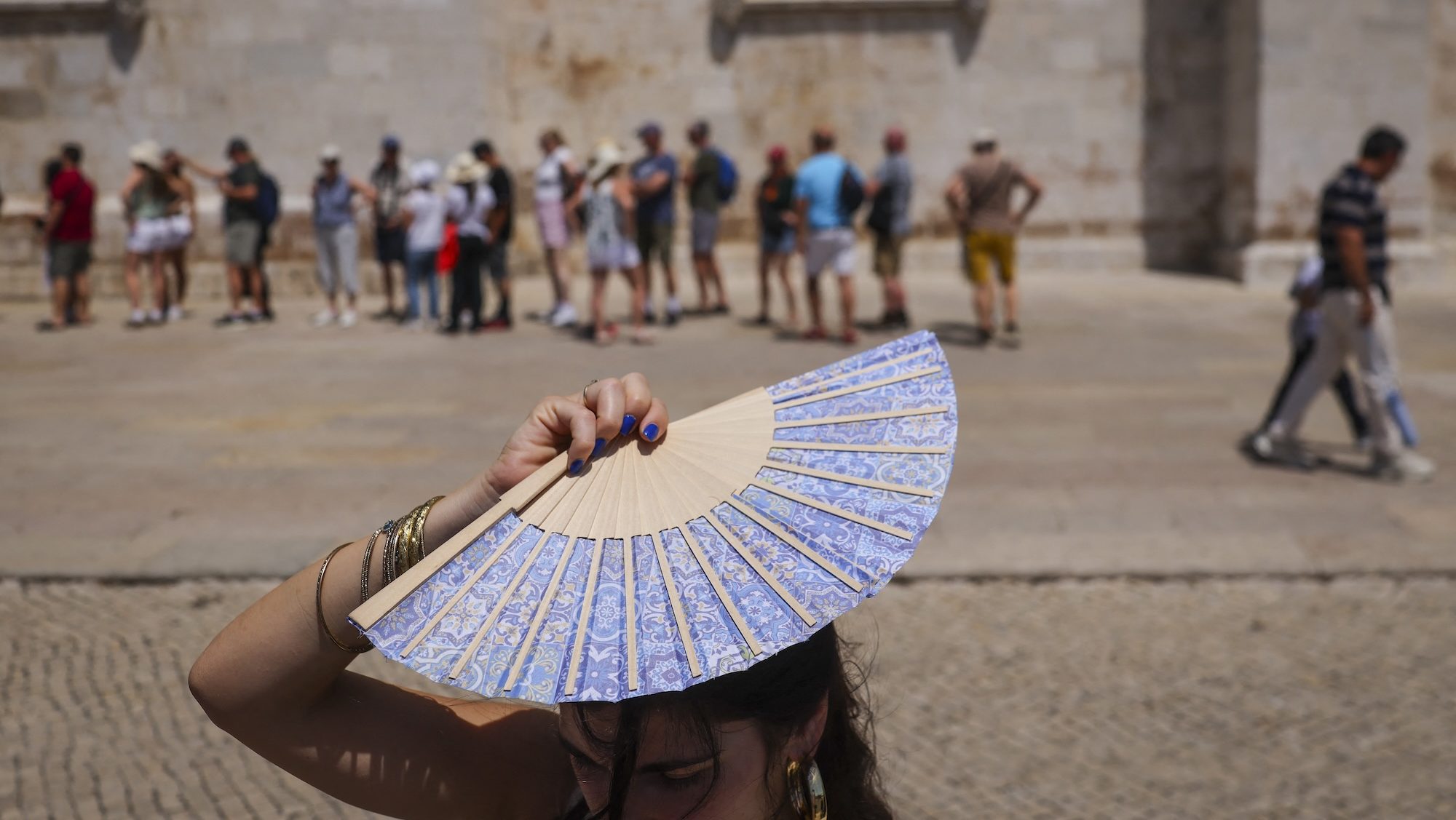
Western Europe bore the brunt of the early summer assault. Beginning in late June and stretching through August, five distinct heat waves locked into place over the continent, sustained by high-pressure atmospheric domes that trapped stifling heat over population centers from Madrid to Paris.
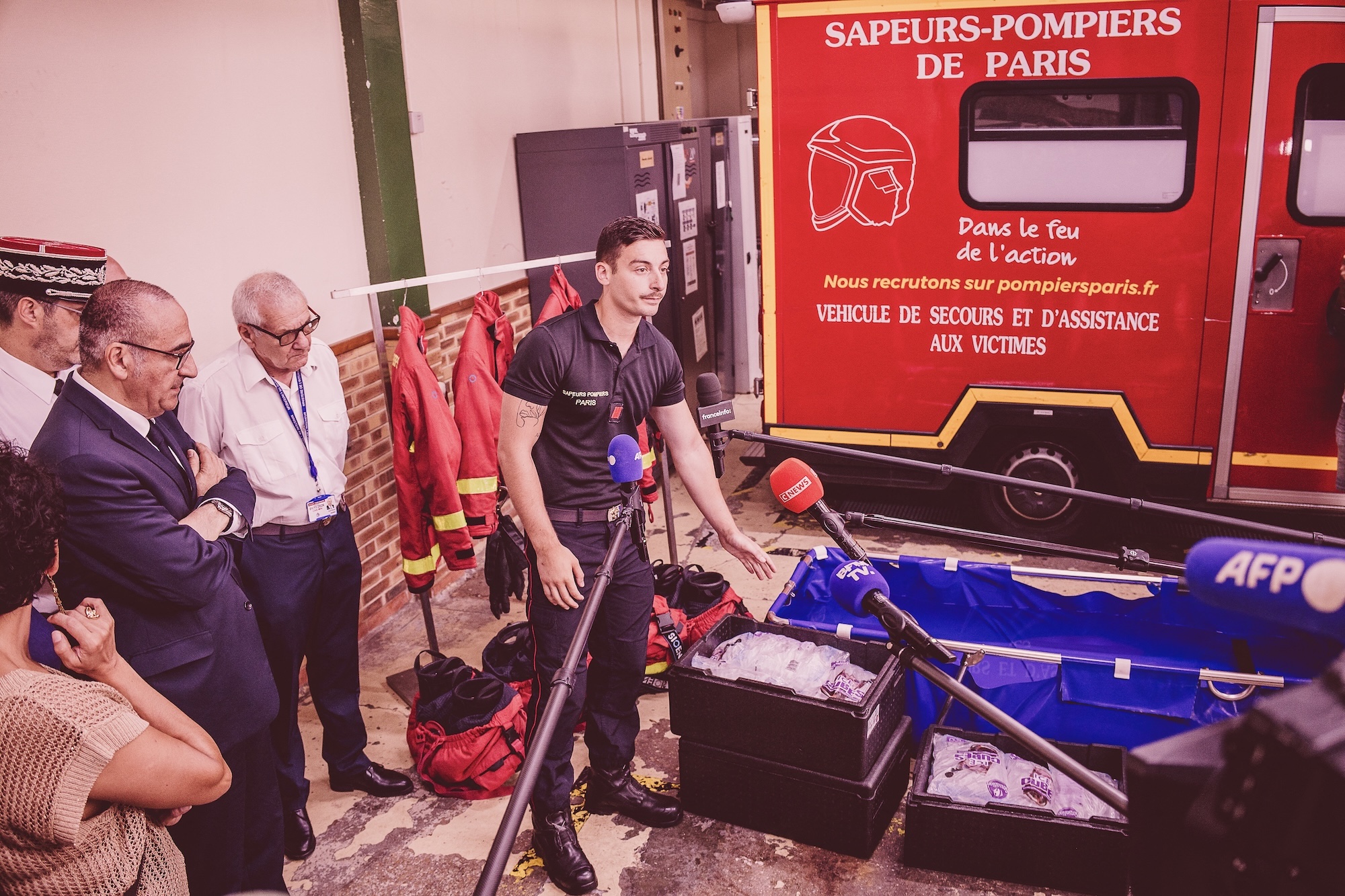
On July 7, 2026, thermometers in Granada, Spain, surged past 40 degrees Celsius (104 degrees Fahrenheit), a scene repeated across the Iberian Peninsula and southern France. In Paris, the municipal government and emergency services scrambled to deploy emergency heatstroke kits and establish public cooling zones. The Paris Fire Brigade publicly demonstrated advanced emergency medical protocols to Minister Laurent Nunez on June 28, highlighting the frantic preparations required to safeguard a population exposed to unmanageable thermal loads.
The prolonged baking of the continent had compounding ecological and economic consequences. According to analyses from the European Commission’s Joint Research Centre, extreme drought sucked vital moisture from the soil, rendering agricultural lands brittle and turning forests into powder-kegs. Rivers across France, Germany, and Italy dropped to historic lows, disrupting commercial barge traffic, restricting nuclear power plant cooling operations, and leaving aquatic ecosystems devastated as fish populations died en masse in rapidly evaporating riverbeds.
The Human Toll and Systemic Failures
As temperatures soared past historical thresholds, healthcare systems across the developed world revealed deep vulnerabilities. While nations like France had instituted commendable national heat-action plans in the wake of the catastrophic 2003 European heat wave—which claimed an estimated 70,000 lives—the sheer intensity and duration of the 2026 events overwhelmed even these fortified frameworks.
Health officials noted that the heat waves arrived earlier in the year and persisted long past the traditional mid-September boundaries, catching municipal authorities off guard. Furthermore, the extreme spikes in temperature completely outstripped the parameters of existing early warning systems, which were never designed to manage the prolonged, multi-week thermal extremes witnessed this summer. Consequently, vulnerable populations—particularly the elderly, the chronically ill, and urban residents living in concrete-heavy environments devoid of green space—bore the brunt of the mortality figures.
Supporting Context & Metrics: The Convergence of El Niño and Climate Change
The terrifying intensity of the 2026 summer is the product of two compounding forces: natural climate variability and relentless anthropogenic global heating.
The Super El Niño on the Horizon
At the root of the immediate term’s escalating temperatures is El Niño, a periodic climate pattern characterized by the warming of surface waters in the central and eastern tropical Pacific Ocean. This natural phenomenon injects vast amounts of heat into the global atmosphere every two to seven years, significantly spiking average global temperatures.
Scientists tracking the current cycle report that it is scaling up with unprecedented velocity, placing it on a trajectory to be the strongest El Niño event in a millennium. When combined with the baseline warming generated by fossil fuel combustion, this "super El Niño" creates a synergistic effect that makes 2027 a near-certain candidate to become the hottest year ever recorded in human history.
The Broken Promises of Paris
Beneath the cyclical spikes of El Niño lies the grinding, long-term accumulation of greenhouse gases in Earth’s atmosphere. In 2015, nearly every nation on Earth signed the Paris Agreement, committing to voluntary emission-reduction targets designed to keep global warming well below 2 degrees Celsius above preindustrial levels, while pursuing efforts to limit the increase to 1.5 degrees Celsius.
However, a sweeping United Nations report released in late August 2026 delivered a sobering verdict: the global community is virtually guaranteed to overshoot the 1.5-degree C threshold within the next few years. The report warns that there are "no good outcomes above 1.5 degrees C," and that even under the most optimistic emissions-reduction scenarios, global temperatures are now projected to peak at approximately 1.8 degrees C before any concerted effort can successfully coax them back down.
This impending overshoot means that humanity must prepare for an escalation of compound hazards: more frequent mega-droughts, unstoppable sea-level rise, the complete collapse of major alpine glaciers, and heat waves of such ferocity that current adaptation measures will be rendered utterly obsolete.
Official Statements and Expert Analysis
The scientific community has responded to the summer of 2026 with a mixture of vindication and profound alarm. Decades of warnings have materialized with terrifying precision, yet global policymakers continue to lag behind the curve of escalating risk.
Dr. Kristie Ebi, a professor of global health at the University of Washington and a lead author of the recent U.N. climate report, emphasized the universal lack of preparedness across both developing and wealthy nations.
"There really is nowhere that is terribly well adapted to these very extreme events," Dr. Ebi noted during a press briefing following the report’s release. "When 1.5 was decided, there was an assumption that 1.5 degrees C above preindustrial temperatures would be relatively safe. And I would say, today, that Europe does not think 1.4 degrees is relatively safe. For most of the U.S., it does not feel like 1.4 is relatively safe."
Dr. Ebi pointed out that the physiological threshold at which heat becomes directly hazardous to the human body is far lower than previously understood. Groundbreaking physiological research indicates that extreme danger zones can be triggered by temperatures as low as 26 degrees C (79 degrees F) when coupled with high relative humidity. Under these conditions, the human body fails to cool itself via perspiration, placing lethal strain on the cardiovascular, respiratory, and renal systems.
Echoing these concerns, Christopher Callahan, a climate scientist at Indiana University who specializes in the intersection of extreme heat, human health, and economics, underscored the widening gap between climate reality and societal adaptation.
"A given heat wave is now actually much less deadly in France than it was before," Callahan acknowledged, recognizing the efficacy of European post-2003 interventions such as mandated air conditioning in elder-care facilities, urban greening projects, and coordinated community check-ins.
However, Callahan’s modeling reveals a grim mathematical horizon: if nations continue to adapt to rising heat at the incremental pace maintained over the past twenty years, these measures will prevent only about 1 in 10 of the deaths expected under future high-temperature scenarios. At a certain point, the sheer magnitude of the heat will outpace institutional adaptation.
"The heat waves will become so intense that they will sort of outstrip that adaptation progress," Callahan warned. "There are a million different ways in which we can imagine making our society resilient to this kind of threat, and we just aren’t there yet."
Future Outlook: Navigating the Overshoot and the Need for "Stress Testing"
As the international community confronts the reality of an inevitable temperature overshoot past 1.5 degrees Celsius, scientists and disaster planners are mapping out what the coming decades will look like.
The U.N. framework outlines potential pathways to actively draw down atmospheric carbon and cool the planet back toward safer baselines following a mid-century temperature peak. Yet, experts caution that a temperature drawdown does not equate to a full reset of planetary conditions. Once crossed, certain tipping points—such as the widespread bleaching and death of coral reef ecosystems or the irreversible collapse of major ice sheets—cannot be undone. Melted glaciers will not spontaneously refreeze, and lost species will not return. However, bringing global temperatures down from a peak of 1.8 C could successfully blunt the worst extremities of future heat waves, preventing permanent, planet-wide uninhabitability.
To survive the intervening decades of escalating turbulence, experts argue that governments and private institutions must radically overhaul their approach to risk management. Dr. Ebi advocates for the implementation of rigorous "stress testing" across all critical infrastructure sectors—a methodology long utilized by central banks and military defense agencies to game out worst-case scenarios before they materialize in the real world.
Without such proactive simulations, societies are doomed to discover their vulnerabilities in real time, mirroring the devastating "heat dome" event that paralyzed the Pacific Northwest in June 2021. During that unprecedented crisis, temperatures in Portland, Oregon, spiked to 116 degrees F (46.7 degrees C), causing asphalt roads to buckle, steel bridges to warp, electrical cables to melt, and public transit infrastructure to literally sag under the thermal load.
The summer of 2026 has served notice that the margin for error has vanished. The transition from theoretical climate modeling to immediate, visceral survival is complete. Unless global society abandons incrementalism in favor of radical infrastructural transformation, comprehensive health-system redesign, and an uncompromising acceleration away from fossil fuels, the record-breaking horrors of this year will soon be remembered as the "good old days" of a rapidly burning world.



