

Executive Overview
A growing diplomatic and human rights controversy has emerged surrounding the legal framework for the upcoming United Nations Climate Change Conference (COP31) in Antalya, Türkiye. According to recently disclosed provisions of the binding Host Country Agreement (HCA) between the United Nations Framework Convention on Climate Change (UNFCCC) secretariat and the Turkish government, international participants will be subject to an explicit legal "duty" not to interfere in the host nation’s internal affairs.
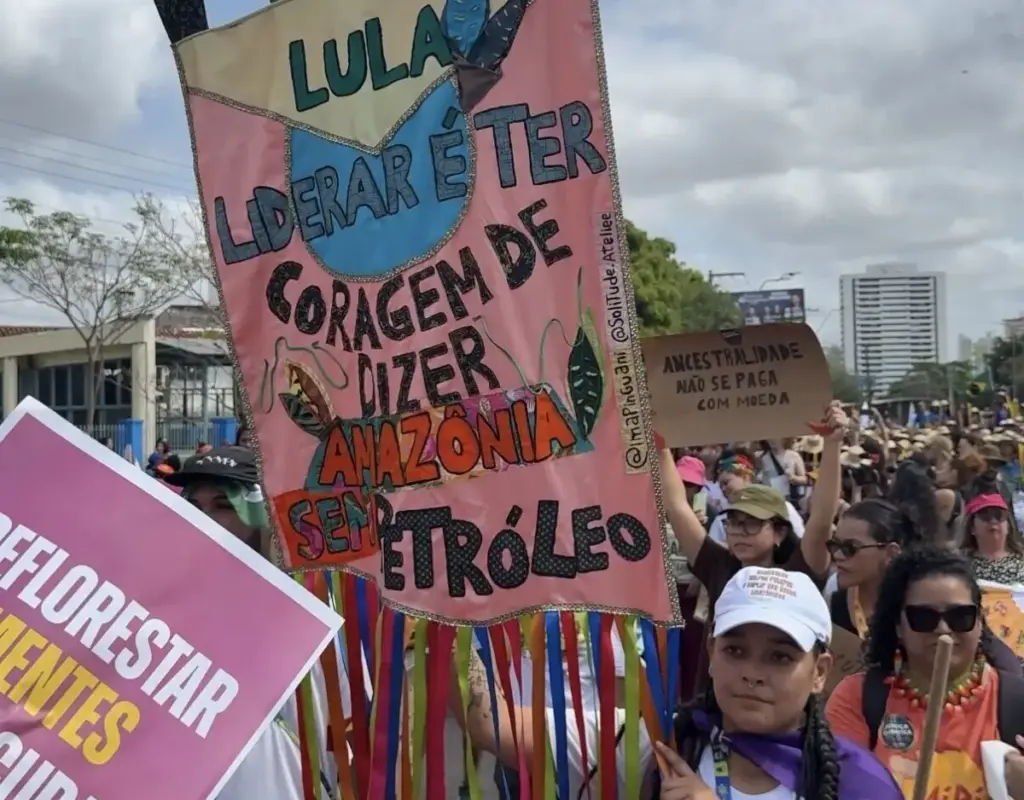
The reintroduction of this clause marks a sharp reversal from the precedents set at previous UN climate summits, notably COP30 in Belém, Brazil, where human rights organizations successfully lobbied to excise similar non-interference language. Rights advocates, civil society coalitions, and legal scholars warn that the clause provides Ankara with expansive legal cover to suppress peaceful protests, restrict freedom of expression, and target climate activists, international observers, and domestic dissidents during the summit.
Türkiye’s selection as host comes amid intense scrutiny over its domestic human rights record. In recent years, the government under President Recep Tayyip Erdoğan has faced systematic criticism for the imprisonment of opposition figures, journalists, and civic advocates, as well as the imposition of sweeping protest bans—including a blanket security prohibition enforced during a major NATO summit in Ankara. As climate negotiations increasingly intersect with global human rights standards, the Antalya Host Country Agreement reopens a critical debate: whether the UN climate process is compromising core civil liberties to secure host nation partnerships.
Detailed Chronology of the Host Agreement Dispute
+-----------------------------------------------------------------------------------+
| CHRONOLOGY: EVOLUTION OF UN HOST COUNTRY AGREEMENTS (HCAs)                        |
+-----------------------------------------------------------------------------------+
| • COP27 (Sharm el-Sheikh, Egypt): Heavy surveillance and restricted protest zones |
|   spark international outcry over civil society access.                           |
| • COP28 (Dubai, UAE) & COP29 (Baku, Azerbaijan): Authoritarian host hosts face   |
|   scrutiny; non-interference clauses used to constrain activist mobilization.      |
| • COP30 (Belém, Brazil): Historic breakthrough—civil society pressures UNFCCC to   |
|   strip non-interference provisions, prioritizing free expression.               |
| • COP31 (Antalya, Türkiye): UNFCCC reinstates non-interference duty in signed     |
|   host deal, prompting widespread pushback from rights monitors.                  |
+-----------------------------------------------------------------------------------+
The Pattern of Host Country Restrictions (COP27–COP29)
The friction over civil liberties at UN climate summits has escalated over the past decade as conference host duties have rotated through nations with restrictive domestic political environments.
During COP27 in Sharm el-Sheikh, Egypt, human rights groups documented widespread digital surveillance, arbitrary detentions of local activists, and the segregation of peaceful demonstrations to remote, heavily guarded desert zones far from negotiating halls. Similar concerns arose during COP28 in Dubai, United Arab Emirates, and COP29 in Baku, Azerbaijan, where strict state controls severely limited spontaneous civil society actions, vigils, and criticism of host-state fossil fuel industries or governance records.
The Brazil Benchmark (COP30)
In response to sustained pressure from international non-governmental organizations (NGOs) and human rights rapporteurs, the UNFCCC modified its legal approach for COP30 in Belém, Brazil. Negotiations over the COP30 Host Country Agreement yielded a refined text that prioritized international human rights standards, omitting traditional non-interference language that authoritarian governments historically relied upon to restrict activist mobility.
The Brazilian agreement was hailed by civil society as a baseline standard for all future COP hosts, establishing that UN-managed spaces ("Blue Zones") must guarantee absolute protections for peaceful assembly, freedom of speech, and political expression.
The Antalya Agreement and the Reversion to Restrictive Terms
Despite the precedent set in Brazil, the finalized Host Country Agreement for COP31 in Antalya reinstated the controversial non-interference requirement. Drafted quietly between UNFCCC legal representatives and the Turkish Ministry of Foreign Affairs, the document obligates all registered attendees—including state delegates, journalists, indigenous leaders, and NGO observers—to refrain from acts deemed disruptive to Türkiye’s domestic security or political affairs.
Rights organizations monitoring UN climate legal treaties discovered the clause following the formal filing of the agreement, triggering immediate protests and demands for structural reform within the UNFCCC’s host selection and treaty drafting processes.
Supporting Context and Legal Analysis
Anatomy of the Non-Interference Provision
Host Country Agreements serve as the legal bedrock for international conferences hosted under UN auspices. They delineate logistical responsibilities, tax exemptions, visa facilitation, and sovereign jurisdictional immunities within official conference venues.
                  +----------------------------------------------+
                  |           COP31 Conference Layout            |
                  +----------------------------------------------+
                                         |
            +----------------------------+----------------------------+
            |                                                         |
            v                                                         v
  +-------------------+                                     +-------------------+
  |     BLUE ZONE     |                                     |    GREEN ZONE     |
  |  UN Jurisdiction  |                                     | Turkish National  |
  |  Subject to HCA   |                                     |    Jurisdiction   |
  |  Terms & Duties   |                                     | Fully Subject to  |
  +-------------------+                                     | Domestic Laws &   |
            |                                               |  Protest Bans     |
            v                                               +-------------------+
  [Clause restricts "interference"                                    |
   in internal state matters]                                         v
                                                            [Risk of arbitrary
                                                             police detention]
The contested provision in the Antalya agreement binds attendees to respect local laws and refrains them from "interfering in the internal affairs of the Host Government." While host states argue this clause merely mirrors standard international diplomatic conventions—such as those found in the 1961 Vienna Convention on Diplomatic Relations—legal experts note its application to non-diplomatic observers creates dangerous ambiguities:
- Vague Operational Boundaries: The agreement fails to explicitly define what constitutes "interference," leaving room for host authorities to categorize environmental protests, political speeches, or criticisms of national energy policy as unlawful domestic interventions.
- Blue Zone Vulnerability: While the UN exercises administrative jurisdiction over the inner "Blue Zone," security outside the perimeter remains entirely under Turkish domestic control, creating a double jeopardy scenario for activists transitioning between zones.
- Chilling Effect on Civil Society: The threat of accreditation revocation or domestic prosecution deters local and international observers from speaking out on human rights abuses, land rights, or domestic environmental destruction.
Türkiye’s Domestic Rights Landscape
The inclusion of this clause is particularly concerning given Türkiye’s domestic political trajectory over the last decade. Independent rights organizations, including Human Rights Watch and Amnesty International, have extensively documented systemic erosions of judicial independence, press freedom, and public assembly rights across the country.
| Indicator / Metric | Contemporary Status in Host Nation (Türkiye) | Primary Human Rights Concerns |
|---|---|---|
| Press Freedom (RSF Index) | Ranked in the bottom quartile globally | Widespread jailing of journalists; regulatory bans on independent outlets |
| Judicial Independence | Severely Compromised | Non-compliance with European Court of Human Rights (ECtHR) rulings |
| Political Dissidence | Systematic Prosecution | Incarceration of opposition leaders, mayors, and civil society figures |
| Public Assembly Rights | Restrictive / Blanket Bans | Frequent usage of security bans against environmental, labor, and civil protests |
A critical precedent occurred during the July NATO Summit in Ankara, where local authorities issued blanket protest bans covering entire metropolitan zones. Environmental defenders fear similar blanket prohibitions will be extended across Antalya and surrounding regions during COP31, effectively neutralizing public activism outside the official UN venue.
Official Statements and Stakeholder Perspectives
Human Rights Advocates and Civil Society
Human rights organizations have issued stark warnings regarding the operational risks posed by the agreement, urging the UN to establish unequivocal protections for participants.
Spokesperson, Human Rights Legal Watch:
"Reinstating a non-interference clause in the COP31 Host Country Agreement sets a perilous precedent. UN climate summits cannot function as isolated bubbles where basic rights are traded away for diplomatic convenience. By granting the Turkish host government legal leverage to define ‘interference,’ the UNFCCC is exposing activists, journalists, and marginalized communities to arbitrary suppression."Director of Global Campaigns, Climate Action Network (CAN):
"Climate justice is inextricably linked to human rights and civil liberties. We saw significant progress at COP30 in Brazil toward safeguarding civil society space. Reverting to restrictive legal language for Antalya signals a retreat by the UN Secretariat. We demand binding guarantees that no delegate or advocate will face intimidation, surveillance, or arrest for exercising their right to free speech."
The UN Climate Secretariat (UNFCCC)
Responding to inquiries regarding the inclusion of the clause, representatives for the UNFCCC maintained that Host Country Agreements must balance international operational requirements with host state sovereignty.
Official Press Statement, UNFCCC Secretariat:
"The UNFCCC is deeply committed to ensuring that all official UN climate conferences are inclusive, safe, and open to full participation by civil society. Host Country Agreements are negotiated legal instruments that establish necessary administrative and diplomatic conditions. The Secretariat works continuously with all host governments to protect the safety, rights, and privileges of all participants within the UN-managed Blue Zone, in accordance with UN standards and international law."
The Turkish Host Committee and Government Position
Turkish officials rejected claims that the agreement aims to silence criticism, framing the provision as a standard legal clause aimed at maintaining national security and international protocol.
Senior Representative, Turkish Ministry of Foreign Affairs:
"Türkiye is honored to host COP31 in Antalya and remains fully committed to delivering a seamless, secure, and inclusive summit for global leaders and delegates. The Host Country Agreement aligns with standard international practices and UN protocols. The clause in question respects sovereign national legal frameworks while providing robust protections for official conference proceedings. Suggesting that these provisions endanger participants is entirely unfounded."
Future Outlook and Implications for Climate Diplomacy
The controversy surrounding the COP31 Host Country Agreement highlights fundamental structural challenges in how the United Nations organizes major international summits. As climate change accelerates, climate diplomacy increasingly intersects with controversial issues of indigenous land rights, state-backed extraction, corporate accountability, and fundamental civil liberties.
                       COP31 DIPLOMATIC TRAJECTORY
                                    |
          +-------------------------+-------------------------+
          |                                                   |
          v                                                   v
[Option A: Status Quo]                             [Option B: Legal Reform]
- UN maintains HCA text.                           - UNFCCC adopts standard HCA
- High risk of activist arrests & protests.          human rights baseline for all future COPs.
- Broad civil society boycotts.                    - Explicit protections for Blue/Green zones.
Potential Operational Consequences at COP31
- Civil Society Strategy Shifts: Non-governmental organizations may alter their participation strategies, limiting reliance on local Turkish activists who face heightened legal exposure, or coordinating alternative off-site summits outside Türkiye’s physical jurisdiction.
- Diplomatic Friction: Western state delegations, particularly from the European Union and nations prioritizing human rights frameworks, may face pressure from domestic parliaments to raise civil society protections directly during bilateral sessions with Turkish negotiators.
- Heightened Legal Scrutiny within the Blue Zone: The UN Secretariat will face intense pressure to deploy independent UN security officers and legal observers within the conference venue to prevent potential overreach by Turkish state security personnel operating near the boundary lines.
Long-Term Institutional Reform
The disagreement over the Antalya agreement reinforces calls from international legal experts for the UNFCCC to draft a standardized, publicly accessible model Host Country Agreement. Advocates argue that human rights safeguards, freedom of assembly protections, and explicit definitions of participant rights should be non-negotiable requirements built into the bidding criteria for any nation seeking to host future climate summits.
Without institutional safeguards, future climate negotiations risk being constrained by host nations seeking to insulate their domestic policies from international scrutiny, undermining the transparency and democratic accountability essential to global climate action.



