

Executive Overview
The American solid waste management industry is navigating a period of profound operational transformation, regulatory reckoning, and strategic reconfiguration. Across the country, landfill operators are caught between competing priorities: aggressively pursuing critical facility expansions to stave off impending regional capacity deficits while simultaneously managing increasingly stringent environmental compliance protocols, complex post-closure obligations, and heightened public oversight.
Recent developments underscore this volatile operating environment. In upstate New York, Casella Waste Systems secured a pivotal expansion permit for its Hakes Construction and Demolition (C&D) landfill, a move designed to buffer regional capacity as other local facilities head toward planned closures. Simultaneously, however, the company faces the reality of early closures at other northeastern sites.
On the opposite coast, the waste management sector is reckoning with intense regulatory and legal scrutiny. A damning state audit in California revealed severe shortcomings in how Los Angeles County health officials responded to noxious odors and toxic air emissions emanating from the beleaguered Chiquita Canyon Landfill, operated by Waste Connections. Coupled with ongoing resident lawsuits over persistent odor issues at other California facilities and shifting operational models in the Midwest—where Ohio sites are balancing rigorous post-closure monitoring with green energy transitions—the industry faces a complex web of environmental justice concerns, economic pressures, and infrastructural evolution.
This comprehensive report examines the multifaceted challenges currently shaping the U.S. landfill sector, analyzing Casella’s strategic expansions, the regulatory failures highlighted in California, and the broader macro-trends redefining how communities and corporations manage municipal solid waste (MSW) and C&D debris.
Detailed Chronology of Recent Sector Developments
The past several weeks have brought a flurry of announcements, regulatory filings, and audit releases that illuminate the mounting pressures facing landfill operators and municipal overseers alike:
- September 22: The New York State Department of Environmental Conservation (NYSDEC) formally issues an expansion permit to Casella Waste Systems for the Hakes C&D Landfill located in Campbell, New York. The permit clears the way for approximately 43.3 acres of new disposal area and roughly 5.8 million cubic yards of additional capacity.
- Early September: Casella publicly acknowledges that another of its managed Northeast facilities is slated to close earlier than originally anticipated, intensifying the regional scramble for secure waste disposal avenues.
- Tuesday (Audit Release Date): The California State Auditor publishes a scathing report detailing systemic delays and communication failures by the Los Angeles County Department of Public Health (LADPH) in addressing resident complaints surrounding the Chiquita Canyon Landfill.
- Ongoing (Fall 2025–2026): Legal battles mount in California as local communities file class-action and nuisance lawsuits against Waste Connections over persistent odor and air quality violations. Concurrently, in Ohio, municipal and private operators navigate long-term post-closure monitoring phases while incorporating modern renewable energy infrastructure, such as on-site solar panel installations.
Casella’s Strategic Maneuvers: Securing New York’s C&D Capacity
The solid waste landscape in the Northeast is characterized by a dwindling number of operational sites and increasingly fierce opposition to greenfield developments. In this climate, major regional players like Casella Waste Systems must rely on strategic expansions of existing permitted facilities to maintain market share and ensure regional infrastructure stability.
The Hakes C&D Landfill Expansion
Casella’s recent success in securing the NYSDEC permit for the Hakes C&D Landfill in Campbell, New York, represents a major milestone for the company’s regional infrastructure strategy. Under the newly minted permit terms, Casella will add approximately 43.3 acres to the site’s disposal footprint, translating to roughly 5.8 million cubic yards of fresh air space.
The Hakes facility currently operates under strict state guidelines, permitted to accept up to 466,000 tons per year of construction and demolition materials. According to Casella Chief Executive Officer Ned Coletta, the newly acquired capacity will extend the operational lifespan of the Hakes facility by approximately two decades based on current run rates.
Beyond simply adding raw volume, the expansion project encompasses crucial operational upgrades. Casella plans to construct a completely revamped leachate transfer and storage area, alongside advanced gas collection and treatment systems designed to mitigate environmental emissions. Furthermore, the expansion incorporates an additional 21.7 acres dedicated to the site’s soil borrow area—an essential component that allows operators to excavate native soils required daily for operational cover, grading, and interim construction.
Mitigating Regional Capacity Constraints
The timing of the Hakes approval is far from accidental. Casella and other regional operators are actively preparing for a looming capacity crunch driven by the planned closure of the Ontario County Landfill in New York, which is mandated to shutter by the end of 2028. Because Casella operates the Ontario County site under a municipal contract, its impending closure removes a massive sink for regional waste, threatening to send disposal fees skyrocketing and straining neighboring facilities.
"Reliable C&D disposal capacity is a critical component of New York State’s solid waste infrastructure, and we take pride in providing service that we believe supports the opportunity for broader regional economic growth," Coletta noted in an official corporate statement. "This expansion positions us to serve that demand while preserving valuable capacity across our municipal solid waste landfill network."
Looking ahead, Casella’s expansion playbook extends beyond Hakes. Company executives noted during a May earnings call that they are aggressively pursuing an additional expansion permit for their Hyland Landfill site in New York, with hopes of securing regulatory approval by early 2027.
Regulatory Fallout: The Chiquita Canyon Landfill Audit
While private operators in the East work to expand and secure long-term capacity, operators and regulators in the West are grappling with high-profile environmental crises and severe public backlash. No facility currently exemplifies this turmoil better than the Chiquita Canyon Landfill in Los Angeles County, California.
Anatomy of a Crisis
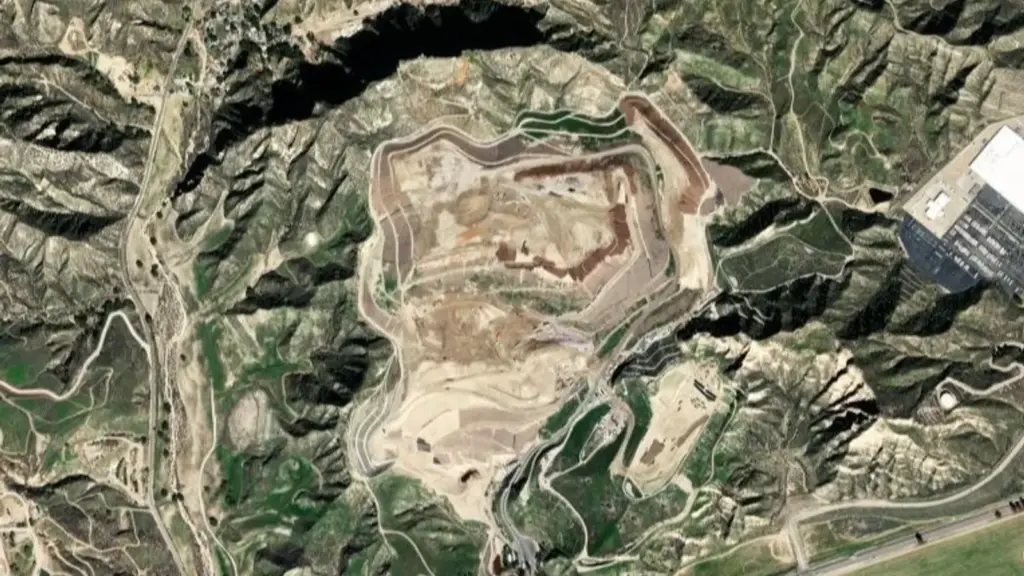
Operated by Waste Connections, the Chiquita Canyon Landfill became the epicenter of a massive environmental and public health controversy. Following years of escalating regulatory actions, neighborhood protests, and legal challenges, the landfill closed in 2025.
The primary catalyst for the site’s downfall was an unprecedented "elevated temperature anomaly"—a deep-seated chemical reaction within the waste mass that drastically accelerated gas generation, generated severe chemical odors, and damaged traditional landfill gas collection infrastructure. For months, residents living in close proximity to the facility flooded regulatory agencies with complaints detailing debilitating physical symptoms, including chronic headaches, severe nausea, and acute respiratory distress.
Findings of the California State Auditor
On Tuesday, the California State Auditor released a comprehensive, highly critical report evaluating the performance of local health regulators during the crisis. The audit explicitly concluded that the Los Angeles County Department of Public Health (LADPH) exhibited significant "shortcomings" in its operational response and citizen outreach.
Key findings of the state audit include:
- Delayed Data Collection: LADPH failed to promptly collect, compile, or rigorously review real-time air quality monitoring information from the neighborhoods surrounding the landfill.
- Opaque Public Communication: Health officials routinely failed to transparently communicate specific ambient air concentrations of hazardous chemicals to exposed residents, breeding deep mistrust within the community.
- Inadequate Health Tracking: The agency neglected to maintain up-to-date tracking of resident health symptoms. Consequently, state auditors found that "LADPH does not have a complete or current understanding of residents’ symptoms."
- Sluggish Relocation Advocacy: Perhaps most damningly, the audit revealed that LADPH waited until May 2025—a full two years after the public health emergency had escalated—to formally direct Chiquita Canyon’s operators to fund and provide comprehensive relocation assistance to suffering families.
Institutional Response and Accountability
Predictably, LADPH has formally disagreed with several specific claims and characterizations leveled by the state auditors. However, facing undeniable scrutiny, the agency has agreed to fully implement the structural changes and procedural recommendations outlined in the report.
State auditors have strongly urged LADPH to establish formalized, rigid internal policies and standard operating procedures for responding to localized environmental health hazard events. Furthermore, the agency must institute mandatory, routine public reporting protocols to ensure that impacted communities receive rapid, unvarnished data regarding air quality metrics and associated public health risks.
Simultaneously, Waste Connections continues to weather ongoing legal fallout. Beyond the state audit, nearby residents have initiated aggressive class-action lawsuits and property devaluation claims against the company, alleging that corporate negligence and regulatory failures severely compromised their quality of life and personal health.
Supporting Context, Metrics, and Macro-Trends
The concurrent challenges facing Casella in New York and Waste Connections in California illustrate larger, systemic pressures transforming the North American waste management industry:
- The Shrinking National Landfill Footprint: According to data from the Environmental Research & Education Foundation (EREF), the total number of active municipal solid waste landfills in the U.S. has experienced a steady, multi-decade decline. While average landfill sizes have increased (due to consolidation and larger corporate ownership), the per capita remaining permitted airspace is shrinking, particularly in high-density coastal regions.
- Environmental Justice and Community Resistance: "Not In My Back Yard" (NIMBY) sentiment has evolved into sophisticated, legally organized environmental justice movements. Communities are no longer willing to accept localized air and odor pollution without demanding rapid regulatory intervention, third-party health studies, and substantial community benefit agreements or buyouts.
- The Technical Complexity of Modern Sites: Landfills are no longer simple dirt holes where waste is buried; they are massive, highly engineered biochemical reactors. Issues like elevated temperature reactions at Chiquita Canyon demonstrate that operators are facing novel thermodynamic and chemical challenges that outpace historical engineering guidelines.
- The Green Energy Pivot: While some sites struggle with compliance and odor mitigation, others are pivoting toward renewable energy integration. Across states like Ohio, operators are managing complex post-closure monitoring phases while simultaneously installing extensive solar photovoltaic arrays on capped landfill surfaces, turning dormant liabilities into clean energy assets.
Official Statements and Industry Perspectives
The duality of modern waste management—balancing aggressive corporate growth with stringent environmental stewardship—was powerfully captured in recent statements from industry leaders and regulatory bodies:
- Ned Coletta, CEO of Casella Waste Systems: Emphasizing the economic necessity of infrastructure development, Coletta stated: "Reliable C&D disposal capacity is a critical component of New York State’s solid waste infrastructure, and we take pride in providing service that we believe supports the opportunity for broader regional economic growth. This expansion positions us to serve that demand while preserving valuable capacity across our municipal solid waste landfill network."
- California State Auditor’s Office: Highlighting the urgent need for systemic reform in public health oversight, the audit report asserted: "LADPH’s failure to promptly collect air quality data, track resident health symptoms, and advocate for timely relocations left vulnerable populations unprotected during a severe environmental hazard event. Formalized policies are immediately required to restore public trust and ensure robust emergency responses in the future."
Future Outlook: What Lies Ahead for the Landfill Sector?
As the waste management industry moves through the remainder of the decade, several critical trends will dictate the viability, profitability, and operational safety of commercial landfills across the United States:
1. Heightened Regulatory Scrutiny on Air and Odor Emissions
In the wake of the Chiquita Canyon disaster and subsequent state audits, environmental protection agencies (EPAs) and local air quality management districts are expected to tighten operational permits. Operators will face mandatory continuous emissions monitoring systems (CEMS), stricter thresholds for hydrogen sulfide and volatile organic compounds (VOCs), and accelerated timelines for repairing compromised gas collection wells.
2. Accelerated Capital Expenditure for Capacity Expansion
With prominent regional facilities like New York’s Ontario County Landfill approaching their mandated end-of-life dates by 2028, surviving operational sites will experience intense volume pressure. Companies that successfully navigate the multi-year environmental review and permitting process—such as Casella with its Hakes and Hyland projects—will hold immense pricing power in regional disposal markets. However, securing these permits will require unprecedented levels of community engagement and environmental mitigation.
3. The Rise of Smart Landfill Monitoring and Renewable Integration
To combat both public skepticism and technical failures, the industry is rapidly adopting advanced technological solutions. Drone-based thermal imaging, AI-driven gas flow monitoring, and real-time electronic nose (e-nose) odor tracking networks are becoming standard operating procedure for risk mitigation. Concurrently, the dual-use model of capping old landfill cells and leasing the acreage for solar energy installations will accelerate, transforming passive environmental liabilities into active revenue streams.
Ultimately, the American landfill sector stands at a historic crossroads. Operators who successfully balance the imperative for physical expansion with uncompromising standards of environmental compliance and transparent public communication will navigate the coming decade successfully. Those that fail to heed the hard lessons of regulatory oversight and community trust risk severe legal liabilities, premature facility closures, and lasting reputational damage.



