Executive Overview
A slow-motion environmental crisis is quietly overwhelming the Caribbean archipelago. As one of the strongest El Niño events in modern history collides with accelerated anthropogenic warming, millions of residents across the Greater and Lesser Antilles are facing unprecedented thermal stress and severe hydrological deficits. Unlike the dramatic, highly visual destruction wrought by Atlantic hurricanes or the roaring infernos currently consuming European forests, this disaster operates in near-total silence. There are no sirens to signal the onset of a deadly heatwave, no rising plumes of smoke to mark the depletion of vital aquifers, and no immediate rubble around which international relief operations can assemble.
Instead, the crisis unfolds behind closed doors and under a punishing sun. Across Puerto Rico, Cuba, Hispaniola, and neighboring island states, temperatures are routinely breaching 38°C (100°F), with real-feel heat indexes soaring to a crushing 43°C (109°F). For vulnerable populations—particularly outdoor agricultural workers, the elderly, and communities trapped in crumbling, power-starved urban centers—the conditions have crossed into domain-level health hazards.
The crisis is exacerbated by systemic infrastructural fragilities. In Cuba, rolling blackouts leave millions without basic mechanical cooling, transforming homes into thermal traps. In Puerto Rico, an unstable energy grid threatens water distribution and emergency healthcare systems. As public health authorities issue generic advisories urging citizens to stay indoors and remain hydrated, a stark socio-economic divide has emerged: such recommendations are functionally meaningless for the millions of agricultural laborers and informal workers whose livelihoods require daily physical exertion in extreme conditions. This report provides an in-depth investigation into the convergence of El Niño, structural underdevelopment, and global climate breakdown across the Caribbean basin.
       CARIBBEAN CLIMATE IMPACT MATRIX: EL NIÑO + ANTHROPOGENIC WARMING
┌─────────────────────────────────────────────────────────────────────────────┐
│                             PRIMARY DRIVERS                                 │
│  [Pacific SST Elevation] ──► [Atmospheric Shear Shifts] ──► [Suppressed Rain] │
│  [Global GHG Forcing]   ──► [Baseline Ocean Warming]   ──► [Extreme Heat]   │
└──────────────────────┬──────────────────────────────────────────────────────┘
                       │
                       ▼
┌─────────────────────────────────────────────────────────────────────────────┐
│                           COMPOUND IMPACTS                                  │
├──────────────────────────────┬──────────────────────────────┬───────────────┤
│    HYDROLOGICAL DEFICIT      │        THERMAL STRESS        │ GRID CRITICAL │
├──────────────────────────────┼──────────────────────────────┼───────────────┤
│ • Reservoir depletion        │ • Temps > 38°C (100°F)       │ • Blackouts   │
│ • Agricultural crop loss     │ • Heat Index > 43°C (109°F)  │ • No cooling  │
│ • Aquifer salinization       │ • Wet-bulb risk threshold    │ • Water failure│
└──────────────────────────────┴──────────────────────────────┴───────────────┘
Detailed Chronology of the Crisis
The current emergency is the result of a multi-month convergence between macro-climatic patterns and regional socio-economic vulnerabilities.
2023–2024 CRITICAL TIMELINE: CARIBBEAN CLIMATE EMERGENCY

[Q1 2023] ───► [Q2 2023] ───► [Q3 2023] ───► [Q4 2023 - PRESENT]
 Oceanic        Atmospheric    Thermal       Structural
 Anomalies      Suppression    Escalation    Crisis Point
 (Pacific SST   (Trade wind    (Temps pass   (Grid collapse,
  Unwarming)     alteration)    38°C / 43°C)  water rationing)
Phase 1: The Emergence of Anomalous Oceanic Warming (Early 2023)
Beginning in early 2023, climate scientists monitored a rapid warming of Sea Surface Temperatures (SSTs) in the central and eastern tropical Pacific, signaling the formal transition from a prolonged La Niña state to a potent El Niño phase. Concurrently, SSTs across the Tropical North Atlantic and the Caribbean Sea recorded unprecedented high anomalies, driven by long-term anthropogenic climate change. This dual oceanic warming laid the groundwork for severe atmospheric distortions across the region.
Phase 2: Atmospheric Shear and Hydrological Suppression (Mid-2023)
By late spring, the characteristic atmospheric signatures of El Niño became fully established over the Caribbean Basin. High-level westerly winds intensified, altering historical trade wind patterns and generating significant vertical wind shear. While high wind shear often acts as a physical barrier against the structural organization of tropical cyclones, it simultaneously inhibits the convective cloud development responsible for the region’s traditional rainy season. Early-summer precipitation totals dropped significantly below historic baselines, triggering a insidious hydrologic drought across the Greater Antilles.
Phase 3: Thermal Escalation and Microclimatic Extremes (Mid-to-Late 2023)
As summer progressed, suppressed cloud cover and high solar radiation drove temperatures to extreme levels. By mid-year, weather stations across Puerto Rico, the Dominican Republic, and Cuba recorded daily highs exceeding 38°C (100°F). Relative humidity levels amplified the heat, pushing the heat index (real-feel temperature) to 43°C (109°F) in coastal and urban plain microclimates. The absence of traditional evening cooling trends deprived human bodies and local ecosystems of critical thermal recovery periods.
Phase 4: Structural Breakdown and Public Health Cascades (Present)
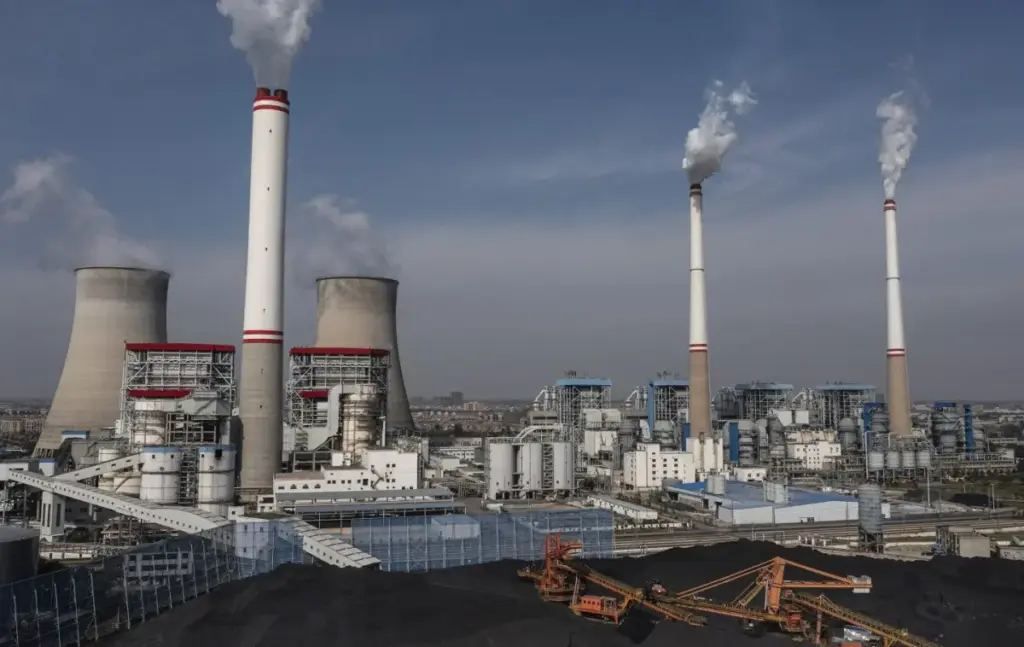
The prolonged heatwave swiftly exposed the structural deficits of regional energy systems. Power grids, burdened by surging demand for air conditioning and hampered by chronic underinvestment and fuel shortages, began failing at scale. In Cuba, grid instability escalated into widespread, long-duration blackouts, depriving millions of basic refrigeration and fan-driven cooling. In Puerto Rico, electrical volatility frequently disrupted municipal water pumping facilities, converting a meteorological drought into a cascading humanitarian and infrastructural emergency.
Supporting Context & Metrics
Understanding the scale of this crisis requires analyzing the complex interaction between meteorological metrics, physical geography, and regional socio-economic vulnerabilities.
       REGIONAL IMPACT MATRIX: TEMPERATURE VS. INFRASTRUCTURE VULNERABILITY
┌─────────────────┬──────────────────┬───────────────────┬──────────────────────┐
│ Region/Territory│ Max Actual Temp  │ Real-Feel Index   │ Primary Grid Status  │
├─────────────────┼──────────────────┼───────────────────┼──────────────────────┤
│ Puerto Rico     │ 38.3°C (101°F)   │ 43.3°C (109°F)    │ Highly Unstable      │
│ Cuba            │ 38.8°C (102°F)   │ 42.5°C (108°F)    │ Widespread Collapse  │
│ Hispaniola      │ 37.9°C (100°F)   │ 41.8°C (107°F)    │ Intermittent Shortage│
│ Lesser Antilles │ 35.5°C (96°F)    │ 40.0°C (104°F)    │ Locally Strained     │
└─────────────────┴──────────────────┴───────────────────┴──────────────────────┘
Thermal Indices and Human Physiology
The physiological burden of the current heatwave is largely determined by the relation between ambient air temperature and relative humidity. When ambient temperatures reach 38°C in high-humidity tropical environments, the human body’s primary thermoregulatory mechanism—evaporative cooling through sweat—becomes highly inefficient.
               HUMIDITY vs. AMBIENT TEMPERATURE HEAT INDEX MATRIX

   Ambient Temp (°C)
     40°C ┤  44°C   48°C   53°C   59°C   [DANGER ZONE: Severe Heat Stroke]
     38°C ┤  40°C   43°C   47°C   52°C   [EXTREME CAUTION: Prolonged Stress]
     36°C ┤  37°C   39°C   42°C   45°C
     34°C ┤  34°C   36°C   38°C   40°C
          └──────┬──────┬──────┬──────┘
                45%    55%    65%    75%   Relative Humidity (%)
When the real-feel index reaches 43°C (109°F), healthy individuals exposed to direct sun face elevated risks of heat exhaustion, heat hyperpyrexia, and fatal heat stroke. For vulnerable demographics—including the elderly, pediatric populations, and individuals with preexisting cardiovascular conditions—these elevated thermal baselines create life-threatening environments without mechanical air cooling.
Hydrological Deficits and Agricultural Contraction
The meteorological drought caused by El Niño has led to widespread hydrological deficits across the Caribbean:
- Reservoir Depletion: Primary municipal reservoirs across the Greater Antilles have seen capacity reductions between 30% and 55%, triggering aggressive water-rationing protocols.
- Aquifer Intrusion: In coastal agricultural sectors, falling groundwater levels have accelerated saltwater intrusion into subterranean aquifers, permanently impairing irrigation water quality.
- Crop Yield Depressurization: Staple crops including plantains, root vegetables, sugarcane, and coffee are suffering severe thermal stress and moisture deficits. Projected agricultural output reductions for the coming season range from 20% to 40% across affected territories, exacerbating food security vulnerabilities in a region heavily dependent on foreign imports.
HYDROLOGICAL IMPACT ON REGIONAL RESERVOIR LEVELS (%)
Normal Baseline:  [====================] 100%
Current Levels:   [=========───────────]  45% (Average across Greater Antilles)
Critical Threshold:[======──────────────]  30% (Emergency Rationing Trigger)
The Infrastructure Dilemma: Energy Grid Vulnerability
The severity of the heatwave is directly amplified by structural failures in local power grids.
- Cuba’s Grid Crisis: Cuba’s centralized power distribution network, reliant on aging, poorly maintained thermoelectric stations and plagued by national fuel shortages, has suffered severe capacity deficits. During peak heat periods, generation gaps exceed 30% to 40% of national demand. Consequently, municipal centers experience routine daily blackouts lasting from 8 to 18 hours. Without electric fans, refrigeration, or indoor climate control, urban environments become heat traps, escalating domestic heat stress into a severe public health crisis.
- Puerto Rico’s Transmission Fragility: Despite ongoing privatization efforts and post-disaster reconstruction funds following major storm events, Puerto Rico’s power transmission system remains highly fragile. Frequent unexpected trips and generation shortfalls destabilize localized power networks. The lack of reliable electricity paralyzes centralized water distribution networks that rely on electrical pumps, leaving communities simultaneously without power and running water during extreme thermal events.
Official Statements and Expert Perspectives
The human and policy dimensions of this crisis have drawn critical analysis from hydrologists, climate activists, public health officials, and local labor advocates.
The Hydrological and Campaign Perspective
Amira Odeh Quiñones, an experienced hydrologist and Caribbean organizer for the climate campaign group 350.org, emphasizes the silent, creeping nature of drought and thermal stress compared to sudden-onset natural disasters:
"El Niño, likely to be one of the strongest in modern history, has arrived on Caribbean shores. Drought is slowly creeping up on our islands. But unlike the fiery wildfires ravaging parts of Europe, there’s no smoke signalling the damage being done, no sirens to warn of the danger. Only announcements from public health officials to stay indoors and remain hydrated—as if outdoor workers and farming communities have the luxury to heed such advice."
Quiñones highlights the fundamental disconnect between generic public health guidelines and the socio-economic realities of marginalized populations:
"During El Niño, strong atmospheric winds alter rain patterns and trap heat across the Caribbean. But while we have experienced El Niño many times before, it has become very visible in recent years how climate change is making this natural phenomenon worse. Across the Greater Antilles, temperatures are soaring past 38°C, with real-feel indexes reaching a gruelling 43°C in parts of Puerto Rico where I live. Cuba has it worse. Widespread power outages mean that methods for cooling down are unavailable for most of the day, leaving millions of vulnerable people at risk of heat stroke."
                 SYSTEMIC DISCONNECT IN CRISIS MANAGEMENT
┌──────────────────────────────────────┐     ┌──────────────────────────────────────┐
│       PUBLIC HEALTH ADVISORIES       │ VS. │      SOCIO-ECONOMIC REALITIES        │
├──────────────────────────────────────┤     ├──────────────────────────────────────┤
│ • "Stay indoors in air conditioning" │     │ • Grid collapse / Zero electricity   │
│ • "Avoid physical overexertion"      │     │ • Agricultural & construction labor  │
│ • "Maintain continuous hydration"    │     │ • Water grid rationing & dry taps    │
└──────────────────────────────────────┘     └──────────────────────────────────────┘
The Public Health and Economic Reality
Public health officials and labor leaders across the region echo these concerns, stressing that economic inequality determines who bears the brunt of extreme weather:
- Labor Vulnerability: Representatives from regional agricultural unions emphasize that rural workers face a difficult choice between thermal danger and economic hardship. With informal labor markets offering no paid leave or climate safety protocols, outdoor workers continue manual labor in direct sunlight during peak UV and thermal hours, resulting in rising incidents of heat-related illness, chronic kidney disease, and workplace injuries.
- Institutional Inadequacy: Regional meteorologists from the Caribbean Institute for Meteorology and Hydrology (CIMH) have repeatedly noted that baseline climate models must be updated. Historical historical data no longer accurately predicts the intensity of modern El Niño cycles, as baseline ocean and atmospheric temperatures are now permanently elevated by global carbon emissions.
Future Outlook and Systemic Imperatives
As the global climate system enters uncharted territory, the Caribbean stands as a critical test case for island climate resilience, infrastructure survival, and climate justice.
              LONG-TERM CLIMATE ADAPTATION HORIZON (2024–2030)

 ┌───────────────────────────┐     ┌───────────────────────────┐
 │   SHORT-TERM IMPERATIVES  │     │  STRATEGIC TRANSFORMATIONS│
 ├───────────────────────────┤     ├───────────────────────────┤
 │ • Emergency heat protocols│ ──► │ • Distributed Solar Micro-│
 │ • Labor safety mandates   │     │   grids with Storage      │
 │ • Targeted water delivery │     │ • Desalination & Aquifer  │
 │ • Grid stability relief   │     │   Recharge Projects       │
 └───────────────────────────┘     └───────────────────────────┘
Short-to-Medium Term Projections
The current El Niño cycle will continue to influence regional weather dynamics, maintaining elevated thermal baselines and suppressed precipitation patterns into the coming seasons. Even as the immediate El Niño condition eventually fades toward a neutral state or shifts back toward La Niña, the stored thermal energy in the North Atlantic will sustain higher-than-average ambient temperatures across the Caribbean basin.
Furthermore, the transition out of El Niño presents severe compound risks. Should atmospheric wind shear rapidly decay while sea surface temperatures remain abnormally high, the late hurricane season could experience sudden, highly intense tropical storm activity. Islands already weakened by water scarcity, agricultural losses, and grid instability would have to face major cyclonic impacts with depleted infrastructural resilience.
Strategic Structural Imperatives
Addressing the escalating climate crisis in the Caribbean requires moving beyond temporary disaster relief toward systemic adaptation:
- Decentralization and Grid Modernization: The failure of centralized power systems in Cuba and Puerto Rico underlines the urgent need for decentralized renewable energy infrastructure. Expanding community-scale solar microgrids equipped with robust battery storage systems can guarantee uninterrupted power for critical cooling centers, water pumping stations, and medical facilities during grid outages.
- Occupational Climate Standards: Regional governments must establish legally binding occupational safety standards tailored to extreme heat environments. These regulations must mandate mandatory shade periods, adjusted working hours, mandatory hydration protocols, and financial safety nets for outdoor and agricultural laborers during declared heat emergencies.
- Comprehensive Hydrological Planning: Island states must modernize water management infrastructure to counter persistent drought conditions. Priorities include overhauling urban distribution lines to reduce system leakage, scaling up decentralized rainwater harvesting, expanding dynamic groundwater monitoring, and implementing sustainable, energy-efficient desalination powered by renewables.
- International Climate Financing and Equity: The ongoing crisis across Small Island Developing States (SIDS) highlights global climate inequalities. Although Caribbean nations contribute a negligible fraction of global greenhouse gas emissions, they bear a disproportionate burden of the consequences. International climate finance mechanisms—including the Loss and Damage Fund established under UN climate negotiations—must expedite direct capital access for Caribbean nations to build resilient infrastructure and fund adaptation programs before thermal and hydrological crises become irreversible.
Conclusion
The compound impact of El Niño and climate breakdown in the Caribbean demonstrates that thermal stress is an immediate, structural threat to life, economic stability, and human dignity. Without immediate, systemic interventions to modernize infrastructure, protect vulnerable workers, and provide international climate financing, the quiet emergency unfolding across the region risks becoming a permanent humanitarian crisis.