As global temperatures continue to break historic records, an unsustainable paradox is emerging within modern energy systems: the very heatwaves that trigger historic spikes in electricity demand simultaneously cripple the infrastructure designed to supply that power. When summer temperatures surged past 40°C across parts of Europe and North America during recent summer heatwaves, power grids faced a dual crisis. Millions of households turned to air conditioning, sending daily power demand soaring—by nearly 20% in countries like France—while thermal efficiency collapsed, wind speeds stalled, and electrical lines sagged under extreme heat.
Despite widespread engineering vulnerabilities across all utility-scale energy sources, political discourse and media coverage often selectively highlight the limitations of renewable energy. Broad accusations regarding the "intermittency" of solar and wind frequently dominate public debate, while the systemic, heat-induced degradation of traditional thermal plants—such as fossil gas and nuclear power—remains largely downplayed.
However, thermodynamic realities dictate that extreme heat spares no technology. From the water-cooling legal constraints of nuclear reactors along European rivers to the reduced air-density dynamics affecting gas turbines and the atmospheric pressure systems that snuff out wind, extreme weather tests every corner of the modern grid. Understanding the specific mechanisms by which high ambient temperatures impair power generation is critical to engineering grid resilience in an era of accelerating climate change.
Detailed Chronology: The Summer Grid Crisis
The summer of 2026 served as a real-time stress test for global power infrastructure, exposing systemic vulnerabilities across multiple continents.
+-----------------------------------------------------------------------------------+
|                        CHRONOLOGY OF SUMMER GRID STRAIN                           |
+-----------------------------------------------------------------------------------+
|  JUNE 2026       • European Heatwave Begins: Temps exceed 40°C.                    |
|                  • France sees a 20% surge in daily electricity demand.           |
|                  • UK Wind generation drops to 15% (half monthly average).        |
|                  • UK NESO pays up to £1,400/MWh for emergency power imports.     |
|                  • EU Solar generation hits record 52 TWh for the month.          |
+-----------------------------------------------------------------------------------+
|  JULY 2026       • 3 French nuclear reactors shut down; 7 experience curtailments. |
|                  • French nuclear fleet output dips by nearly 9%.                 |
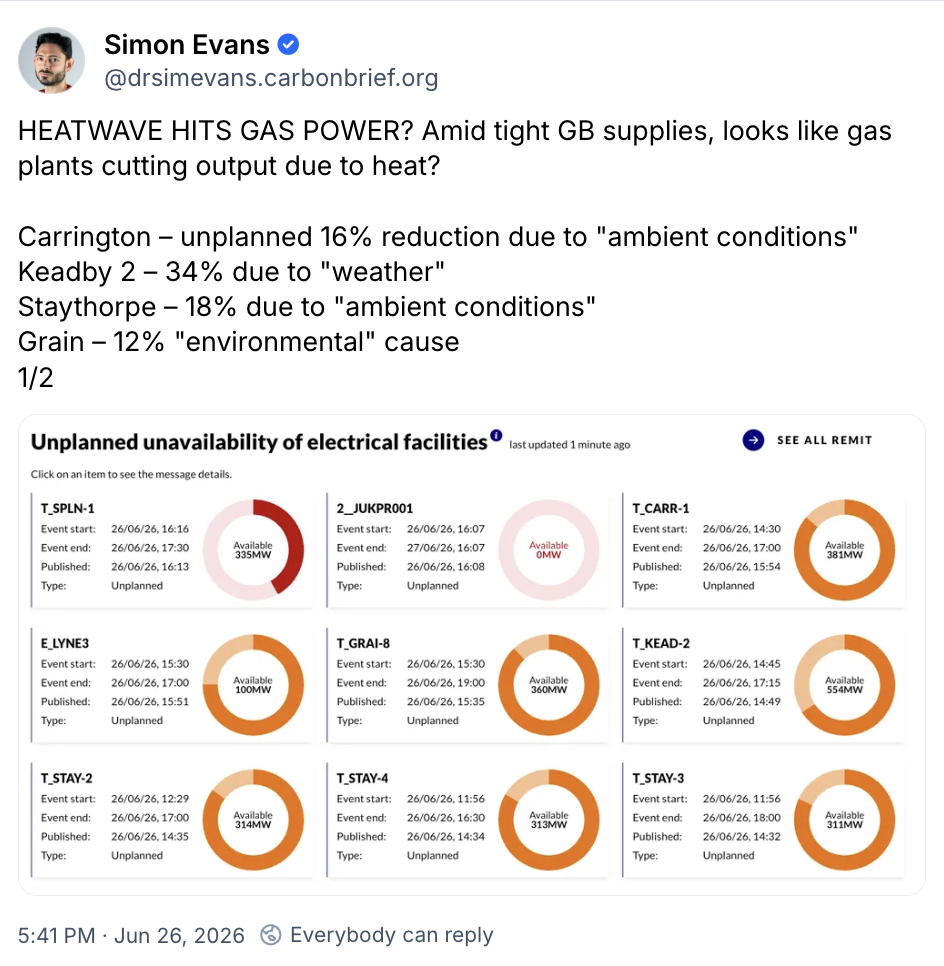
|                  • High ambient heat forces curtailments at gas plants in UK/France.|
+-----------------------------------------------------------------------------------+
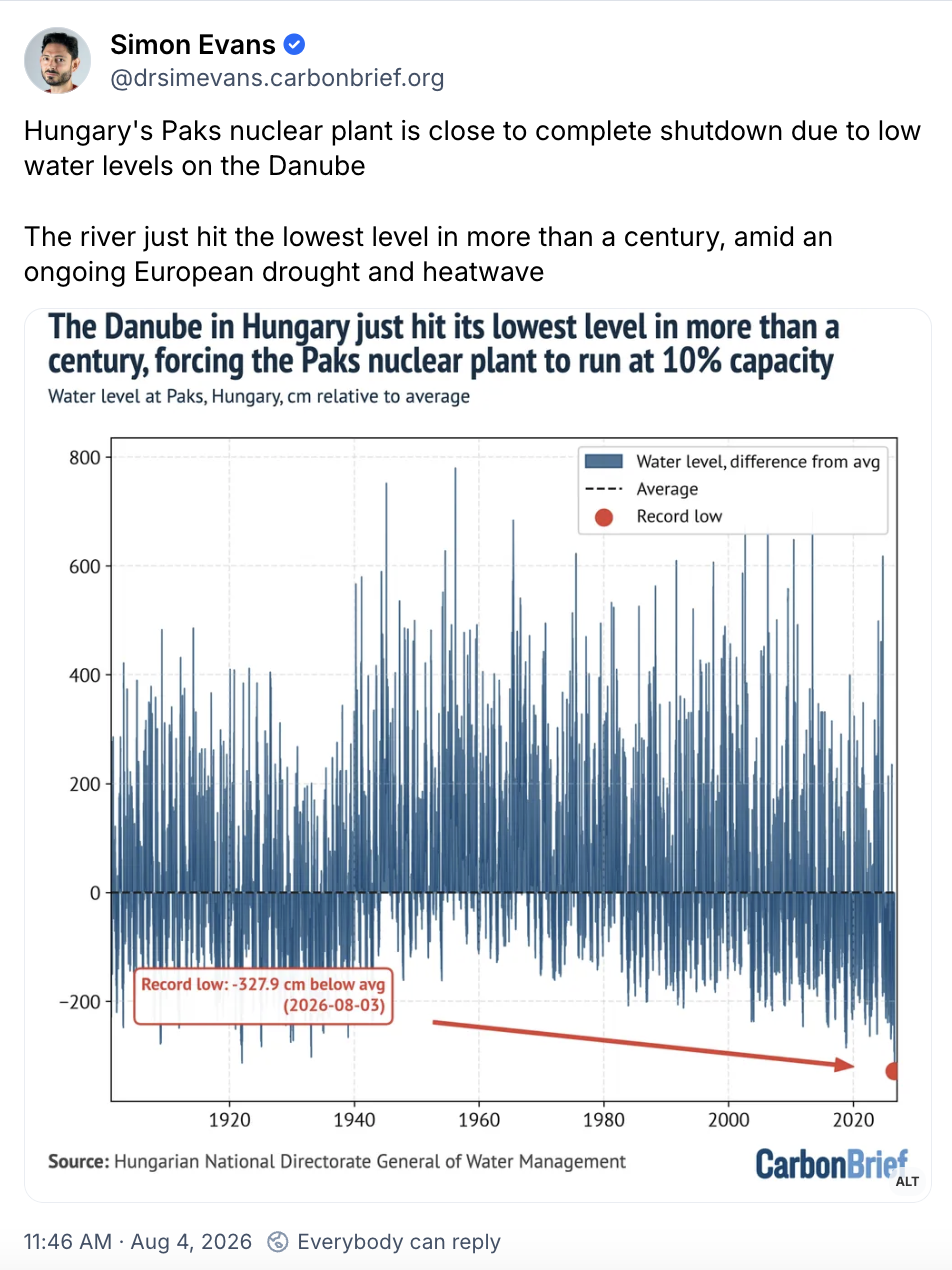
|  AUGUST 2026     • Danube River reaches critical low levels due to drought.       |
|                  • 2.44 GW (40%) of SE Europe's nuclear capacity forced offline.   |
|                  • Romanian and Hungarian reactors face extended shutdowns.       |
+-----------------------------------------------------------------------------------+
June 2026: The Initial Heat Spike
As an expansive "heat dome" settled over Western Europe in late June 2026, temperatures rapidly exceeded 40°C. In France, daily electricity consumption rose by almost 20% over a two-week period as residential and commercial cooling systems ran continuously. In Great Britain, a prolonged high-pressure system caused wind generation to plummet to just 15% of the power mix—half of its monthly average.
On June 24, 2026, Great Britain’s National Electricity System Operator (NESO) was forced to intervene aggressively to balance supply and demand. NESO paid peak prices reaching £1,400 per megawatt-hour (MWh)—nearly 20 times the standard monthly average—to secure roughly 1.7 gigawatts (GW) of imported power via subsea interconnectors.
July 2026: Thermal Plant Curtailments
By July, sustained high temperatures began directly degrading thermal power facilities across the continent. In France, grid operator EDF was forced to completely shut down three of its 57 nuclear reactors and reduce output at seven others, resulting in an immediate 9% drop in national nuclear production. Simultaneously, gas-fired plants across France and the UK saw their output constrained due to ambient air and water temperature thresholds.
August 2026: Hydrological Deficits and Regional Emergencies
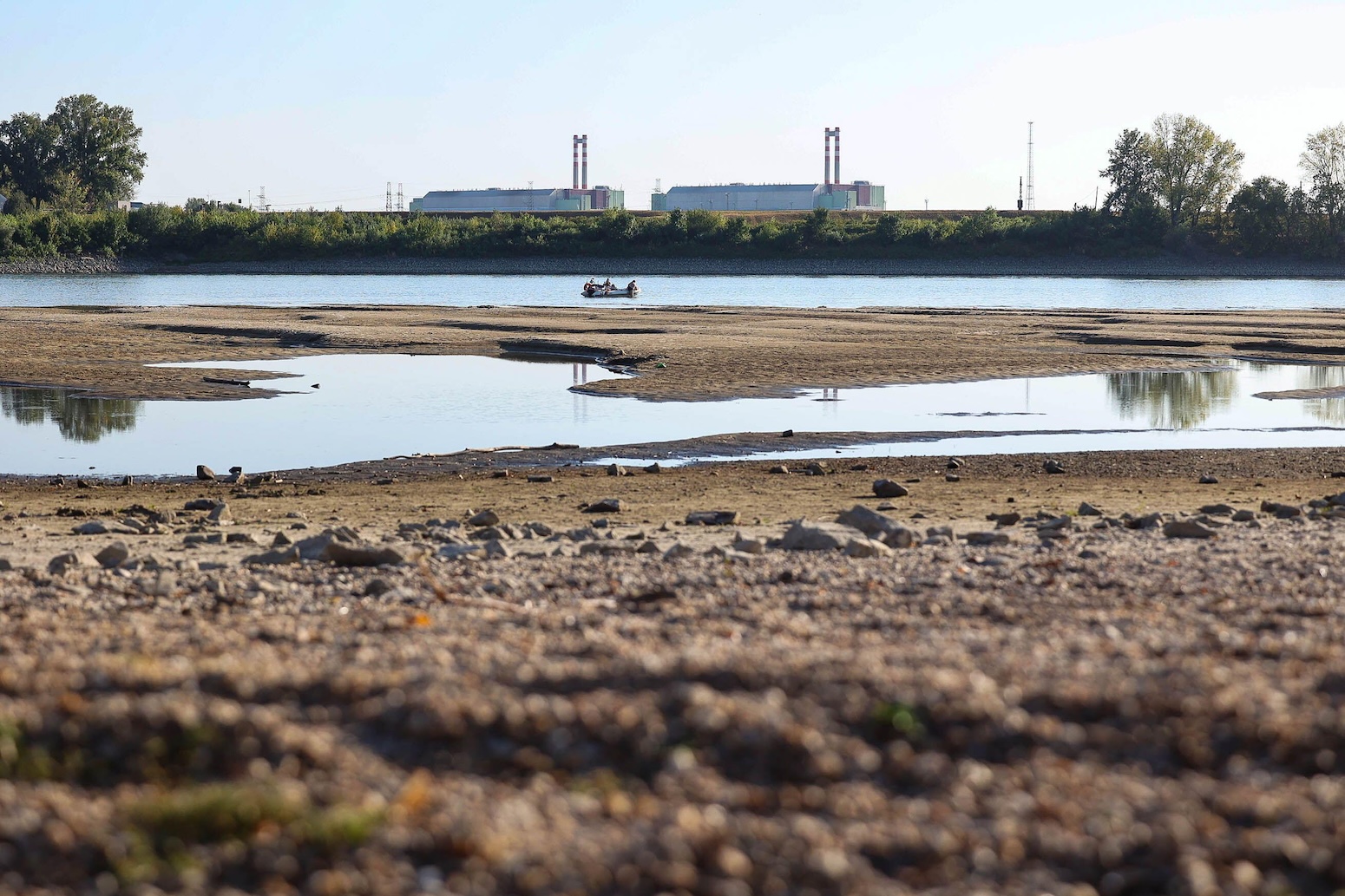
By early August, prolonged heat combined with severe drought conditions dropped river levels along major European waterways like the Danube to critical lows. On August 3, 2026, data from market analytics firm Montel indicated that 2.44 GW—approximately 40% of Southeast Europe’s total nuclear capacity—was offline due to hydrological constraints. Nuclear facilities along the Danube in Hungary and Romania were forced to curtail operations or completely disconnect from the grid, pushing regional power networks to the brink of an emergency.
Supporting Context & Core Generation Metrics
Every major power generation technology interacts with extreme heat differently. The physics of thermodynamic loss, hydrological dependency, and atmospheric behavior dictate how each power source performs when ambient temperatures soar.
+-----------------------------------------------------------------------------------------+
|                    POWER SOURCE PERFORMANCE UNDER EXTREME HEAT                          |
+-----------------------------------------------------------------------------------------+
| Generation Type | Core Heat Sensitivity Mechanism    | Primary Operational Impact       |
+-----------------+------------------------------------+----------------------------------+
| Nuclear         | Water intake temp & legal limits   | Curtailments, shut-downs (drought)|
| Fossil Gas      | Reduced air density & intake temp  | -13% capacity at 40°C vs 20°C    |
| Wind            | Atmospheric stagnation (heat domes)| Output dips 30–50% during waves  |
| Solar PV        | Thermal coefficient limits         | -0.4% efficiency per °C over 25°C|
| Battery Storage | HVAC parasitic cooling loads       | Cell degradation & output limits |
+-----------------+------------------------------------+----------------------------------+
Nuclear Power: Hydrological Bottlenecks and Environmental Regulations
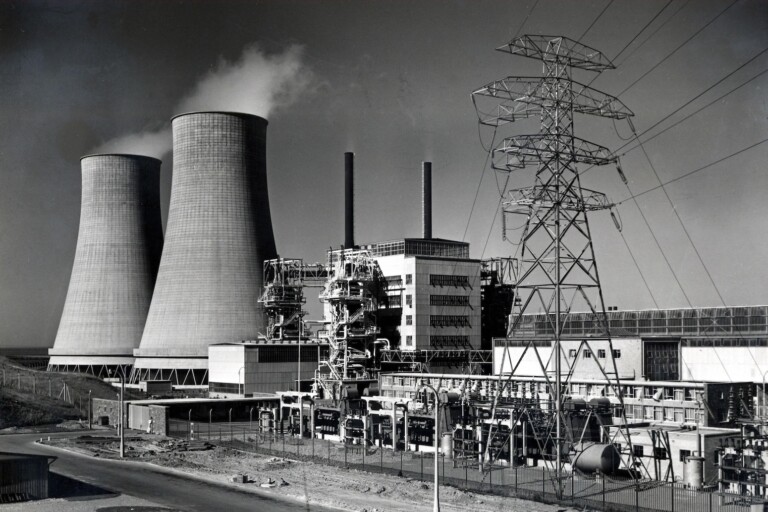
Nuclear power plants operate by using thermal energy from atomic fission to convert water into high-pressure steam, which turns electricity-generating turbines. Once through the turbine, this steam must be cooled back into water via condenser systems that typically draw from oceans, rivers, or cooling towers.
Globally, roughly 14% of nuclear reactors (60 out of approximately 440) rely on "once-through" cooling systems drawing directly from river water. When heatwaves strike, two separate problems emerge:
Thermodynamic Efficiency Losses: As river intake water warms, the temperature differential inside the condenser narrows, reducing cycle efficiency. For every 1°C increase in cooling water temperature, a nuclear plant loses roughly 0.6% to 1% in cycle efficiency.
Legal and Environmental Constraints: The primary operational bottleneck during heatwaves is regulatory rather than mechanical. Laws limit the maximum temperature of water returned to river ecosystems to protect aquatic life. When river temperatures approach these thresholds, reactors must reduce output or shut down completely.
Global Nuclear Fleet Cooling Configuration
------------------------------------------
[Once-Through River Cooling]  ■■■■ 14% (60 Reactors - High Vulnerability)
[Other (Cooling Towers/Sea)]   ■■■■■■■■■■■■■■■■■■■■■■■■■ 86% (Lower River Vulnerability)
While high river temperatures cause short-term operational dips, prolonged drought presents a far more severe long-term threat. In August 2026, low water flow along the Danube forced Romania’s Cernavodă nuclear plant—which provides 20% of the nation’s total electricity—to operate under heightened curtailment risks, underscoring the acute vulnerability of centralized single-asset power dependencies.
Gas Power Plants: Air Density and Thermodynamic Limits
Gas-fired generation, particularly Combined Cycle Gas Turbines (CCGT) and open-cycle peaking units, is often regarded as a flexible asset capable of turning on at a moment’s notice. However, gas turbines suffer substantial mechanical capacity losses in high ambient temperatures.
Gas turbines rely on combusting a precise mixture of compressed air and fuel. Because hot air is less dense than cool air, a turbine draws in a lower total mass of oxygen per revolution during high temperatures. With less oxygen available for combustion, the engine produces less mechanical force.
Impact of Temperature on Gas-Fired Power Output
------------------------------------------------
At 20°C Ambient Temp: [■■■■■■■■■■■■■■■■■■■■] 100% Output Capacity
At 40°C Ambient Temp: [■■■■■■■■■■■■■■■■■   ]  87% Output Capacity (-13% Capacity Loss)
According to technical analysis by Electric Insights, when ambient temperatures rise from 20°C to 40°C:
A gas power station’s overall generation capacity falls by 13%.
Its overall thermal efficiency drops by 7%.
Simple open-cycle peaking gas turbines experience a capacity loss of roughly 10% for every 10°C rise in temperature.
This dynamic was demonstrated during the August 2020 California power crisis, when rolling blackouts were triggered by supply shortages during a severe heatwave. Unplanned capacity drop-offs from thermal gas plants accounted for roughly 79% of the lost supply on the peak day of the blackouts.
Additionally, high temperatures degrade grid infrastructure itself. Physical transmission line capacity can drop by up to 16% during a 10°C rise in temperature because high ambient heat causes power lines to expand, sag, and overheat.
Wind Energy: Atmospheric Stagnation
Unlike thermal generators, wind turbines do not rely on cooling water or combustion air. However, heatwaves impact wind power generation through atmospheric weather patterns.
Severe summer heatwaves are frequently caused by stationary, high-pressure weather systems known as "heat domes." These systems trap warm air over a region, creating still, windless conditions. A global empirical study analyzing weather and power generation data from 1980 to 2023 found that high ambient temperatures strongly correlate with low wind speeds across three-quarters of the globe.
Regional Wind Power Reductions During Summer Heatwaves
------------------------------------------------------
Europe / Northern Asia:  [📉 30% to 50% Reduction]
Australia:              [📉 30% to 50% Reduction]
North American Plains:  [📈 Slight Increase / Neutral]
During heatwaves across Europe, Northern Asia, and Australia, wind power output drops by an average of 30% to 50%. Furthermore, because warmer air is less dense, it carries slightly less kinetic energy per unit of volume, compounding the output reduction of turbine blades.
However, grid operators view this summer drop as manageable because wind generation follows predictable seasonal cycles, producing maximum power during high-demand winter months while complementing solar generation during the summer.
Solar Photovoltaics: Irradiance Gains vs. Thermal Coefficients
A common misconception is that solar panels stop working effectively during extreme heatwaves. While high temperatures do reduce the efficiency of photovoltaic (PV) cells, the overall output during heatwaves is typically high due to clear skies and longer daylight hours.
Solar PV panels experience a drop in electrical efficiency as panel surface temperatures rise above 25°C. For every 1°C increase above this baseline, solar panel efficiency decreases by approximately 0.2% to 0.5%.
Despite this thermal efficiency penalty, total solar power output generally spikes during hot weather due to intense solar irradiance. For example:
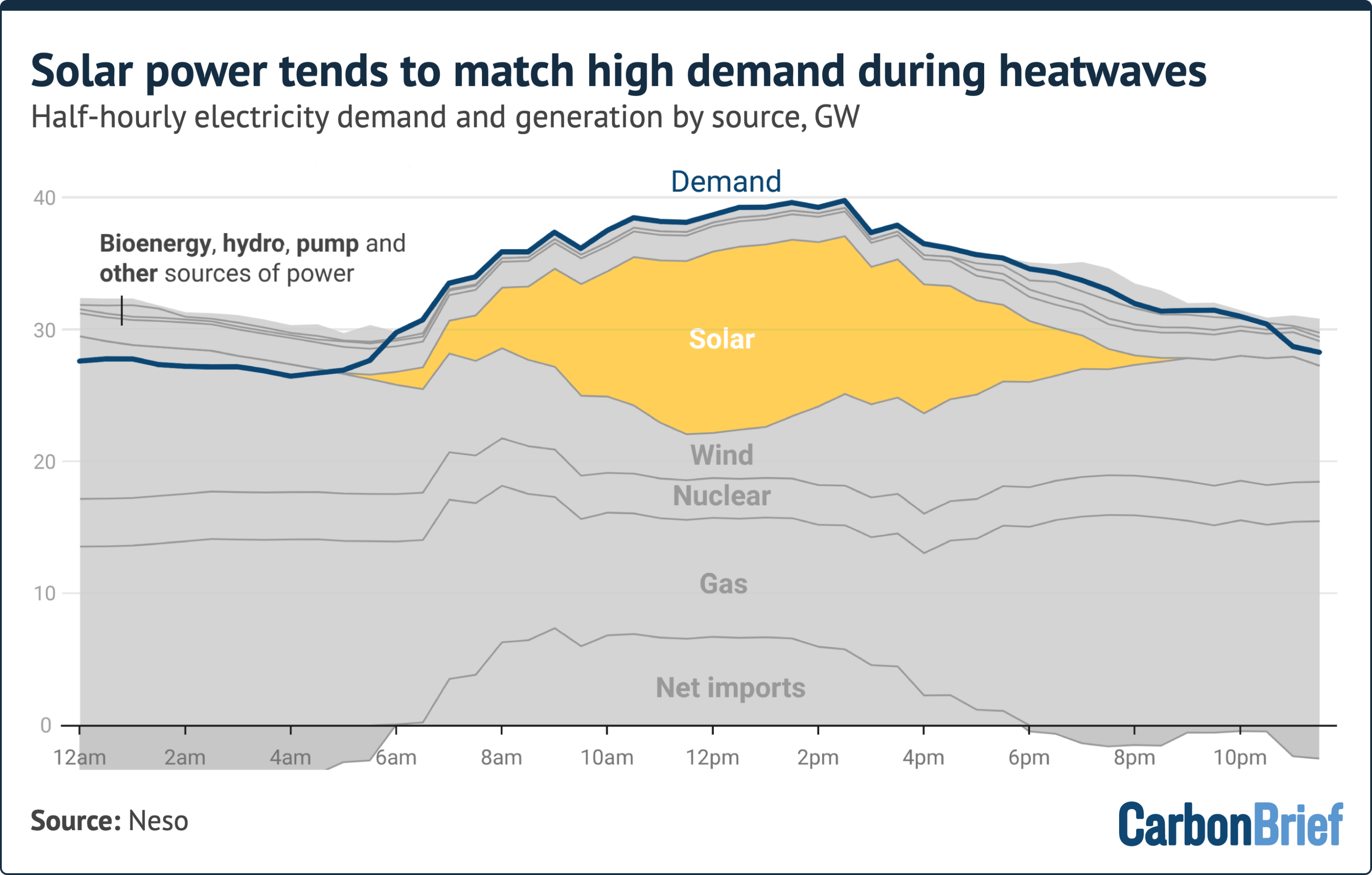
During a four-day UK heatwave in June 2026, solar output reached 484 gigawatt-hours (GWh)—a 46% increase compared to the prior week.
Across the European Union, solar generation hit a record 52 TWh in June 2026.
On June 26, 2026, solar output in Great Britain peaked at 13.9 GW in mid-afternoon, directly coinciding with maximum daytime air-conditioning demand.
The primary operational challenge associated with solar energy is not daytime performance, but the steep evening ramp down. As the sun sets, solar generation drops off rapidly, but cooling demand often remains high into the night, forcing power system operators to ramp up alternative supply sources quickly.
Storage Infrastructure: Thermal Runaway and Hydrological Risk
As grid operators seek to bridge the gap between daytime solar generation and evening demand peaks, energy storage systems have become essential grid components. Over 108 GW of utility-scale battery storage was added globally in 2025 alone.
Battery Energy Storage Systems (BESS), dominated by Lithium-ion technology, perform optimally between 15°C and 35°C. When ambient temperatures exceed 40°C:
Battery management systems must consume significant power running internal HVAC units to keep cells cool, creating parasitic power loads that lower net efficiency.
Prolonged exposure to high heat accelerates internal cell degradation and increases the operational risk of thermal runaway.
Battery Storage Performance Degradation at Elevated Temperatures
-----------------------------------------------------------------
15°C - 35°C (Optimal):  [■■■■■■■■■■■■■■■■■■■■] 100% Efficiency / Normal Operations
40°C+ (Elevated Heat):  [■■■■■■■■■■■■■■■■■   ] Parastitic Cooling Loads active (-10-15% net efficiency)
Other storage systems, such as pumped hydro facilities, face distinct operational challenges. Prolonged summer droughts deplete the reservoirs required to cycle water between upper and lower basins, limiting their dispatchable output during heatwaves.
Official Statements & Expert Analysis
Energy analysts emphasize that while high temperatures strain all forms of generation, public discourse often conflates regulatory protections with technical failure.
Commenting on the recurring operational adjustments forced upon nuclear facilities during European summers, Michael Tadrous, a energy researcher at McMaster University’s DeGroote School of Business, clarified:
"The impact of heatwaves is real, but it is far smaller than many headlines suggest, and the effect of heat is gradual. Warmer intake water makes a reactor slightly less efficient. But even an extreme 15°C rise in cooling-water temperature would cost a large reactor only about 6% of its output.
The real pressure point during a heatwave is usually legal rather than technical. Plants return their cooling water to the river a few degrees warmer than they drew it, and the law limits how warm that water may be in order to protect aquatic ecosystems."
Tadrous also noted that long-term historical data shows nuclear adaptions are working:
"France’s river-cooled fleet lost 5.5 terawatt hours (TWh) of output to the 2003 heatwave. By 2022, one of the most severe heat-and-drought summers on record, losses had fallen to 0.5 TWh—a reduction of roughly 90%, as utilities upgraded cooling systems, refined operating practices, and scheduled maintenance around periods of extreme heat."
Highlighting the vulnerabilities inherent to fossil-fuel thermal plants, Dr. Iain Staffell, Associate Professor in Sustainable Energy at Imperial College London, explained:
"Simple gas turbines—the kind which turn on rapidly to meet peak demand—are hit harder than solar, with their power output falling by about 10% per 10°C rise. The issue is less that they can’t deliver at all, but that we have to pay through the nose to persuade more of them to turn on at critical times, adding to sky-high energy bills."
Addressing how renewable generation balances during summer weather events, Dr. Chris Rosslowe, Senior Energy Analyst at climate think tank Ember, noted:
"Power systems are less reliant on wind power in the summer months, and its lower-than-average output is already expected and planned for. Heatwaves often bring still, but clear conditions, highlighting the benefit of wind and solar as a duo—poor conditions for one often mean good conditions for the other.
Solar, battery storage, and air conditioning are a highly complementary trio of technologies during heatwaves. Problems arise when the sun goes down, but demand for cooling remains high. The extreme price spikes that we witness during heatwaves are a blaring signal for more power system flexibility."
Addressing overall grid vulnerability and modern market design, Pawel Czyzak, Europe Programme Director at Ember, stated:
"Heatwaves will not go away—they will only get more severe in the future. Solutions that can help mitigate their impacts, such as battery storage, interconnection, demand flexibility, and dynamic tariffs, should become a key part of grid planning and power market design."
Future Outlook & Grid Resilience Strategies
As global temperatures continue to rise, power system architects are moving away from legacy operational assumptions and actively deploying adaptation strategies designed to harden infrastructure against thermal shock.
+-----------------------------------------------------------------------------------+
|                        GRID RESILIENCE ADAPTATION MATRIX                          |
+-----------------------------------------------------------------------------------+
| Technology Sector   | Adaptation & Hardening Strategy                             |
+---------------------+-------------------------------------------------------------+
| Nuclear Power       | • Retrofitting river sites with supplemental cooling towers.|
|                     | • Adjusting maintenance schedules around summer peak risk.  |
+---------------------+-------------------------------------------------------------+
| Thermal Gas Plants  | • Installing inlet air chilling systems to maintain density. |
|                     | • Adding closed-loop water circulation networks.            |
+---------------------+-------------------------------------------------------------+
| Grid & Networks     | • Expanding cross-border subsea and overland interconnectors|
|                     | • Deploying dynamic line rating technology to manage sag.   |
+---------------------+-------------------------------------------------------------+
| Storage & Demand    | • Scaling 4-to-8-hour utility BESS for evening peak shifts.|
|                     | • Implementing dynamic tariffs & automated demand-response. |
+---------------------+-------------------------------------------------------------+
1. Thermal Asset Modifications
To mitigate hydrological constraints, nuclear operators are investing directly in auxiliary cooling infrastructure. French utility EDF is currently evaluating the installation of secondary mechanical-draft cooling towers at its most exposed river-side nuclear stations. Similar modifications are underway at gas-fired stations, where operators are installing inlet-air cooling systems (such as evaporative coolers or chillers) to lower the temperature of incoming combustion air, restoring air density and preserving output capacity during extreme heat events.
2. Deployment of Co-Located Storage
The rapid deployment of grid-scale battery storage is proving to be one of the most effective tools for mitigating heatwave-induced market volatility. By storing excess daytime solar energy, large-scale battery fleets can discharge power during evening peak hours when solar output drops off, reducing the grid’s reliance on expensive, heat-degraded thermal gas peakers. In regions like California, widespread battery deployment helped prevent rolling blackouts during recent summer heatwaves.
3. Regional Grid Interconnection and Demand Response
Building high-voltage cross-border interconnectors allows utility networks to balance localized generation shortfalls by importing power from neighboring regions unaffected by heatwaves. Concurrently, grid operators are deploying dynamic demand-response mechanisms. By offering dynamic pricing tariffs, utilities can incentivize commercial and residential consumers to pre-cool buildings earlier in the day or adjust non-essential loads, smoothing out evening demand spikes.
Ultimately, extreme heat challenges every energy generation technology. Building a climate-resilient power grid requires moving past political talking points about generation types and focusing on systemic flexibility, grid-scale storage, robust interconnection, and infrastructure hardened for high ambient temperatures.