The New Boomtown: How Carbon County, Utah, Trade Coal Seams for Nuclear Reactors and AI Data Centers
Executive Overview
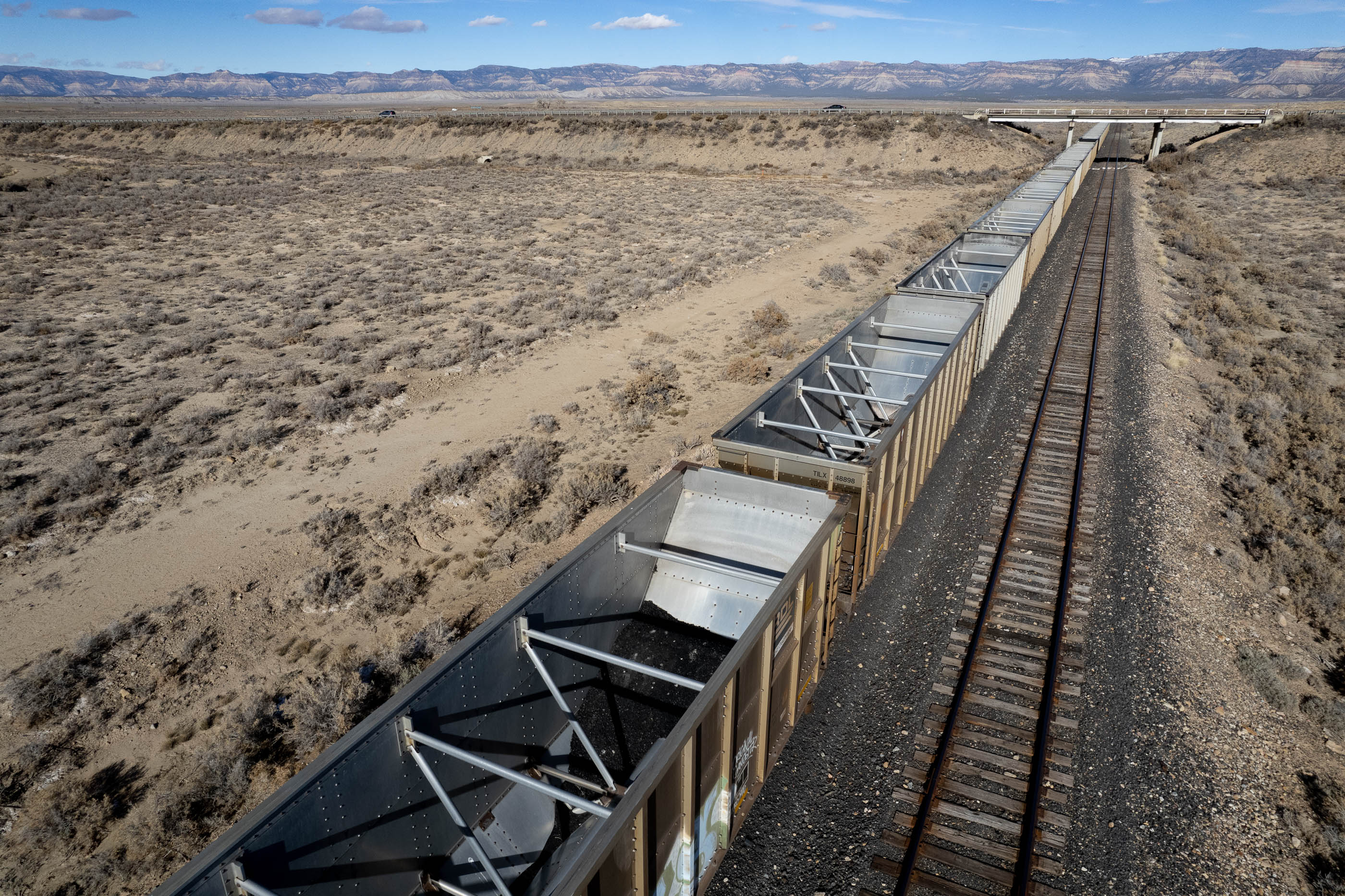
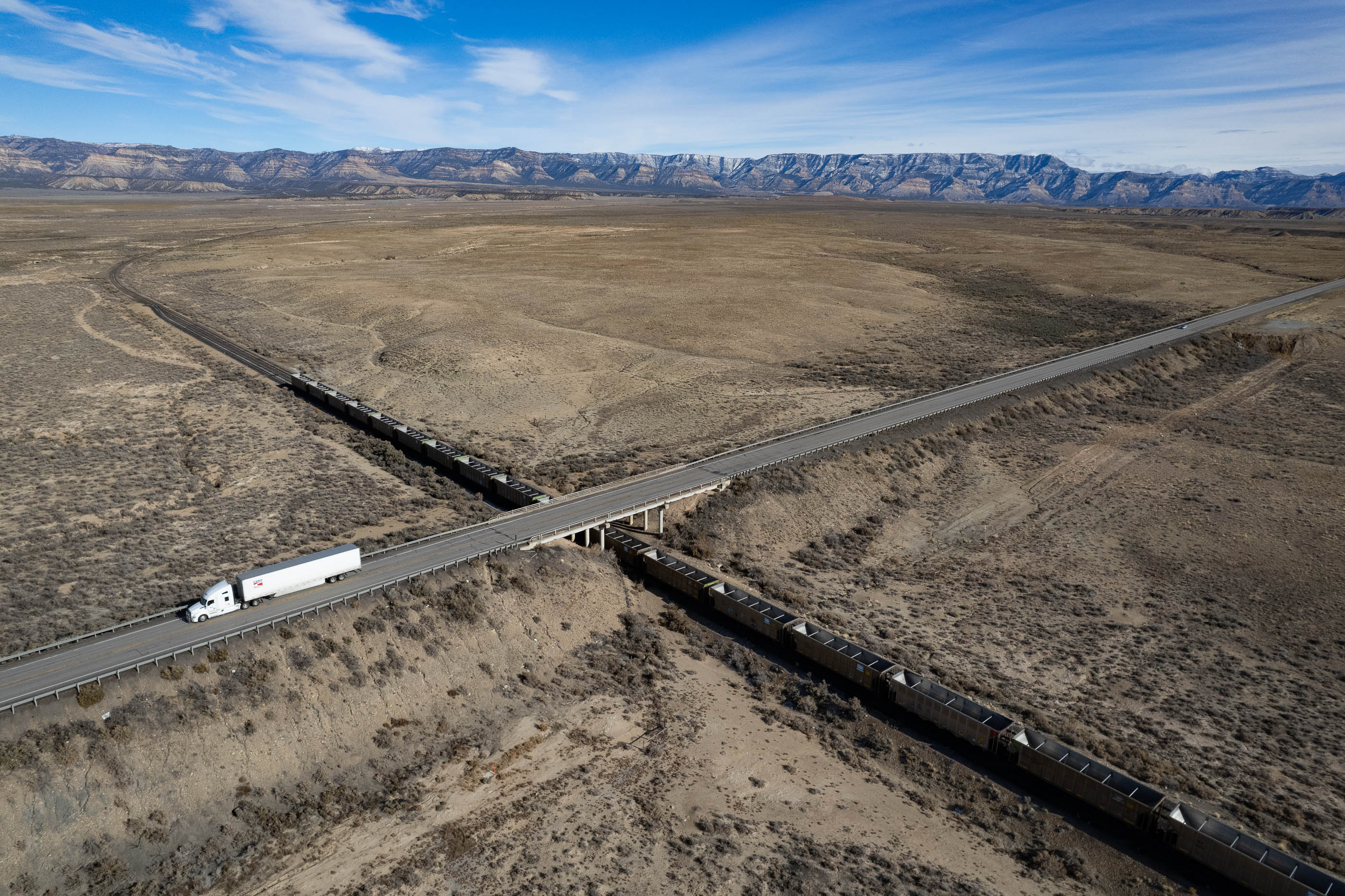
For generations, the heartbeat of Carbon County, Utah, pulsed to the rhythm of heavy industry, coal seams, and the boom-and-bust cycles that define extraction economies. Residents like Cindy O’Neil grew up intimately familiar with the sacrifices required to keep the lights on across the American West. Her husband spent years laboring in the county’s namesake coal mines, enduring the systemic risks of black lung, subterranean explosions, and mine fires. Yet, even as the last chunk of coal was pulled from the ground, rendering the county completely coal-free by 2023, a new and potentially more volatile chapter of energy production has begun to materialize.
Today, this pocket of central Utah is ground zero for a high-stakes transition driven by the explosive growth of artificial intelligence and digital infrastructure. A sudden influx of massive tech-driven proposals—chief among them Valar Atomics’ plan to construct a sprawling nuclear complex of 456 small modular reactors (SMRs) and Altigen Energy’s massive 1,200-acre "Jurassic Spark" natural gas and data center campus—has ignited fierce opposition. While state leaders, county commissioners, and corporate interests champion these projects as essential lifelines for an economically starved region, local residents are pushing back. Caught between the financial desperation of a post-coal economy and deep-seated fears regarding nuclear safety, environmental heat islands, and water scarcity, Carbon County stands as a cautionary tale of America’s rapid, unvetted dash to power the digital age.
Detailed Chronology: From Fossil Fuels to the Tech Frontier
The transformation of Carbon County from a traditional fossil-fuel stronghold to a cutting-edge energy and data frontier did not happen overnight, but its final phases have unfolded with dizzying speed.
2006: Carbon County’s robust network of coal mines reaches a modern peak, producing nearly 10 million tons of coal in a single year, cementing its status as a foundational pillar of Utah’s energy grid.
The 2010s–Early 2020s: Cheaper energy alternatives—most notably natural gas and utility-scale renewables—combined with the physical depletion of local coal seams, trigger a swift economic collapse across the region.
2023: The final operating coal mine in Carbon County shutters. For the first time in over a century, not a single pound of coal is mined locally, shifting the county’s tax burden heavily onto homeowners and remaining small businesses.
Early 2025 (The Legislative Shift): Recognizing the grid strain caused by burgeoning AI data centers, the Utah Legislature passes Senate Bill 132. The legislation paves the way for private companies with energy demands exceeding 100 megawatts to construct independent, self-contained power generation facilities.
Early 2026: State officials—including Governor Spencer Cox and U.S. Senator John Curtis—welcome nuclear startup Valar Atomics to Utah, authorizing the testing of its "Ward250" microreactor at the San Rafael Energy Lab in neighboring Emery County.
June 2026: Valar Atomics successfully achieves "self-sustaining criticality" at its test site, a crucial milestone where uranium atoms split and maintain a continuous fission chain reaction without external neutron feeds.
September 2026: The Utah Trust Lands Administration board reviews and advances a landmark 100-year lease agreement with Valar Atomics for a square mile of state-owned trust land in Carbon County, sparking intense public debate and divided testimony from local workers and skeptical residents.
July 2026–Present: As details emerge regarding Altigen Energy’s "Jurassic Spark" proposal and Valar’s "Project Beehive," local grassroots resistance solidifies, utilizing social media, community forums, and local political campaigns to challenge what residents characterize as backroom deals.
Supporting Context & Metrics: The Scale of the New Energy Landscape
To understand the friction in Carbon County, one must examine the staggering scale of the proposed technological installations relative to the region’s geography and existing resource constraints.
The Valar Atomics Project ("Project Beehive")
Valar Atomics has secured a century-long lease on a square mile of state-owned trust lands managed by the Utah Trust Lands Administration, alongside sweeping plans for surrounding Bureau of Land Management (BLM) territory. The project aims to deploy 456 small modular reactors (SMRs)—a nuclear technology that remains largely unproven and uncertified for commercial deployment at scale within the United States.
Beyond powering industrial complexes and data centers, the Valar complex is designed to process uranium TRISO-fuel on-site, handle radioactive waste storage, operate water desalination facilities, manufacture steel, and refine critical minerals. Financial disclosures presented to the Trust Lands Administration board indicate that the lease will generate $35 million in revenue over 50 years, funds earmarked to support public education in Utah.
Altigen Energy’s "Jurassic Spark"
Operating in parallel to the nuclear initiative, Altigen Energy has selected a 1,200-acre site east of Wellington for its massive "Jurassic Spark" data center campus. According to local Community Economic Development Board minutes, the footprint of this project is nearly double that of the Valar complex.
Initial Phase: A 250-megawatt natural gas-fired power plant to kickstart operations.
Ultimate Buildout: Projections indicate the facility could eventually scale up to generate 3 gigawatts of electricity. To contextualize this output, consider that the entire state of Utah currently consumes approximately 4 gigawatts of power.
Environmental and Geographic Vulnerabilities
The geographic realities of Carbon County exacerbate the risks associated with these industrial installations. The Wellington area sits squarely inside a natural basin, hemmed in by the Wasatch Range to the west and the Book Cliffs to the north and east. According to Robert Davies, a physics professor at Utah State University, nuclear and natural gas plants generate immense amounts of waste heat—with nuclear facilities operating at lower thermal efficiencies that release even greater heat profiles. In a confined valley, this dynamic threatens to create a severe local heat island effect.
Furthermore, water scarcity remains an existential crisis for the region. While both Valar and Altigen developers assert that their facilities will rely on closed-loop cooling systems (such as Valar’s proposed helium-cooled reactors) that demand minimal water, local stakeholders remain deeply skeptical in a desert environment where every drop of water is already legally allocated.
Official Statements: Economic Salvation Versus "Table Scraps"
The ideological chasm between Carbon County’s leadership and its citizenry highlights a profound disconnect over what constitutes a fair future for a post-industrial community.
Proponents of the developments argue that desperate times call for decisive, unconventional economic measures. With the death of the coal industry, municipal revenue has plummeted, forcing local governments to scramble for alternative tax bases.
"We realize that this topic is a hot button now, along with data centers," stated Carbon County Commissioner Larry Jensen during a pivotal public meeting. "It’s important that you understand that the Carbon County Commissioners are committed to allowing these things to move forward. Even with the pushback—we realize that there are a few in our community who will push back—but the silent majority are the ones that we really represent."
The state’s Trust Lands Administration defended the land lease as a sound fiscal investment for education, and agency leadership has largely side-stepped direct commentary on the unprecedented nature of deploying unproven SMRs. Mike Nelson, chair of the board, candidly admitted during a September meeting, "We weren’t always sure what to ask about… and probably still aren’t sure of everything to ask about because this is a first, right?"
Conversely, local residents view the narrative of economic inevitability with profound distrust. Cindy O’Neil voiced the frustration of many neighbors who feel rushed into accepting high-risk industries:
"They say everything’s left us, and if we don’t grab these table scraps we’re not going to get anything. I don’t think our county has to take the table scraps."
Cheryl Lupo, a longtime county resident and independent candidate for the county commission, echoed these sentiments, noting that her interactions with voters revealed near-universal apprehension. "People are up in arms," Lupo said. "Torches and pitchforks. Because they’re not being heard." Lupo’s resistance is deeply personal; she believes that the health tragedies in her own family—including the premature deaths of her mother and grandfather from cancer—were direct consequences of radioactive fallout downwind from 1950s nuclear weapons testing in Nevada. Given Utah’s dark historical chapter with atomic testing, she asserts: "I will never, ever be a proponent of nuclear."
Transparency—or the lack thereof—has further inflamed tensions. The widespread use of non-disclosure agreements (NDAs) between local economic development boards and incoming corporate entities has left communities in the dark until projects reach advanced stages.
"You shouldn’t be hiding what you and the company are going to bring to a community," O’Neil remarked from her home along U.S. Highway 6, "and not tell the community until it’s too late and a done deal."
Future Outlook: Navigating the Uncharted Intersection of AI and Rural America
As Carbon County barrels toward this technological precipice, the broader implications extend far beyond the borders of Utah. The global explosion of artificial intelligence has placed an unprecedented demand on electrical grids, forcing tech giants and energy startups to look to remote, economically depressed rural landscapes where land is cheap and regulatory hurdles can theoretically be bypassed.
However, the gamble being made in central Utah establishes a dangerous precedent. By fast-tracking experimental small modular reactors and gigawatt-scale natural gas installations into enclosed desert valleys, stakeholders are navigating uncharted waters with very little historical safety data to guide them. Whether "Project Beehive" and "Jurassic Spark" succeed in revitalizing the local tax rolls or ultimately saddle Carbon County with long-term environmental degradation, radioactive waste storage risks, and localized climate stressors remains to be seen.
What is certain is that the social contract between rural communities and industrial developers is fracturing. As residents mobilize against secrecy and demand a voice in shaping their landscapes, Carbon County serves as a bellwether for the rest of the nation. The central question remains: Can America power the digital future without sacrificing the health, safety, and agency of the communities left in the wake of the fossil fuel era? For the people of Carbon County, the answer may define their survival for the next century.