

Executive Overview
As the autumn chill sets in and deciduous trees shed their seasonal canopy, millions of gardeners face a familiar seasonal dilemma: managing the sheer volume of fallen leaves, decaying plant matter, and organic debris. Traditionally viewed as a burdensome chore involving trips to the local council recycling center or the slow, multi-year wait of traditional cold composting heaps, autumn organic management is undergoing a quiet technological revolution. At the forefront of this movement is the convergence of advanced thermal engineering and domestic waste reduction, exemplified by high-efficiency aerobic composting systems.
To spotlight this sustainable shift, a major new promotional initiative has been launched in partnership with BBC Gardeners’ World Magazine and leading composting innovator HOTBIN. This nationwide competition offers two lucky UK residents the chance to win state-of-the-art composting bundles worth up to £313 each. Beyond the immediate appeal of a seasonal giveaway, the campaign underscores a broader cultural and environmental imperative: the urgent need to divert kitchen and garden waste away from overflowing landfills and transform it into nutrient-dense, peat-free compost directly at home.
In an era defined by climate consciousness, rising municipal waste costs, and a growing enthusiasm for grow-your-own food initiatives, accelerated hot composting has transitioned from a niche horticultural technique to an essential tool for modern sustainable living. This report provides a comprehensive examination of the mechanics behind high-temperature aerobic decomposition, the ecological impact of reducing household food waste, the specific engineering triumphs that earned HOTBIN its accolades, and the future outlook for domestic circular-economy practices in urban and suburban environments.
Detailed Chronology: The Evolution of Domestic Composting and the HOTBIN Phenomenon
The practice of transforming organic waste into soil-enriching humus is as old as agriculture itself. For centuries, agrarian societies relied on passive, open-air compost heaps. These traditional systems—often referred to as "cold" or "passive" composting—relied on naturally occurring fungi, bacteria, and macro-organisms such as earthworms to slowly break down organic matter. While effective over long periods, cold composting possesses significant limitations: it typically takes between nine months to two years to produce usable material, attracts pests due to the inclusion of exposed food waste, and often fails to reach temperatures high enough to neutralize weed seeds or plant pathogens.
During the late 20th century, horticulturalists and environmental engineers began exploring ways to accelerate this biological process. By optimizing the carbon-to-nitrogen ratio, maintaining adequate moisture, and ensuring a continuous supply of oxygen, pioneers demonstrated that thermophilic (heat-loving) bacteria could rapidly digest organic materials. However, these early accelerated systems were often cumbersome, finicky, and required constant manual turning—a barrier that discouraged casual gardeners.
The turning point for domestic hot composting arrived with the development of insulated, aerated containment systems designed to retain metabolic heat generated by bacterial activity. Among the innovators in this space was HOTBIN, whose engineering team focused on solving the primary pain points of home composting: slow decomposition rates, the inability to process cooked food or meat safely, and unsightly, foul-smelling heaps.
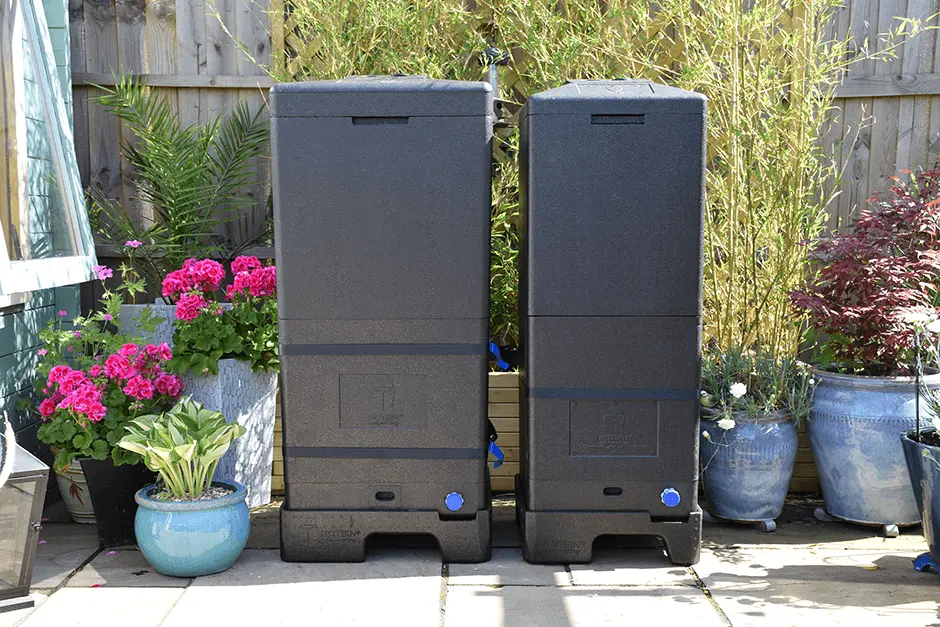
By utilizing high-density expanded polypropylene (EPP) insulation, similar to the material used in high-performance thermal containers, HOTBIN units were engineered to maintain internal temperatures between 40°C and 60°C (104°F to 140°F) year-round. This thermal retention eliminated the need for manual turning while dramatically speeding up the decomposition timeline.
Over the past decade, independent testing and consumer advocacy groups began taking notice of these accelerated units. A critical milestone occurred when BBC Gardeners’ World Magazine subjected a range of domestic composters to rigorous, comparative testing. Evaluating units based on speed of decomposition, ease of use, spatial footprint, and versatility of input materials, the magazine’s panel named the HOTBIN a "Best Buy." It was specifically lauded as the fastest composter tested and the premier choice for compact gardens and urban spaces.
Building upon this industry recognition, the current collaborative giveaway campaign was conceived to lower the barrier to entry for domestic sustainability. By offering fully equipped bundles—complete with the composter, a stabilizing plinth for liquid collection, and a ergonomic garden kneeler—the initiative aims to accelerate the adoption of closed-loop organic recycling across British households, culminating in a nationwide prize draw closing on November 9, 2026.
Supporting Context & Metrics: The Science of Thermophilic Decomposition and Environmental Impact
To understand the value of modern accelerated composting systems, one must examine the underlying biochemical processes and the staggering scale of household organic waste.
The Metrics of Waste and Carbon Footprints
According to environmental data, organic waste constitutes a significant proportion of the average municipal solid waste stream. In the United Kingdom, households discard millions of tonnes of edible and inedible food waste annually, alongside vast quantities of green garden waste. When organic matter is sent to traditional landfills, it is buried under anaerobic (oxygen-deprived) conditions. As bacteria break down the waste without oxygen, they produce methane—a potent greenhouse gas with a global warming potential significantly higher than carbon dioxide over a 20-year period.
Diverting food scraps and garden waste into an aerobic composting system fundamentally alters this equation. Aerobic decomposition utilizes oxygen-breathing bacteria that produce carbon dioxide rather than methane, a byproduct part of the natural biogenic carbon cycle. Furthermore, home composting eliminates the carbon emissions associated with municipal waste collection vehicles transporting heavy organic matter to industrial processing facilities.
The Science of Hot Composting
Traditional cold heaps fluctuate wildly with ambient weather conditions, stalling entirely during the freezing winter months. In contrast, a properly managed hot composter leverages thermophilic bacteria that thrive in elevated temperatures.
- Mesophilic Phase (Initial Breakdown): When fresh waste (a balanced mix of nitrogen-rich "greens" like vegetable peelings and grass clippings, and carbon-rich "browns" like shredded paper and autumn leaves) is added, initial mesophilic bacteria break down easily digestible sugars and starches, raising the internal temperature.
- Thermophilic Phase (Rapid Digestion): As temperatures surpass 40°C, thermophilic bacteria take over. This is the engine room of the HOTBIN. At temperatures between 50°C and 60°C, complex polymers like cellulose and lignin are rapidly degraded.
- Pathogen and Weed Seed Destruction: A critical advantage of maintaining sustained high temperatures is thermal sanitation. Weed seeds, plant diseases, and common pathogens are effectively sterilized, ensuring that the resulting compost is clean and safe to spread across delicate vegetable patches and flower beds.
- Maturation Phase: Once the active thermal phase subsides, mesophilic organisms return to finish the curing process, resulting in dark, crumbly, nutrient-rich humus within as little as 30 days.
Design Innovation and Practical Efficiency
The engineering behind units like the HOTBIN Mini (100 litres) and the standard HOTBIN (200 litres) addresses several long-standing operational challenges:
- Thermal Insulation: The thick EPP walls act like a thermos flask, trapping the heat generated by microbial respiration.
- Valve-Controlled Aeration: Unlike open heaps that require pitchforks and heavy lifting, integrated aeration valves regulate airflow, maintaining optimal oxygen levels without cooling the core mass.
- Expanded Input Capabilities: Because sustained high heat rapidly breaks down tough materials, users are not restricted to raw garden waste. Cooked plate scrapings, small bones, potato peelings, and even dairy products can be safely processed—substantially increasing the percentage of household waste diverted from landfills.
Official Statements and Industry Insights
Horticultural experts and sustainability advocates have increasingly emphasized the vital role that decentralized, home-level composting plays in modern environmental stewardship.
Dr. Helena Vance, an urban agroecologist and sustainable waste researcher, highlights the psychological and systemic shifts inspired by accessible composting technology:
"For decades, composting was viewed as an agrarian chore—something reserved for rural homesteads with sprawling acreage and endless patience. What modern thermal engineering has achieved is a democratization of soil creation. When urban and suburban residents realize they can take yesterday’s dinner scraps and garden clippings and turn them into rich, life-giving soil within a single month—right on a patio or small balcony—it fundamentally shifts their relationship with consumption. It closes the loop between the kitchen and the garden."
Representatives from BBC Gardeners’ World Magazine have similarly praised the rigorous performance standards that led to the HOTBIN’s Best Buy designation. In testing notes released by the publication’s evaluation panel, reviewers highlighted the efficiency of the unit’s thermal retention:
"In our comparative trials, speed and spatial efficiency were paramount. Many domestic composters struggle to maintain heat when ambient temperatures drop below 10°C. The HOTBIN demonstrated an exceptional ability to sustain thermophilic activity year-round, outperforming larger, traditional wooden bins while occupying a remarkably small physical footprint. Its capacity to handle cooked food waste safely makes it a transformative tool for everyday households looking to slash their environmental footprint."
Manufacturing partners have echoed these sentiments, emphasizing that user experience is just as critical as biological efficiency. The inclusion of specialized accessories in the current competition bundles—such as the elevated plinth and ergonomic kneeler—reflects a holistic understanding of the gardener’s physical needs.
A spokesperson for HOTBIN noted:
"We designed our systems not just to process waste efficiently, but to integrate seamlessly into the daily routines of modern gardeners. Composting shouldn’t feel like hard labor. By raising the unit off the ground with a bespoke plinth, users can easily harvest liquid plant feed, and by providing ergonomic support like our garden kneelers, we ensure that the physical interaction with the garden remains comfortable and joyous. Partnering with BBC Gardeners’ World Magazine allows us to reward passionate gardeners who are leading the charge toward zero-waste living."
Future Outlook: The Horizon of Sustainable Horticulture and Urban Waste Management
As municipalities across the globe grapple with escalating waste management costs, strict landfill diversion targets, and the existential pressures of climate change, the future of urban and suburban sustainability points increasingly toward decentralization. While municipal green-bin collections are an essential baseline, home composting represents the pinnacle of resource efficiency: zero transportation emissions, immediate localized nutrient recycling, and direct consumer engagement with circular economic principles.
The Rise of Smart Urban Agriculture
Looking toward the next decade, the integration of organic waste management into urban planning and residential architecture is accelerating. High-efficiency composting units are no longer relegated to the back corners of country gardens; they are increasingly being engineered for urban balconies, community allotment spaces, and shared apartment courtyards.
Innovations in thermal monitoring—such as integrated digital temperature probes and smartphone-linked composting assistants—are beginning to emerge on the periphery of the market. These technologies promise to take the guesswork out of carbon-to-nitrogen ratios and moisture management, making high-temperature aerobic composting accessible to an even broader demographic of environmentally conscious urbanites.
Peat-Free Mandates and Soil Health
Compounding the need for home-produced compost is the mounting regulatory pressure against the commercial extraction of horticultural peat. Peatlands are vital carbon sinks; harvesting peat releases millions of tonnes of stored carbon dioxide into the atmosphere while destroying fragile ecosystems. As governments move to ban or severely restrict the sale of peat-based compost to amateur gardeners, the demand for high-quality, homemade organic alternatives is skyrocketing.
Accelerated hot composters provide an ideal solution to this supply crunch. By generating nutrient-dense, microbe-rich soil conditioner from everyday household and garden waste, gardeners can completely bypass commercial peat products. This not only secures a free, infinite supply of superior plant nutrition but also actively contributes to carbon sequestration and soil regeneration in their own backyards.
Conclusion and Call to Action
The intersection of autumn garden maintenance, seasonal waste management, and advanced composting technology offers a timely reminder of nature’s regenerative capacity. Through initiatives like the current BBC Gardeners’ World Magazine and HOTBIN partnership, gardeners are reminded that the waste of today is the harvest of tomorrow.
For eligible UK residents eager to revolutionize their approach to kitchen scraps and garden debris, the opportunity to secure a high-performance composting bundle represents more than just a prize draw—it is an invitation to participate actively in the sustainable horticulture movement. With the entry window remaining open until 23:59 on November 9, 2026, participants have a clear mandate: waste less, grow more, and embrace the future of closed-loop gardening.



