

Executive Overview
As the golden canopy of autumn descends and deciduous trees shed their seasonal coats, gardeners across the United Kingdom face a familiar seasonal imperative: clearing fallen leaves, trimming back exhausted perennials, and putting beds to bed for the winter. While this cyclical tidy-up is traditionally viewed as the conclusion of the growing year, horticultural experts increasingly recognize autumn as the foundational chapter for the season ahead. Crucially, it is also the prime window of opportunity to revolutionize how households manage organic refuse.
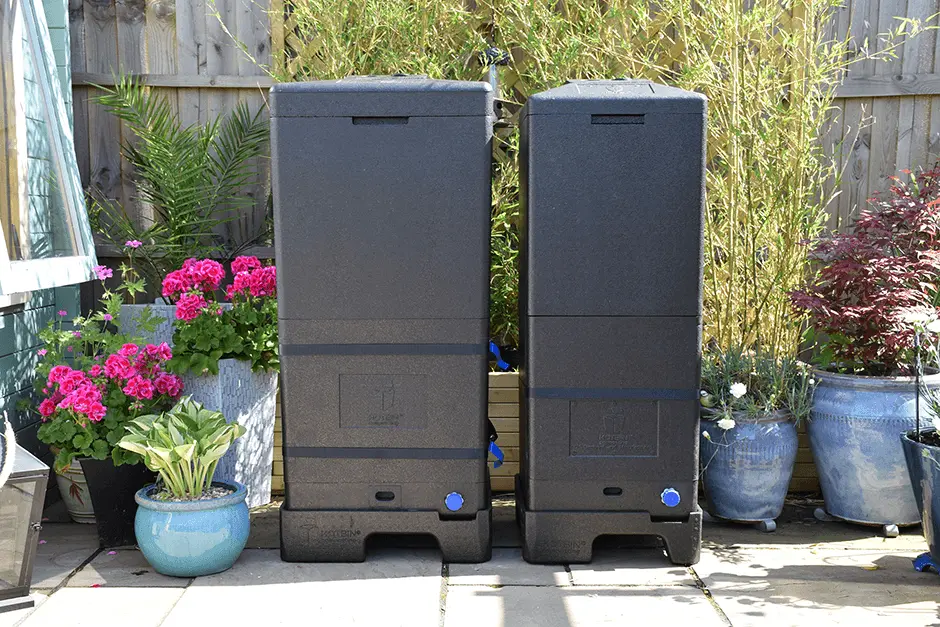
Enter the intersection of sustainable living, waste reduction, and horticultural excellence. In a collaborative initiative designed to champion eco-conscious gardening, the award-winning composting innovator HOTBIN has partnered with top-tier horticultural media to launch a major giveaway. Two lucky winners will receive comprehensive composting bundles—valued at up to £313 each—engineered to transform kitchen scraps and garden debris into nutrient-dense, peat-free compost in a fraction of the time required by traditional methods.
This article provides a comprehensive exploration of modern home composting, examining the engineering breakthroughs that allow high-temperature systems to operate year-round, the vital ecological importance of recycling kitchen and garden waste during the autumn transition, and the specific mechanics of the prize packages up for grabs. By examining the broader movement toward circular household economies, we look at how rapid-composting technology is shifting public perceptions of organic waste from a municipal burden to an invaluable home-grown resource.
Detailed Chronology: The Evolution of Home Composting and the Rise of Rapid Systems
To appreciate the significance of modern innovations like the HOTBIN, it is helpful to trace the evolution of organic waste management within domestic horticulture. For generations, home composting was governed by patience, passivity, and a fair degree of trial and error.
The Traditional Cold Composting Era
Historically, backyard composting relied on cold, aerobic decomposition. Gardeners constructed wooden pallets, wire mesh cylinders, or purchased basic plastic bins, layering "green" nitrogen-rich materials (such as grass clippings and vegetable peelings) with "brown" carbon-rich matter (such as autumn leaves, cardboard, and twigs).
While effective over the long term, cold composting comes with notable limitations:
- Time Horizons: Without internal heat generation, microbial activity slows dramatically. Traditional heaps typically require anywhere from nine months to two years to fully mature.
- Vulnerability to Weather: Cold heaps stall entirely during the freezing winter months, rendering them ineffective precisely when household vegetable preparation and winter garden clean-ups generate significant organic matter.
- Pest Attraction: Because temperatures remain low, cold heaps rarely break down food quickly enough to deter vermin. Cooked foods, meat scraps, dairy, and small bones cannot be added without inviting rodents and scavengers.
- Weed Seed Viability: Cold heaps fail to generate the thermal energy required to kill weed seeds and plant pathogens, meaning finished compost can inadvertently reintroduce stubborn weeds back into garden beds.
The Thermal Revolution
Recognizing these bottlenecks, agricultural scientists and engineers began studying industrial thermophilic composting—a process where specific communities of bacteria thrive at elevated temperatures (typically between 40°C and 60°C+). The challenge for innovators was scaling these principles down to an efficient, user-friendly domestic footprint.
The development of high-performance insulated aerobic units marked a paradigm shift in the early 21st century. By utilizing high-density expanded polypropylene (EPP) insulation—material commonly used to protect delicate goods during transport and known for its exceptional thermal retention properties—manufacturers successfully trapped the metabolic heat generated by aerobic bacteria.
This technological leap bypassed the traditional limitations of backyard heaps:
- Accelerated Decomposition: Internal temperatures soar rapidly, allowing bacteria to break down organic structures at an exponentially faster rate.
- All-Weather Functionality: The thick insulation shields the core microbial community from freezing external temperatures, ensuring uninterrupted year-round processing.
- Omnivorous Capability: The high thermal output effectively sanitizes the waste stream, safely breaking down cooked leftovers, meat scraps, citrus peel, and diseased plant matter without generating foul odors or attracting pests.
The crowning achievement of this technological trajectory was recognized when BBC Gardeners’ World Magazine rigorously tested a cross-section of available domestic systems, officially naming HOTBIN a Best Buy for achieving both the fastest composting times and the highest efficiency ratings for constrained urban and suburban spaces.
Supporting Context & Metrics: The Mathematics of Waste and Soil Health
To contextualize the relevance of advanced home composting systems, one must examine the broader environmental metrics surrounding household food waste, municipal refuse collection, and the horticultural industry’s ongoing transition away from peat.
The Household Waste Equation
In the United Kingdom, organic waste remains a substantial component of the domestic refuse stream. According to environmental data compiled by waste reduction authorities, the average household discards hundreds of kilograms of avoidable and unavoidable food waste annually, alongside significant quantities of garden trimmings.
When organic matter is sent to landfill, it undergoes anaerobic decomposition due to a lack of oxygen. This biochemical pathway produces methane—a potent greenhouse gas with a global warming potential significantly higher than carbon dioxide over a 20-year timescale. Conversely, aerobic composting converts this carbon- and nitrogen-bound biomass into stable humus, sequestering carbon while returning essential macronutrients (nitrogen, phosphorus, and potassium) and micronutrients back to the soil food web.
The Peat Crisis and the Need for Organic Alternatives
Simultaneously, the British horticultural sector has faced mounting pressure to eradicate peat from retail and commercial growing media. Peat bogs are ancient, irreplaceable carbon sinks; extracting peat for horticulture releases millions of tonnes of stored carbon into the atmosphere while destroying delicate, highly specialized wetland ecosystems and native biodiversity.
The UK government and leading environmental organizations have established strict timelines to phase out the sale of peat-based composts to amateur gardeners. However, this transition has created a quality gap in the market. Many early commercial peat-free alternatives faced criticism from consumers regarding water retention, nutrient consistency, and texture.
This is where home-generated, high-nutrient compost plays a vital role. By processing a diverse mix of household kitchen scraps and garden waste through an active thermal system, gardeners produce a rich, dark, crumbly soil conditioner that matches—and often exceeds—the performance of commercial bagged alternatives. Unlike sterile manufactured mediums, home-composted organic matter teems with beneficial soil microorganisms, mycorrhizal fungi, and earthworm-attracting organic compounds that actively revitalize tired garden soil.
Performance Metrics: HOTBIN Efficiency Indicators
Independent testing and consumer data highlight why thermal systems have captured the attention of serious horticulturalists:
- Speed to Harvest: While traditional bins take up to two years, a properly managed thermal unit can yield finished, crumbly compost in as little as 30 to 90 days.
- Volume Reduction: Due to aggressive microbial breakdown and structural compaction, organic waste volumes shrink drastically within the chamber, allowing continuous feeding throughout the year.
- Temperature Maintenance: Core operating temperatures consistently reach between 40°C and 60°C, a thermal threshold proven to destroy weed seeds, plant pathogens, and fly larvae.
- Thermal Insulation Value: The high-density EPP walls boast an exceptional thermal resistance (R-value), retaining metabolic heat even when ambient outdoor temperatures drop below freezing.
Prize Details: Inside the HOTBIN Essentials Bundles
To help gardeners capitalize on autumn preparation and revolutionize their waste management routines, HOTBIN has curated two high-value prize packages for the competition winners. Each winner will be given their choice of one of two comprehensive bundles, tailored to different household sizes and garden scales.
Option A: The HOTBIN Mini 100-litre Essentials Bundle (Valued at £243)
- The System: The HOTBIN Mini is engineered specifically for smaller households, urban courtyards, town gardens, and compact spaces where minimizing footprint is paramount. Despite its smaller 100-litre capacity, it retains all the advanced thermal insulation and rapid-processing capabilities of its larger siblings.
- The Plinth: Included in the bundle is a custom-fit HOTBIN Plinth. Elevating the unit off the ground serves two critical functional purposes: it protects the base from damp ground surfaces and provides crucial clearance beneath the drainage tap, allowing users to effortlessly collect nutrient-rich liquid fertiliser (often referred to as "liquid gold") as it drains from the decomposing mass.
- The Garden Kneeler: To ensure comfort during seasonal garden maintenance, harvesting, and bed preparation, the bundle includes an ergonomic HOTBIN Garden Kneeler. Designed to cushion knees and joints on cold, damp autumn soil, it is an indispensable accessory for any active gardener.
Option B: The HOTBIN 200-litre Essentials Bundle (Valued at £313)
- The System: For larger families, enthusiastic vegetable growers, or properties with expansive gardens, the flagship HOTBIN 200-litre model provides double the capacity. This allows households to process higher volumes of mixed kitchen peelings, garden clippings, and bulkier autumn waste streams simultaneously.
- The Plinth: Like the Mini bundle, the 200-litre package includes the engineered base plinth, ensuring structural stability, optimal airflow beneath the unit, and seamless collection of liquid plant feeds.
- The Garden Kneeler: Complete with the premium ergonomic kneeler, this package ensures that tending to large-scale garden transformations remains comfortable, protected, and strain-free throughout the demanding autumn and spring working seasons.
Official Statements and Horticultural Perspective
The synergy between advanced composting technology and traditional gardening values has drawn high praise from horticultural experts and environmental advocates alike.
Dr. Julian Finch, an independent soil scientist and organic horticulture consultant, emphasizes the profound impact that localized composting can have on soil microbiology:
"For decades, gardeners have treated soil as a static medium rather than a living biological ecosystem. When you introduce high-temperature, aerated composting into your routine, you aren’t just getting rid of potato peelings; you are cultivating a concentrated biological powerhouse. The diversity of bacteria and fungi surviving and multiplying in a well-managed thermal bin is staggering. When incorporated into garden beds, these organisms unlock locked-up minerals, improve soil crumb structure, and dramatically enhance the plant’s ability to resist drought and disease. Systems like the HOTBIN bridge the gap between complex industrial composting science and the everyday backyard gardener."
Furthermore, representatives from HOTBIN highlight the cultural shift toward waste circularity within the modern household:
"We are seeing a profound evolution in consumer consciousness. People no longer view vegetable scraps, plate scrapings, and autumn leaves as burdens to be thrown away. They recognize them as valuable raw materials. By removing the traditional barriers of composting—the foul smells, the attraction of pests, the endless waiting, and the winter slowdown—we have made it possible for anyone, regardless of prior experience, to close the loop in their own backyard. Winning one of our Essentials bundles isn’t just about receiving a piece of garden equipment; it’s about adopting a sustainable lifestyle that pays dividends in soil health and flower vitality season after season."
Future Outlook: The Next Generation of Sustainable Gardening
As urban environments densify and global climate challenges place unprecedented stress on municipal infrastructure and natural ecosystems, the role of decentralized, hyper-local sustainability initiatives will only grow in importance.
Looking toward the horizon, the future of home gardening points firmly toward closed-loop circularity. Municipalities across the developed world are increasingly strained by the financial and environmental costs of organic waste transport and processing. Empowering citizens to manage their own kitchen and garden waste on-site eliminates collection emissions, reduces landfill leachate, and produces superior soil conditioners directly where they are needed most.
Moreover, as peat-free horticulture becomes mandatory and fertilizer costs fluctuate in global markets, the ability to generate potent, organic plant nutrients at home transitions from a pleasant hobbyist pastime to an essential resilience skill. Innovations in thermal retention, smart sensor integration for moisture and temperature monitoring, and durable, recyclable materials indicate that backyard equipment will only become more intuitive and efficient in the coming decade.
For now, the immediate opportunity lies in action. As autumn winds sweep away the remnants of summer and gardens stand poised for their winter rest, transforming seasonal chores into an act of ecological restoration has never been more accessible.
Competition Reminder and Entry Guidelines
Eligible participants wishing to transform their garden waste management and secure one of these high-performance composting bundles must submit their entries before the closing deadline.
- Closing Date: 23:59 on 9 November 2026
- Eligibility: Open to UK residents aged 18 and over.
- How to Enter: Answer the designated competition question correctly on the host platform and review all terms, conditions, and privacy notices before submission.
Embrace the autumn transition, reduce your household footprint, and unlock the secret to continuous, nutrient-rich soil health for seasons to come.



