

Executive Overview
As humanity grapples with the converging global emergencies of climate change and accelerating biodiversity loss, scientists are increasingly looking backward to move forward. Historical records locked away in handwritten journals, field notebooks, and archival papers represent an untapped wealth of baseline ecological data. For two decades, the Biodiversity Heritage Library (BHL) has stood at the vanguard of this effort, growing from a fledgling digitization initiative into the world’s largest open-access digital library for biodiversity literature. Today, its corpus spans over 64 million pages, serving as a critical repository of historical data that informs our understanding of human-driven environmental impacts on Earth.
In a landmark convergence of historical archives and modern technology, the Ernst Mayr Library (EML) at Harvard University has successfully integrated a vital new collection into the BHL: the ornithological field journals, notebooks, and bird lists of Walter Faxon. Spanning 33 years of meticulous observation from 1886 to 1919, Faxon’s manuscripts record thousands of species occurrences. To bridge the gap between fragile, handwritten historical documents and modern global biodiversity databases, this project leveraged cutting-edge artificial intelligence.
Led by Harvard PhD candidate and 2026 Pforzheimer Fellow Mohit Mandal, the initiative evaluated and deployed advanced AI models—specifically ChatGPT and Claude—to transcribe nearly 2,000 pages of difficult historical script. This article explores the journey of Walter Faxon’s archives from physical paper to the global digital ecosystem, highlighting the technical hurdles of AI-assisted transcription, the indispensable role of human oversight, and the ultimate vision of feeding these historical insights into the Global Biodiversity Information Facility (GBIF) to guide modern conservation policy.
Detailed Chronology: From Harvard Halls to Global Archives
To understand the weight of the Faxon collection, one must trace the timeline of its creation, its institutional preservation, and its recent digital transformation.
The Life and Times of Walter Faxon (1848–1920)
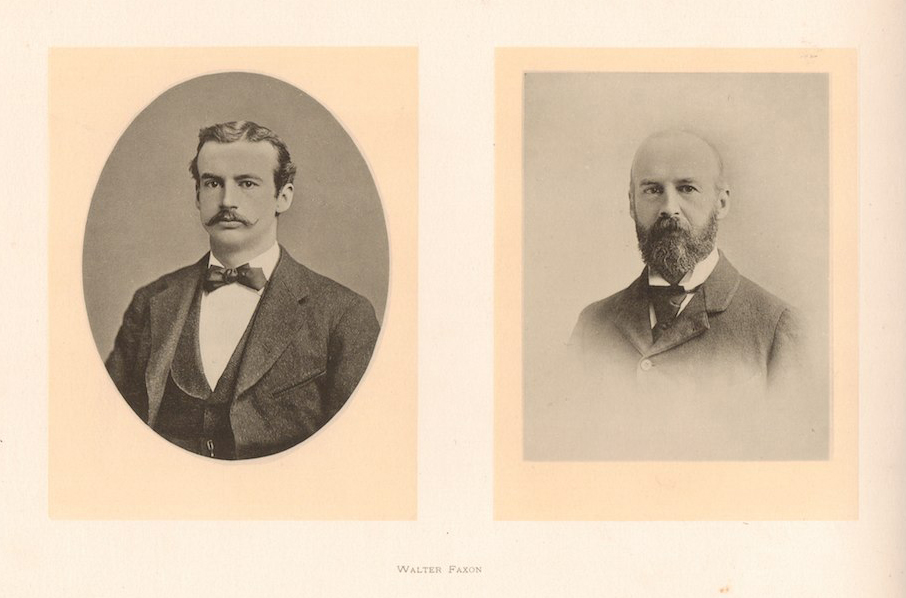
Born on February 4, 1848, in Massachusetts, Walter Faxon established himself as a towering figure in 19th- and early 20th-century American science. Earning his stripes at Harvard University, Faxon served as an Assistant Professor of Zoology from 1872 to 1886. While his professional academic and curatorial career at Harvard’s Museum of Comparative Zoology (MCZ)—where he curated the Invertebrate Department for 46 years (1874–1920)—focused primarily on crustaceans and mollusks, his passion for ornithology became his defining avocation.
Described by peers as a field ornithologist of unparalleled precision, Faxon’s nearly 60-year career in the field was marked by scrupulous care to avoid error. His identifications were treated as definitive by his contemporaries, including renowned ornithologist William Brewster, whose extensive papers—held alongside Faxon’s in the EML—include 145 letters exchanged between the two scientists. Faxon passed away on August 10, 1920, leaving behind a legacy of uncompromising scientific rigor.
Digitization and Fellowship Milestones (2025–2026)
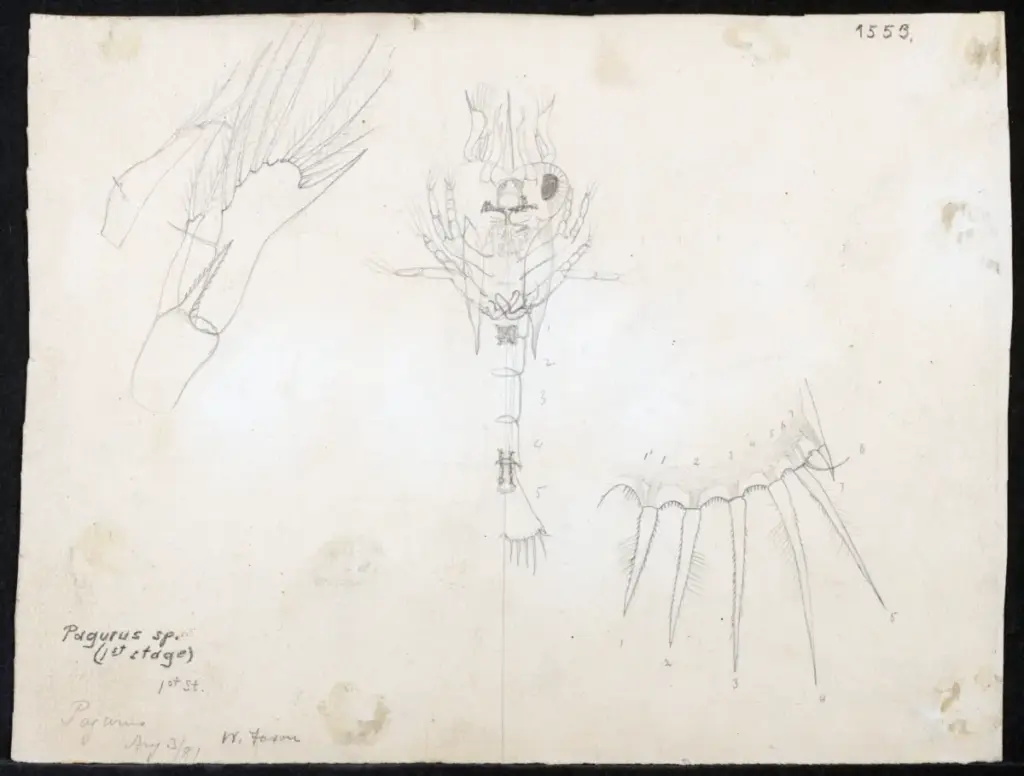
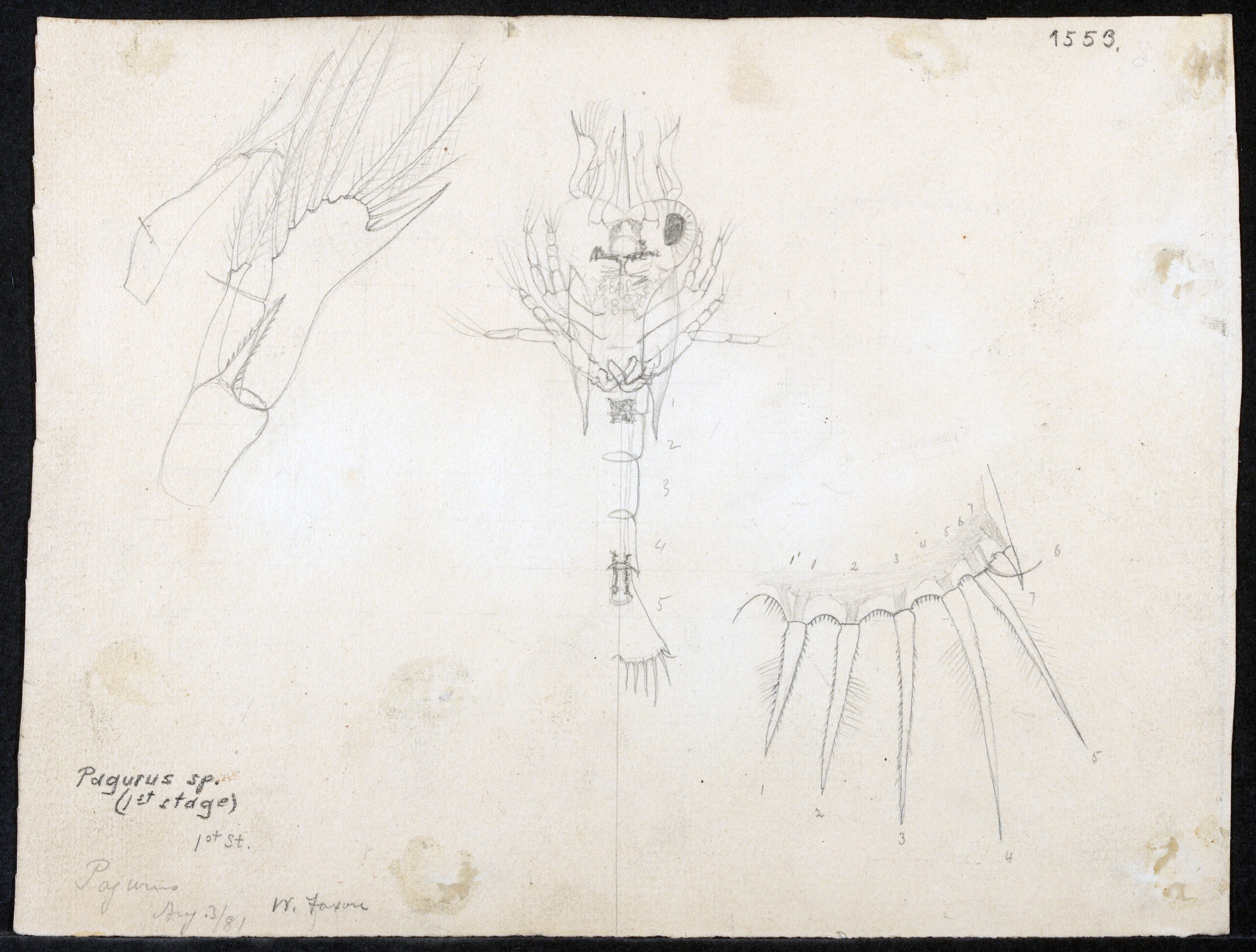
- 2025: Supported by the Harvard Library Collections Digitization Program under its designated Climate Change theme, the fragile physical manuscripts of the Faxon collection—totaling over 2,200 pages of journals, notebooks, bird lists, and arthropod sketches—were systematically digitized.
- June 1 – August 31, 2026: Mohit Mandal assumed the prestigious role of the 2026 Pforzheimer Fellow at the Ernst Mayr Library. His explicit mandate was to investigate and execute the deployment of AI-powered tools to transcribe Faxon’s complex handwritten materials.
- Late August 2026: Mandal concluded his fellowship, having successfully achieved the primary goal of transcribing nearly 2,000 manuscript pages, paving the way for full integration into the BHL book viewer and subsequent exports to GBIF.
Supporting Context & Metrics: Unlocking Ecological Baselines
The value of the Faxon collection lies not merely in its historical charm, but in its quantitative ecological utility. Comprising 1,640 pages of field journals, bird lists, and field notebooks compiled over more than three decades, the collection documents thousands of individual bird observations.
Data Density and Variables Captured
Each entry in Faxon’s journals is a masterclass in field data collection. Entries systematically record:
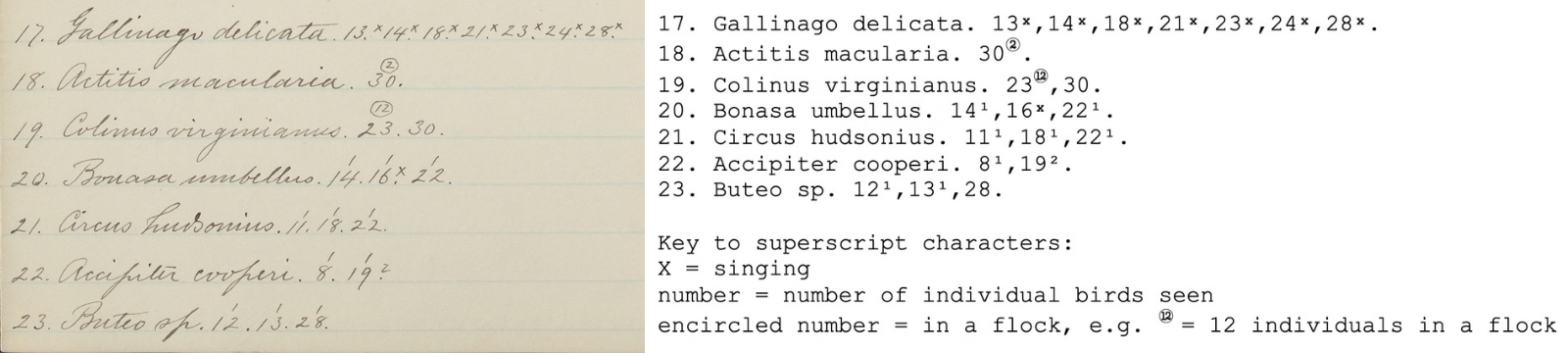
- Species Identity: Precise binomial nomenclature.
- Temporal Markers: Exact dates of observation (spanning 1886–1919).
- Spatial Localities: Geographic positioning of sightings.
- Population Metrics: Number of individuals observed.
- Biological Details: Sex, life stage, vocalization notes (e.g., whether birds were singing), and behavioral context (e.g., flocking behavior).
When aggregated with similar historical datasets from around the world, these variables form a vital baseline for tracking phenological shifts, range expansions or contractions, and population dynamics over a 130-year span.
The Technological Bridge to GBIF
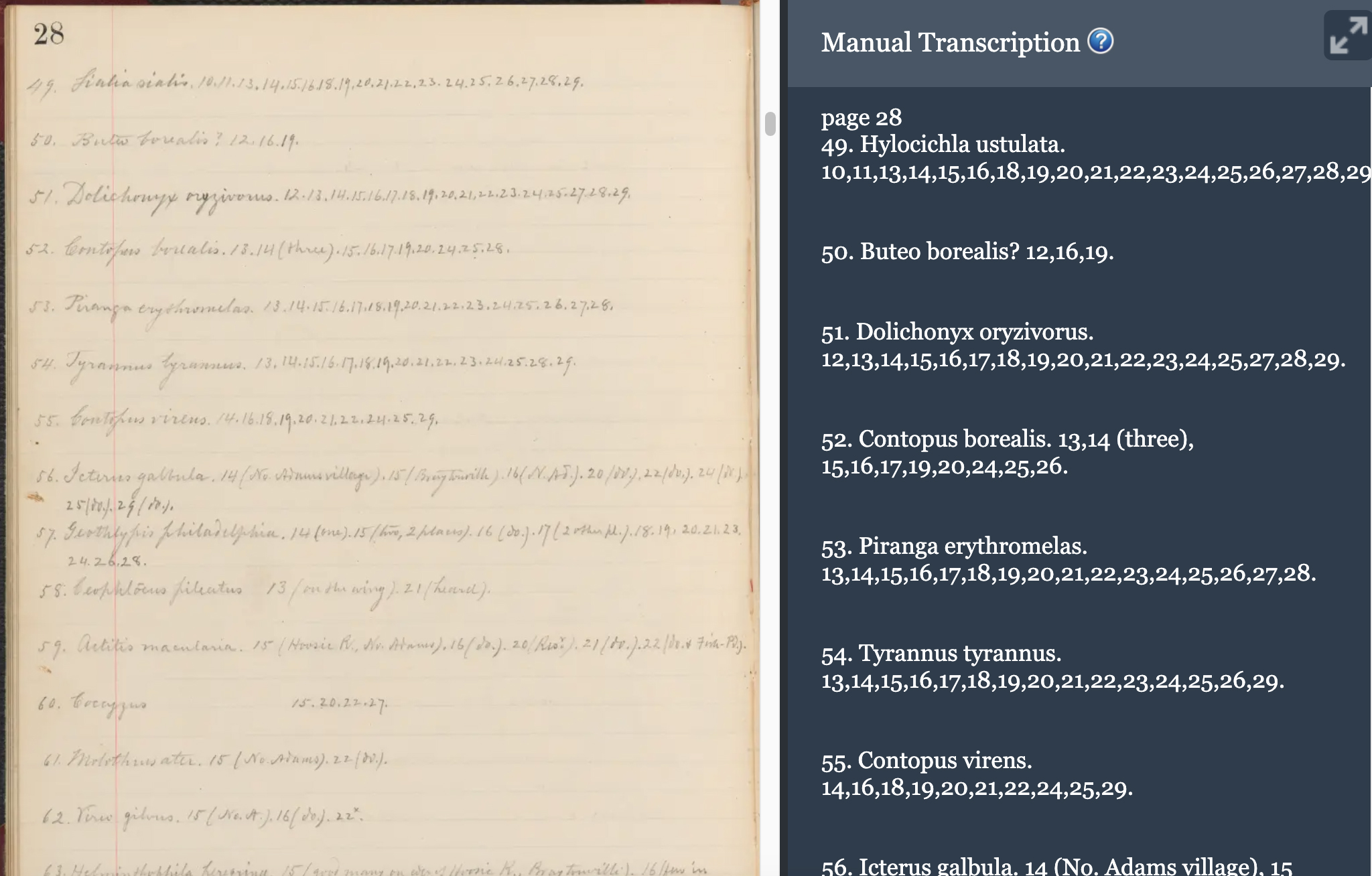
The ultimate destination for these transcribed records is the Global Biodiversity Information Facility (GBIF). However, raw manuscript pages are invisible to automated data aggregators. The BHL serves as the essential middle layer, providing the digital infrastructure and tools necessary to host transcript files alongside digitized page images. By making the text fully searchable and scientific names discoverable, BHL transforms static historical artifacts into dynamic, machine-readable nodes within the global biodiversity network.
Official Statements and Methodological Insights
The integration of artificial intelligence into archival transcription represents a paradigm shift in digital humanities and natural history informatics. During his fellowship, Mohit Mandal conducted a rigorous comparative analysis of leading AI models to determine their viability for complex historical manuscripts.
Evaluating AI Models: ChatGPT vs. Google Gemini
Mandal’s initial phase involved testing ChatGPT and Google Gemini against the unique challenges of Faxon’s handwriting:
- Google Gemini: Exhibited exceptional raw accuracy in character recognition. However, it was hampered by restrictive file upload limits and rigid ecosystem boundaries, functioning only within Google Workspace tools and lacking support for standard formats like Microsoft Word.
- ChatGPT: While occasionally presenting its own interpretive challenges, ChatGPT offered vastly superior flexibility. It allowed for iterative follow-up prompting and demonstrated an ability to maintain structural consistency when trained with precise user specifications.
To maximize fidelity, Mandal adopted a dual-model workflow: primary transcriptions were generated via ChatGPT, and the outputs were subsequently cross-verified using Anthropic’s Claude, drawing upon the complementary strengths of both systems to enhance overall accuracy.
Hurdles in AI Transcription
Despite the successes, the project encountered several classic archival hurdles alongside modern computational quirks:
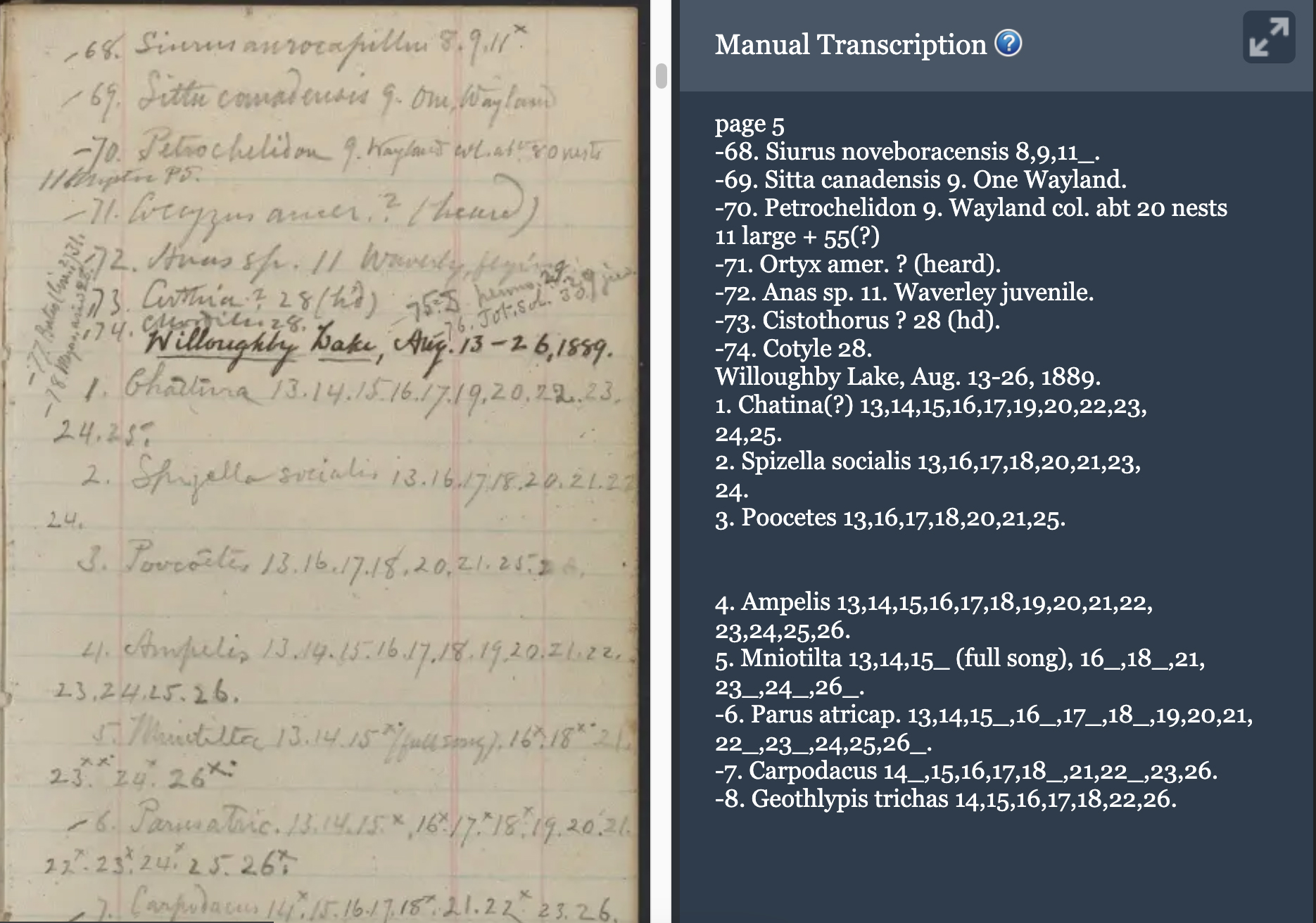
- Physical Artifacts: Smudged pencil notes and marginalia written at awkward diagonal angles frequently baffled the AI, resulting in omitted text or misread passages.
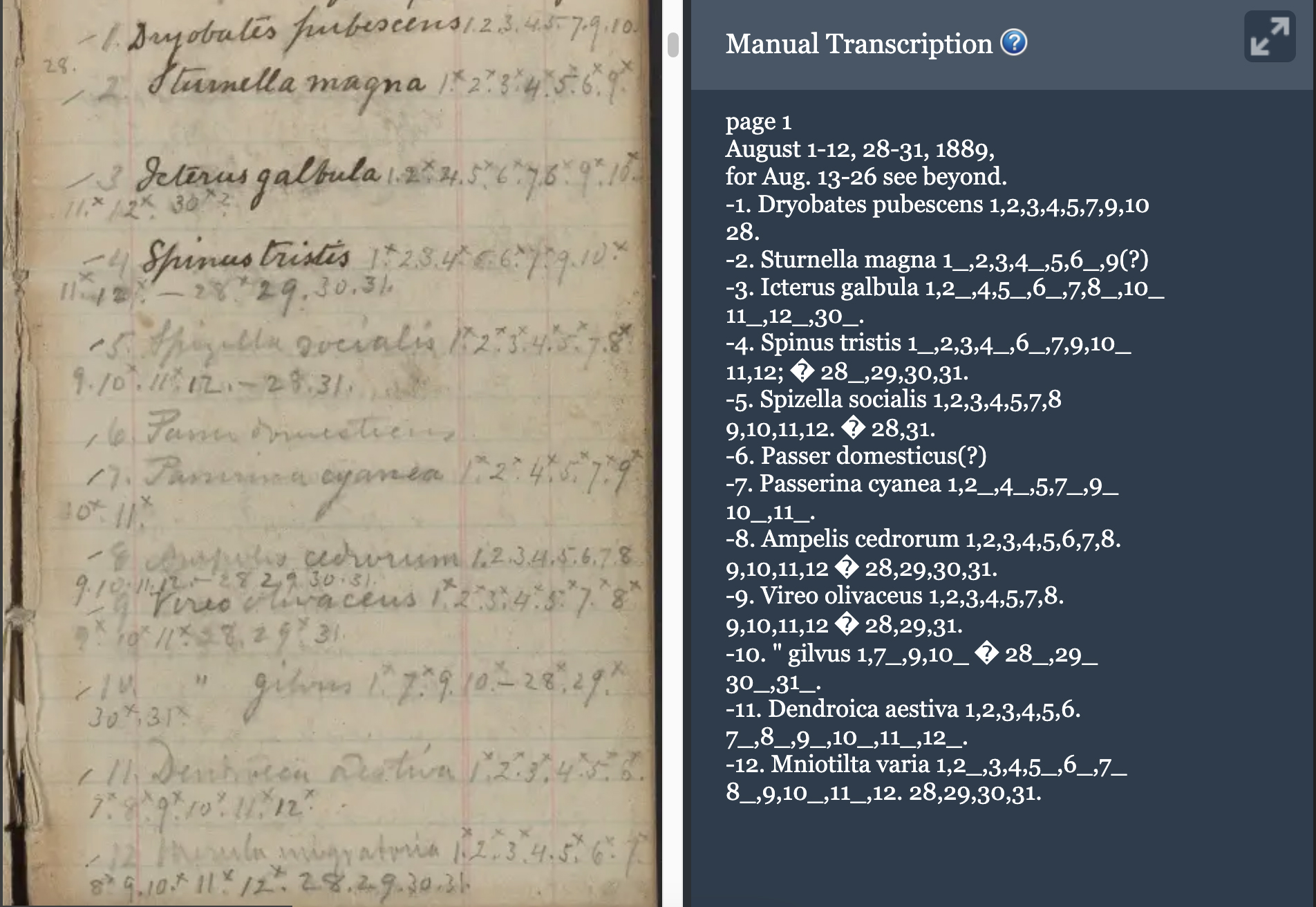
- Hallucinations: AI models occasionally "hallucinated" taxonomic names. For instance, in Faxon’s Field Journal v.1, the bluebird species Sialia sialis was mis-transcribed as Hylocichla ustulata (Swainson’s thrush), and Merula migratoria was misread as Mniotilta varia (black-and-white warbler).
- Interlinear Notation: One of the most stubborn challenges involved Faxon’s habit of placing tiny interlinear numbers and symbols directly above the primary lines of text to denote counts, vocalizations, or flock structures. Standard word processors (like Microsoft Word and Google Docs) struggled with line-spacing constraints, causing the AI to skip these critical notations. Mandal ultimately resolved this by training the model to format interlinear text as superscript.
Reflecting on the experiment, Mandal emphasized a core philosophical takeaway: "The human element remains central to guide the goals and direction of the project, without which A.I. tools—at least at this stage of their development—often falter in accuracy, especially when handling complex page layouts and difficult handwriting."
Future Outlook: A Sustainable Path for Biodiversity Extraction
As global scientific communities race to understand and mitigate accelerating species decline, the lessons learned from the digitization of Walter Faxon’s papers point toward an optimistic future.

The convergence of rapidly evolving AI models, institutional commitments from bodies like the Harvard Library Collections Digitization Program, and upcoming platform modernizations at the Biodiversity Heritage Library are collectively lowering the barrier to large-scale archival extraction. No longer confined to physical archives in Cambridge, Massachusetts, Faxon’s century-old observations of New England birdlife are becoming part of a planetary digital nervous system.
By transforming obscure manuscript pages into searchable, structured data slated for GBIF deployment, projects like this demonstrate that our ecological past holds the keys to our environmental future. As the BHL marks its 20th anniversary, the ongoing preservation and digital enhancement of treasures like the Faxon collection ensure that the rigorous observations of 19th-century naturalists will continue to inform, inspire, and protect the living world for generations to come.



